


The FDA is currently investigating after infants in three different states have developed illness confirmed or suspected to be botulism. All three infants had consumed the same baby formula before becoming ill, and a recall has been issued.
While the investigation continues, parents who have Nara Organics Whole Milk Organic Powdered Infant Formula in their home shelves are asked to stop using it and take precautions to prevent further cases.
Here’s what to do with any potentially contaminated formula, and what signs to watch for in your child.
Formula Recalled After Infant Illnesses
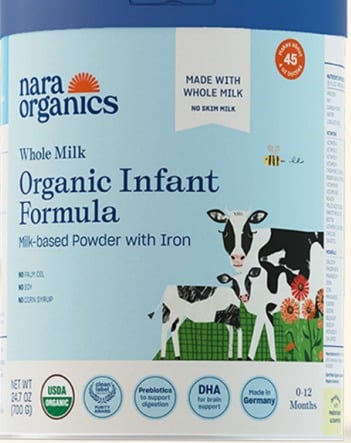
Infants in California, Pennsylvania, and Washington have been reported to be ill with botulism infections. Each baby had previously consumed the same infant formula, Nara Organics Whole Milk Organic. The FDA is testing the product and awaiting results.
In the meantime, Nara Organics has agreed to issue a voluntary recall of the product, and will issue (or in some cases, has already issued) refunds for cans purchased between March and June of this year.
Parents should immediately discontinue use of any cans currently in their possession and keep an eye out for any symptoms.
What To Watch For
Botulism is a serious illness caused by a toxin that attacks the nervous system. If your baby has been fed formula that may have been contaminated, the FDA warns to watch for symptoms.
“If your child has consumed Nara Organics Whole Milk Organic Infant Formula and is experiencing signs and symptoms of botulism such as poor feeding, loss of head control, difficulty swallowing, or decreased facial expression, seek immediate health care.”
In the meantime, clean bottles and any surfaces that may have come into contact with the formula, using hot soapy water or a dishwasher.
What To Do With Formula & How To Request A Refund
The FDA notes that if your baby becomes ill, your local health department may want to test the formula cans you’ve been using.
They advise labeling it “DO NOT USE” and storing it away from the products you regularly feed your baby for a month, then feel free to toss it if your baby hasn’t become ill. If you do not choose to store the cans, the FDA recommends recording the information on the can before discarding it.
At this time, while only one product has been directly linked to the illnesses, Nara Organics is voluntarily recalling “all Nara infant formula currently in the market.”
Three lot codes (709125280E14F2, 709125288E14F2, 708125174E14F2) have been connected to the outbreak, and a full list of recalled lot codes is available on Nara Organics’ website.
Purchases made through the Nara website in May or June have been refunded, the company says. If you purchased a formula on the website in March or April, contact the company with a photo of the lot number on the bottom of the can.
For purchases made at Target stores, Nara requests that parents return them through the retailer.
Your Baby’s Safety Is Top Priority
Even if you have been using the formula without issue, it’s advised to stop using it immediately.
If you cannot afford to purchase replacement formula, there are a few options. Start by seeking a refund as detailed above. You can also reach out to your favorite brands. Many will offer coupons or samples.
Check whether you qualify for WIC, which will cover formula and certain other foods. If your child needs a specific formula, talk to your doctor about issuing a prescription. WIC or your medical insurance may help cover the cost of formula (even if it’s not on WIC’s usual list) if your doctor indicates a medical need.
For immediate needs, talk to your pediatrician and/or local health department. They often have samples, sometimes even full-sized cans, available for those in need.
You can also look for food banks in your area, and if they do not have formula, they or your health department will usually know any local organizations that help. For a comprehensive list of resources, you can always call 211.
