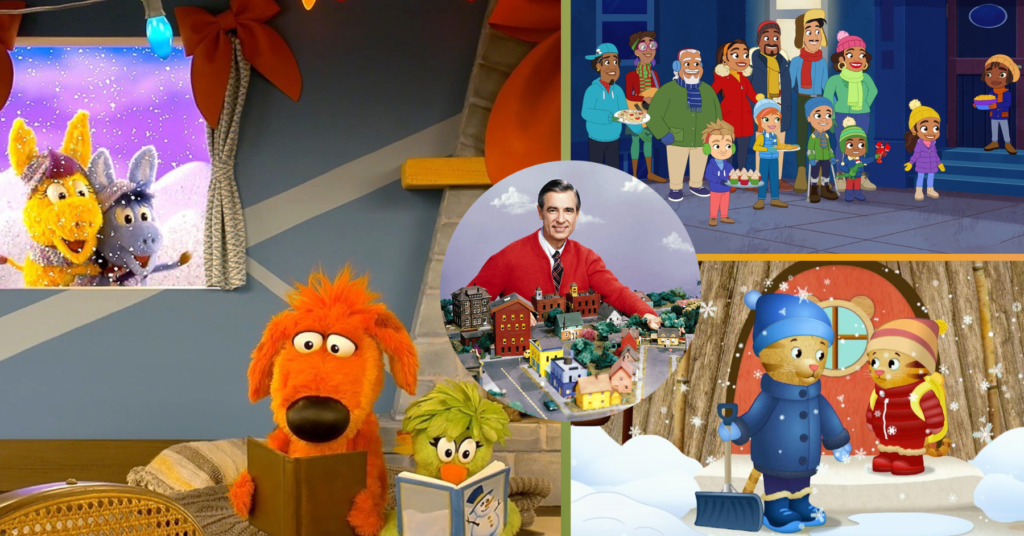
The holidays arrive with excitement for many families, but for preschoolers, they also bring disruption. Travel, unfamiliar faces, schedule changes, and heightened expectations can turn joyful moments into emotionally overwhelming ones. Young children often feel these shifts deeply, even when they don’t yet have the words to explain what’s happening inside.
To help families navigate this season, Parenting Patch received some very helpful holiday guidance from Director of Learning and Education at Fred Rogers Productions, Mallory Mbalia, guidance that is rooted in the emotional life lessons taught across the company’s programming.
As Mbalia explains:
“The holidays are upon us, and with them comes lots of excitement, but also a lot of change in routine for young children. We’re often traveling to new places and meeting unfamiliar people, and it can feel overwhelming for everyone (grown-ups, too!).”
“To support families with preschoolers in navigating these experiences and the ‘big feels’ that can accompany this time of year, we’re happy to share these helpful tips and strategies inspired by some of the life lessons presented in Fred Rogers Productions’ award-winning series, including Daniel Tiger’s Neighborhood, Donkey Hodie, and Alma’s Way. We hope they will make this holiday season a little less stressful and a bit more joyous for all.”
Below, I’ve included the lessons provided directly by Mbalia, followed by specific episode examples. The episode selections reflect a mix of suggestions from Fred Rogers Productions titles that support each lesson, along with a few that have personally resonated in our own home with my four kids, all who have their own personal preferences for favorite shows from the company.
Preparing Kids For New Experiences
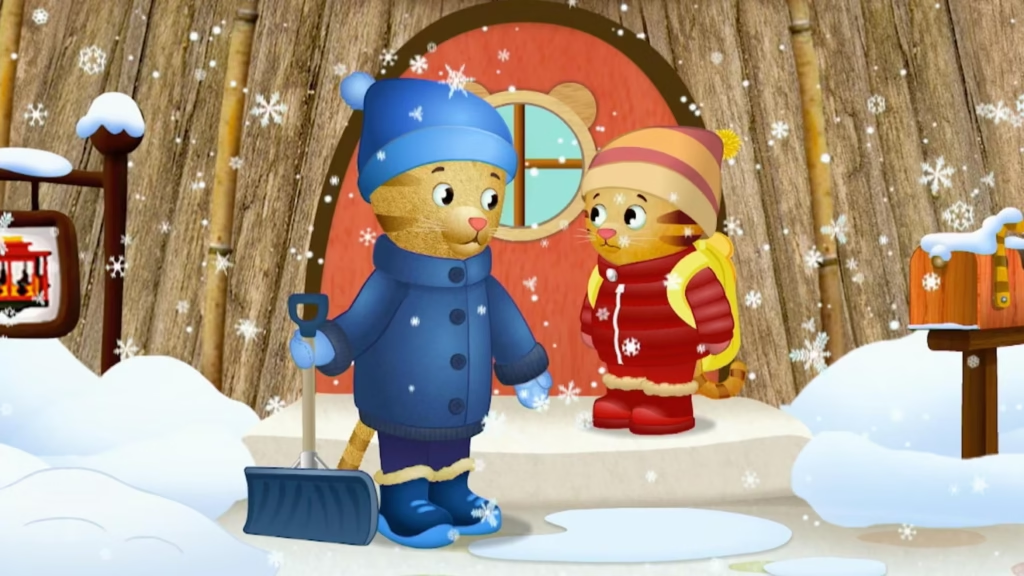
“When we do something new, let’s talk about what we’ll do. If you are going to a new place or meeting people for the first time this holiday season, it helps to talk with children in advance about what they can expect.”
This lesson is a cornerstone of Daniel Tiger’s Neighborhood, where preparation helps reduce anxiety around unfamiliar situations. My children have all loved this series and I personally like that it touches on big emotions in the same gentle manner Fred Rogers touched on big emotions.
Daniel Tiger’s Neighborhood – “Daniel Visits the Dentist” / “Daniel Goes to School”
In Daniel Visits the Dentist, Daniel is nervous because he doesn’t know what will happen once he sits in the dentist’s chair. The adults in his life walk him through each step ahead of time—meeting the dentist, opening his mouth, hearing unfamiliar sounds—so nothing feels like a surprise. Similarly, in Daniel Goes to School, Daniel struggles with separation anxiety when starting school for the first time. His parents explain what his day will look like, who will be there, and when they’ll return, giving him a clear emotional roadmap before the experience begins. These episodes work so well before the holidays because they show children that fear often comes from the unknown—and that talking through what’s coming can make big moments feel manageable.
Alma’s Way – “New Neighbors”
In this episode, Alma learns that meeting new people can feel exciting and intimidating at the same time. When new neighbors move into the community, Alma initially feels unsure about how to interact with them. Rather than pushing past those feelings, the episode shows Alma asking questions, observing first, and slowly building comfort through conversation. That mirrors holiday situations where kids meet relatives, family friends, or guests they don’t know well. The episode reinforces that children don’t need to rush into connection—curiosity and communication are enough to take the first step.
Coping When Routines Change
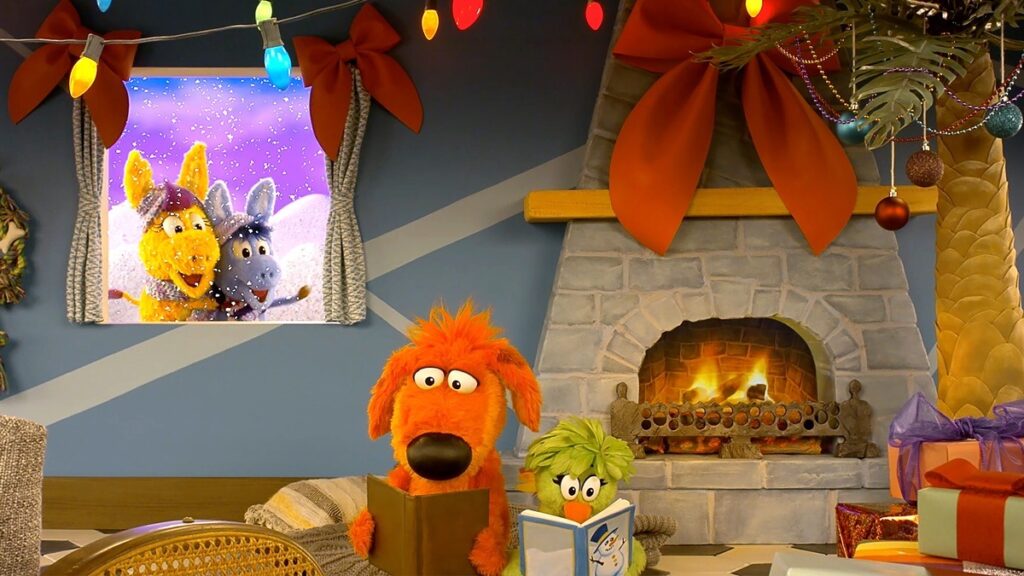
“Things may change and that’s okay, today we can do things a different way. Children often thrive when they have set routines or schedules, but the holidays can throw them off track – and sometimes unexpected disappointments can arise, too. Reinforcing this strategy with preschoolers is a great way to remind them that we can adapt and ‘go with the flow’ no matter what the holiday season brings.”
This message is reinforced throughout Fred Rogers Productions programming, especially when characters encounter unexpected changes.
Daniel Tiger’s Neighborhood – “Daniel Gets Mad”
When Daniel’s plans fall apart, he becomes overwhelmed by frustration and anger—emotions many kids feel when holiday routines change unexpectedly. The episode doesn’t minimize his feelings; instead, it shows Daniel recognizing that it’s okay to feel mad when things don’t go as planned. He learns calming strategies, like stopping and taking deep breaths, before reacting. What makes this episode resonate during the holidays is how clearly it models emotional regulation. It reminds kids—and parents—that frustration is normal, but there are tools to help move through it.
Donkey Hodie – “Cousin Hodie’s Rainy Day”
When a storm disrupts planned activities, Cousin Hodie struggles with disappointment. Rather than forcing positivity, the episode allows characters to acknowledge what they’ve lost before finding new ways to connect and play. Donkey and her friends adapt together, showing that flexibility doesn’t mean ignoring feelings—it means working through them. For families whose holiday plans are frequently interrupted by weather, illness, or last-minute changes, this episode mirrors real-world chaos and shows kids that comfort can still exist when plans shift.
Finding Comfort In Familiar Things

In Donkey Hodie, Donkey and her pals learn, “If I feel nervous about doing something new, I can find things that are familiar to help feel more comfortable.” Helping your little ones look for things that are similar to what they have or see at home can help them feel less nervous about visiting new places.
This Donkey Hodie lesson encourages children to seek comfort in what they know when facing unfamiliar environments.
Daniel Tiger’s Neighborhood – “Daniel’s Sleepover”
Daniel is excited about his sleepover but quickly becomes anxious when bedtime routines feel unfamiliar. He misses home and struggles with being away from what he knows. Through the episode, Daniel learns that bringing familiar items—like his pajamas and bedtime routine—helps him feel safe even in a new place. This episode connects directly to holiday travel and overnight stays, reminding kids that it’s okay to need pieces of home to feel secure when everything else feels new.
Donkey Hodie – “Bob Dog’s Big Feelings”
Bob Dog experiences overwhelming emotions that he doesn’t immediately know how to manage. Rather than isolating himself, he leans on familiar friends and routines to help him calm down and understand what he’s feeling. The episode emphasizes that comfort often comes from trusted relationships and known patterns. During the holidays—when kids are surrounded by noise, crowds, and stimulation—this message reassures them that grounding themselves in familiar people or activities can help ease emotional overload.
Respecting How Kids Want to Be Greeted
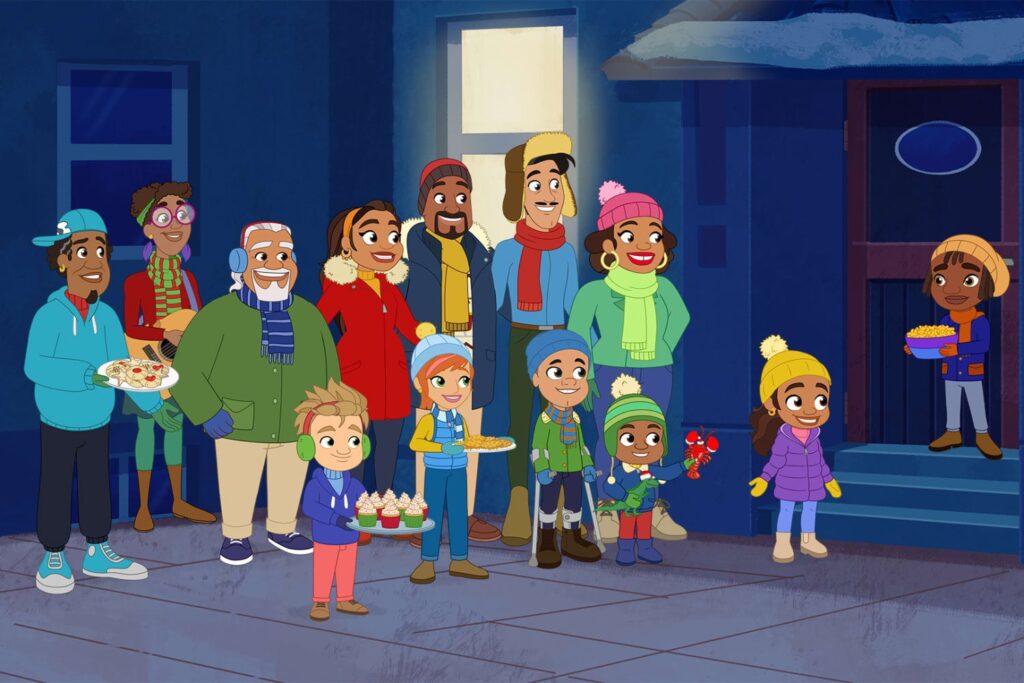
“Not everyone is ready for a big hug from relatives this holiday season, and that’s okay. In Alma’s Way, Alma learns that people may prefer to be greeted in different ways. Whether it’s a hug, high-five, wave, or smile, everyone can choose what is best for them – and this season is a perfect time to remind others how your child prefers to be greeted, too.”
Helping Kids Express Big Feelings
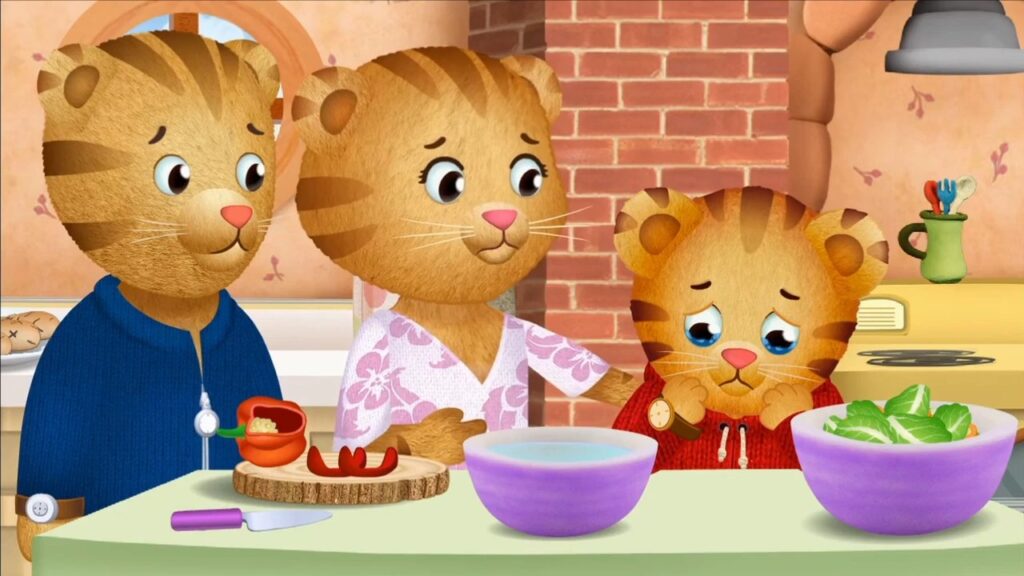
“It helps to say what you’re feeling. Many preschoolers experience ‘big feelings’ around holiday time. Encouraging them to talk about it can help validate their emotions and make them feel valued, comforted, and understood. Sometimes you feel two feelings at the same time…and that’s okay.”
Daniel Tiger’s Neighborhood – “Daniel Feels Left Out”
Daniel feels excluded when others play without him, triggering sadness alongside excitement about being around friends. The episode gently explores how kids can experience multiple emotions at once and how naming those feelings can help them feel understood. During the holidays, when kids may feel overlooked amid busy gatherings or shifting attention, this episode validates those emotions and shows that talking about them can bring relief and connection.
Alma’s Way – “Lucas Feels Left Out”
Lucas struggles when he feels excluded from group activities, and Alma helps him work through those emotions by listening and offering empathy rather than solutions. The episode highlights the importance of being seen and heard during emotionally charged moments. For children navigating crowded holiday environments, this story reinforces that feeling left out doesn’t mean something is wrong—it means they need reassurance and understanding.
Making Waiting Easier
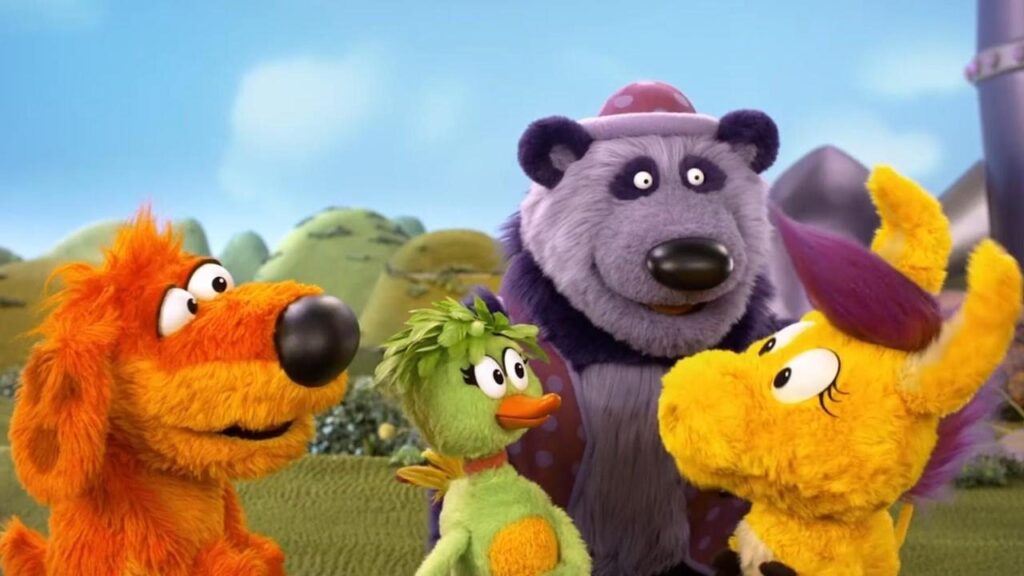
“When you wait, you can play, sing or imagine anything! Waiting can be HARD – for kids and grown-ups alike! This strategy reminds little ones that they can think of fun ways to pass the time – and maybe make it go a little faster, too!”
Daniel Tiger’s Neighborhood – “Daniel Waits for Show and Tell”
Daniel struggles to wait for his turn during show and tell and becomes visibly frustrated as other children go before him. With guidance from the adults around him, he learns to cope with waiting by singing a familiar song, using his imagination, and focusing his attention elsewhere instead of fixating on the delay. The episode clearly shows Daniel practicing these strategies in the moment, helping him stay calm until it’s finally his turn. This makes it especially relatable during the holidays, when kids are often asked to wait through long lines, travel delays, or build-up to special events.
Donkey Hodie – “The Waiting Game”
In this episode, Donkey and her friends are faced with waiting for something they’re excited about, and their impatience quickly turns into restlessness. Rather than letting frustration take over, they begin turning the waiting time into games, movement, and imaginative play, actively transforming the experience together. The episode shows how changing what you do while waiting can change how waiting feels. For children navigating long holiday delays or anticipation, it reinforces that waiting doesn’t have to be passive or miserable—it can be filled with creativity and fun.
Showing Love in Different Ways
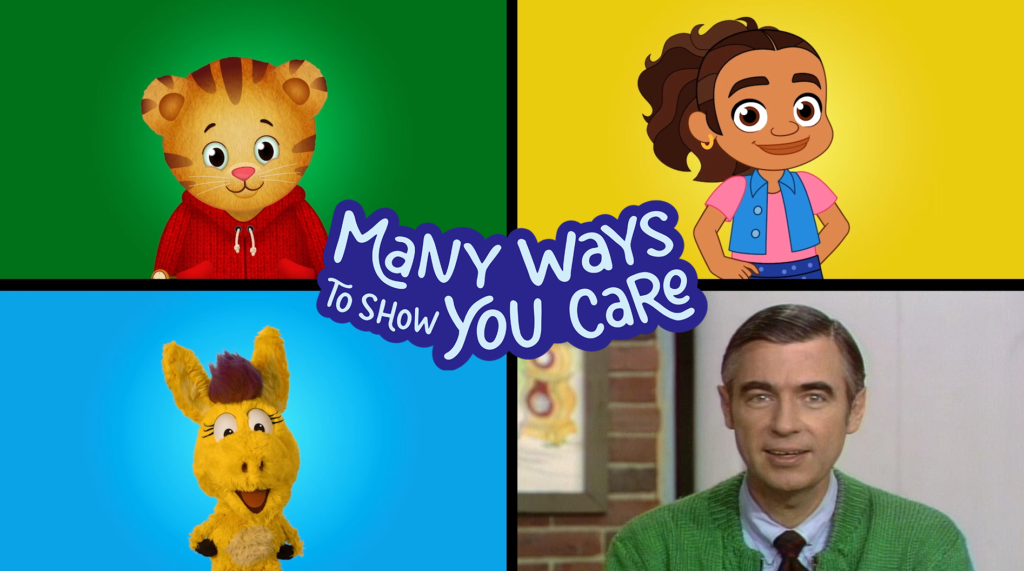
“There are many ways to say I love you.” This classic song from Mister Rogers’ Neighborhood is a great reminder to ‘neighbors’ (of all ages!) that there are lots of ways to say and show ‘I love you,’ from sharing toys and helping out in the kitchen to simply spending time together!
Daniel Tiger’s Neighborhood – “Something Special for Dad”
Daniel worries about what kind of gift will truly make his dad happy and initially feels unsure that something he makes himself will be enough. After seeing how deeply Grandpere is moved by receiving a simple, heartfelt letter, Daniel realizes that love is shown through thoughtfulness rather than money or size. He creates a personal gift for Dad Tiger, and his dad’s reaction reinforces that what matters most is the care behind the gesture. The episode works especially well during the holidays by easing the pressure kids can feel around gift-giving and reminding them that love isn’t measured by what you buy.
Mister Rogers’ Neighborhood – “There Are Many Ways to Say I Love You”
Through a gentle song and everyday examples, Mister Rogers shows children that love is expressed in many small, meaningful ways—listening, helping, spending time together, and showing kindness. Rather than focusing on gifts or big moments, the episode centers on simple acts of care that children can recognize in their own lives. During the holidays, when expectations and emotions often run high, this message helps shift attention back to connection and reassurance, reminding kids that love is present in the way people treat them every day.
Fred Rogers believed children deserve honesty, respect, and emotional safety. Through guidance like this, and through stories that continue to resonate with families at home, Fred Rogers Productions supports kids during emotionally charged moments, especially during the holidays, when feelings often run high.