

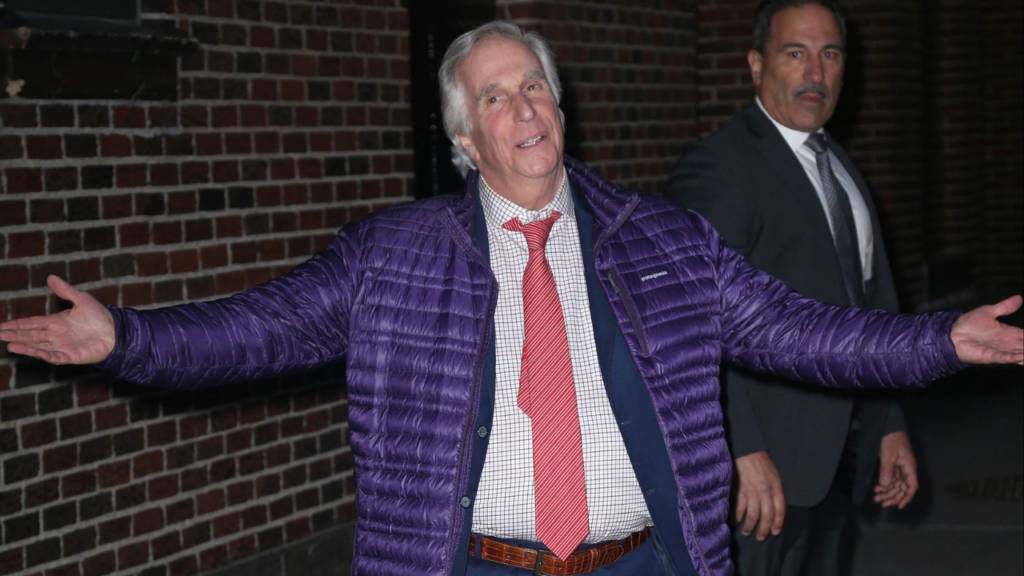
For actor Henry Winkler, childhood came with a challenge that wasn’t fully understood at the time. The beloved Happy Days star has spoken openly about growing up with dyslexia and how his experiences shaped his understanding of learning differences, offering an encouraging reminder that struggling in school doesn’t determine a child’s future.
Winkler has described school as a difficult experience because he struggled with reading and learning long before he understood why. He has recalled feeling that something was wrong with him, while his parents and teachers did not initially recognize dyslexia as the reason he was having trouble.
In a recent interview, Winkler reflected on how his parents responded to his academic difficulties. Rather than having the resources or understanding available to families today, they often interpreted his struggles through the lens of the educational expectations of the time.
Winkler’s later success demonstrates why struggling academically should never be mistaken for a lack of intelligence. His experience also highlights how important it is for parents to listen when a child repeatedly says schoolwork feels unusually difficult.
For families dealing with similar challenges, his story can be reassuring. A learning difference may require different strategies, but it doesn’t prevent children from developing their talents and succeeding.
What Is Dyslexia? Signs Parents Should Know
Dyslexia is a neurological learning disorder that primarily affects reading and language skills. According to the Cleveland Clinic, it can make it difficult to recognize and manipulate the sounds within words, connect sounds with letters and develop fluent reading skills.
Children with dyslexia may read more slowly than their classmates, have difficulty sounding out unfamiliar words or frequently confuse letters and words. Spelling, writing and remembering sequences such as the alphabet or days of the week can also be challenging.
However, dyslexia doesn’t mean a child isn’t smart or capable of learning. Child Mind Institute emphasizes that children with dyslexia often need instruction that is specifically designed to address how they learn to read rather than simply being given more of the same type of instruction.
Parents should also remember that occasional reading or spelling mistakes are normal. What matters is a persistent pattern of difficulty that seems significantly different from what would be expected for the child’s age.
What Parents Can Do If They Suspect Dyslexia
If you suspect your child may have dyslexia, start by talking with their teacher and pediatrician. Keeping track of the specific difficulties you’re seeing can help professionals determine whether further assessment or specialized support is appropriate.
Parents can also advocate for evidence-based reading instruction and appropriate accommodations at school. The International Dyslexia Association recommends that parents become informed about their child’s learning needs and work collaboratively with educators to support academic progress.
At home, make reading feel positive rather than turning it into another source of pressure. Reading aloud together, listening to audiobooks and celebrating effort can help children build confidence while they develop their skills.
Most importantly, avoid defining your child by their difficulties. Henry Winkler’s story is a powerful reminder that a child who struggles with reading today can grow into an accomplished adult when their strengths are recognized and they receive the right support.

