


Parents shopping for holiday gifts can lower the risk of toy-related injuries by running through seven quick safety checks before buying. The checks cover a toy’s age rating, small parts, magnets, batteries, cords, edges, durability and materials.
The U.S. Consumer Product Safety Commission (CPSC) said most toy injuries and deaths are associated with choking on small parts. The reminder comes days after the agency warned families about magnetic toys that violated federal standards.
1. Check the Age Rating

Parents should make sure the toy suits the child’s age and developmental stage. Packaging typically lists a recommended age range and the CPSC says to read and heed the label. The agency also advises considering the ages of everyone in the household, since toys meant for older children can harm younger siblings.
2. Watch for Small Parts

Small parts can be a choking hazard, especially for babies and young children. Consider if the toy has detachable parts or moving parts that could come out. Avoid toys that have shooting features or long strings.
3. Avoid Small Magnets and Batteries
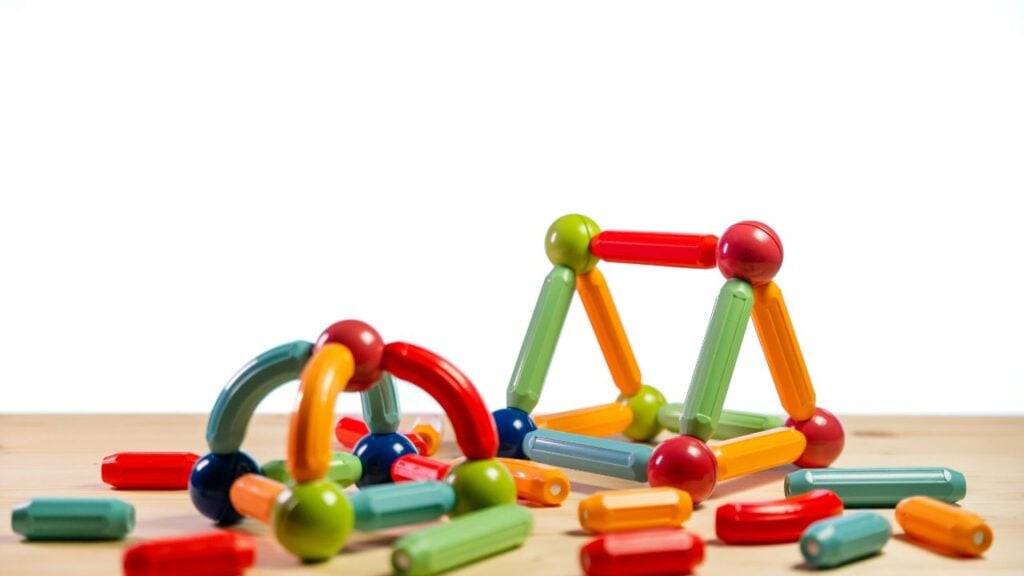
Avoid small parts such as magnets and batteries. Children may swallow them if they come out of the toy. This is a major concern for children aged 6 months to 3 years. Carefully inspect toys and avoid those with small batteries or magnets.
4. Skip Plug-In Toys for Younger Children
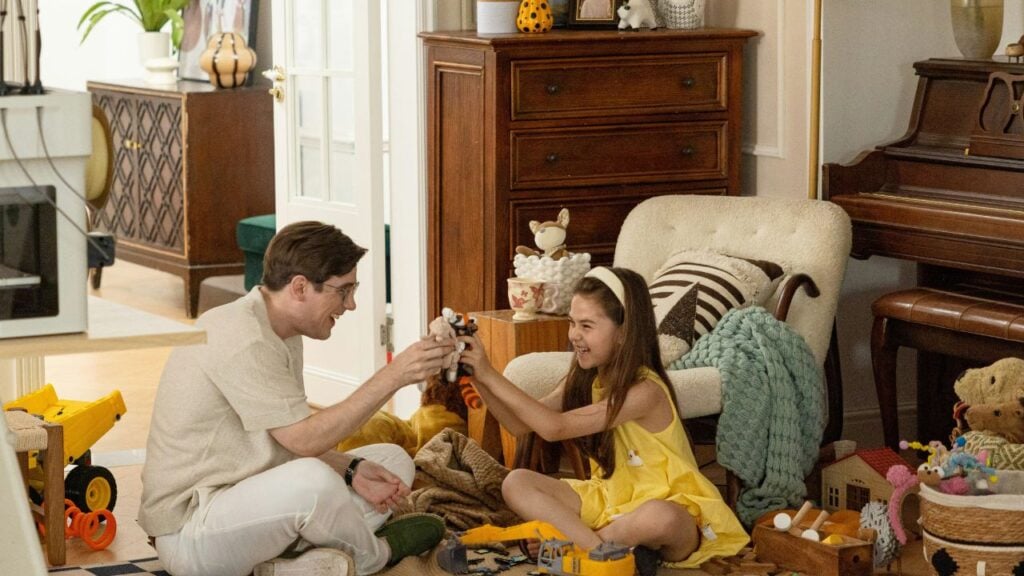
Avoid toys that require plugging in. Read the instructions to ensure they are suitable for your child. Make sure they aren’t too electrical for your child by checking the age recommendation and safety information.
5. Look for Sharp or Pointed Edges
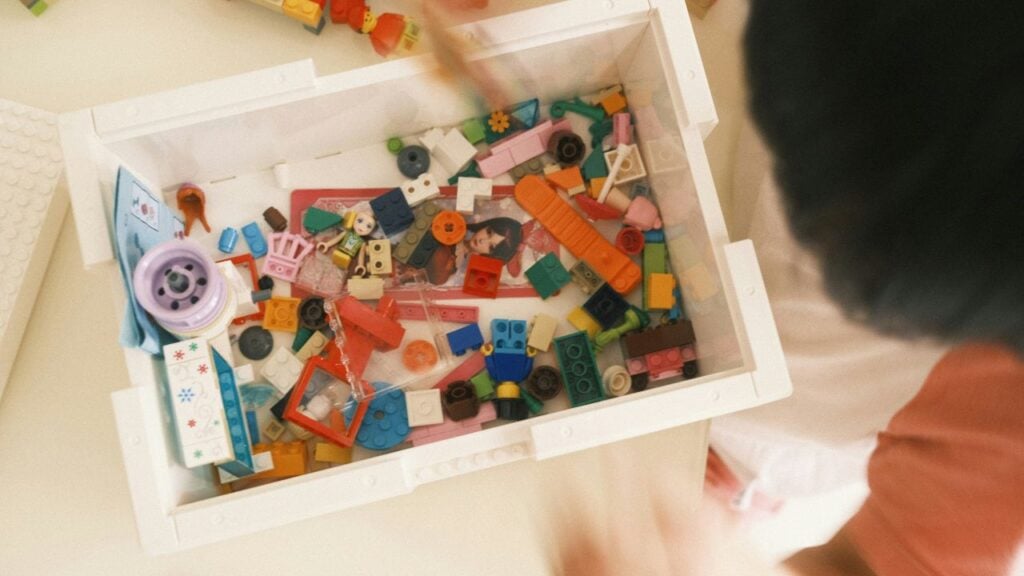
Before buying, check the toy for sharp corners, pointy parts or rough edges. This can injure your child if they get cut. Avoid toys that look poorly made or have sharp parts showing.
6. Make Sure the Toy Does Not Break Easily

Easily broken toys can be dangerous. They can break into sharp parts or small pieces which could be swallowed. Before buying, look at how well made the toy is. After using the toy, check it for cracks, loose parts or other damage.
7. Confirm the Materials Are Nontoxic
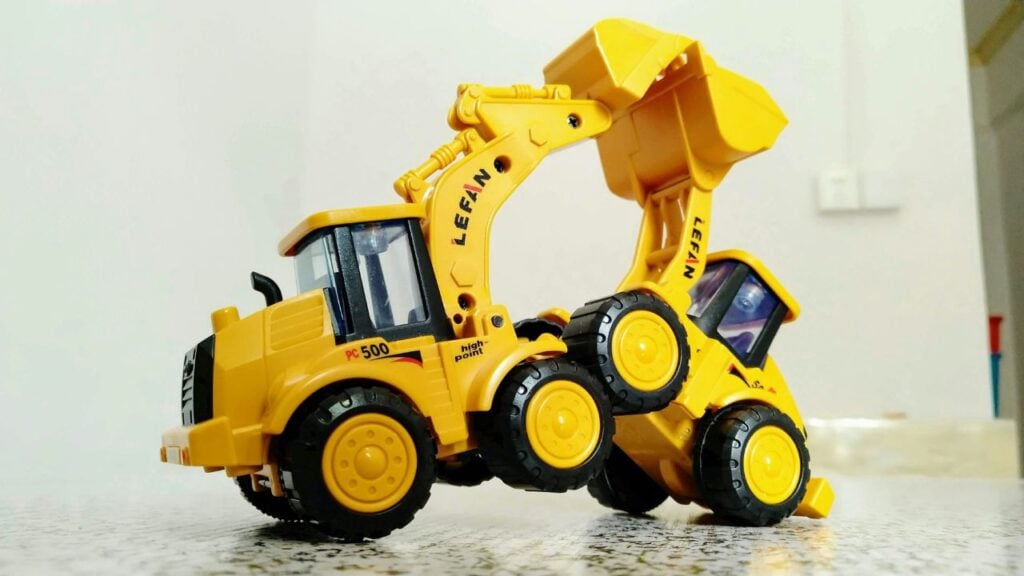
Parents should read labels to make sure art supplies, clay and other crafting materials are not harmful if accidentally swallowed. The CPSC also advises noting safety warnings, information and labels on every toy.
What Should Parents Do Once the Toys Come Home?
Even after opening the toys, keep monitoring them. Make sure they aren’t worn down and don’t have flaking paint or loose parts. A toy that was safe to buy could become dangerous after repeated use.
Before and after buying a new or used toy, parents should make sure it has not been banned or recalled. Recalls can be checked at CPSC.gov/recalls or through the agency’s free recalls app. Parents can also sign up for the agency’s email alerts. If a toy appears on the list, families should follow the instructions in the recall notice.

