

Why Hobbies Can Be Good for Kids
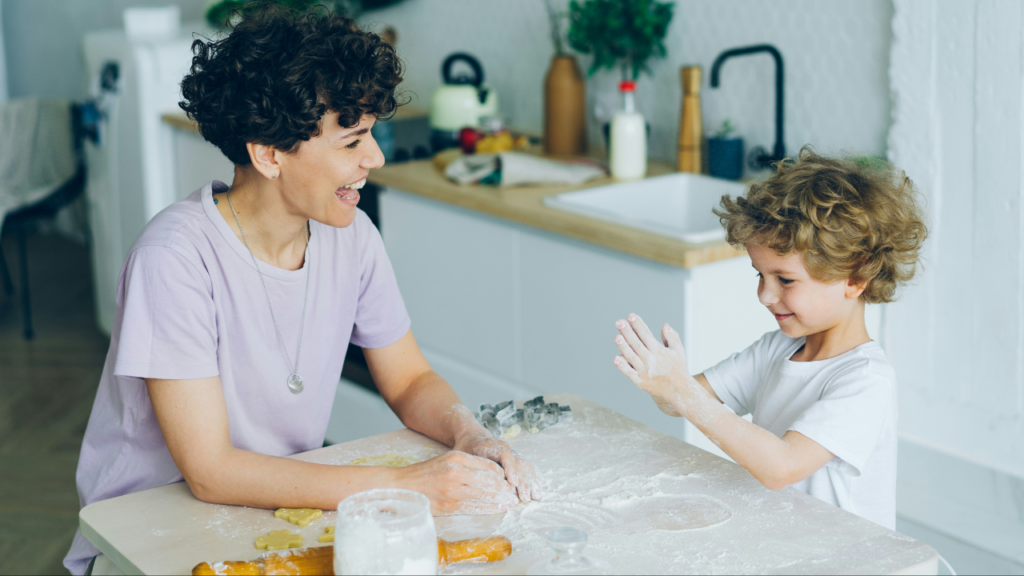
Having a hobby gives children an opportunity to spend time doing something they enjoy without the pressure of grades, competition or performance. Whether it is reading, drawing, playing an instrument, building models or playing a sport, a meaningful activity can provide children with a sense of accomplishment and something positive to look forward to.
Research highlighted by the New York Post found that children who regularly read for pleasure had associations with better cognitive function and mental health later in life. The study included more than 100,000 U.S. children, and early recreational reading was associated with fewer signs of stress, depression and behavioral problems.
The benefits may extend beyond the specific hobby itself. Engage the Brain notes that extracurricular activities have been associated with lower levels of anxiety and depression and greater life satisfaction among young adults, while success in a hobby can help build self-esteem and a sense of agency.
A hobby can also give kids a place to discover what they are good at and what they genuinely enjoy. That can be particularly meaningful for children who struggle academically, because success outside school can provide another source of confidence.
How Parents Can Encourage Kids to Find a Hobby
Parents don’t necessarily need to find a single “perfect” hobby for their child. Instead, they can pay attention to the activities and subjects that naturally capture their child’s attention, then provide opportunities to explore those interests.
Engage the Brain recommends watching what children read, watch and play because these interests can offer clues about potential hobbies. Parents can then provide low-pressure opportunities, such as trying an art class, renting an instrument or watching a sports practice before committing to lessons.
Parents can also share their own interests with their children. Explaining why you enjoy gardening, photography, cooking, woodworking or another activity can introduce children to possibilities they might not encounter otherwise.
The key is to keep the focus on enjoyment rather than achievement. A hobby doesn’t need to become a competition, résumé item or future career; it can simply be something a child loves doing.
Helping Kids Discover a Hobby They’ll Love
Children may need to try several activities before finding something that sticks. Parents can enjoy the process as “discovery, not assignment,” allowing children to experiment with different interests without making every activity a commitment.
Parents can start by observing how their children already play. A child who constantly builds things might enjoy construction or model-making, while a child who draws everywhere might want to try painting, illustration or comics.
It’s also important to let children change their minds. Interests, friendships, schedules and abilities develop as children grow, so moving from one hobby to another can be part of figuring out what genuinely makes them happy.
Ultimately, parents don’t need to choose a hobby for their child. They can create opportunities, offer encouragement and give kids enough freedom to discover their own passions, helping them develop interests that provide enjoyment, confidence and a healthy break from everyday pressures.

