


Children today are navigating a world packed with academic demands, social pressures, and an unsettling news cycle, and experts say many parents are missing the quieter signals that their kids are struggling.
Recognizing those signals early, before stress hardens into something more serious, could be one of the most important things a caregiver does.
May is Children’s Mental Health Awareness Month, and this year the conversation feels especially urgent. Against that backdrop, experts consulted by Parents magazine identified distinct warning signs of stress spanning children, tweens, and teens, noting that anxiety, school challenges, and frightening current events are among the key forces driving that stress higher.
Stress Does Not Always Look The Way You Expect
One of the most important things parents can understand is that a stressed child rarely announces it directly.
According to Boys Town Nevada experts, stress in children and teens does not always look like anxeity or sadness. It can show up as irritability, a sudden dislike of school, or a child who simply goes quiet and pulls away from the people they love.
The way stress presents also shifts depending on a child’s age, personality, and environment, which means there is no single checklist that fits every kid.
Some of the most commonly overlooked stress signals are physical ones. Frequent headaches, stomachaches, and persistent fatigue that have no clear medical explanation are well-documented responses to emotional overload.
When a child’s mind is under sustained pressure, the body often absorbs that strain, producing real discomfort that is easy to misread as a minor illness.
Boys Town Nevada recommends that parents treat recurring physical complaints, especially when paired with other behavioral changes, as a reason to look deeper rather than simply reaching for a remedy.
Academic Burnout: A Quieter, Slower Threat
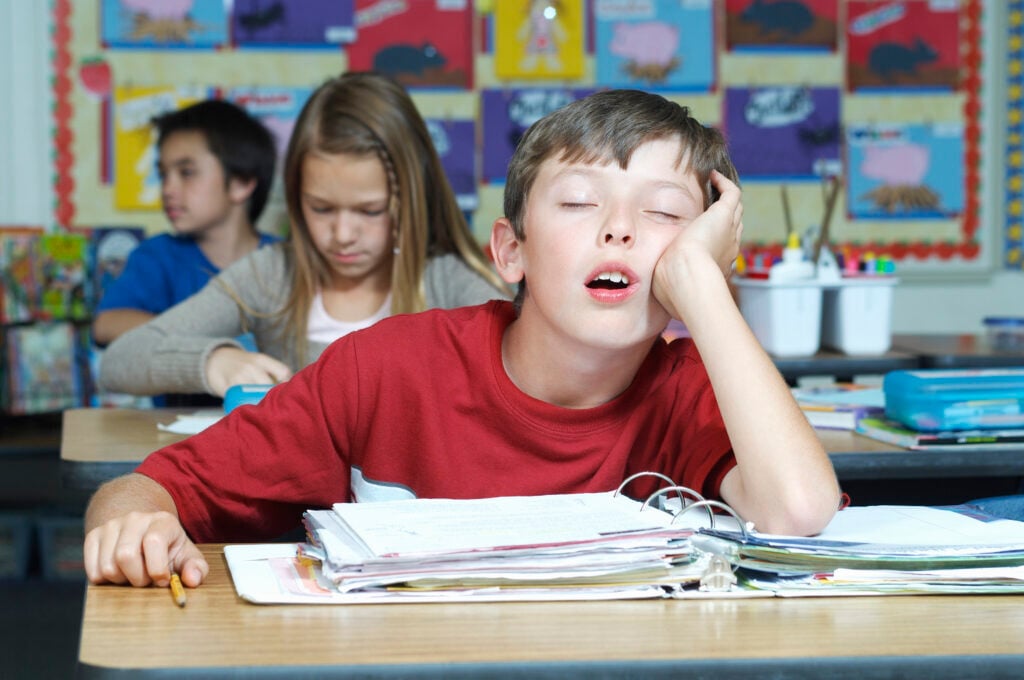
Beyond general stress, child development experts are increasingly concerned about a specific condition: academic burnout.
Once considered an adult workplace problem, burnout is now showing up in school-age children with growing frequency. According to reporting by the Times of India, burnout often develops quietly, and sometimes parents overlook the early warning signs until the child begins to struggle significantly.
By the time the struggle becomes visible, the child’s confidence, emotional well-being, and relationship with learning may already be eroding.
A child experiencing academic burnout may stop caring about subjects they once found exciting, not because they are lazy, but because sustained pressure has made learning feel like a burden.
Parents may also notice avoidance behaviors around schoolwork, changes in sleep patterns driven by overthinking, and a gradual shift in how the child talks about themselves.
Negative self-talk and expressions of hopelessness about their own abilities are worth taking seriously, because they can signal that a child has begun to lose faith in themselves.
Behavioral And Emotional Red Flags To Watch For
Across all age groups, experts point to a consistent cluster of behavioral warning signs. These include:
- Increased irritability or emotional outbursts over minor issues
- Withdrawal from family, friends, or activities the child previously enjoyed
- A new or intensifying reluctance to attend school, participate in sports, or engage socially
- Shifts in how much a child eats, how well they concentrate, or how motivated they seem
- Trouble falling or staying asleep, or sleeping far more than usual
- Frequent negative self-talk or expressions of hopelessness about their abilities
- Shutting down emotionally or becoming unusually clingy
The key, according to Boys Town Nevada, is not to panic over a single rough day. Every child has hard days.
The concern arises when these behaviors form a pattern, repeating across days or weeks and cutting across multiple areas of a child’s life at once.
Experts consulted by Parents magazine similarly emphasize that the sheer variety of ways stress can manifest means parents need to stay attuned to changes in mood, body, and behavior together, rather than treating any one sign in isolation.
If you are noticing that your child seems consistently off, that consistency is itself a signal worth acting on. For more on how the language you use at home can either help or hurt a struggling child, our guide on phrases therapists say parents should stop using is a useful companion read.
How To Talk To Your Child About Stress
When parents do notice warning signs, the first step is conversation, not correction. Boys Town Nevada advises starting with calm, simple check-ins that give children room to share without worrying about being judged or dismissed.
The goal is to make the child feel heard, not interrogated. Asking open-ended questions, sitting alongside them rather than across from them, and resisting the urge to immediately problem-solve can all help a child feel safe enough to open up.
At home, small structural changes can also reduce the pressure children feel. Prioritizing consistent sleep schedules, balanced meals, and genuine downtime, time that is not scheduled or screen-based, gives a child’s nervous system a chance to recover.
Praising effort rather than outcomes helps rebuild confidence in children who have started to doubt themselves. And reminding children that mistakes are a normal, expected part of growing up can counteract the negative self-talk that often accompanies burnout.
Our article on teaching responsibility without parentification also touches on how to support children emotionally without inadvertently adding to their burden.
When To Bring In A Professional
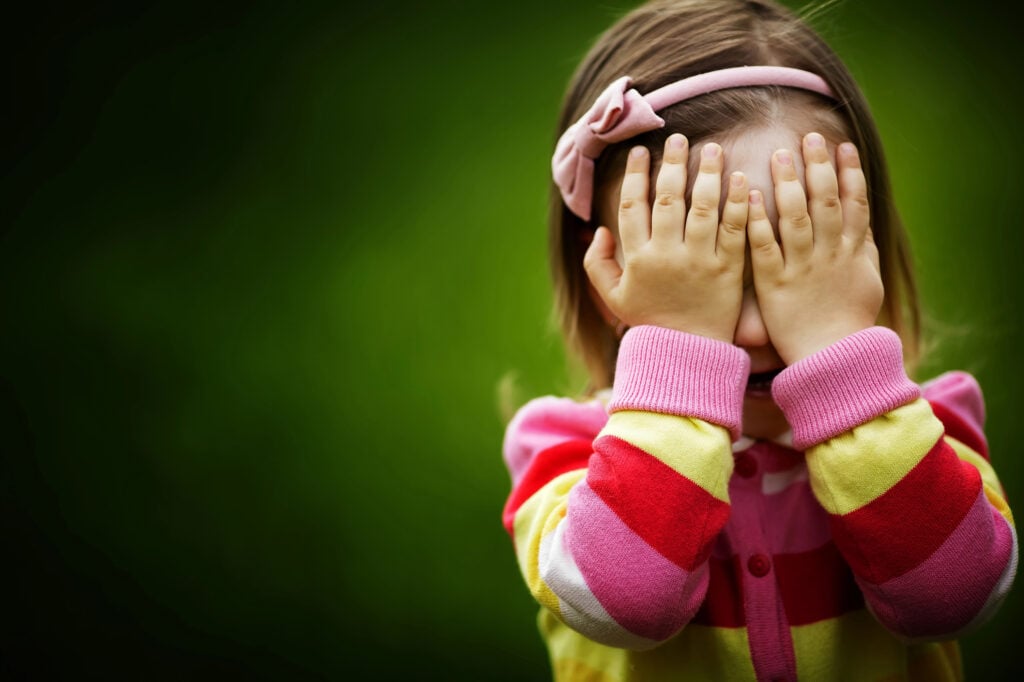
Not every case of child stress requires professional intervention, but some do. If warning signs persist for several weeks, intensify over time, or begin to interfere with a child’s ability to function at school or at home, experts recommend reaching out to a pediatrician, a licensed mental health provider, or another trusted professional.
Boys Town Nevada specifically encourages families not to wait until a crisis point before seeking guidance. Early support, whether through a school counselor, a child psychologist, or a family therapist, tends to produce better outcomes than intervention that comes after a child has already disengaged significantly.
What stands out across all of this expert guidance is how consistently adults underestimate the weight children are carrying.
Academic pressure, social comparison, and a world that feels increasingly unpredictable are not small stressors for developing minds.
Parents who learn to read the quieter signals, the stomachache before school, the sudden silence at dinner, the child who used to love reading and now won’t open a book, are in a far better position to intervene before stress becomes something harder to treat.
The earlier families act, the more options they have.

