

Picture a seven-year-old in a dinosaur costume at the end of a driveway. While their friends go door to door, their bucket remains empty. This is because they have an allergy to peanuts, and any candy bowl in the neighborhood could cause problems for them.
The Teal Pumpkin Project exists to change that scene. You put a teal pumpkin on your porch. You hand out treats that aren’t food. A kid who sat out idle last year gets to knock on your door this year. Halloween is a few days away, you’ve got time.
What the Project Actually Is
A local food allergy group from Tennessee started it in 2012. Food Allergy Research & Education (FARE) later took it national. It now reaches all 50 states and a few other countries.
A house displaying a teal-colored pumpkin on Halloween indicates that something other than candy will be present. This can either supplement the candy or replace it. Since teal is the color associated with food allergy awareness, the pumpkin serves as subtle advocacy as well.
Why Parents Should Care
One in every 13 children in the U.S. suffers from some form of food allergy. It means that there may be one or two children in a classroom who suffer from a food allergy. Many foods eaten during Halloween celebrations are made up of milk, peanuts, tree nuts, soy, wheat and eggs. Consumption of even a small amount of the allergen causes a severe reaction.
So families make trade-offs. Some skip trick-or-treating. Some go out but won’t allow their kids to eat anything from the bucket, which means swapping the complete haul at home. This doesn’t feel like a real Halloween to a child.
Step 1: Get Your Pumpkin
Purchase a teal pumpkin or paint a real pumpkin with craft paint acrylics. A plastic pumpkin is also available at craft stores. In addition to this, you can get a printout of a teal pumpkin sign and hang it on your front door. You should remember to dry your painted pumpkin completely before placing it outside because paint may stain your clothes.
Step 2: Choose Safe Treats
Make sure the treats are small, fun and simple. Some examples include stickers, pencils, bouncing balls, glow sticks, bubbles and spider rings. Miniature notepads also make a good treat. Children seem to like small treats that most adults do not notice. Choose a variety that would appeal to toddlers as well as children aged about 10 years.
Look at the labels regardless. Avoid modeling dough, because many of them have wheat in their composition. Be careful about using latex balloons, as they may cause allergic reactions in children with latex allergy.
Step 3: Keep the Bowls Separate
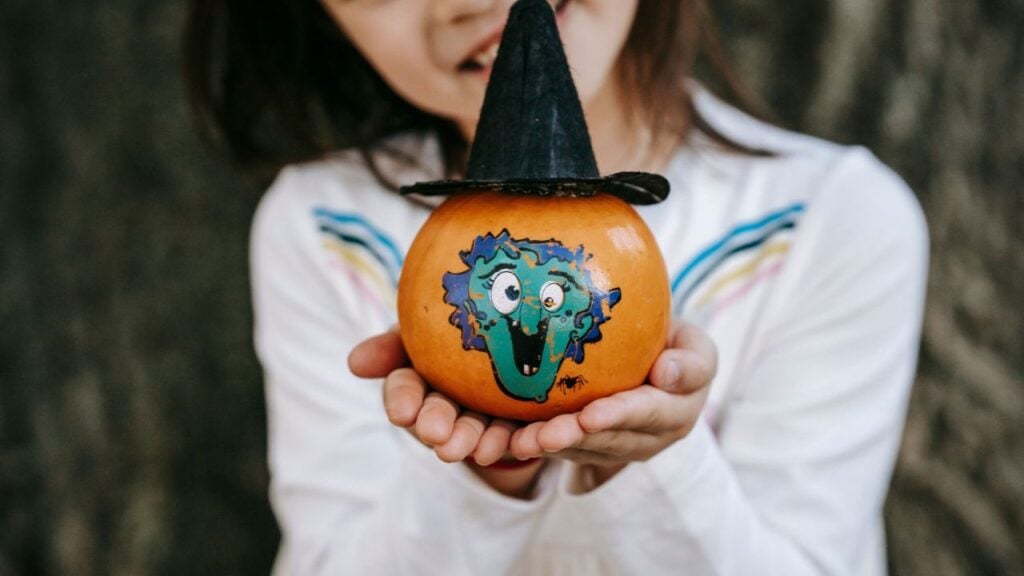
If you hand out candy too, use two bowls. Label the non-food one. Don’t let the two mix, and don’t scoop from one with a hand that just touched the other. Cross-contact is how a safe treat becomes an unsafe one. Even better, place the non-food bowl in a different spot, like on a small table by the door.
Step 4: Put Yourself on the Map
Food Allergy Research & Education provides an online Teal Pumpkin Project map. Add your location so people can plan their route before going out. In 2024, the map listed over 12,500 locations.
Step 5: Spread the Word
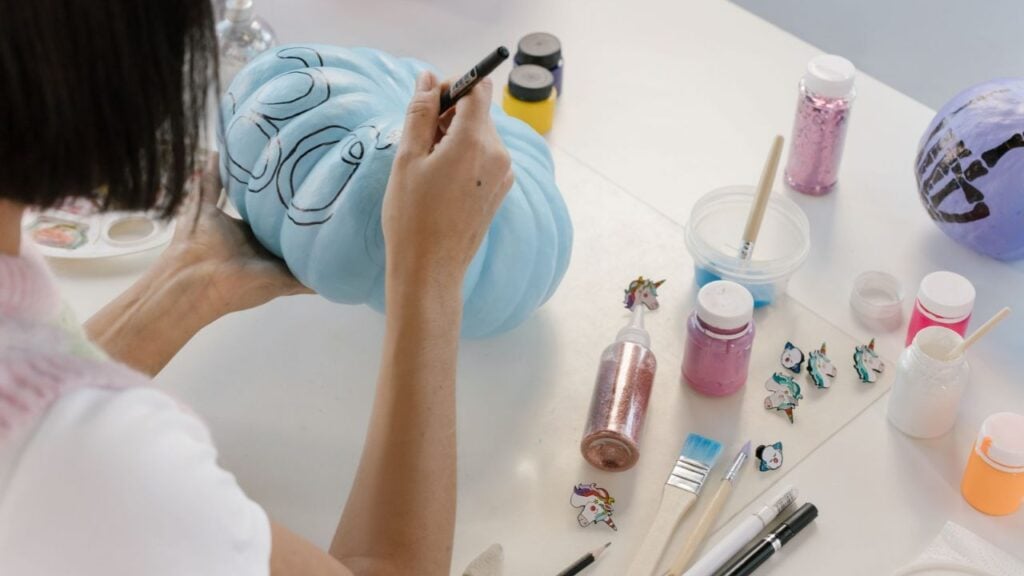
A teal pumpkin on its own only helps people who notice it. Tell your neighbors. Drop a line in the street or building group chat. Add a note to your sign that says “non-food treats here.” FARE also offers a free flyer you can print and pass around.
Talk to your own kids too. Explain that some friends can’t eat most candy and that it has nothing to do with being picky. A kid who gets that won’t tease the child with the teal bucket.
What Can You Do if Your Own Child has Allergies?
Give them a teal bucket. It signals to other families that your child should get non-food items only. Check the map before you go out and start your route with teal pumpkin houses. Follow your allergist’s strategy and carry epinephrine if it is prescribed to you.
Read every label on anything edible before it goes near your child’s mouth. Sort the haul at home. Start small, you don’t need a perfect setup.

