

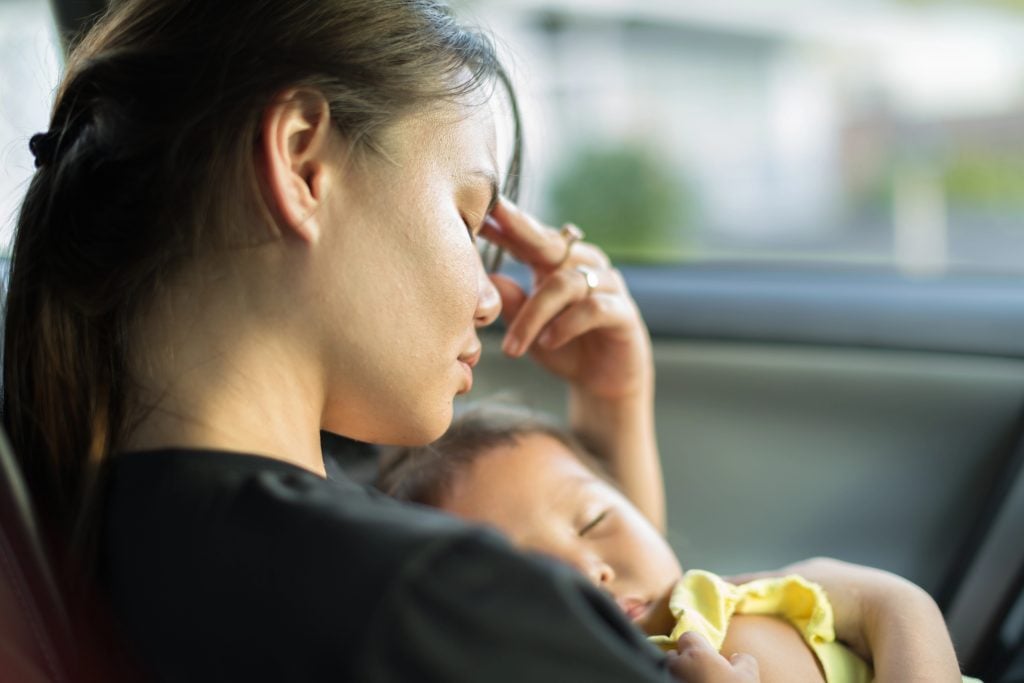
Your friends on Facebook have all posted to tell you how cute the new baby is and invite you to reach out if you need anything. Your doctor gave you a pamphlet about post-partum depression. The nice nurse told you, on your way out of the hospital, to make sure to take care of yourself, too.
Despite all of that, in the days and weeks after bringing your baby home, maybe you notice that you’re feeling irrationally irritable and angry, or you are more panicky about taking the baby out in public than is reasonably warranted, or that you can’t stop crying. Despite everything that you’ve been told, you can’t imagine asking anyone for help.
You’re not alone. A recent report shows that many new moms and dads struggle emotionally and don’t feel they have the support they need.
Screening For Mental Health Struggles Is Iffy At Best

The Nested Institute for Families, an organization devoted to promoting public policies that support families, conducted an in-depth survey of parents to learn about postpartum experiences, particularly regarding mental health screening and support.
What they found is concerning, but for many parents, it won’t be too surprising.
Of those parents who developed a Perinatal Mood and Anxiety Disorder (PMAD), such as anxiety, depression, or new OCD symptoms, 40% say they were never screened for these symptoms. The study seems to have uncovered a root cause, too: fewer than a quarter of providers interviewed said that they felt comfortable speaking to patients about mental health.
Even when patients were screened, almost half (48%) said that they were afraid to answer honestly, because they feared being judged or losing custody of their babies.
Mental Health Can Be A Scary Conversation, Even At Home
Sharing mental health struggles is hard, and not only when speaking with a medical professional.
Only about 1 in 5 parents (22%) reported feeling able to discuss their struggles with their partner. This is understandable, too, especially since respondents also reported experiencing a ripple effect. When one partner experienced higher stress levels, it put more strain on the rest of the household, leaving everyone with unmet support needs.
Even if a new parent decides they’re ready to talk about mental health, the next struggle is accessing it.
Most mental health programs, like many other medical providers, currently have long wait lists, and the only things available quickly might be a crisis hotline or inpatient care. That can leave folks with the message that if their need hasn’t reached a crisis level, they might as well handle it on their own.
NICU Parents & Dads Can Be Hit Hard
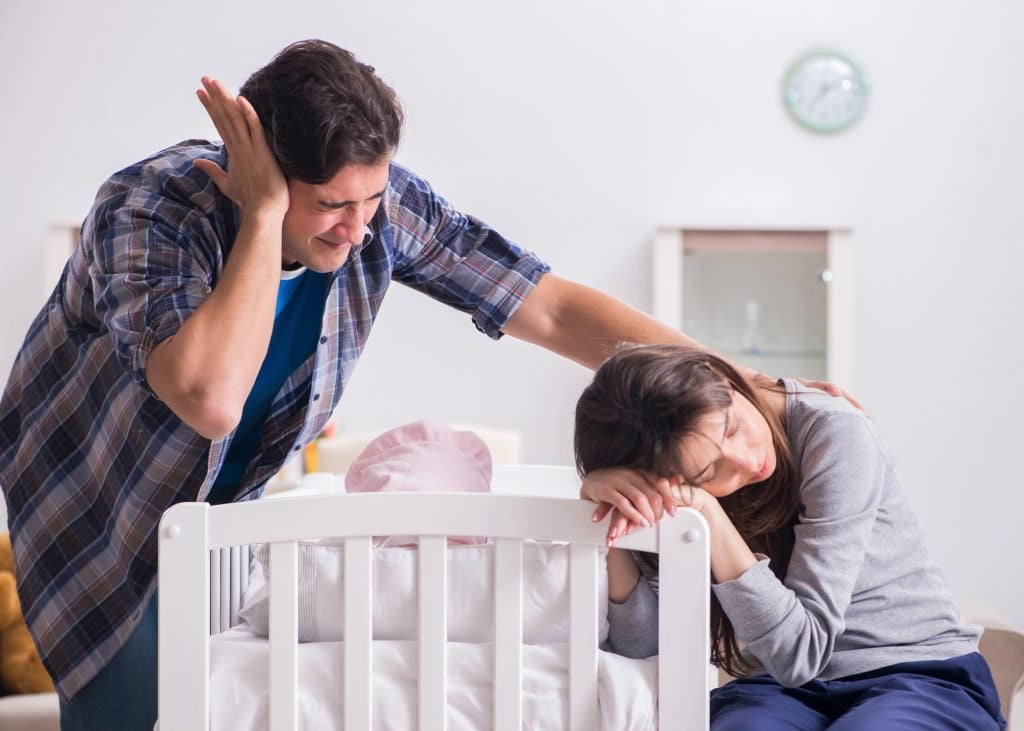
Parents who have a baby in the NICU were found to be 73.5% more likely to develop a PMAD than those whose babies were ready to come home shortly after birth. These parents were more likely to report seeking out support groups or family support.
Meanwhile, the parent who doesn’t give birth can have an even harder time accessing mental health support. Dads and other parents who didn’t birth their babies were almost guaranteed to be overlooked.
“98% of non-birthing caregivers (including fathers, adoptive parents, and same-sex partners) were never screened for PMADs, despite many reporting symptoms.”
While post-birth hormones can certainly be a factor in PMADs, it’s pretty clear that one doesn’t have to go through pregnancy and labor to have mental health changes after bringing home a baby.
What Could Help?
Nested is advocating for supportive programs like paid leave, which their stats show can really help.
They found that parents with 12 weeks or more of paid leave were 80% less likely to leave their jobs, and almost all (87.5%) who did leave reported wishing they’d had more paid leave.
Nested also recommends allowing grandparents paid leave, noting that parents who had the support of extended family were significantly less likely to suffer PMADs.
They’re also advocating for more mental health services, including better access to telehealth.
What Can Parents Do?
If your mental health is affected after your baby is born, please know that you are not alone. You haven’t failed, you’re not a bad parent, and whatever other ugly things your brain is telling you about yourself, they’re not true either.
These are normal and common responses, and may be largely due to a society where parents are pushed back into the workplace so quickly after their babies are born, and where support systems are failing.
Don’t be afraid to talk to your doctor about your needs, and know that you deserve support and help.
You can also support legislation and policies that help support families, and let your legislators know that these matters matter to you.
