

Decoding the Right Time for the Front Seat
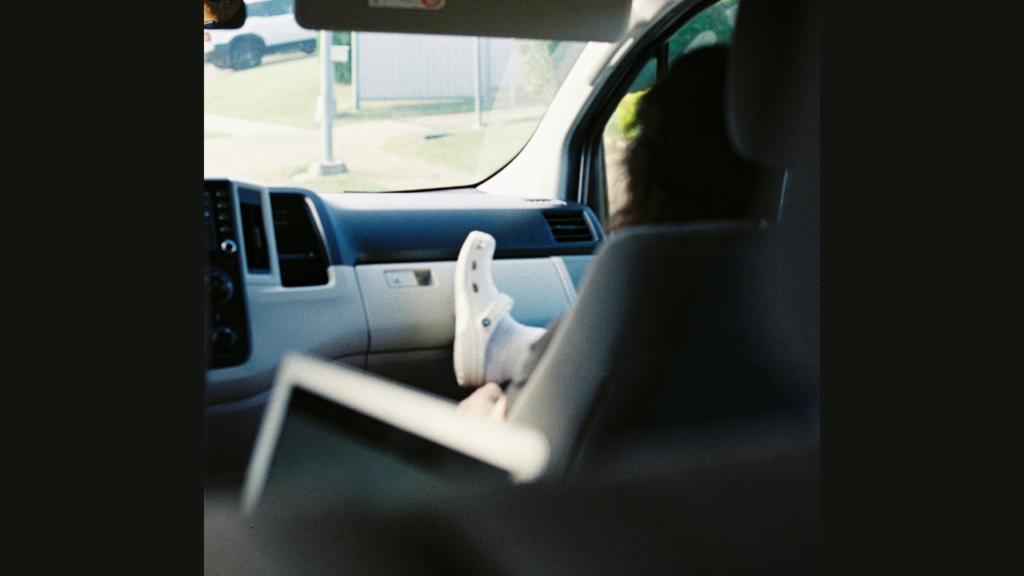
Determining when a child is ready to move from the back seat to the front passenger seat often leaves parents feeling confused and overwhelmed. Many caregivers struggle to balance a child’s eagerness for independence with strict safety guidelines and proper physical development. To navigate this decision, parents must evaluate more than just their child’s eagerness or peer milestones.
Safety experts recommend that children remain in the back seat until the vehicle’s adult seat belt fits them correctly across the shoulder and hips. According to clinical guidance from Johns Hopkins Medicine, experts emphasize that “all children younger than 13 should ride in the back seat.”
Evaluating physical growth alongside emotional maturity ensures that children do not make the transition prematurely. Taking the time to verify fit and vehicle safety features helps caregivers make confident choices.
What the Data and Safety Statistics Reveal
Statistical research consistently highlights why the back seat remains the safest location for developing bodies. Front-seat passenger air bags deploy at speeds of up to 200 miles per hour, posing severe danger to smaller frames and lighter bones. Detailed clinical studies demonstrate that children seated in the rear have a significantly lower risk of injury during head-on collisions.
Research analyzed by the National Institutes of Health shows that placing children in the back seat reduces the risk of fatal injury by up to 40%. The physical impact of inflating air bags can cause severe head, neck, and chest trauma to pre-teens.
These statistics underscore that waiting for proper bone growth and height development is critical for passenger protection. Prioritizing rear-seat safety dramatically decreases potential accident risks.
Navigating Varying Regional Laws and Regulations
Understanding front-seat laws can prove challenging because legal requirements differ substantially across jurisdictions. In the United States, child passenger safety laws vary by state, with some enforcing mandatory back-seat age limits while others rely on general restraint statutes. Data from the Insurance Institute for Highway Safety (IIHS) highlights that child restraint laws and seat belt requirements differ across all 50 states.
Canadian regulations similarly reflect regional differences across provinces and territories. Transport Canada recommends keeping children in the rear until age 13, but local enforcement laws fluctuate. Canadian automotive experts note that “while Transport Canada recommends that children should not sit in the front until the age of 13, some provinces allow children above the age of 12 to sit at the front.”
Caregivers must familiarize themselves with local traffic laws whenever traveling across state or provincial borders. Adhering to the strictest safety guidelines ensures your child stays protected regardless of regional legal variations.

