


Connecticut parents and advocates are renewing calls for cameras in special education classrooms after a school employee allegedly slapped a nonverbal autistic student.
Per CT Insider, the incident has raised questions about how schools document student injuries and address parents’ concerns.
Rosa Scott, whose son Jace attends John C. Daniels School in New Haven, believes classroom footage could have helped establish what happened.
School Employee Faces Charges After Reported Incident
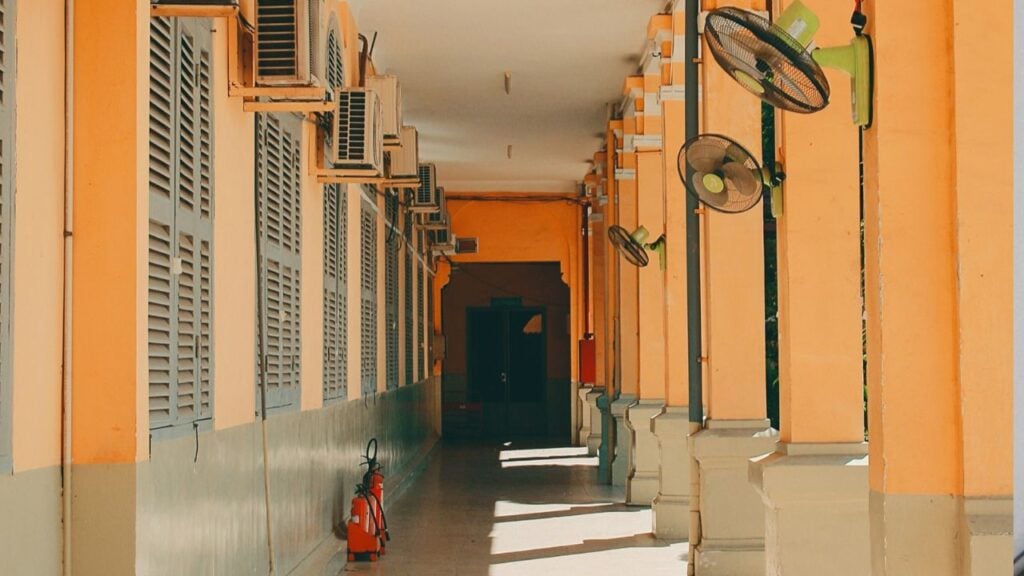
The incident occurred on June 10, 2026, when paraeducator Chevonne Boone allegedly slapped Jace after he kicked over another student’s toy blocks.
Per a New Haven police report, another classroom employee claimed to have witnessed the incident.
Boone denied striking the child and maintained that she “only swatted her hand.”
An officer initially reported seeing no visible mark but later observed “some redness” in a photograph taken shortly after the incident.
Boone was arrested on charges of risk of injury to a minor, third-degree assault and second-degree breach of peace. Her case remains pending and the school district confirmed she is no longer employed there.
Parents Seek Answers Through Classroom Cameras
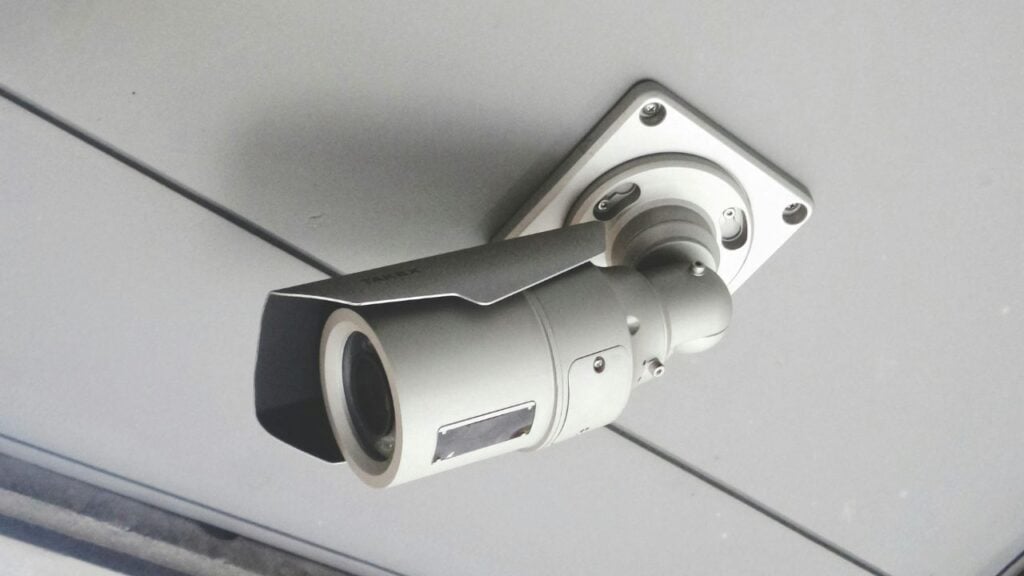
Scott believes recordings could help resolve disputes involving children who cannot easily communicate their experiences.
“There would’ve been a clear video of what happened. There wouldn’t be a question of what or if something happened if there was a video,” she said.
Other Connecticut parents have expressed similar concerns. Jennifer Northrop reported that her nonverbal autistic son returned from Carrington Elementary School with scratches and bruises.
However, Waterbury school officials maintained that reports involving the school were unsubstantiated.

Another New Haven parent, Mayra Mercado, also supported classroom monitoring, citing concerns about resources available to special education students.
“The bottom line on this whole situation is (school districts) lack the resources. Because they lack the resources, I feel that the cameras need to be in place,” Mercado said.
The concerns have also reached state lawmakers.
A Connecticut proposal introduced in 2025 would have allowed video monitoring in special education classrooms. The bill failed to advance, but Republican State Rep. Greg Howard indicated he intends to pursue similar legislation.
Other States Have Different Classroom Camera Rules
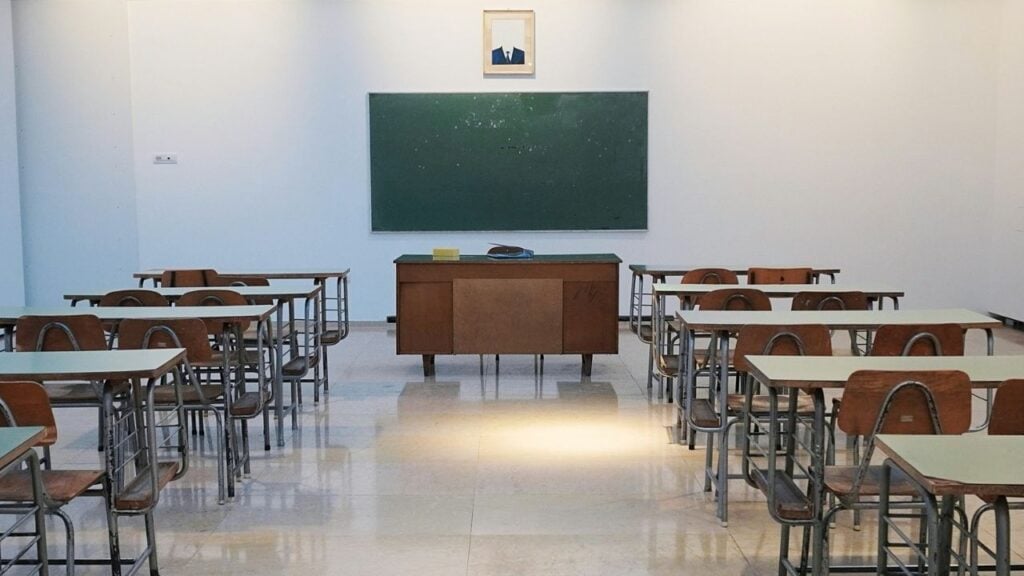
Some states have already established requirements for monitoring certain special education settings.
Texas law requires schools to install cameras in qualifying classrooms following authorized requests. Louisiana also mandates monitoring in designated special education settings.
Advocates argue that recordings could help schools investigate complaints and review whether students receive services outlined in their Individualized Education Programs.
However, some educators question whether additional surveillance is necessary.
Greenwich special education teacher Joy Colon warned that recordings could compromise confidentiality and lead to misinterpretation of classroom interactions, per the local outlet.
“In my district, my classes, we’re monitored by different administration, special education supervisors, state and federal regulations, professional licensure, legal compliance — there’s a lot of things at play,” Colon said.
The federal Family Educational Rights and Privacy Act also governs access to recordings that qualify as student education records. Parents may inspect certain footage involving their children, although privacy protections apply when other students appear.

