

If you have a teen, tween, or preteen in school, you’ve probably had at least one morning disagreement over their clothing choices.
With one kid, it might be wanting to wear the same pants as yesterday, because they’re the only ones he deems comfortable this week. With another, it might be an argument about picking clothes that match or are weather-appropriate. Another kid’s tastes might just be much more in the “grunge” realm than parents can tolerate.
Where’s the line? Should you require your kids to dress nicely, or accept their choices?
Are Pajama Pants A Problem?
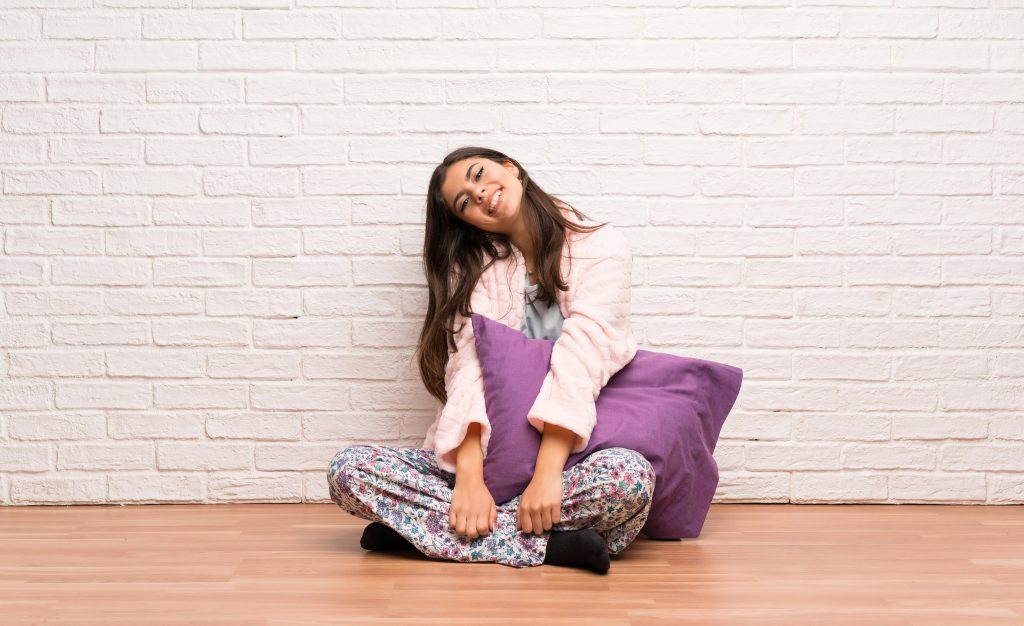
One parent turned to Reddit this week to determine whether her position on pajama pants was in line with the rules other parents are setting for their kids. This parent said their 11-year-old daughter wants to wear pajama pants to school, but the parent feels they’re not for leaving the house, and the kid could wear comfortable sweatpants instead.
As you might expect, the responses varied widely. Some parents figure it’s no big deal.
As long as it’s within dress code, I’ll allow it. They want to have some autonomy and this is an easy way to give them some. It’s not hurting anyone. Someday they may look back on pictures and cringe, but can’t we all?
Others say it’s inappropriate.
PJs are not appropriate to wear to school. Going to school is like going to work which means learning the appropriate apparel to wear. PJs are for bed. I’m not saying they need to dress in a suit or something, a clean pair of pants, a t-shirt and a hoodie will do. They will still be as comfy as with a PJ.
Some parents shrugged off pajama pants as “better than booty shorts,” while others decried them as “trashy.”
Some folks say parents should pick their battles, while others maintain that this is one of the battles that absolutely must be fought.
What’s the right answer? How can parents settle on a ‘correct’ way to handle this and other teen/tween wardrobe issues?
Start With The Dress Code
School dress codes are notorious for targeting girls, and RAINN (an organization that helps victims of abuse and exploitation) warns that severe dress codes interfere with autonomy and can “tell young people that their comfort is not a priority, and their bodies are not fully their own.”
For this reason, parents should consider the dress code first and be ready to support our kids against any actual injustice or unfairness.
Outside that, though, the school’s rules are a good guide for whether certain clothing (like pajama pants, ripped jeans, and that one band t-shirt that really makes you cringe) is permissible.
If the school system is okay with kids showing up in pajama pants, it becomes a lot harder to argue that they’re doing any tangible harm.
What About The Weather?
What about that kid who insists on wearing shorts and no coat to school, even when it’s below freezing?
This isn’t a debate about fashion or style. This one is about your child’s health and well-being. Teenagers may experience temperature differently from adults, especially when they’re active outdoors, but they can still suffer negative effects from not protecting their bodies.
Each parent will have to pause and determine whether there’s just a difference in preference or whether your child is genuinely harming himself.
There may be room for compromise, such as allowing layered clothing if your child insists he hates coats, having a hoodie in the backpack, or pairing knee socks or leggings with shorts to maximize skin coverage, but ultimately, parents (especially in cooler climates) may determine that this is an issue on which it’s necessary to set a firm rule.
Dressing For Success
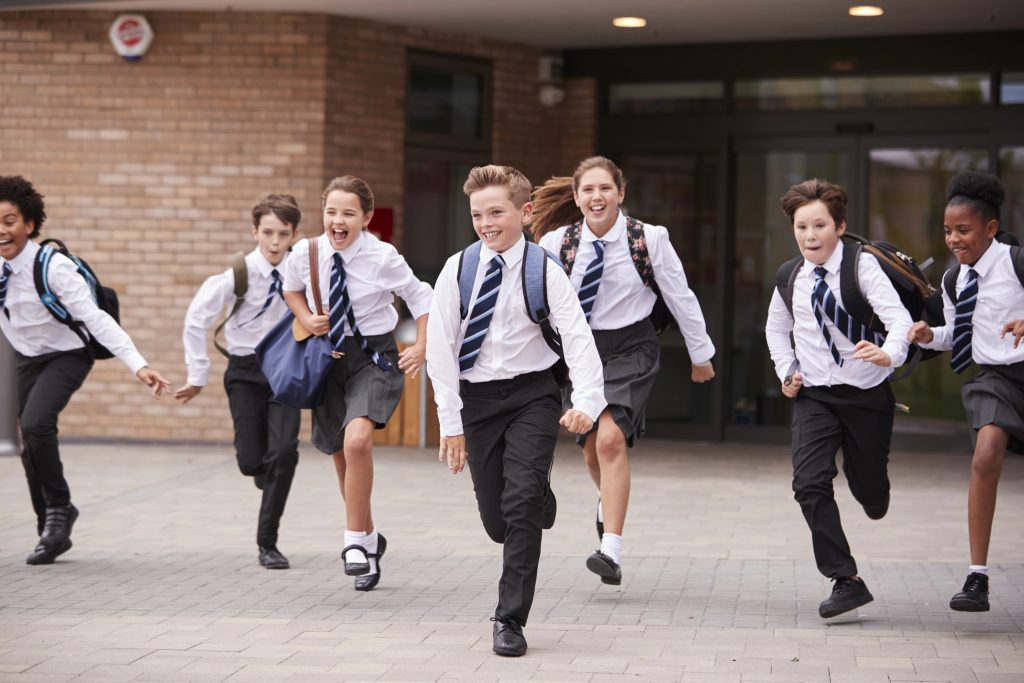
Some folks argue that school should be treated similarly to a job, and that students should dress in “business casual” attire, such as khaki pants and polo shirts.
When Great Schools invited parents to share their rules about school clothes, many centered on this theme. One parent wrote of an elementary-aged daughter:
“It is her ‘job’ to work at school and learn so that she can take her place as a fully responsible, capable adult. She is not in school to show-off and call attention to herself…No shorts, no tank tops, no sandals.”
Another parent, who requires their children to wear collared shirts and khaki pants to school, wrote:
“I am trying to instill in them at an early age that this is how you dress during the week and that there are other clothes for weekends.”
The other side of this debate is that maybe our kids shouldn’t have to cosplay as adults while they’re still small. There is no current evidence that kids perform better academically when they’re dressed for the office, and they’ll have decades of adulthood. They only have a few short years to be a kid.
Consider Your Reasons
Sometimes a little introspection reveals that the rules we have in place are good ones that will protect our children and help them grow into capable, happy adults. Other times, we realize that we’ve just repeated rules we lived under, whether or not there is still a legitimate reason. Sometimes, it’s just something that gives us an ‘ick’ feeling, and we can’t even say why.
If you’re setting rules for your child’s clothing based on strong reasons, share your reasoning with your kid, so that it doesn’t seem like an arbitrary demand. Be prepared to listen to your child’s side, too, and give it due consideration (which doesn’t mean you have to change your mind).
What’s The Final Answer?
The decision will be different in every household.
Parents of neurodivergent kids or kids who have other sensory sensitivities may weigh different factors than parents whose kids don’t have those particular struggles. Parents of kids who are already struggling to fit in may have to consider peer pressure differently. Every parent will have to determine whether clothing is really the issue they want to expend energy on (as long as it’s clean, safe, and meets school requirements).
However, if we’re basing our decisions on our kids’ needs, listening to their expressions, and working to reach a compromise that can satisfy both parent and child, we’ll almost certainly come to a better conclusion than by invoking a daily power struggle
