As a dad of four, I’m always looking for shows that don’t just entertain my kids, but actually teach them something meaningful. This spring, PBS KIDS is delivering exactly that.
From Autism Acceptance Month programming to Earth Day-themed adventures, the late March through April lineup is packed with episodes that focus on emotional development, problem-solving, and real-world awareness.
What stands out most about this Spring’s upcoming episodes is how intentionally these shows tackle inclusion, communication, and real-world learning in ways kids can actually understand.
Carl The Collector Highlights Emotional Growth For Kids
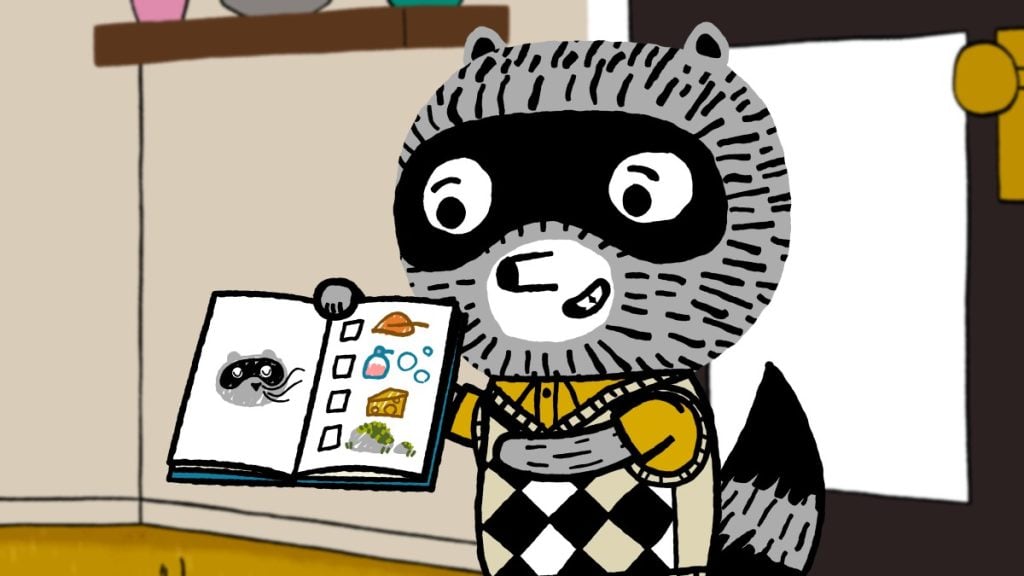
Beginning March 30, in honor of Autism Acceptance Month in April, Carl the Collector returns with four new episodes created by bestselling author Zachariah Ohora.
These new stories introduce important preschool life skills like building self-confidence, resolving arguments, and recognizing your own feelings.
Across the episodes, Carl heads to an ice cream festival, navigates wearing a cast on his wrist, learns a new morning routine, and embarks on a camping trip with his friends in Fuzzytown.
Why These Carl The Collector Episodes Are Great For Kids: From a parenting standpoint, this is the kind of content that meets your kid where they are emotionally. It takes everyday experiences and turns them into opportunities for growth, helping kids better understand themselves and how to handle the world around them.
Work It Out Wombats! Introduces Representation Through Real Communication
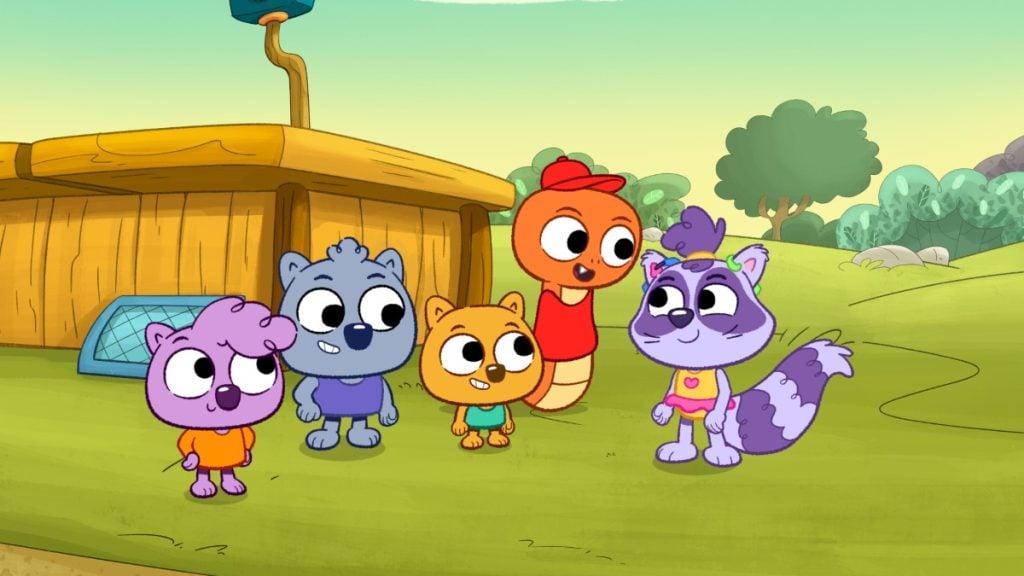
On April 3, with availability including ASL interpretation, Work It Out Wombats! delivers a standout episode titled “Bex Splash Fest/Mural Mayhem.”
In this story, Sammy is excited to meet Bex, the daughter of the man his mom is dating. Bex is hard of hearing; she wears a cochlear implant and hearing aid, reads lips, and uses American Sign Language. When Bex removes her implant and hearing aid to go down a waterslide, she, Sammy, and the Wombats must find new ways to communicate and stay connected.
The episode continues with a creative twist, as the Wombats, inspired by Leiko’s new mural, get permission to paint a mural in their bedroom—but quickly realize they need to decide what to create together.
Why This Episode Of Work It Out Wombat! Is Great For Kids: This is the kind of representation that doesn’t just show differences, it shows how kids adapt, collaborate, and communicate in meaningful ways.
Odd Squad Returns With Math-Focused Adventures
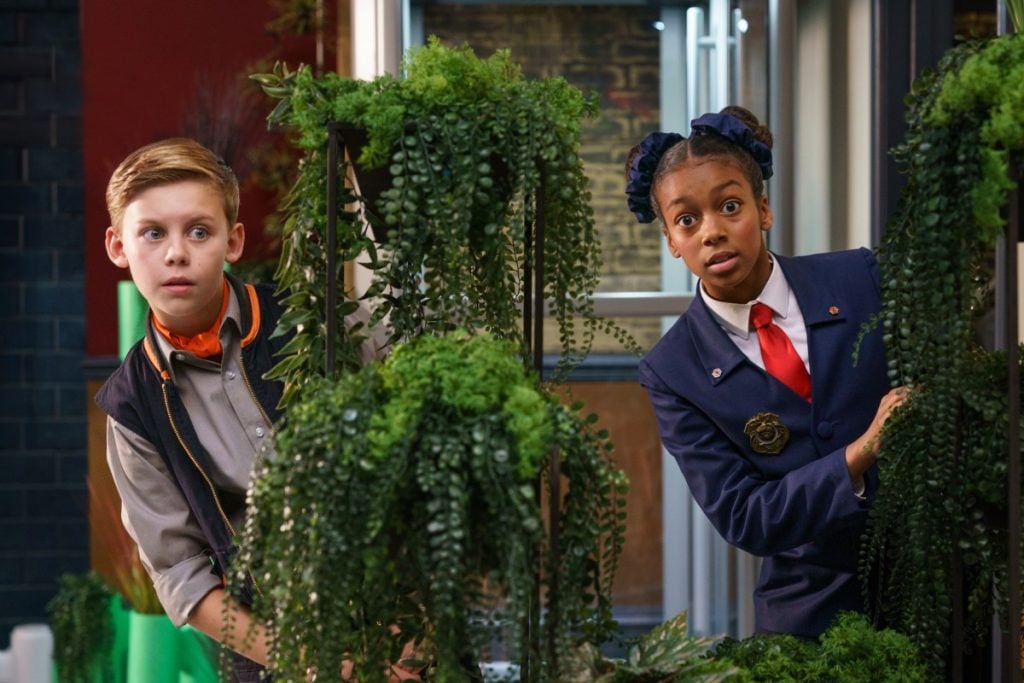
Beginning April 6, Odd Squad returns with a brand-new season featuring six new episodes.
The fan-favorite, multi-Emmy-winning live-action series is co-created by Tim McKeon, known for Adventure Time and Foster’s Home for Imaginary Friends, and Adam Peltzman, known for Go, Dog, Go! and Blue’s Clues.
The latest season of Odd Squad UK introduces new agents and villains, wildly inventive gadgets, and plenty of delightfully strange cases. Along the way, kids are exposed to math concepts like spatial sense, mapping, fact families, and more.
In addition to the main episodes, new Odd Squad Gaming Unit digital shorts will also debut on the PBS KIDS YouTube channel on April 3, giving kids even more ways to engage with the series.
Cyberchase Tackles Environmental Responsibility
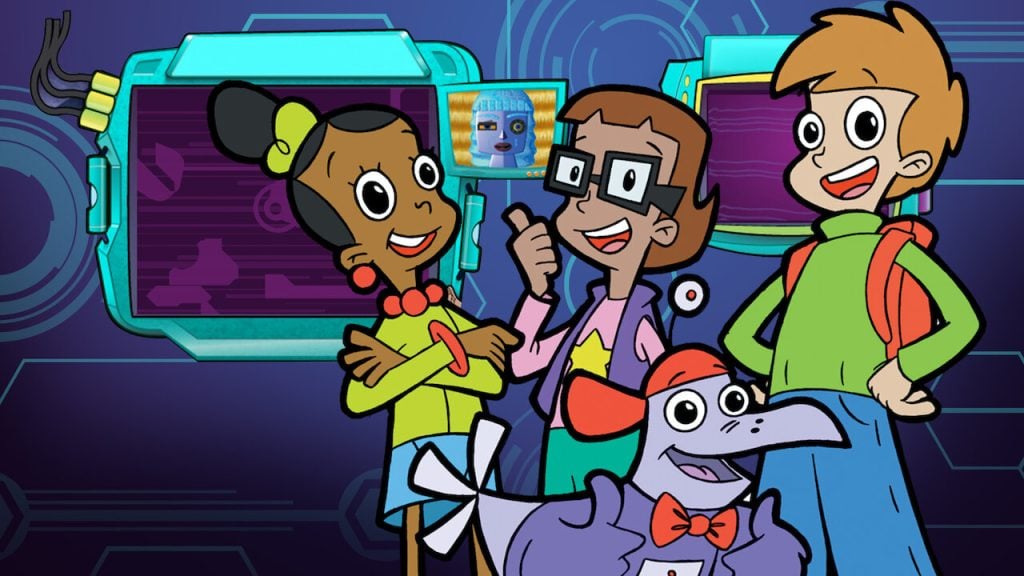
On April 17, in celebration of Earth Day, Cyberchase returns with two new episodes focused on environmental awareness and problem-solving.
In “Leave the Leaves,” the dastardly Hacker transforms a park into a highly manicured space to please BB, his pet smirble, but BB doesn’t like it at all. To understand why, the kids travel through time to collect and analyze data, ultimately working to restore the park’s natural biodiversity.
In “Fix It Time,” everyone’s scooters in Botsburg are mysteriously breaking down, causing frustration and unnecessary waste. The CyberSquad responds by launching a repair clinic, using math and engineering skills to fix the scooters instead of discarding them.
Why These Cyberchase Episodes Are Great For Kids: These episodes connect STEM learning directly to real-world environmental challenges, making the lessons feel both relevant and actionable.
Wild Kratts Explores Nature Through Science
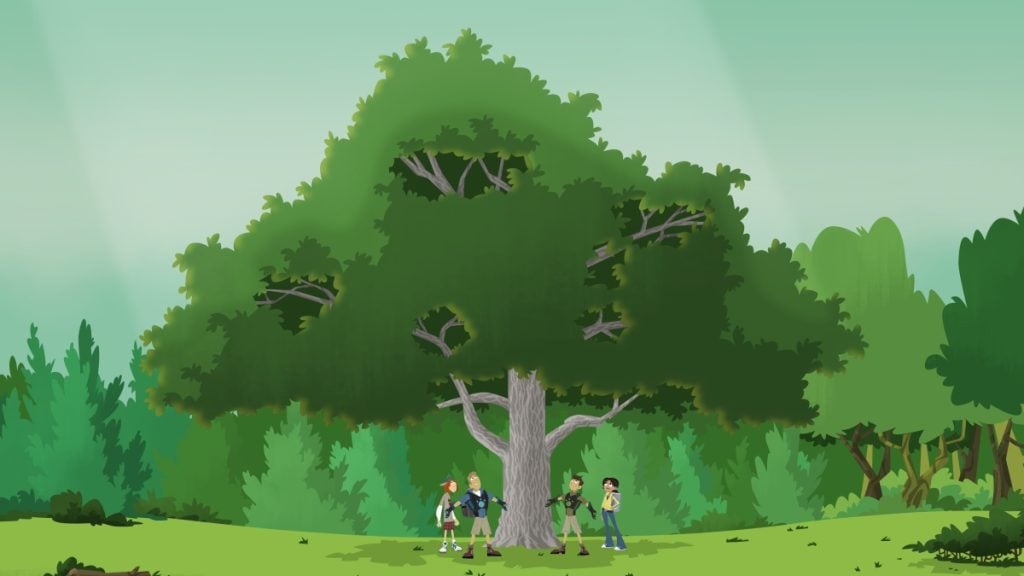
Arriving April 20, also in celebration of Earth Day, Wild Kratts presents “The Butternut Tree.”
In this episode, Martin and Chris discover a rare and endangered butternut seedling. As they search for its parent tree, they initially find only dead and broken ones. Eventually, they locate a large, healthy tree and begin a Creature Power investigation into why some trees are dying while others continue to thrive.
Why This Wild Kratts Episodes Are Great For Kids: The episode raises questions around environmental factors and even genetic coding, offering kids a deeper look at plant life and ecosystem health in a way that still feels like an adventure.
Elinor Wonders Why Connects Nature To Everyday Life
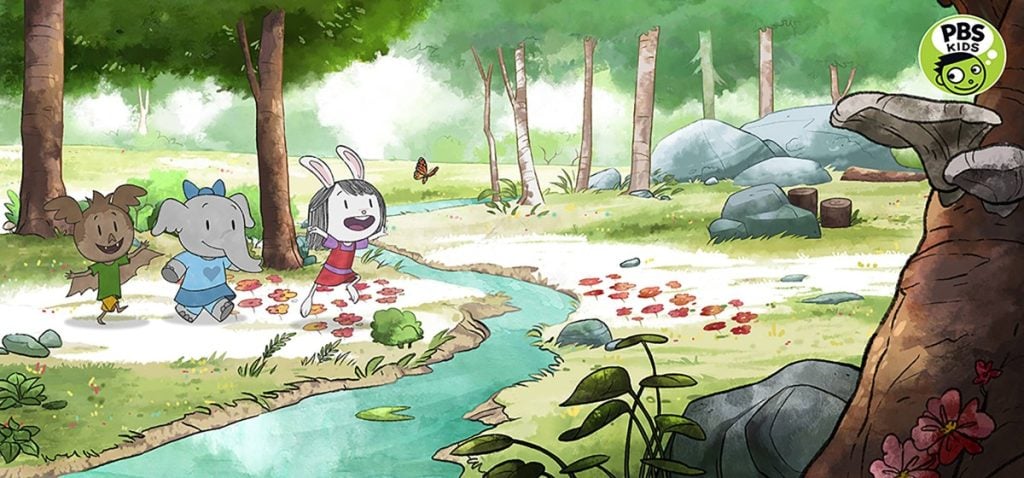
Closing out the month on April 27, in celebration of Earth Day, Elinor Wonders Why features a new episode titled “Melting Point / Mr. Raccoon’s Bad Day.”
While delivering chocolates, the kids discover that warmer temperatures can cause their treats to melt, introducing a simple but effective lesson about heat and environmental change.
In the second story, Mr. Raccoon is having a bad day, and the kids help him calm down by connecting with nature, illustrating how the natural world can support emotional regulation.
Why This Spring Lineup Stands Out
Across these shows, kids are learning how to understand their emotions, communicate with others who may experience the world differently, solve problems using math and science, and develop a deeper appreciation for the environment.
As a parent, that balance matters. My younger kids are drawn in by the characters and stories, while my older kids pick up on the deeper lessons without it ever feeling forced.
That’s the sweet spot, content that entertains your kid while quietly helping them grow.