


It’s 3:40 p.m. on Thanksgiving and the turkey needs another forty minutes. Your toddler has crawled under the dining table with dinner rolls in each fist. A cousin is sobbing over a missing game controller.
You smile, but inside, you’re counting ceiling tiles. Most parents know this scene by heart. This year, Thanksgiving falls on November 26. So, that gives you a month to prepare.
1. Spot Your Family’s Pressure Points

Start by looking back. What fell apart last year? Maybe dinner got pushed or there was too much crowd in the house or the drive took four hours.
Hunger, noise, crowds, long periods of sitting and insufficient sleep can be the main culprits for holiday meltdowns. Once you know what triggers your family, you’ll be able to plan accordingly.
2. Tell Your Kids What’s Coming

Kids hate surprises more than adults. So spend the next few weeks walking them through the day. Who’s coming? Where will everyone sit? When does dinner start? and When are you heading home?
Little ones love crossing off days. Older kids usually want a say, so ask what they’re looking forward to and what they’re dreading. Many children fear the hugging line at the door. Show them the choices like hugs, high-fives or waving.
3. Protect Sleep and Snack Time
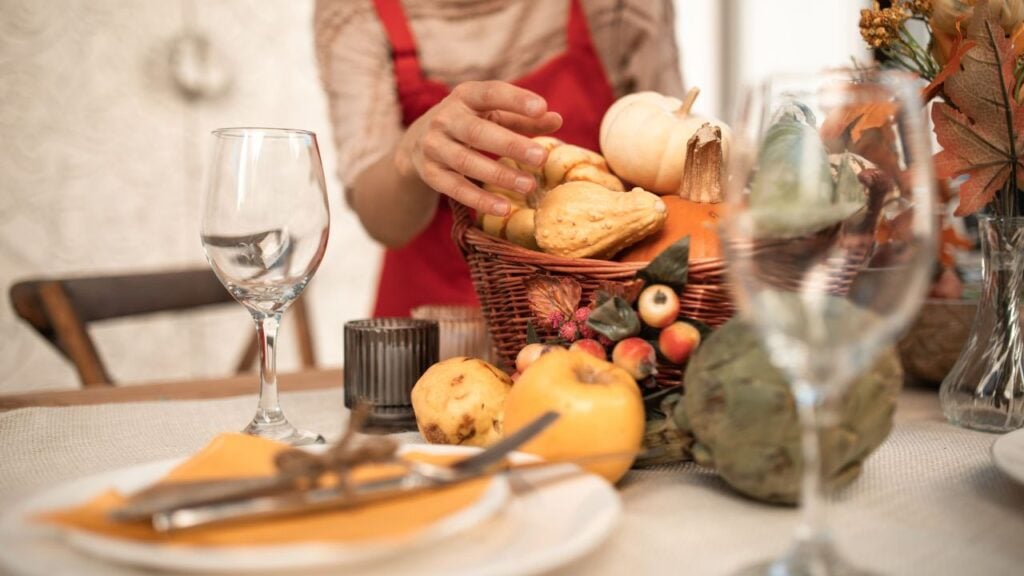
Routine keeps kids steady. Hold bedtimes and wake-ups in the days before, and if you’re traveling, fight for the naps.
On the actual day, don’t make anyone wait until 4 p.m. to eat without having anything in their belly. Give them a normal breakfast and a good snack in the afternoon.
4. Put Kids to Work

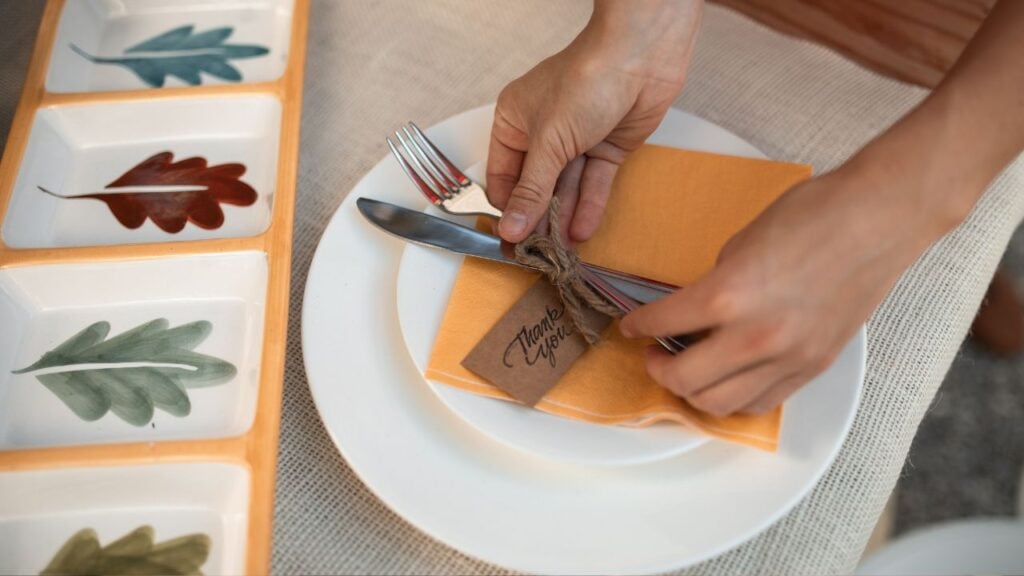
Kids feel good and useful when they get easy tasks to perform. Get them to clean the veggies, fold the napkins or write the names on the placards. Teenagers can get the task of choosing music and serving food.
Jobs also pull kids closer to the adults without forcing a chat. Plenty of children open up when their hands are busy.
5. Build a Quiet Corner
Kids can get overwhelmed when the noise becomes loud. Be prepared for that. Choose an area in the house like a small room and fill it with reading material, crayons, a pair of earphones and a blanket.
Say they can go there anytime, no questions asked. That one corner will head off more meltdowns than any bribe.
6. Lower the Bar on Food
Dinner shouldn’t be a battlefield. Ensure that there is at least one food item on the table that your child would surely eat, even if it is simply some pasta or a roll spread with butter. Don’t engage in a “three-bite war.” Coercion at the dining table means a battle in which everyone loses.
Give yourself a break. Reduce the menu. Purchase the rolls. Bake the pie a day ahead. Tell the guests to bring the food.
7. Plan What Happens After the Meal

The stretch after dinner trips up plenty of families. The adults want to linger over coffee. The kids are stuffed, bored and bouncing off the walls. Line something up. A walk around the block works. So does a backyard football game, a board game or a gratitude jar passed from hand to hand. A little fresh air resets almost everyone.

