
It’s hard to explain the raw emotions that come with postpartum if you’ve never experienced it. The complexities of emotions are hard to put into words, which is both a blessing and a curse in terms of postpartum healing. Every woman goes through postpartum differently, feels things uniquely, and handles the highs and lows independently. And while many women have similar healing goals (feel strong, be healthy, get pre-baby body back), the journeys are different.
Types of birth play a part in postpartum healing. Was it vaginal? Did you have a C-section? Did labor happen naturally, or were you induced? All of this matters when it comes to when you’re mentally and physically ready to heal.
Regardless of whether you’re one week postpartum or one year, take things slow and focus on what’s best for you and your baby. From vitamins to signs that you’re overdoing it, this is a recovery healing guide for after birth.
Things To Expect During Your Postpartum Healing

First things first, you’re going to experience a few symptoms right after birth. As always, talk to your doctor about the symptoms you’re experiencing, both physical and mental.
According to the Cleveland Clinic, the postpartum period extends from immediately after birth to eight weeks. However, a 2025 study in the European Journal of Obstetrics & Gynecology and Reproductive Biology found that the healing period is far longer than most studies reported.
The study slams the six-week recovery window and claims that a woman’s body still heals upwards of two to six years after each child. Six weeks is not long enough for a woman’s physical, mental, and sexual state to recover. Between organ repositioning and hormonal shifts, the evidence is clear that more appointments need to center around women far longer after she gives birth.
In terms of physical and mental symptoms to expect in the generalized postpartum time period (birth to six weeks), here are some things you may expect after giving birth, as noted by the Cleveland Clinic.
Cramping: Cramping after birth is typically associated with a woman’s uterus shrinking back to its original size. Harsher cramping can also lead to heavier bleeding.
Bleeding or spotting: If you had a vaginal birth, medically reviewed articles from WebMD shared that you may bleed or spot for upwards of six weeks. Also known as lochia, it’s how your body removes excess blood and tissue after your baby is no longer in the womb.
Swelling: Your body typically swells during pregnancy and postpartum because of the extra fluid you have from your baby. Swelling should subside after a few weeks, but if it progresses and you have chest pains, call a doctor. Chest pain and swelling could be a sign of blood clots or preclampsia.
Hemorrhoids: Because of the intense pressure and weight from pregnancy and labor, hemorrhoids are a common symptom postpartum. Pushing during labor can inflame the rectal veins, causing them to swell.
Soreness: As expected, vaginal and perineal soreness is common after vaginal births. Soreness around the incision for C-section mamas is also typical. Ice packs, sitz baths, and peri bottles can assist with comfort after vaginal births. Heat, ice, and stomach support can aid with C-section incisions.
Breast Engorgement: Breast engorgement after birth can be painful as your milk comes in to support your baby. Frequent feeds, cold compresses, and chilled cabbage leaves can help comfort your breasts.
Every woman’s healing and postpartum journey is different, as are the symptoms. Although your mind is on your sweet newborn, it’s important to take note of how you’re feeling too. As always, share your recovery symptoms and concerns with your doctor.
Prenatal And Postnatal Vitamins And Why They Are Different
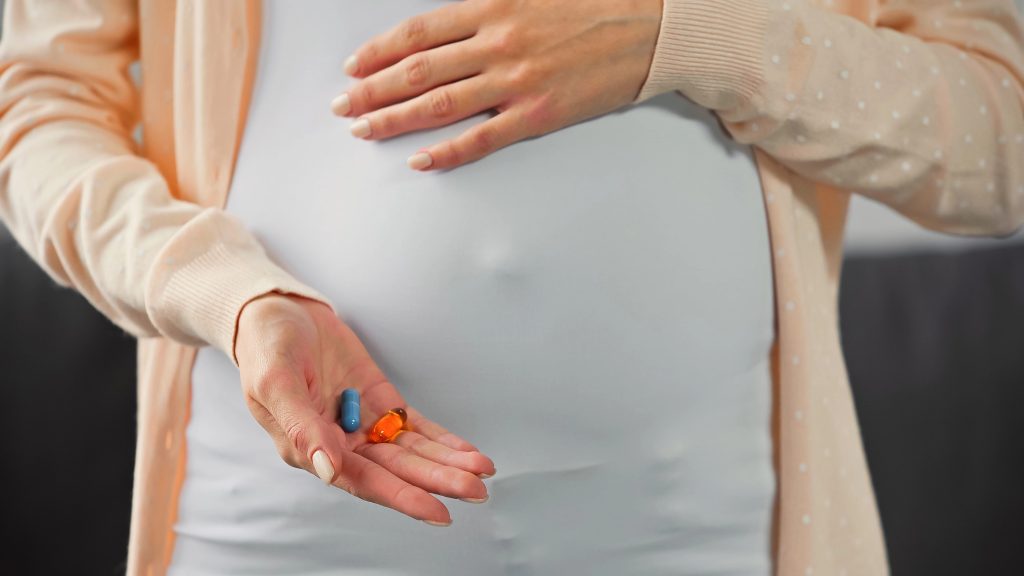
Did you know that prenatal and postnatal vitamins are different? (Because I sure didn’t after my pregnancies.) Both vitamins are meant to support the mom and baby during and after her pregnancy, providing vital nutrients to help them stay healthy, sharp, and supported.
Prenatal: A prenatal vitamin’s main objective is to support a growing fetus. Folate, or folic acid, is a key nutrient for preventing neural tube defects. Iron levels are also typically high to prevent anemia or low energy.
Postnatal: Postnatal vitamins differ slightly, as their main goal is to support the mom after the baby is born. Key nutrients include iron, vitamin D, B vitamins, and omega-3 fatty acids. Folate levels are often lower because higher levels aren’t needed without a growing baby. Postnatal vitamins may focus on vitamins that boost the hormone and immune systems, especially for breastfeeding moms.
Considering they’re vitamins, moms can take prenatal vitamins after the baby is born as well. However, postnatal vitamins may support hormones and lactation moreso.
Pelvic Floor Exercises Can Help Strengthen Your Body In Ways You Might Not Realize
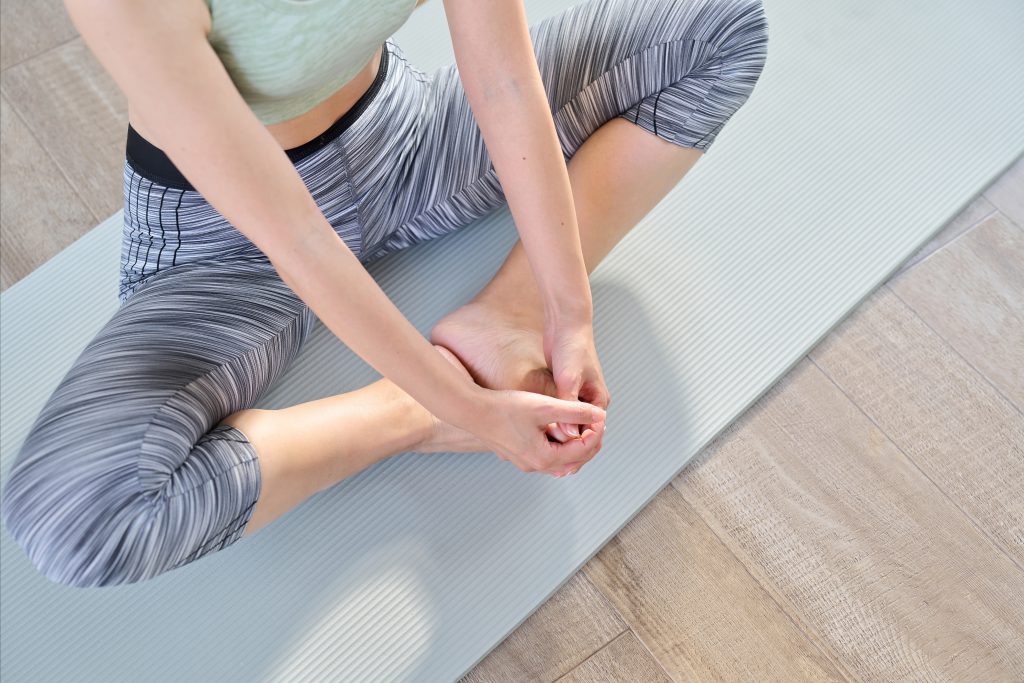
The pelvic floor is one of the most affected muscle groups after a woman has a baby. The pelvic floor is a network of tissue, muscle, and nerves that support major organs during and after pregnancy. The Mayo Clinic explained that the pelvic floor is a hammock that supports the “uterus, bladder, large intestine, and rectum.” Because of the pressure that the baby and placenta put on the pelvic floor, it’s an area that desperately needs focus postpartum.
Mayo Clinic shared that 50% of new moms have trauma to their pelvic floors after birth, and many don’t realize there’s damage. While those who have given birth vaginally have larger stress on their pelvic floors, those who have given birth via C-section also need to give their pelvic floors some love because of the added weight from the baby, placenta, and extra liquids.
Some signs of a poor pelvic floor are:
- Painful urination
- Leaking urine when sneezing, coughing, laughing, or walking
- Having a hard time controlling gas
- Constipation
- Lower back pain
- A bulge near the vagina or a “pulling” feeling around the vagina
- A heavy pelvis
Whether you are showing signs of a weak pelvic floor or not, every mom should focus on pelvic floor strengthening at some point. Experts say you can do gentle breathing exercises that enhance your pelvic floor a few days after birth, but full-body movements are discouraged for a few months. Doing too much too soon can prolapse your pelvic floor (also called a pelvic organ prolapse), which would require therapy or surgery.
For simple exercises to strengthen your pelvic floor, research:
- Keegals
- Pelvic brace
- Pelvic tilt or thrusts
- Birdog
- Deep squats
- Inner thigh squeeze
- Clamshell
- Bridge
Take deep breaths while working on your pelvic floor and take each movement slowly to really focus on the muscles at work.
Take Help And Support When Available
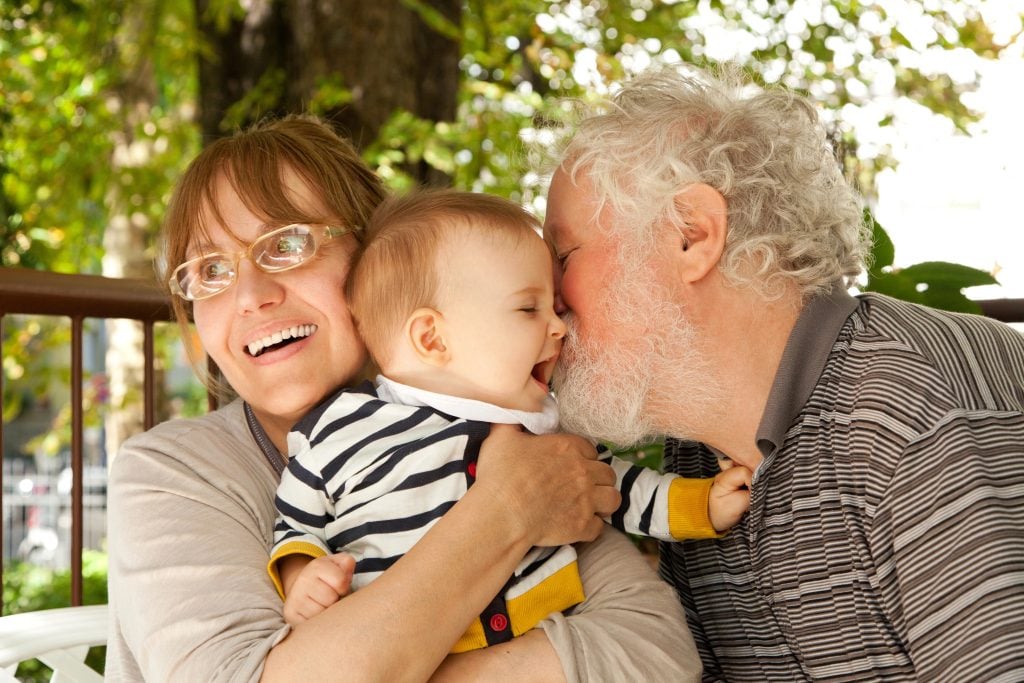
For a lot of moms, one of the hardest parts about caring for themselves postpartum is asking for or accepting help. We’re raised in a culture where women “can do it all” and asking for help can, at times, feel like a weakness instead of a strength. When a new baby comes along, it can be very hard to let go of that level of control or independence.
If you’re lucky enough to have a village around you after you give birth, accept help when it’s offered. Now, this doesn’t mean you have to pass up your newborn for the entire day; it could be something as simple as someone making you dinner, grabbing you coffee, doing your laundry, cleaning the house, playing with the baby so you can shower…
As much as your friends and family want to snuggle your sweet baby, that time is saved for you. Allow others to help you with other things so you can focus on the bond between you and your baby and postpartum healing.
I’ll never forget when my mom came to visit me after the birth of my daughter. She made me coffee, put a face mask on me every morning, and made sure I was drinking enough fluids while breastfeeding. They were small acts of kindness, but they made all the difference in my healing.
Moms already have a lot on their plates; ask for help and take it to help themselves.
Take Your Time And Don’t Rush Because Of Societal Pressures
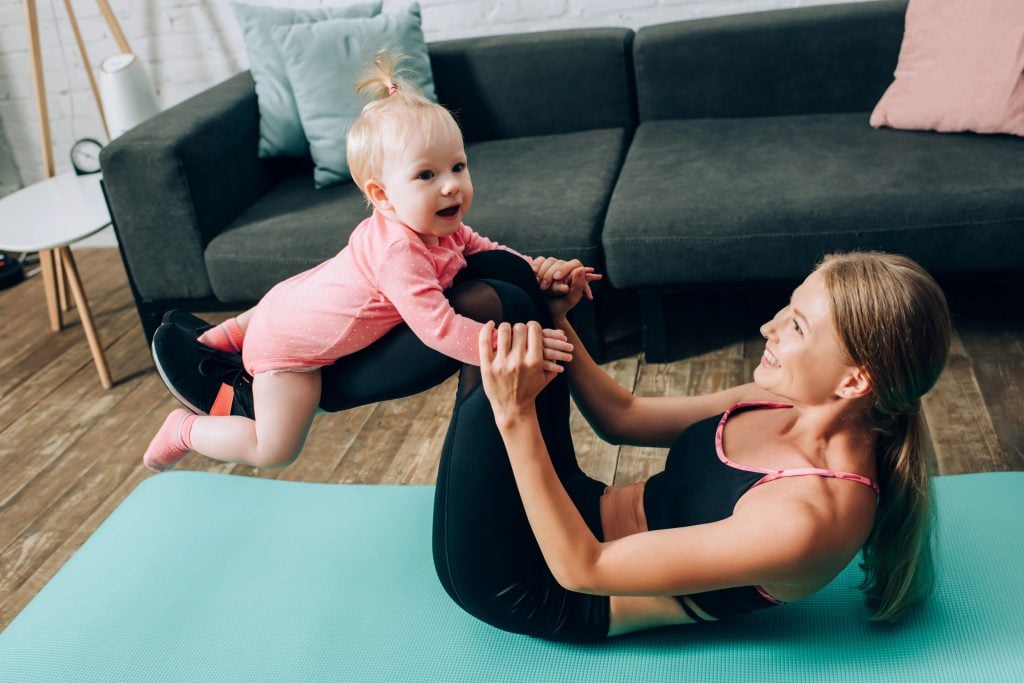
Sadly, women live in a time where “bouncing back” is desired, especially on social media. It’s hard not to compare your pre-baby body with your post-baby body. However, a woman’s body drastically changes with pregnancy.
Some normal bodily changes that come after birth are:
- Hips can widen
- Feet can flatten
- Diastasis Recti is common
- Skin stretches and stretch marks are normal
- Breasts are heavier and sore
- Weight fluctuates and distributes
- Hair and skin changes
Despite the many physical and mental changes that come with childbirth, you must take your time on your way to achieving your postpartum body and mind goals. Rushing through workouts, extreme diets, and a fixation on image can cause severe damage to your mental and physical health.
Focus on eating nourishing foods (listed below), staying hydrated, and gentle movements until you’re cleared by your doctor to resume more physical activity.
As a reminder, talk with your doctor about your goals and ask any questions or concerns you may have about exercise and diet as a new mom.
Eat Nourishing Foods To Help Your Body ‘Reset’

Eating nourishing foods is an essential part of postpartum recovery. Eating whole, unprocessed foods can support your hormones, energy levels, mental clarity, and overall well-being. Nourishing foods can also support breastmilk supply if you’re a postpartum mom nursing.
Eating the right nutrients can support pelvic floor muscles, vaginal tissue, mental clarity, mood, and much more.
Note: Professionals state that breastfeeding moms need to consume an additional 300-500 calories a day to support milk production, energy, and immunity. High-protein foods (like chicken) and whole grains are great for milk production. The more variety you eat while breastfeeding, the more the taste and consistency of breastmilk will change, which may help the baby try new foods when they’re ready.
Some of the best foods you can have postpartum are:
- Bone broth (amazing for collagen and amino acids)
- Oatmeal
- Eggs
- Seeds (chia and flax, especially)
- Deep colored fruits
- Avocaods
- Beef, chicken, salmon, and tofu
- Leafy greens
It can be hard to cook for the family with a newborn. Carve out some time in your day to meal plan and do food prep when the baby is down.
Get Outside Because Studies Show It Helps
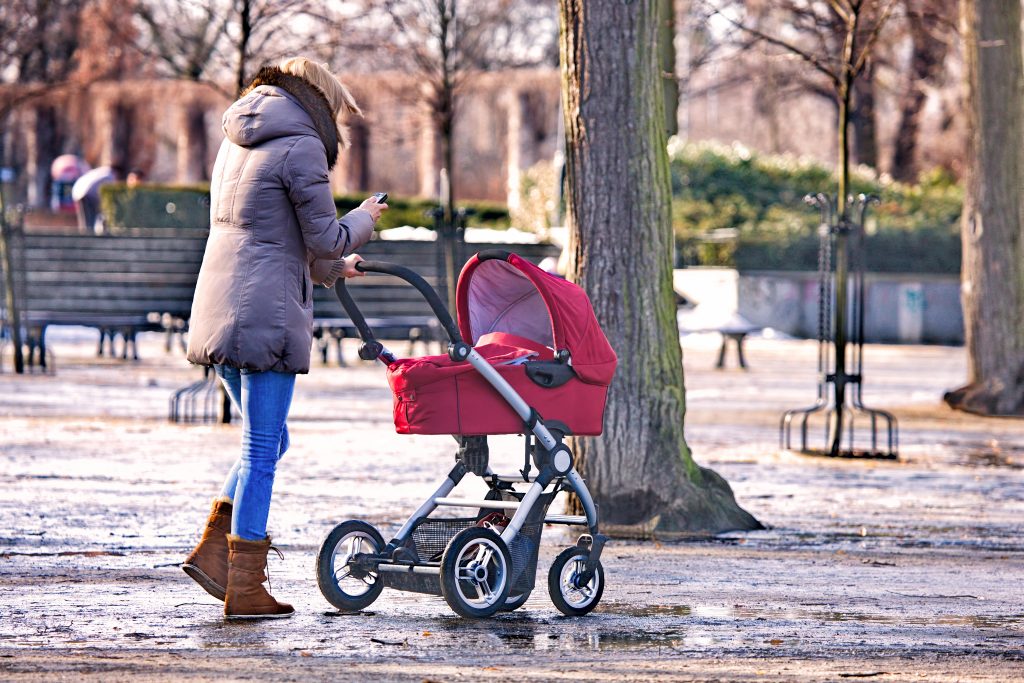
Getting outside is an underrated and powerful tool in healing postpartum. For years, studies have shown how important fresh air and sunshine are for mental health. Just 10 to 20 minutes a day can boost brain function and increase your mood.
Having a baby can be overwhelming at times, and going for short walks or doing some gentle stretches in the sunshine can be enough to gain some much-needed health benefits
Getting outside with or without your baby can:
- Postpartum Support International reports that cortisol levels are lowered by 21% after just 20 minutes outside.
- A 2015 study proved that time outside decreased energy in the prefrontal cortex, which is associated with anxiety and negative thinking.
- Nature boosts attention to detail and memories.
- Oxytocin is produced when outdoors, an essential hormone for breastfeeding moms to produce breastmilk.
- Being around nature makes you more present in your body, surroundings, and mind.
If newly postpartum, aim for short, slow walks. The older your baby gets, the longer your walks or time outside can be, because your body will be stronger and healthier than it was after birth.
Stay Hydrated To Help Reduce Multiple Postpartum Symptoms
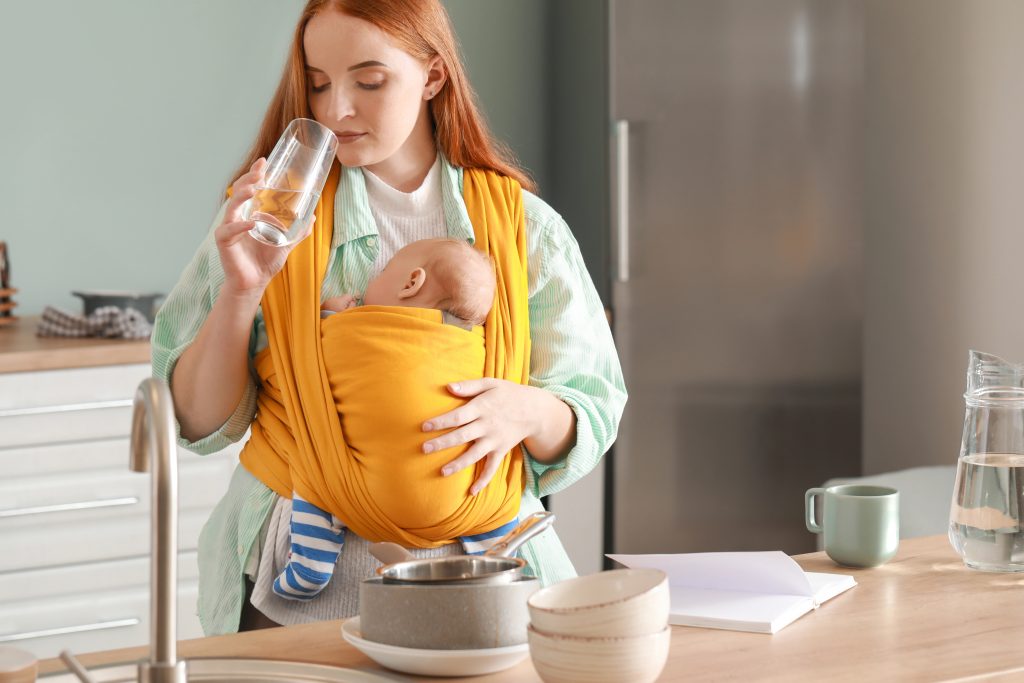
Pregnant, postpartum, or in between, people are continuously told by health gurus to drink water. Staying hydrated and drinking liquids is crucial during postpartum and in the first year of your baby’s life. Drinking plenty of water and electrolytes can help with several postpartum issues, such as dizziness, constipation, and brain fog.
Physical Recovery: From mere hours after giving birth to mere weeks, one of the most important things new moms can do is hydrate. Drinking plenty of fluids can restore blood volume, replenish fluid losses from sweating, boost energy, and improve circulation. A hydrated body supports your tissues, helping repair the uterus, muscles, and incisions (if applicable).
- Note: Health professionals recommend that new moms aim to drink 16 cups of water per day.
Breastmilk Production: Did you know that breastmilk is aproximetly 90% water? Staying hydrated and drinking water boosts breastmilk production for breastfeeding or pumping moms. Because breastmilk is mainly water, a breastfeeding mom has to increase her fluid intake to replace the water she’s losing through breastmilk, nurturing her own body.
Digestive Health: For many, digestive issues during pregnancy resolve themselves after the baby comes. Due to hormonal shifts and organ changes, digestive issues during pregnancy are common. However, those issues can sometimes persist postpartum. One way to aid digestion is by drinking plenty of fluids. Drinking water can help relieve constipation, bloating, and pelvic floor pain.
Mood Swings: Mamas can chalk mood swings up to hormonal shifts postpartum. Dramatic changes in progesterone and estrogen specifically can bring on spurts of depression, confusion, and exhaustion — especially a few days after birth. It can take a mom years to sort out her hormones. However, one way to keep those hormones balanced is by staying hydrated. Water transports hormones and excretes excess hormones. Water can also assist with hot flashes and stress.
Whether you just had your baby and are snuggled up in the hospital or are a few months out, staying hydrated is key in mental and physical recovery.
Gentle Movements And Exercises Can Go A Long Way
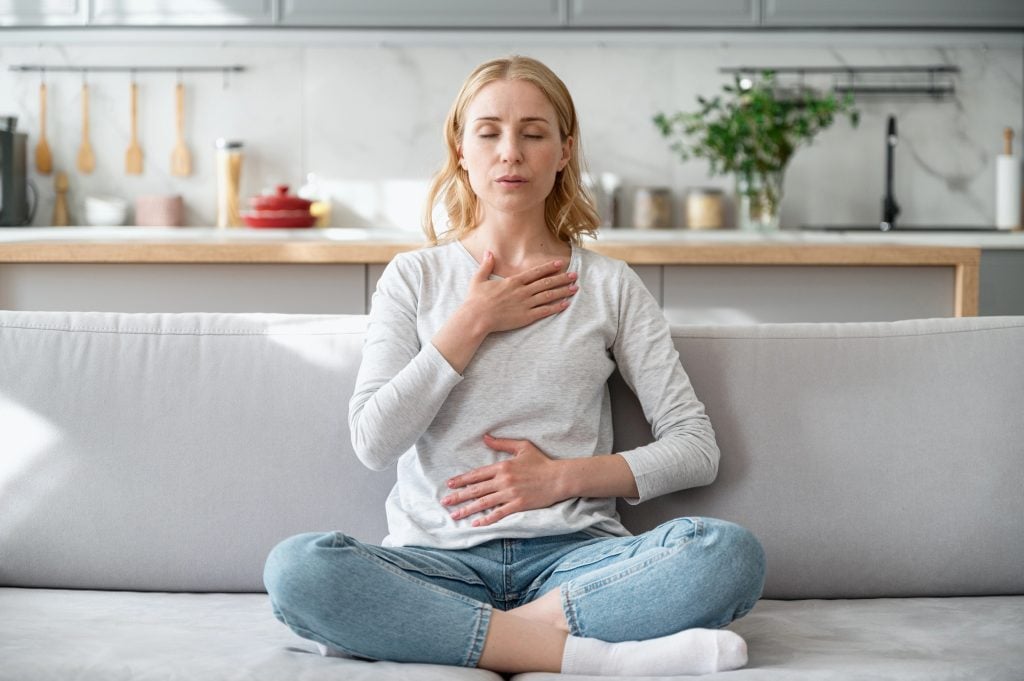
Gentle movements postpartum are essential in helping a new mom feel her best, thanks to the endorphins her body emits during light walks and workouts. Doctors and healthcare professionals typically recommend that a new mom wait 6 weeks before engaging in any physical or strenuous exercise; however, gentle movements are generally encouraged.
Things like walking, stretching, yoga, and Pilates can increase blood flow, boost oxygen levels, reduce swelling, and increase cognitive function. You should also include breathwork in your gentle movements. Try Diaphragmatic breathing for five to 10 breaths.
Diaphragmatic Breathing:
- Step 1: One hand on your belly,
- Step 2: One hand on your ribs,
- Step 3: Inhale through your nose and feel your ribs expand,
- Step 4: Exhale through your mouth and slowly pull your pelvic floor upward.
- Repeat.
Sleepless nights and endless hours spent holding a newborn or a 1-year-old are bound to leave you with stiff joints and muscles. Gentle movements can help loosen the body and relieve tension from the beauties of motherhood.
Note: Talk to your doctor about hopeful workouts and movements before starting a workout regimen. It’s vital to be cleared by a professional before starting a program, as your body may not be ready for the strain.
Your Mind Is Just As Important As Your Body

For women, it’s easy to focus on the physical parts of recovery since you watched your body transform for nine long months. When the baby is born, it’s understandable why many focus on recovering the perfect body that carried your baby. However, the mental side of postpartum is just as important as the physical, and needs just as much attention.
Between body changes, hormone dips, sleepless nights, childcare, work… a mom can lose her cool when she doesn’t take the time she needs for her mental health. Now, in 2026, society has come a long way in supporting a new mom’s mental health.
Nowadays, there are a few options to look into when you feel like your mental health is struggling as a juggling mom.
- Therapy
- Support groups
- Affirmations and Manifestations
- Stop social media consumption to stop comparing
- Journal emotions and health updates
- Prescription medication (prescribed by your doctor)
Because our mind isn’t directly in front of us, it’s typically one of the last things to get the attention that it deserves. A happy and well-taken care of mind can change everything for the better during your period of postpartum healing and beyond.
The information provided is for educational purposes only. It should not be a replacement for medical care or advice. This info is not intended to diagnose or replace medical treatment. Consult your doctor if you have any questions about what to expect postpartum. If you are experiencing an emergency, contact 911 or arrange for alternative safe transportation to the nearest emergency room.