

Red Nightlights Are Getting Attention—but experts say darkness is still the gold standard for a child’s bedroom.
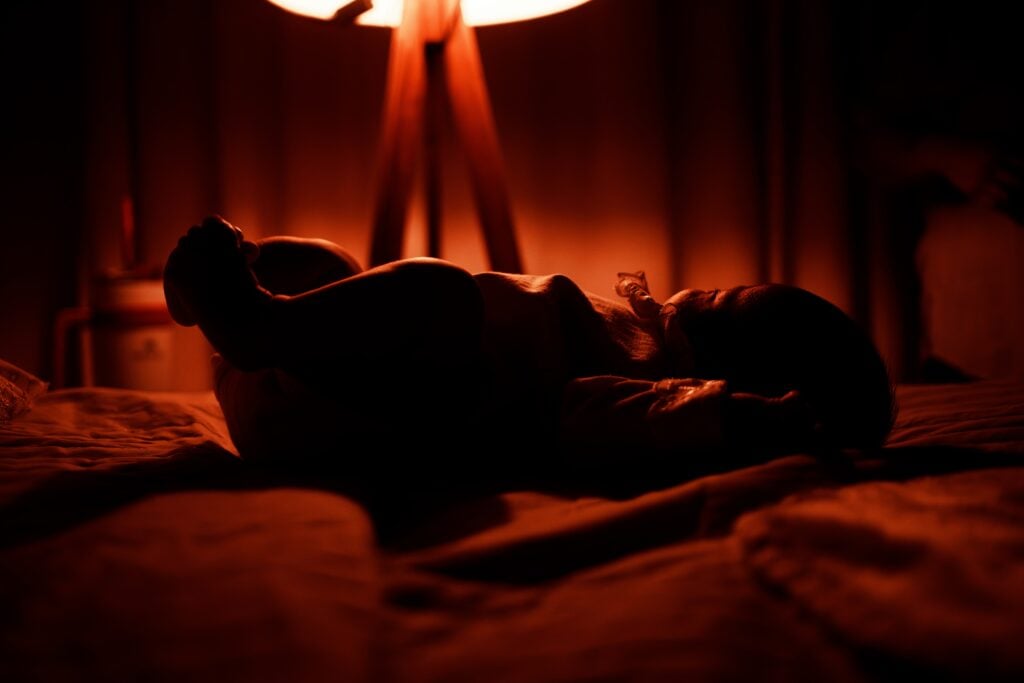
Red nightlights have become popular among parents looking for a way to make bedrooms feel less frightening without interfering as much with children’s natural sleep rhythms. The theory is that red light has a smaller effect on melatonin, the hormone that helps regulate the body’s sleep-wake cycle, than shorter-wavelength blue and white light.
That doesn’t necessarily mean red light improves children’s sleep, however, and parents shouldn’t treat a red bulb as a magic sleep solution. Red, orange and amber lights may be preferable because bright white or blue nightlights can interfere with melatonin production, while also recommending that parents use the dimmest setting possible and keep the light from shining directly onto a child’s face.
Should Parents Use a Red Nightlight?
For some families, a nightlight can be useful for practical reasons, such as nighttime diaper changes or helping a genuinely frightened child feel secure. But Baby Sleep Science cautions that “light has a direct biological effect on your child’s circadian rhythm,” and recommends using a nightlight only when it serves a specific purpose rather than automatically leaving one on all night.
If a light is necessary, the recommendation is straightforward: keep it dim, red and as far from the child’s bed as possible. Baby Sleep Science notes that children can be particularly sensitive to low levels of nighttime light, with one study finding that exposure as low as 5 lux—roughly the amount of light from five candles burning a foot away—could affect the circadian system.
What About Other Colors?
Parents should be particularly cautious about bright blue and white light, including light from televisions, tablets and phones before bedtime, because blue wavelengths can interfere with melatonin and sleep; green and violet light may also affect sleep. Healthline notes that research on red light is still limited, and its takeaway is that “more human research is needed to back this theory,” so darkness remains the safest default when a child can comfortably sleep without a nightlight.
For children who need reassurance, parents don’t necessarily have to choose between complete darkness and a brightly illuminated bedroom. A very dim red, amber or orange light, positioned away from the child’s face and ideally turned off once it’s no longer needed, can provide comfort while minimizing the amount of light entering the sleep environment.

