

The actress’s bold call to action reignites debate over what HBO’s hit teen drama gets right and wrong, about adolescent struggles
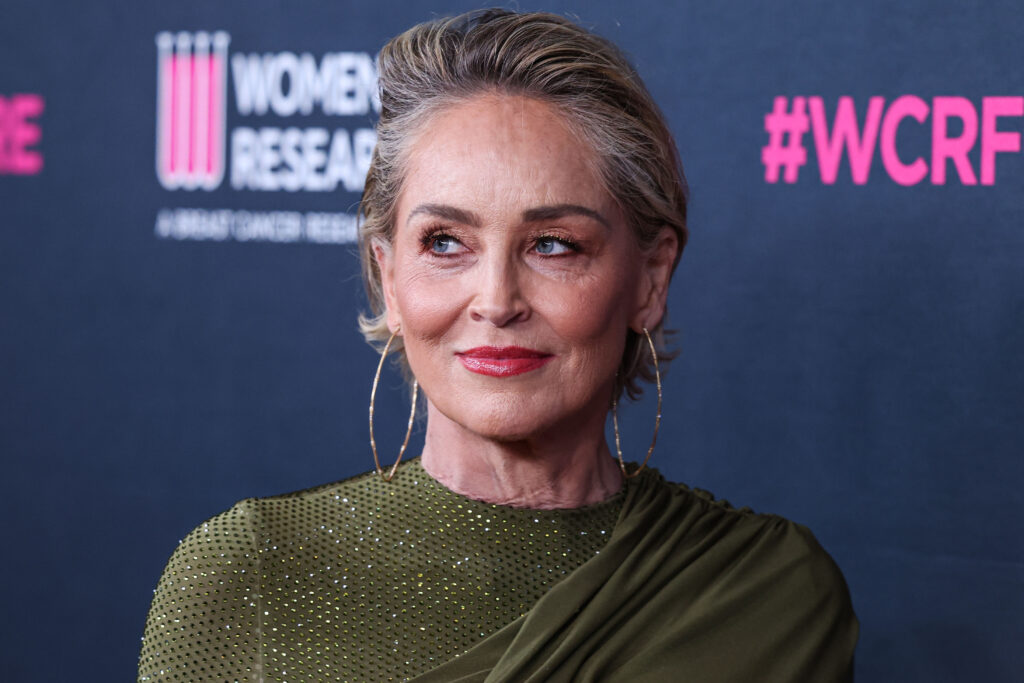
Sharon Stone is making a case that HBO’s Euphoria belongs in classrooms and on every parent’s must-watch list, arguing the controversial drama captures something essential about the dangers teenagers face today.
Stone said publicly that the show should be screened in every American high school and that parents “should have to see it.” Her comments position Euphoria not as entertainment to be debated, but as a tool for sparking the kinds of conversations families often avoid.
What The Show Actually Depicts
Euphoria centers on 17-year-old Rue Bennett, played by Zendaya, whose deepening opioid addiction drives the series. Rue takes fentanyl, injects morphine, and carries a suitcase packed with thousands of dollars’ worth of drugs; she cannot stop herself from using.
She tears through her home, ransacks strangers’ houses, and screams at the people closest to her. HBO describes the show as follows: “a group of high school students as they navigate love and friendships,” a description that barely hints at the series’ 18VLSC rating, the highest possible classification for violence, language, and sexual content.
Despite centering on underage characters, the show built a massive adolescent audience. Season 2 episodes averaged around 16.3 million views each, and roughly 80% of teens reported seeing content related to the show ranging from pretty often to very often, according to a survey by physician Delaney Ruston.
What Addiction Experts Say The Show Gets Right
The subject matter is far from fictional for many young viewers. In the U.S., about 1.6 million adolescents ages 12 to 17 had substance use disorder in 2020, according to the Substance Abuse and Mental Health Services Administration.
Opioid use in particular carries deadly consequences for young people: in 2020, nearly 6,000 youth ages 15 to 24 died of an overdose involving opioids, accounting for 84% of all drug overdose deaths in that age group, according to National Center for Health Statistics data.
Dr. Lynn Fiellin, a professor of medicine at the Yale School of Medicine and Child Study Center who specializes in addiction medicine, says the show captures something real. “Euphoria depicts exactly what is going on,” she told Time.
She praised the series for showing the “chaos” that erupts when a young person’s substance use spirals out of control, pointing to scenes where Rue’s addiction destroys her closest relationships as particularly accurate.
Where Experts Say It Misses The Mark
The show’s critics include D.A.R.E., the Drug Abuse Resistance Education program, which argued the series glorifies high school drug use and makes it appear common and widespread.
Addiction specialists raise a different concern: Euphoria shows Rue cycling through inpatient rehab and Narcotics Anonymous, but never explores some of the most effective treatments available.
Robert Miranda, a professor of psychiatry and human behavior at Brown University, told Time that the show misses a significant opportunity by not depicting medications like buprenorphine, which reduces cravings and withdrawal symptoms without triggering the same high as opioids.
“It can offer reprieve from the intense cravings and adverse drug withdrawal symptoms that people face, including many teens, while struggling to reduce their drug use,” Miranda said.
Dr. Sulman Aziz Mirza, a psychiatrist specializing in adolescent and addiction psychiatry, told Time he worries the show creates a sense of inevitability around Rue’s fate.
“There’s just an inevitable [sense] that we’re going to see Rue die,” he said. “I’m hoping that at least there’s some acknowledgment that, ‘Hey, there are options there.'”
Researcher Rhana Hashemi, who promotes harm-reduction education in schools, also criticized the show for presenting a dangerously simplified picture of the drug supply. Characters in Euphoria rarely question what they are taking or whether substances have been adulterated with fentanyl, a real-world risk that kills thousands of young people each year.
The Glamorization Problem Parents Should Know About
One tension Stone’s endorsement does not fully resolve is the show’s tendency to wrap its darkest storylines in visual glamour. Characters experiencing abuse, addiction, and trauma routinely appear in designer clothes and elaborate makeup.
The cultural ripple effect has been significant: searches for “Euphoria outfits,” “Euphoria makeup,” and “Euphoria parties” generate thousands of results across social media platforms, and glitter-infused cosmetics and Euphoria-themed parties became widespread teen trends in recent years.
Teen viewers themselves are divided on how realistic the show actually is. When one writer surveyed a diverse group of peers, 77.8% said they could not relate to most of the characters’ experiences, and none described the show as realistic.
That gap between the show’s aesthetic appeal and its actual subject matter is precisely what concerns some parents and educators.
‘Euphoria’ Conversations Matter For Families
Stone’s argument, stripped to its core, is that parents cannot afford to be less informed than their teenagers. Whether Euphoria belongs in a classroom or not, the research suggests many teens are already watching it, often without any adult context.
The show’s strengths and its blind spots both make a case for the same thing: a conversation between parents and kids about what addiction actually looks like, what treatment options exist, and why the glamorous packaging around destructive behavior is part of the danger, not separate from it.
With Season 3 of Euphoria available now, the debate over who should be watching, and how, is unlikely to quiet down anytime soon.

