

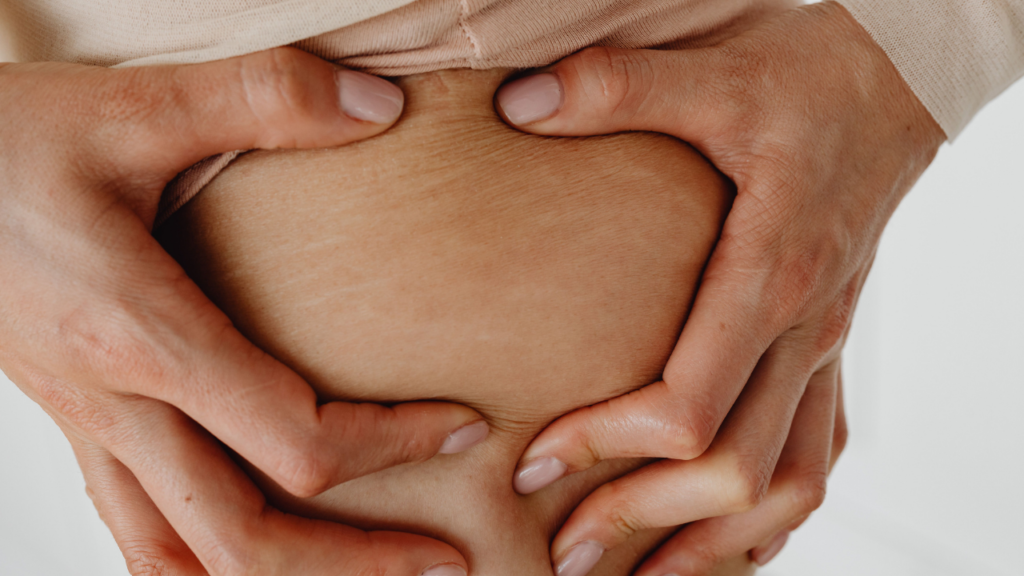
Pregnancy brings plenty of changes to a woman’s body, and stretch marks are among the most common. While some women embrace these marks as a reminder of their pregnancy journey, others look for ways to prevent them or make them less noticeable. Understanding why stretch marks develop and what pregnancy skin care treatments actually work can help expectant and new moms make informed decisions.
Stretch marks are an extremely common part of pregnancy, affecting an estimated 50% to 90% of pregnant women. They typically appear on the abdomen, breasts, hips and thighs as a woman’s body changes to accommodate her growing baby.
Stretch marks can develop as early as the second trimester, although many women notice them becoming more prominent as their pregnancies progress. These marks can initially appear red, pink, purple or brown, depending on a woman’s skin tone. Although they often become lighter after childbirth, stretch marks may never disappear completely.
Why Do Stretch Marks Appear During Pregnancy?
Stretch marks develop when the skin stretches or shrinks rapidly, damaging the collagen and elastin fibers responsible for keeping it firm and flexible. As the skin repairs itself, scar-like marks form beneath its surface.
According to the American Academy of Dermatology, “A stretch mark is a type of scar that develops when our skin stretches or shrinks quickly.” Hormonal changes and genetics can also influence whether someone develops them.
Pregnancy isn’t the only time stretch marks appear, as puberty and rapid weight changes can also cause them. Women whose mothers or other family members developed stretch marks may also be more likely to experience them.
What Can Women Do About Pregnancy Stretch Marks?
Keeping skin moisturized can help relieve dryness and itching during pregnancy, although creams and oils aren’t guaranteed to prevent stretch marks. According to BabyCenter’s dermatologist skin care advice, pregnant women should also pay attention to which ingredients they use, since some skincare products aren’t pregnancy-safe.
After childbirth, treatments such as hyaluronic acid, prescription creams and certain dermatological procedures may help make stretch marks less noticeable. However, women who are breastfeeding should consult their doctors before using treatments containing retinoids.
Ultimately, stretch marks are a normal part of pregnancy, and women shouldn’t feel pressured to eliminate them. A gentle skin care routine and realistic expectations can help moms feel more comfortable throughout their pregnancy and postpartum journey.

