


Almost everything in teenagers’ lives has migrated at least partially from the physical world to the internet.
Their friends, their schoolwork, their social lives, their shopping, their entertainment, and their video games all take place with more connection than any generation before saw, and their peer pressure has followed. A new study from Talker Research and Aura finds that peer pressure is heavy on teens, and more of it centers on their online presence than you might expect.
Here’s what the study found, and what parents should keep in mind.
Online, Comparison Is The Thief Of Joy
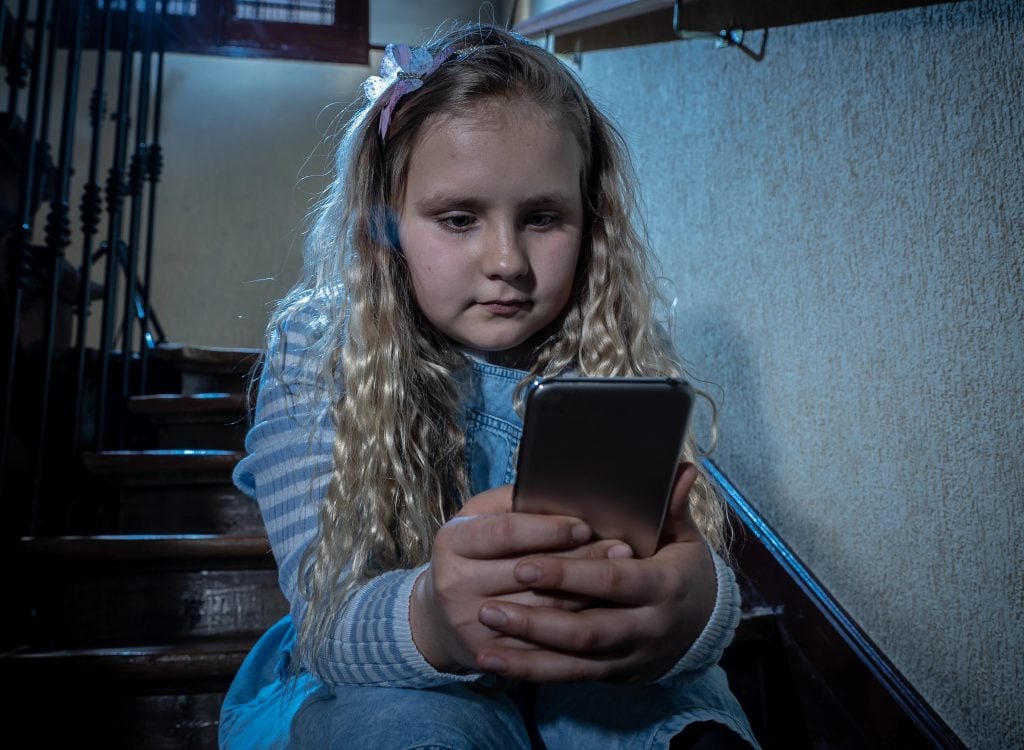
For teens, a lot of life is about comparing themselves to others. Are they wearing the right clothes to fit in? Did they watch the TV show everyone is talking about this morning? Do they get the current pop culture references, or did they miss the ‘right’ movies and music that would help them understand? Are they at the right parties, sporting events, and other gatherings on Friday nights?
Now, many of the gatherings are online. Kids say they’re under serious pressure to show up on social apps like TikTok (44%), YouTube (34%), Instagram (39%), and even Facebook (37%). Almost a quarter (24%) say they feel pressured to have a presence on Roblox!
How serious is the pressure?
More than half (56%) say that they have felt left out of friend groups because they weren’t on the same apps. More than a third (36%) say that they’ve expended time and energy on worrying about how many likes and comments they get.
Peer Pressure To be Online May Be Replacing Some Other Demands
If there’s a silver lining in this survey, it’s that internet peer pressure may be crowding out some longstanding problems, like the pressure to engage with alcohol and illegal activity.
The data found that while almost half of kids (44%) say they feel pressured to be on social platforms, only 24% felt pressure to consume alcohol. (Unfortunately, that’s still a bit higher than Pew Research‘s results in 2019, when only 16% of kids reported feeling “a lot” or “some” pressure to drink.)
By comparison, 31% say they feel pressured to smoke or vape; 28% say they feel pressured to skip class, and 13% say they feel pressured to shoplift.
What Are The Costs To Our Kids’ Well-Being?
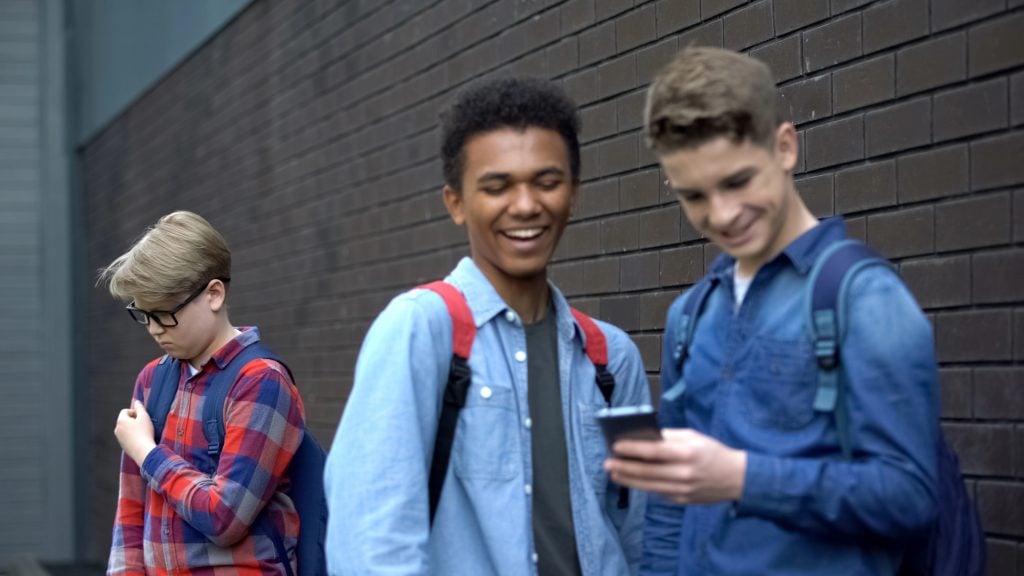
Unfortunately, being chronically online comes with its own dangers. Some of these risks are immediately clear in the survey.
Researchers found that kids’ device use becomes compulsive, with 55% reporting they scroll more when stressed. Unfortunately, that scrolling isn’t necessarily soothing. Most (56%) say that what they encounter online is upsetting or overwhelming, 51% say that inappropriate or upsetting material stays in their heads for hours or even more than a week after they see it, and 59% say that talking to family or friends makes them feel better than scrolling does.
They’re also losing sleep over online time — literally.
“It found that kids who spent at least 30 hours on social media are sleeping six hours and 18 minutes on a typical school night, losing 24 minutes per night, compared to those who spend less time online (sleeping an average of six hours and 42 minutes on school nights).
That’s 72 total hours of sleep lost over a typical school year.”
Kids who spend 30+ hours on social media per week are also about twice as likely as their less-online peers to completely forget to eat a meal.
What Can Parents Do?
Talk to your kids about the risks of excessive time on the internet. Ask them how they feel when they’ve scrolled too long, and encourage a break.
Keep kids engaged in offline activities, like sports, dance classes, book clubs, or other social groups. Offline interactions can help boost kids’ self-confidence, happiness, and sense of true connection.
Discuss peer pressure and the difference between joining in an activity with friends because it seems fun and because you feel obligated to do so.
Set limits. This might mean taking devices away after a certain time of night, or requiring charging cords to be in a shared space, such as a kitchen or living room. Purchase alarm clocks and radios, or music devices, that are not connected, so they don’t become excuses to keep phones and tablets within reach at night.
Where possible, coordinate with other parents. If their friends also have to turn off their devices at 10 pm, it’s much easier for all parents to enforce that rule together!
