

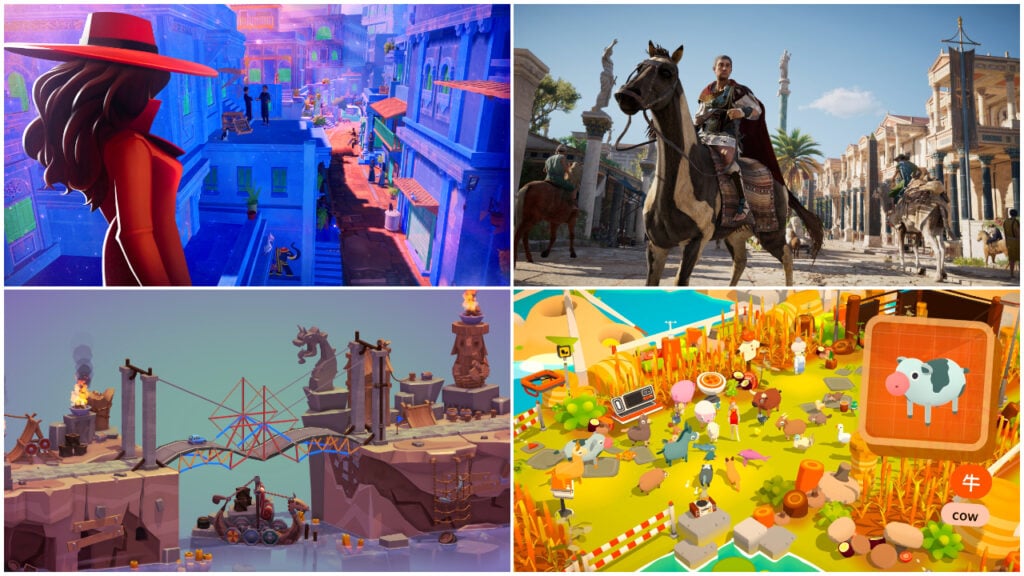
Educational games have a bit of a reputation for putting the lesson first and the fun second. That might work in a classroom, but kids aren’t likely to spend their free time with a game that feels like homework. Thankfully, plenty of games can teach something worthwhile without constantly reminding players that they’re supposed to be learning. Some were designed specifically for education, while others simply happen to encourage skills such as logical thinking, creativity, planning, or experimentation through their normal gameplay.
The best educational video games cover far more than basic math and spelling. Kids can learn programming by building their own games, explore ancient civilizations without fighting their way through them, experiment with gravity on a planetary scale, or discover why a homemade rocket keeps falling apart before it reaches orbit. Other titles introduce geography, wildlife conservation, engineering, languages, and even the inner workings of computers. In many cases, the learning happens naturally because understanding the subject helps players accomplish something they already want to do.
With that in mind, we’ve chosen educational games that kids might actually be excited to play instead of titles that simply happen to have educational value. The list includes dedicated learning tools alongside mainstream games that have been used in schools or can teach useful concepts at home. Some are aimed at younger children, while several require enough patience or technical knowledge to make them better choices for older kids and teens. Each entry explains what players can learn, what makes the game enjoyable, and the age ratings, platforms, and multiplayer options parents should know about.
Minecraft Education Turns A Familiar Sandbox Into A Learning Tool
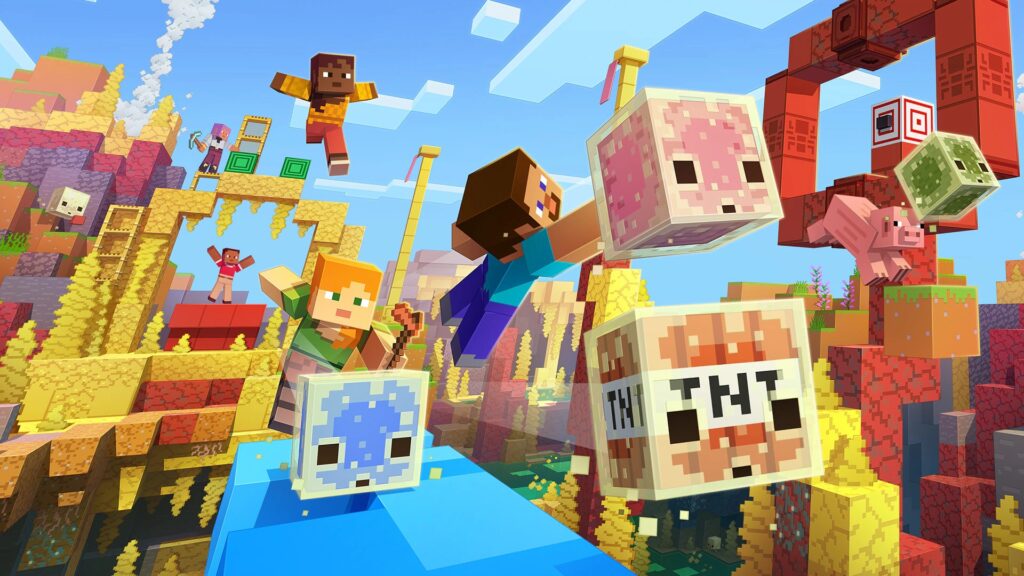
Minecraft was never created as an educational game, but its open-ended building systems turned out to be remarkably well suited to the classroom. Minecraft Education takes the basic block-building formula and adds lessons, teaching tools, secure multiplayer, and features designed around subjects ranging from mathematics and computer science to history and sustainability. Code Builder even lets students work with block-based programming, JavaScript, and Python without leaving the Minecraft world.
The big advantage is that kids are still playing Minecraft despite it being a fairly old game at this point. Up to 30 students can work together in a Minecraft Education world, which makes collaborative projects another reason to recommend it. Given how much freedom Minecraft provides, it’s easy to see why it has become one of the best educational video games for schools and home learning alike.
Why Kids Will Love Minecraft Education: Kids who already know Minecraft don’t have to learn an entirely new game before they can start learning something else. Building, exploring, experimenting, and working with classmates feel like natural extensions of the game they already enjoy.
- ESRB Rating: Minecraft Education is not separately rated by the ESRB; the standard version of Minecraft is rated E10+
- Content Descriptors: Fantasy Violence for the standard version of Minecraft
- Players: Single-player; multiplayer supports up to 30 students in a shared world
- Available Platforms: Windows, macOS, Chromebook, iOS, Android
Zoombinis Makes Logical Thinking Feel Like A Quest
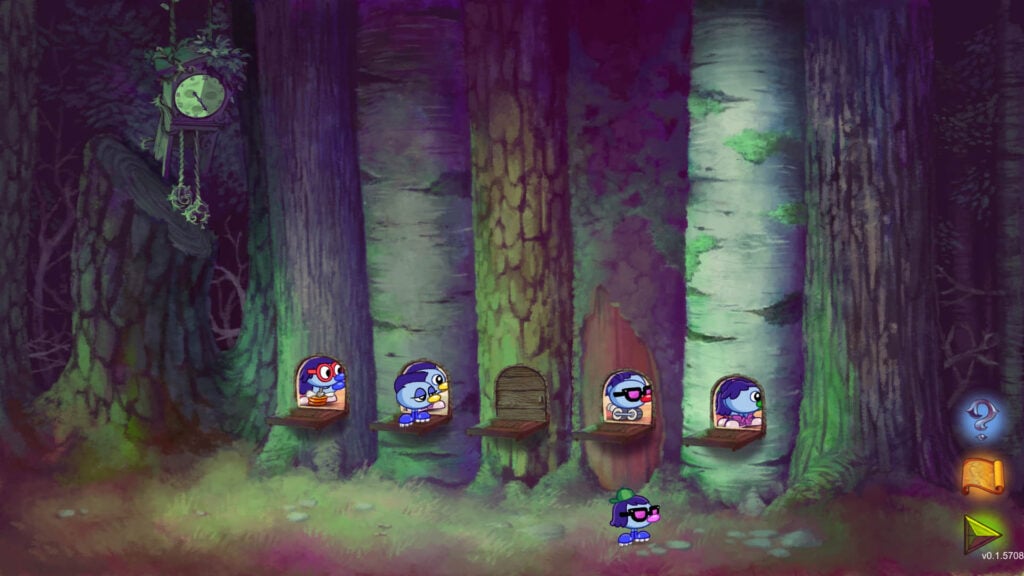
Zoombinis has been teaching kids to think logically since the 1990s, and the modern version preserves the strange characters and puzzle ideas that made the original so memorable. Players are responsible for guiding groups of little blue Zoombinis toward a new home, but every leg of the journey puts another logic challenge in their path. Figuring out which Zoombinis a troll will allow past or how a strange machine sorts them requires kids to identify patterns and pay attention to what’s happening on screen.
There are 12 different puzzle types with four difficulty levels, so the rules become increasingly demanding as players improve. Developer TERC specifically designed the game around computational-thinking skills such as data representation, pattern recognition, breaking down complicated tasks, and developing procedures. That educational pedigree hasn’t stopped Zoombinis from remaining a genuinely entertaining puzzle game, either. The current Steam version holds overwhelmingly positive player feedback more than a decade after its rerelease.
Why Kids Will Love Zoombinis: The Zoombinis themselves give kids something to care about while the strange trolls, machines, and creatures keep the puzzles from feeling like worksheets. Each successful solution gets another group closer to safety.
- ESRB Rating: No current ESRB rating listed
- Content Descriptors: No ESRB descriptors listed
- Players: Single-player
- Available Platforms: Windows, macOS, iOS, Android, Kindle; a web-based classroom version is available for schools
Game Builder Garage Shows Kids What Makes Video Games Work

Game Builder Garage asks the age-old question, “how do video games actually work?” Nintendo answers that question through a visual programming system built around creatures called Nodon. Each Nodon represents a function, such as player input, movement, sound, counters, or objects. Connecting them together lets players see how one action causes another without needing to memorize a traditional programming language.
Guided lessons walk kids through building several types of games before Free Programming mode gives them room to experiment with their own ideas. They can then play what they’ve made, adjust the logic when something doesn’t behave as expected, and inspect projects shared by friends to see how they were constructed. Nintendo even allows created games to support as many as eight players, opening the door to surprisingly ambitious projects.
Why Kids Will Love Game Builder Garage: Creating a playable game provides a much more exciting payoff than simply completing a programming exercise. Kids can make something, immediately test it, and then show the finished project to friends or family.
- ESRB Rating: E for Everyone
- Content Descriptors: Mild Fantasy Violence
- Players: Primarily single-player; created games can support up to 8 local players
- Available Platforms: Nintendo Switch; compatible with Nintendo Switch 2
Human Resource Machine Sneaks Programming Into Office Puzzles
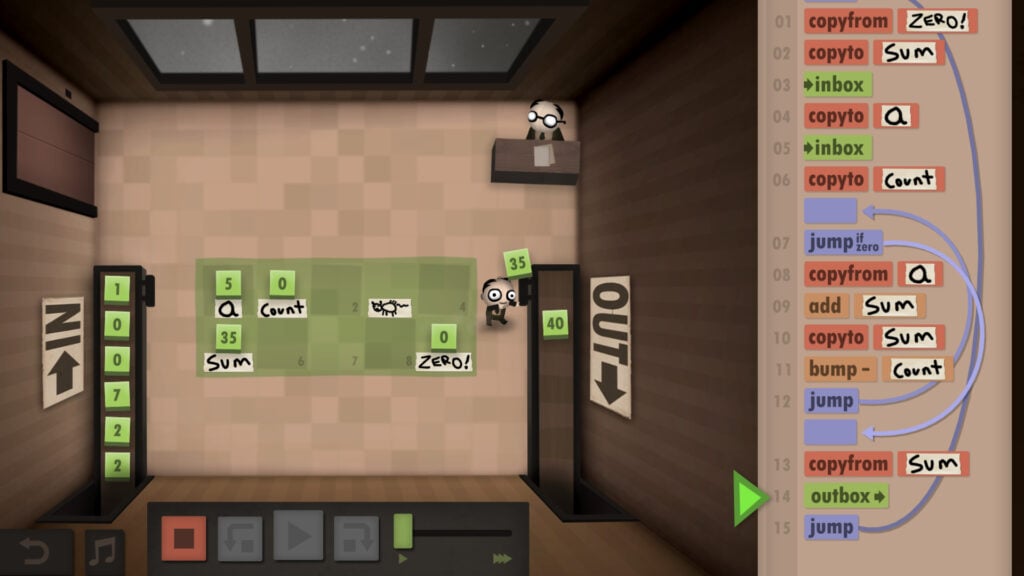
Human Resource Machine turns programming into a strange office job where tiny workers have to move numbers and letters between an inbox, storage spaces, and an outbox. Each assignment gives players an expected result and a limited set of commands, then asks them to arrange those instructions in the right order. Loops, memory, conditional logic, and other programming concepts gradually emerge without requiring players to type actual code.
The early assignments are easy enough to understand after a little experimentation, but later floors become significantly more demanding. Finishing a level is only part of the challenge, however, because optional goals encourage players to find shorter or faster solutions. That introduces the idea that two programs can produce exactly the same result while one is much more efficient than the other.
Why Kids Will Love Human Resource Machine: Solving an assignment feels a bit like cracking a code, especially once several commands have to work together. Kids who enjoy figuring out how systems work may find themselves rewriting a successful solution just to make it better.
- ESRB Rating: E10+ for Everyone 10+
- Content Descriptors: Fantasy Violence
- Players: Single-player
- Available Platforms: Windows, macOS, Linux, Nintendo Switch, iOS, Android
Rabbids Coding! Turns Programming Into A Spaceship Cleanup Job
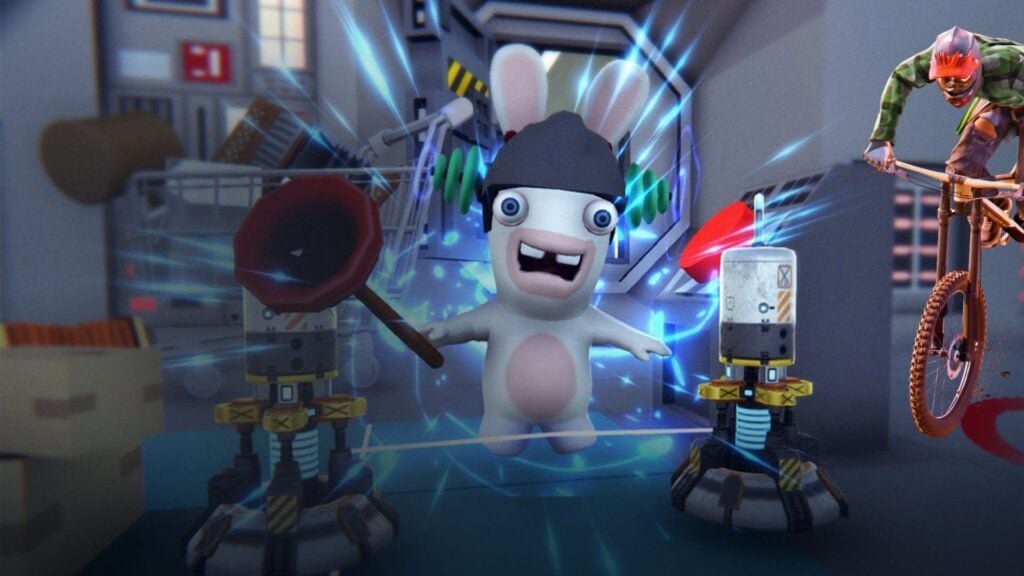
The Rabbids have made a complete mess of a spaceship in Rabbids Coding!, leaving players to restore order by telling the chaotic creatures exactly what to do. Instructions are assembled with blocks rather than typed as lines of code, giving young players a visual introduction to programming concepts such as sequencing, loops, and conditions. Ubisoft specifically designed this free educational game for players ages seven and older.
Each puzzle starts with a goal and a small collection of commands. Kids have to work out which instructions belong where, run the program, then adjust their solution when a Rabbid wanders somewhere it shouldn’t. The blocks make the logic easy to follow because players can literally see the order in which their commands will execute. Unlike a more open-ended programming tool, Rabbids Coding! keeps everything contained within short challenges, making it a good stepping stone before something more elaborate like Game Builder Garage.
Why Kids Will Love Rabbids Coding!: The Rabbids keep programming from looking overly serious. Watching them follow a badly designed sequence can be almost as entertaining as getting the code right, which makes experimentation part of the fun.
- ESRB Rating: No ESRB rating listed
- Content Descriptors: No ESRB descriptors listed
- Players: Single-player
- Available Platforms: Windows PC, iOS, Android
Assassin’s Creed Discovery Tour Lets Kids Explore History Without The Fighting
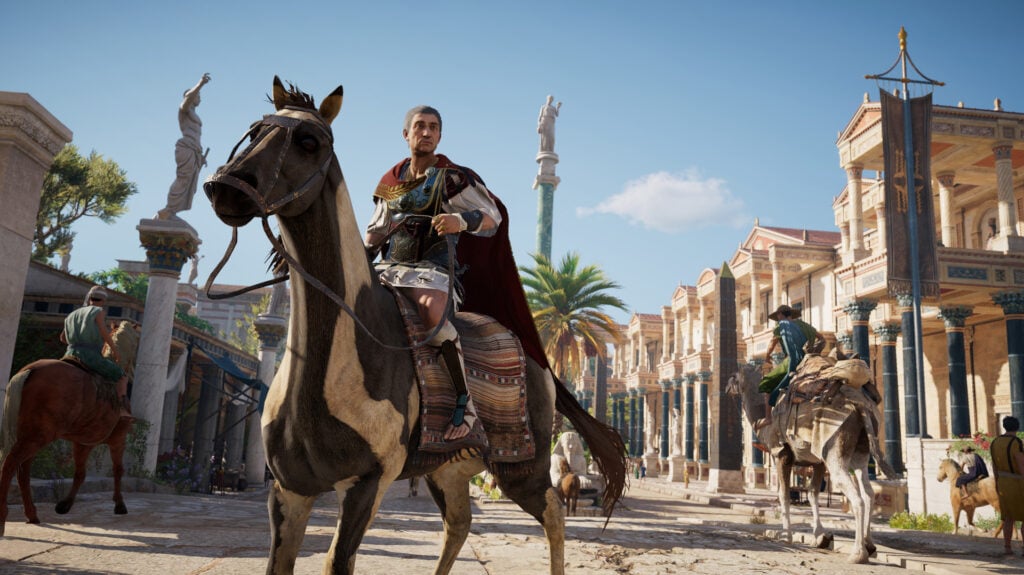
The Assassin’s Creed series has recreated various historical periods in remarkable detail, but the main games contain far too much violence and mature content for younger players. Discovery Tour removes the combat and turns those worlds into interactive museums instead. The three releases cover ancient Egypt, ancient Greece, and the Viking Age, allowing players to walk through reconstructed cities, landmarks, homes, temples, and landscapes while following educational tours.
Ubisoft worked with historians and educators on the material, and curriculum guides developed with McGill University are available for classroom use. The tours cover subjects such as architecture, daily life, religion, politics, mythology, and agriculture while letting students physically walk through the environments being discussed. Ratings vary because some tours contain historical references to subjects such as violence, alcohol, or sexuality, but Ubisoft notes that the Discovery Tour experiences themselves contain no combat.
Why Kids Will Love Assassin’s Creed Discovery Tour: Standing inside a reconstructed Egyptian temple or walking through ancient Athens makes history easier to picture than seeing the same location in a textbook. Kids are free to explore between tours and don’t simply need to move from one lecture to the next.
- ESRB Rating: E for Viking Age; E10+ for Ancient Greece; T for Ancient Egypt
- Content Descriptors: Vary by title; the tours contain no playable combat
- Players: Single-player
- Available Platforms: Windows PC, PlayStation 4/5, Xbox One, Xbox Series X/S; availability varies by Discovery Tour
Universe Sandbox Lets Kids Experiment With An Entire Cosmos
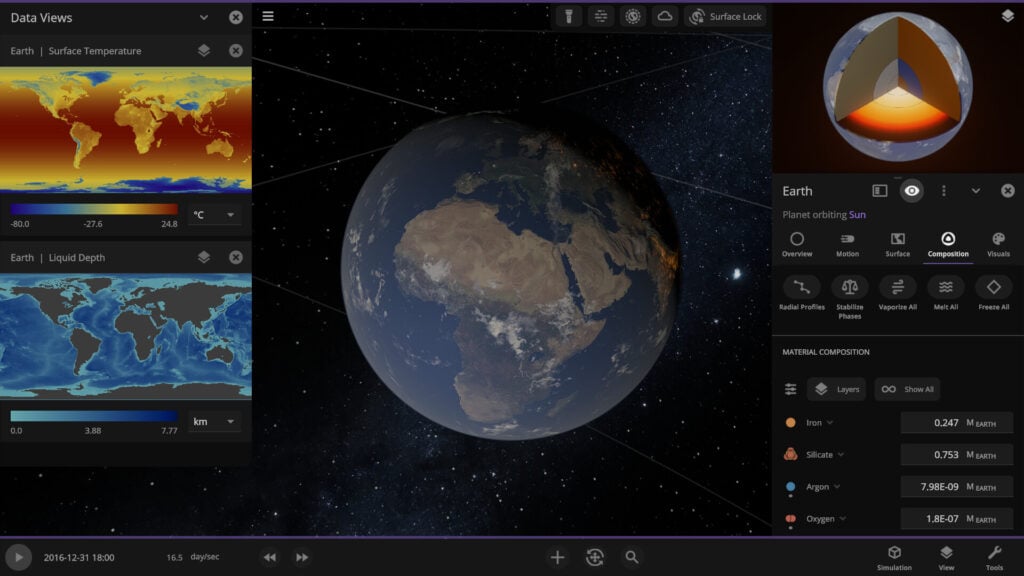
Universe Sandbox hands players a working simulation of space and encourages them to start changing things. Planets can be moved closer to their stars, moons can be added to new orbits, and entire planetary systems can be created from scratch. The simulation models gravity, climate, collisions, and material interactions, giving kids a way to see how changing one variable can affect everything around it.
That freedom can lead to plenty of destruction, like smashing Earth into another planet just for kicks, but even the ridiculous experiments can teach something. Players can watch how an object’s mass alters its gravitational influence, see seasons change after adjusting a planet’s tilt, or discover what happens when oceans are moved too close to a star. Universe Sandbox is more of a scientific playground than a structured course, which makes it one of the best educational video games for curious kids interested in physics and space.
Why Kids Will Love Universe Sandbox: Very few science games let kids play around on this scale. They can build a plausible solar system one minute and throw two planets at each other the next, with real physics helping determine the result.
- ESRB Rating: No ESRB rating listed
- Content Descriptors: No ESRB descriptors listed
- Players: Single-player
- Available Platforms: Windows, macOS, Linux
Kerbal Space Program Gives Players A Chance To Play Rocket Science
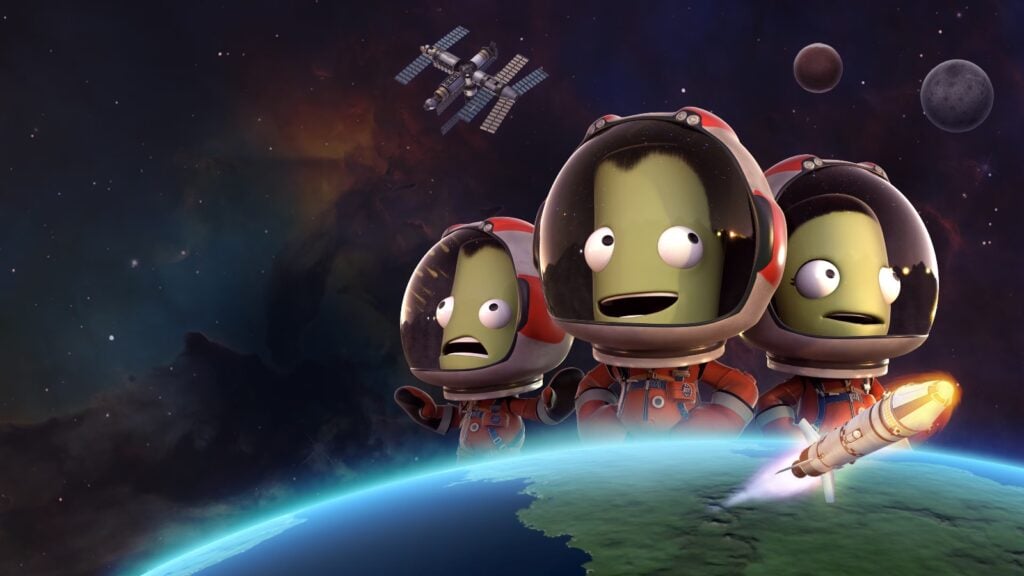
Kerbal Space Program gives players a collection of rocket parts, a launchpad, and a group of extremely trusting little astronauts. Building something that looks vaguely like a rocket is easy. Building something capable of reaching orbit, carrying enough fuel, remaining stable, and returning safely is another matter entirely. The game forces players to think about weight, thrust, staging, aerodynamics, trajectories, and orbital mechanics because a poorly designed spacecraft usually doesn’t make it very far.
What’s interesting about Kerbal Space Program is that it makes failure part of the learning process. A rocket that tumbles out of control might need redesigned fins or a different center of mass, while a mission that runs out of fuel encourages players to reconsider the flight plan. Eventually, kids can graduate from short atmospheric flights to satellites, orbital rendezvous, moon landings, and expeditions to other planets. Kerbal Space Program is far more complicated than most games on this list, but patient older kids can learn an impressive amount about why spaceflight is so difficult.
Why Kids Will Love Kerbal Space Program: Watching a homemade rocket finally reach orbit after several spectacular failures is incredibly satisfying. Every new mission gives players another reason to redesign, test, and improve their spacecraft.
- ESRB Rating: E for Everyone
- Content Descriptors: None
- Players: Single-player
- Available Platforms: Windows, macOS, Linux, PlayStation 4, Xbox One
The Oregon Trail Turns History Into A Fight For Survival
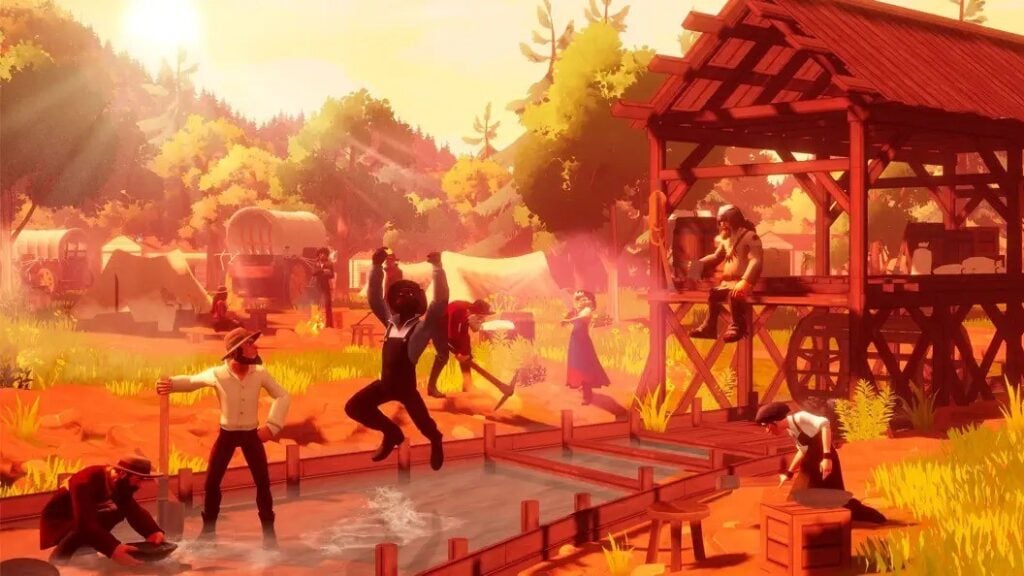
The modern version of The Oregon Trail follows the same basic premise that made the original educational game famous. Players assemble a traveling party, load a wagon with supplies, and head west along the historic trail toward Oregon. The trip involves deciding what to buy, when to rest, which route to follow, and how to respond when illness, injuries, bad weather, or dwindling supplies threaten the group.
This newer interpretation makes a greater effort to present the history surrounding westward migration from multiple perspectives, including Native American characters whose lives were affected by expansion. Kids still need to remember that a video game simplifies a complicated historical period, but it can provide a starting point for questions about migration, geography, disease, transportation, and the realities of nineteenth-century travel.
Why Kids Will Love The Oregon Trail: Every journey produces its own stories. Kids might barely survive a river crossing, lose important supplies in bad weather, or arrive at the next stop with a wagon full of exhausted travelers and somehow keep going.
- ESRB Rating: E10+ for Everyone 10+
- Content Descriptors: Alcohol and Tobacco Reference, Crude Humor, Mild Language, Mild Violence
- Players: Single-player
- Available Platforms: Windows PC, Nintendo Switch, PlayStation 5, Xbox One, Xbox Series X/S, Apple Arcade
Carmen Sandiego Incorporates Geography Into The Mystery

Carmen Sandiego brought one of gaming’s oldest educational franchises back in 2025 with a new globe-trotting mystery game. This time, players take control of Carmen herself as she travels between real-world locations, gathers clues, profiles suspects, and tries to stop VILE operatives. Destinations range from Rio de Janeiro to Tokyo, with famous landmarks and regional details appearing throughout the investigation.
Geography here isn’t presented as a separate quiz that interrupts the game. Instead, knowing where you’re going and paying attention to information about each destination helps drive the investigation forward. Players examine evidence, decode messages, use gadgets, and eventually gather enough information to identify the correct suspect. The ACME Files mode leans even closer to the classic educational Carmen Sandiego games, making the 2025 release a nice bridge between the series’ classroom roots and a modern puzzle game.
Why Kids Will Love Carmen Sandiego: Solving crimes gives every trip around the world a purpose. Kids get to chase villains and use spy gadgets while picking up geographic knowledge almost incidentally along the way.
- ESRB Rating: E for Everyone
- Content Descriptors: Mild Fantasy Violence
- Players: Single-player
- Available Platforms: Windows PC, Nintendo Switch, PlayStation 4/5, Xbox One, Xbox Series X/S; iOS and Android through Netflix Games
Scribblenauts Unlimited Rewards Kids For Knowing More Words
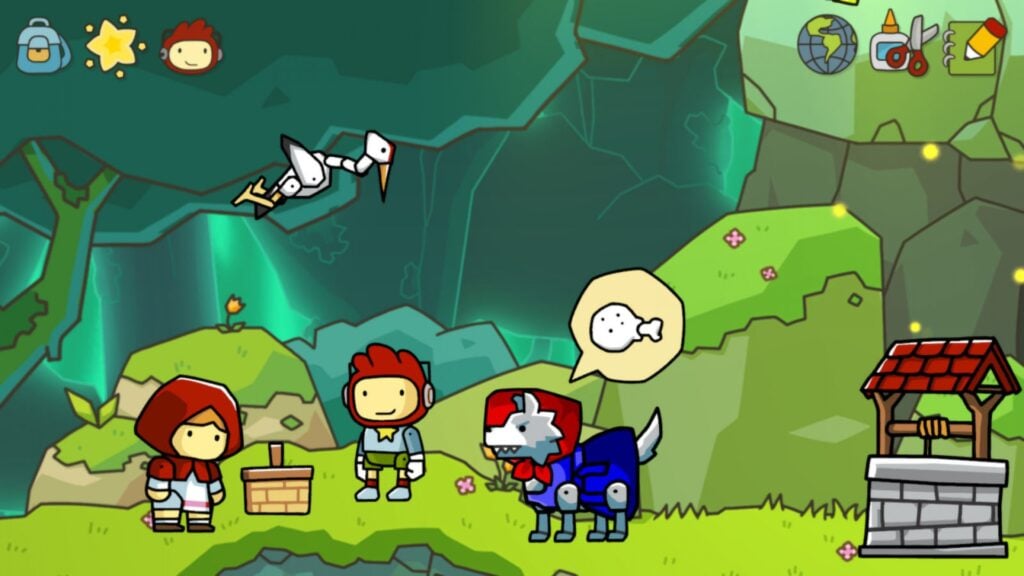
Most puzzle games give players a set collection of tools and ask them to work out where each one belongs. Scribblenauts Unlimited allows players to simply type what they want. Need to get somewhere high? Try creating a ladder. Need something bigger? Summon a helicopter. Objects can then be modified with adjectives, producing combinations that range from genuinely practical to completely ridiculous.
Learning another noun means discovering another possible object, while understanding adjectives greatly expands what those objects can become. Scribblenauts doesn’t teach spelling or vocabulary through formal lessons, but kids constantly have reasons to think of precise words and experiment with their meanings. Creative thinking matters just as much because many challenges accept several very different solutions. The later Mega Pack bundles Unlimited with Scribblenauts Unmasked and remains an easy way to play it on modern consoles.
Why Kids Will Love Scribblenauts Unlimited: Kids can try solutions a more conventional puzzle game would never allow. Half the fun comes from wondering whether an absurd idea will work, typing it in, and discovering that the game actually understands it.
- ESRB Rating: E10+ for Everyone 10+
- Content Descriptors: Cartoon Violence, Comic Mischief
- Players: Single-player; Scribblenauts Mega Pack supports up to 2 players locally on Nintendo Switch
- Available Platforms: Windows PC, Nintendo Switch, PlayStation 4, Xbox One, iOS, Android and older Nintendo systems
Poly Bridge 3 Makes Engineering Feel Like A Puzzle
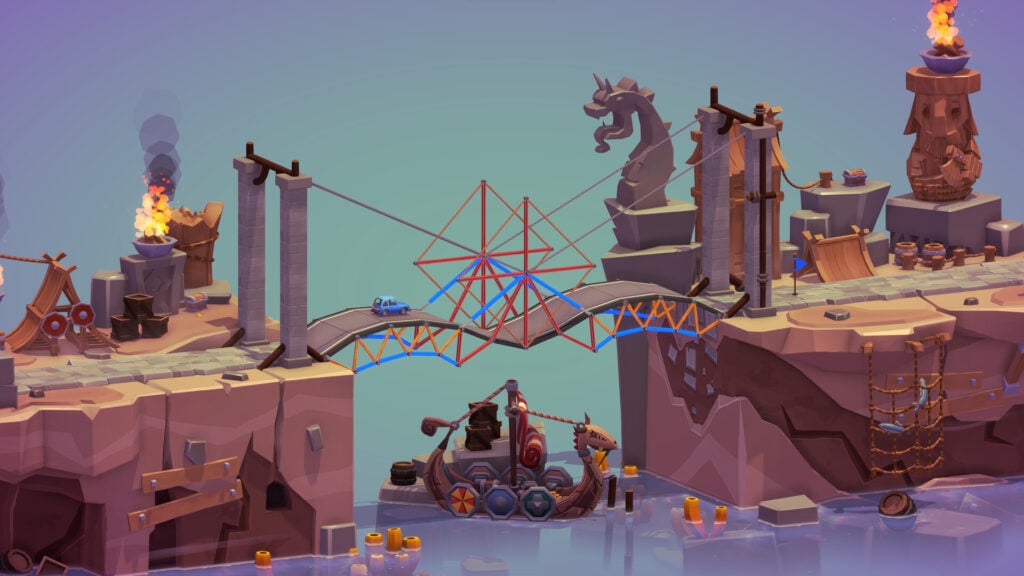
Poly Bridge 3 asks players to build bridges capable of getting vehicles safely from one side of a gap to the other. Each level provides a selection of materials and a budget, leaving players to decide where the supports belong and whether the finished structure can survive the forces acting on it. Later stages introduce hydraulics, jumps, moving sections, and increasingly strange layouts that make a simple straight bridge impossible.
The game doesn’t expect kids to calculate engineering formulas by hand, but the physics make concepts such as tension, compression, load distribution, and structural stability visible. A weak design bends, snaps, or collapses when a vehicle reaches the wrong spot, while a successful bridge shows why its supports work. Because players can immediately rebuild and rerun the simulation, experimenting with different designs becomes much faster than starting over from scratch. Sandbox mode removes many restrictions for kids who would rather build freely.
Why Kids Will Love Poly Bridge 3: Watching a ridiculous bridge wobble but somehow hold together can be just as satisfying as building a sensible one. Kids get immediate feedback from every design, encouraging them to keep changing things until the vehicles make it across.
- ESRB Rating: No ESRB rating listed for all versions; mobile storefronts rate the game for general audiences
- Content Descriptors: No ESRB descriptors listed
- Players: Single-player; community sharing and leaderboards are available on supported versions
- Available Platforms: Windows, macOS, Linux, Nintendo Switch, iOS, Android
Portal 2 Turns Physics And Spatial Reasoning Into Brilliant Puzzles
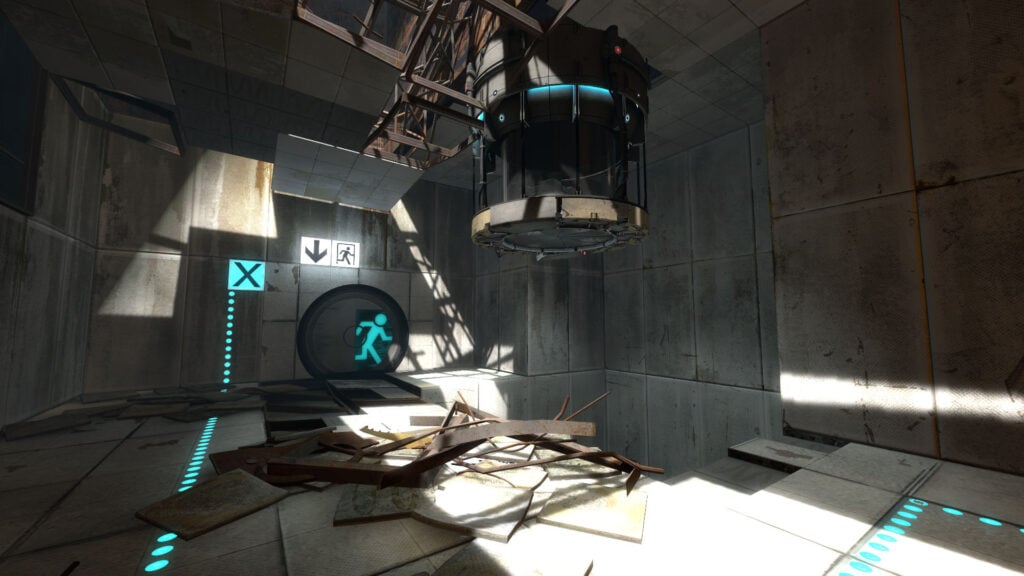
Portal 2 gives players a device that creates two connected portals on suitable surfaces. Walk through one and you immediately emerge from the other, which sounds simple until the game starts asking players to redirect lasers, preserve momentum, launch themselves across rooms, and move objects through spaces that initially appear impossible to cross. Every test chamber teaches another way to think about position, speed, direction, and cause and effect.
The game’s educational potential was strong enough that Valve created the Teach With Portals initiative, which gave educators access to Portal 2 and its Puzzle Maker for lessons involving physics, mathematics, logic, spatial reasoning, and design. The game itself was built as entertainment rather than coursework, and that’s precisely why it belongs among the best educational video games kids will actually want to play. The excellent cooperative campaign is another bonus, forcing two players to communicate when four portals need to work together.
Why Kids Will Love Portal 2: Solving a chamber can make players feel incredibly clever because the answer often involves looking at the room in a completely different way. The funny characters and story keep the game interesting even when players aren’t solving puzzles.
- ESRB Rating: E10+ for Everyone 10+
- Content Descriptors: Fantasy Violence, Mild Language
- Players: Single-player; 2-player local and online co-op
- Available Platforms: Windows PC, macOS, Nintendo Switch, PlayStation 3, Xbox 360; playable on newer Xbox systems through backward compatibility
Never Alone Shares Iñupiat Stories Through Play

Never Alone follows a young Iñupiat girl named Nuna and an Arctic fox as they travel through a dangerous frozen landscape. The game was developed in collaboration with the Iñupiat, an Alaska Native people, with nearly 40 elders, storytellers, and community members contributing to the project. The game’s narrative draws from traditional storytelling, while the spoken narration uses the Iñupiaq language.
As Nuna and Fox travel through the world, players unlock short Cultural Insight videos featuring members of the community discussing subjects connected to the environments, animals, stories, and traditions seen in the game. That gives Never Alone an educational dimension grounded in people talking about their own culture rather than simply using Indigenous imagery as a backdrop. The platforming can occasionally be tricky, but the two-character structure works particularly well in local co-op because each player controls one member of the pair.
Why Kids Will Love Never Alone: Nuna and Fox make for an instantly likeable team, and their different abilities mean both characters are important. The Cultural Insights are short enough to watch between levels without making the game feel like a full-fledged documentary.
- ESRB Rating: E10+ for Everyone 10+
- Content Descriptors: Mild Violence
- Players: Single-player; 2-player local co-op
- Available Platforms: Windows, macOS, Linux, Nintendo Switch, PlayStation 4, Xbox One
Alba: A Wildlife Adventure Encourages Kids To Pay Attention To Nature
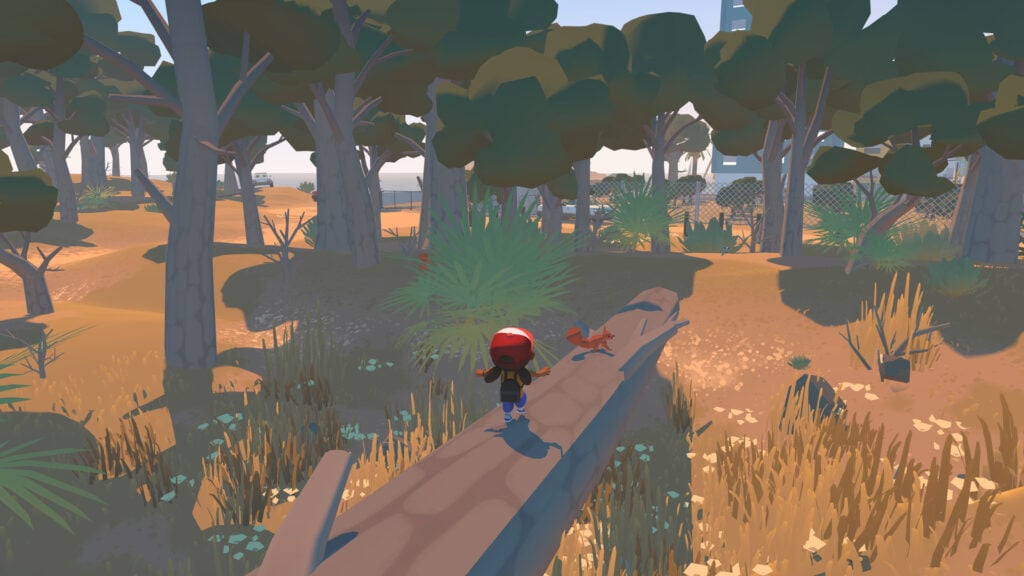
Alba: A Wildlife Adventure sends a young girl to visit her grandparents on a Mediterranean island where wildlife is everywhere. Players explore on foot, photograph animals, identify different species, clean up litter, help injured creatures, and eventually become involved in protecting the island’s nature reserve. There’s no pressure to rush from one objective to the next, leaving plenty of time to look around and see what animals are hiding nearby.
The educational side of Alba comes largely from observation. Kids learn to recognize birds and other wildlife by appearance and habitat while the story introduces ideas surrounding conservation and environmental responsibility. It strikes a nice balance between teaching and simply letting players enjoy being outdoors in a virtual setting. We’ve already highlighted Alba among the best animal games for kids and teens, and its wildlife photography makes it an equally strong fit here.
Why Kids Will Love Alba: A Wildlife Adventure: Filling out the wildlife guide gives kids a reason to search every corner of the island, while helping animals makes exploration feel meaningful. The game is particularly good for young players who already enjoy nature or photography.
- ESRB Rating: E for Everyone
- Content Descriptors: None
- Players: Single-player
- Available Platforms: Windows PC, Apple Arcade, Nintendo Switch, PlayStation 4/5, Xbox One, Xbox Series X/S
Big Brain Academy: Brain vs. Brain Makes Mental Exercises Competitive
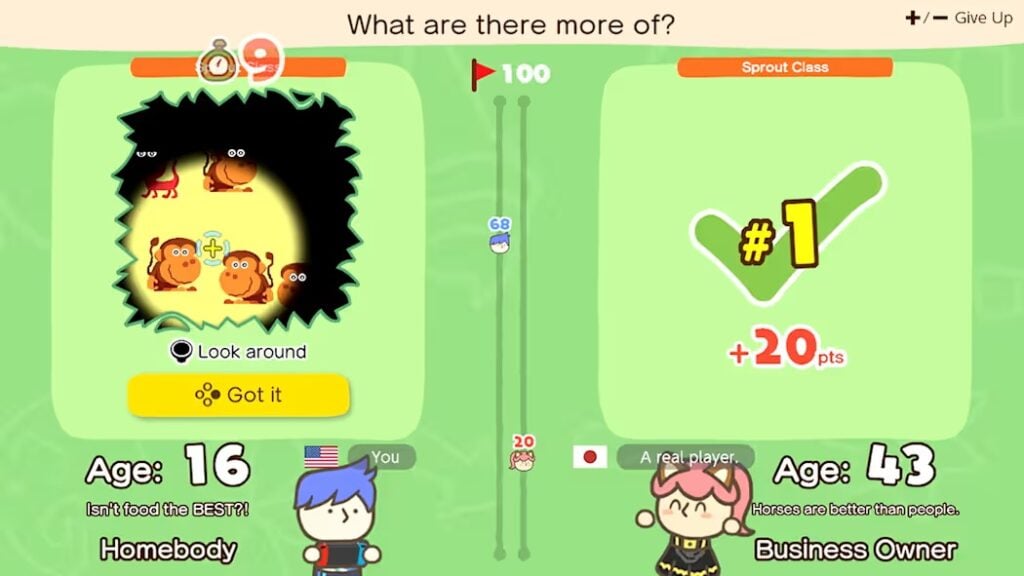
Big Brain Academy: Brain vs. Brain packages short thinking exercises into a party game where players can compete for the highest score. Activities are divided across categories such as memorization, analysis, computation, identification, and visualization. Some challenges involve recognizing an animal as an image slowly becomes clearer, while others ask players to guide a train or perform quick calculations.
The great thing about Big Brain Academy is that everyone can choose a different difficulty level during multiplayer. Solo practice and tests give players a way to improve particular skills before returning to the four-player Party mode. Big Brain Academy doesn’t replace formal instruction in any one subject, but it does a good job of making quick mental exercises something families might voluntarily play together.
Why Kids Will Love Big Brain Academy: Brain vs. Brain: Activities are fast enough that the game rarely gets bogged down, and chasing a sibling’s score can make repeated practice more exciting. Adjustable difficulty is especially good for families with children of different ages.
- ESRB Rating: E for Everyone
- Content Descriptors: Mild Cartoon Violence
- Players: Single-player; local multiplayer for up to 4 players; asynchronous online Ghost Clash
- Available Platforms: Nintendo Switch; compatible with Nintendo Switch 2
Planet Zoo Teaches Kids What Animals Need To Thrive

Planet Zoo gives players responsibility for an entire animal park, from designing habitats to managing staff and keeping guests happy. Every species has its own environmental, social, and welfare requirements, so putting an animal inside a fenced area is only the beginning. Players need to consider shelter, terrain, temperature, enrichment, group size, food, and other factors while building habitats that make sense for the creatures living inside them.
The game’s Zoopedia provides another layer of information about individual species, while conservation themes run throughout the management systems. Compared with simpler zoo games, Planet Zoo gets kids to think more carefully about animal welfare and how a successful zoo balances visitor needs with responsible care. Planet Zoo is easily one of the more demanding games on this list, so we’d recommend it primarily for older kids and teens.
Why Kids Will Love Planet Zoo: Animal lovers can spend just as much time watching their residents as running the business. Building a habitat for a favorite species and then seeing a group settle into it provides a clear payoff for all the planning.
- ESRB Rating: E10+ for Everyone 10+
- Content Descriptors: Crude Humor, Mild Blood, Mild Violence
- Players: Single-player; online community and sharing features
- Available Platforms: Windows PC, PlayStation 5, Xbox Series X/S
Microsoft Flight Simulator 2024 Turns The Whole World Into A Geography Lesson

Microsoft Flight Simulator 2024 recreates the planet at an enormous scale and lets players fly across it using aircraft ranging from small propeller planes to airliners and helicopters. A young aviation fan can take off near home, follow roads and rivers from above, or plan a longer trip across countries and continents. Flight Training teaches the basics, while assistance settings can take some of the pressure off beginners who aren’t ready to manage every system at once.
There’s a surprising amount to learn once kids start paying attention to what’s happening outside the cockpit. Geography becomes much easier to visualize from the air, while weather, navigation, aircraft handling, and flight planning introduce other subjects naturally. Career Mode adds structured jobs for players who want more direction than simply choosing somewhere on the globe and taking off. The learning curve is steep, but few of the best educational video games can match its sense of scale.
Why Kids Will Love Microsoft Flight Simulator 2024: Flying over a city or landmark players recognize can make the enormous world feel immediately personal. Aviation fans can spend years learning new aircraft without running out of places to visit.
- ESRB Rating: E for Everyone
- Content Descriptors: None
- Players: Single-player; online multiplayer
- Available Platforms: Windows PC, Xbox Series X/S
Prodigy Math Hides Math Practice Inside An RPG
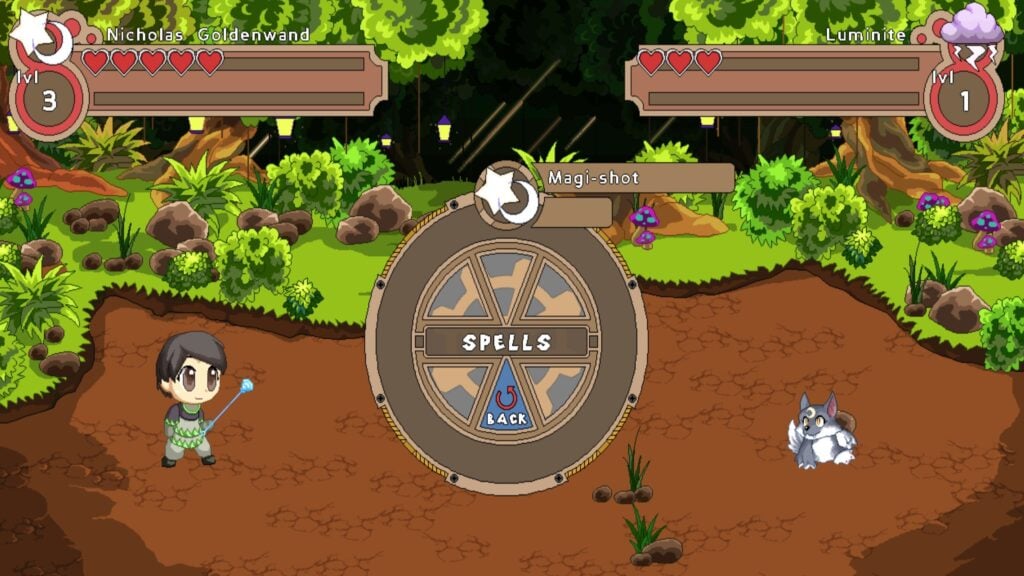
Prodigy Math takes the structure of an online fantasy RPG and places math questions directly inside its battles and progression. Kids create a wizard, explore different areas, collect pets, complete quests, and fight enemies, but succeeding in combat requires answering questions correctly. The difficulty adapts to the player, allowing the game to reinforce areas where they need more practice instead of giving everyone exactly the same work.
The educational material covers grades 1 through 8 and aligns with curricula used in several countries. Parents and teachers can monitor progress, while the core learning content can be accessed without paying for a membership. Optional subscriptions and in-game purchases are worth knowing about before giving a child an account, but the math itself isn’t locked behind the premium tier. Prodigy Math is one of the most direct examples of an educational product trying to compete with the games kids already choose to play.
Why Kids Will Love Prodigy Math: Kids aren’t simply handed another page of equations. New spells, pets, areas, and battles give them something in the game to work toward while all that math practice happens in the background.
- ESRB Rating: No ESRB rating listed; Google Play rates the app Everyone
- Content Descriptors: Mild Fantasy Violence on Google Play
- Players: Online play with single-player progression and social/multiplayer features
- Available Platforms: Web browsers, iOS, Android
Noun Town Language Learning Turns Vocabulary Into A World To Rebuild
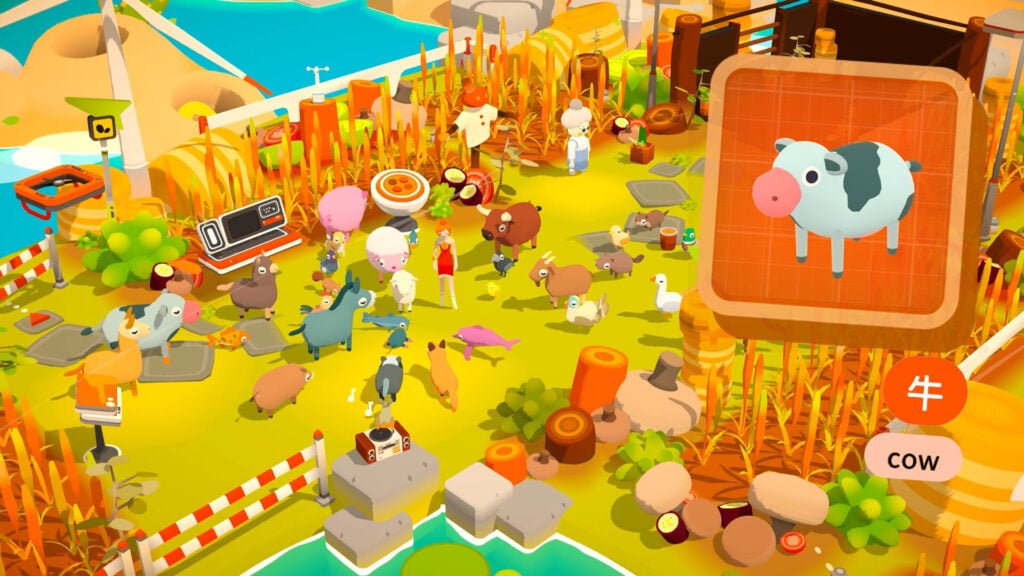
Noun Town Language Learning starts its island in greyscale and gradually restores the environment as players learn new words. The current non-VR version teaches more than 1,000 words and phrases across 12 languages, including Japanese, Korean, Mandarin Chinese, Spanish, French, German, Italian, Russian, Greek, Egyptian Arabic, and English. Vocabulary is tied to places around town, so kids can learn food terms inside a shop or farm-related words while visiting animals.
Mini-games, native-speaker recordings, speech recognition, conversations, and spaced repetition give players several ways to practice that aren’t just simply flipping through digital flashcards. Noun Town is primarily aimed at beginners, which makes it a strong introduction, but not a replacement for more advanced language study. The game left Early Access in May 2026 and has maintained positive Steam feedback, making it one of the more recent additions to our list of the best educational video games.
Why Kids Will Love Noun Town Language Learning: Seeing the town regain its appearance gives vocabulary practice an immediate visual reward. Kids can explore, meet characters, and play mini-games while hearing and speaking the language they’re trying to learn.
- ESRB Rating: No ESRB rating listed
- Content Descriptors: No ESRB descriptors listed
- Players: Single-player
- Available Platforms: Windows, macOS, Meta Quest, SteamVR

