

Finding a game that siblings of different ages want to play is only half the battle. If one child has already been playing games for years and the other is still learning which button makes their character jump, getting through a level together can often require some patience. Unsurprisingly, the older sibling needs enough exciting content to keep them interested. Meanwhile, the younger one deserves a chance to do more than simply follow along and wait for help.
Fortunately, plenty of games account for that difference. Assist settings and easier characters let beginners learn without getting stuck at every obstacle, while cooperative puzzles give them opportunities to contribute through observation and ideas. Sometimes an older sibling can handle a difficult section. Other times, the younger player has exactly the ability the team needs to move forward.
The best games for siblings of different ages give both children a reason to pick up a controller. The games on this list include everything from forgiving platformers and shared building worlds to cooperative games with jobs that suit different skill levels. Some work well for complete beginners, while others need a few settings adjusted before the pair is ready to tackle them together.
Mario Kart 8 Deluxe Helps Younger Racers Keep Up With The Competition
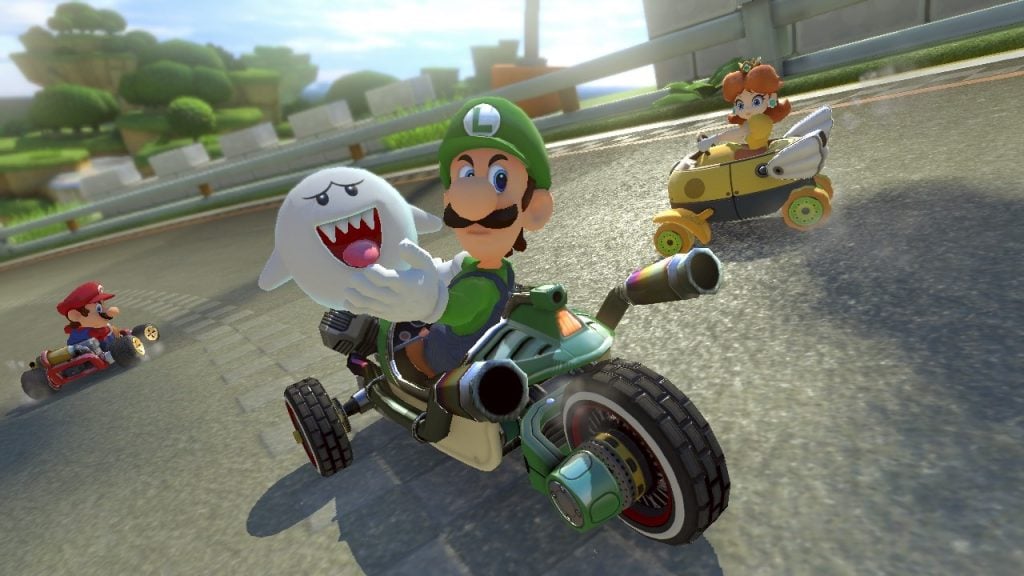
An older sibling who knows every shortcut has a pretty clear advantage in most racing games. That’s still true in Mario Kart 8 Deluxe, but a younger player doesn’t need to master drifting before they can enjoy a race. Smart Steering helps keep their kart on the track, and auto-acceleration takes care of holding down the gas. Each racer can switch these assists on or off, so a beginner gets some help without changing how everyone else plays. They’ll still steer, use items, and decide exactly who deserves that red shell.
Mario Kart 8 Deluxe also lets siblings race on the same team against computer-controlled opponents, which is a good option when finishing behind an older brother or sister has stopped being fun. The assists won’t erase the difference between a newcomer and someone who’s spent years playing Mario Kart. But they do remove a lot of the frustration of repeatedly driving off the course, leaving younger racers free to learn the rest of the game.
Why Kids Will Love Mario Kart 8 Deluxe
Items give a trailing racer something to do about the person in front of them. Even when siblings aren’t equally skilled, landing a well-timed shell is still a small victory worth celebrating.
- ESRB Rating: E — Everyone
- Content Descriptors: Comic Mischief
- Players: 1–4 locally; split-screen racing and battles
- Platforms: Nintendo Switch; playable on Nintendo Switch 2
Super Mario Bros. Wonder Gives Little Siblings Some Big Advantages
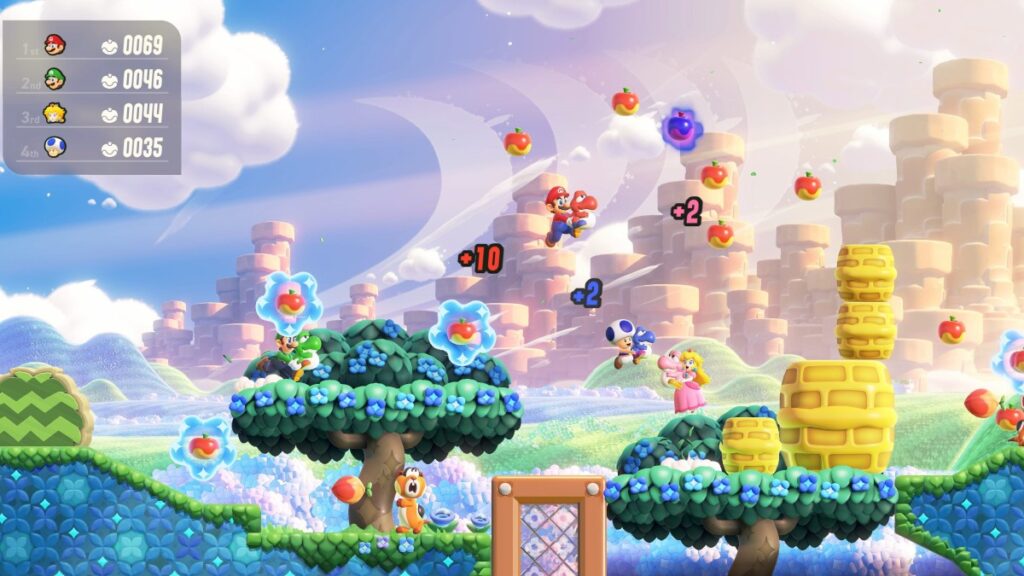
Choosing a character in Super Mario Bros. Wonder has a bigger effect than simply changing the face on the screen. Yoshis and Nabbit don’t take damage from enemies, making them excellent picks for kids who are still learning to judge their jumps. They can still fall into pits, and they miss out on the transforming power-ups available to Mario and most of his friends. That’s a fair trade for a player who spends more time running into Goombas than getting past them, especially since Yoshi keeps abilities like his flutter jump and tongue attack.
Super Mario Bros. Wonder gives defeated players another way back into the action by letting them float toward a teammate as a ghost and touch them to revive. That means an older sibling can help with a difficult section without taking the controller away. Everyone shares the screen, however, so sticking together matters more than racing to the flagpole. Wonder Flowers complicate things in the best possible way, transforming courses and giving even experienced Mario players something new to figure out.
Why Kids Will Love Super Mario Bros. Wonder
The easier characters have their own appeal, particularly Yoshi, whose abilities make him fun to play regardless of skill. Younger siblings get to choose a character they like while enjoying some extra protection.
- ESRB Rating: E — Everyone
- Content Descriptors: Mild Fantasy Violence
- Players: 1–4 locally; shared-screen co-op
- Platforms: Nintendo Switch; playable on Nintendo Switch 2
Kirby And The Forgotten Land Pairs A Pink Powerhouse With A Spear-Wielding Sidekick
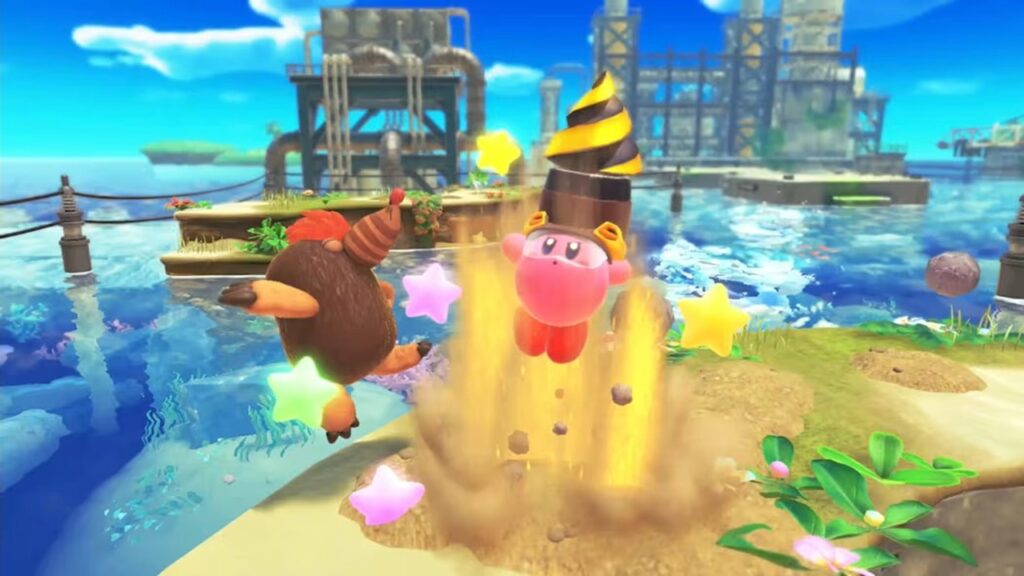
Kirby’s habit of swallowing things gets a little out of hand in Kirby and the Forgotten Land. Alongside his usual copy abilities, Mouthful Mode lets him stretch over objects like cars and vending machines to solve puzzles or batter enemies. A second player joins as Bandana Waddle Dee, who fights with a spear instead. His simpler moveset makes him easier to learn, and he’s perfectly capable of helping with enemies and bosses. For siblings who are happy with different roles, that gives one child plenty of powers to experiment with while the other gets comfortable with a consistent character.
Spring-Breeze Mode makes Kirby and the Forgotten Land more forgiving by giving Kirby extra health. The titular character is essentially the protagonist even in co-op, with Bandana Waddle Dee taking the role of supporting character, which won’t suit every younger sibling. If the little one has their heart set on Kirby, letting the more experienced player take the spear is a better starting point than assigning roles by age. Having someone alongside them to help fight enemies still takes some pressure off, even when they’re the one leading the way.
Why Kids Will Love Kirby And The Forgotten Land
Rescuing Waddle Dees gradually fills their town with places to visit between stages. It’s a cheerful reward for the pair’s progress, and Kirby’s increasingly ridiculous transformations give them plenty to look forward to along the way.
- ESRB Rating: E10+ — Everyone 10+
- Content Descriptors: Cartoon Violence
- Players: 1–2 locally; shared-screen co-op
- Platforms: Nintendo Switch; also available as Nintendo Switch 2 Edition + Star-Crossed World
Yoshi’s Crafted World Lets Siblings Share The Ride
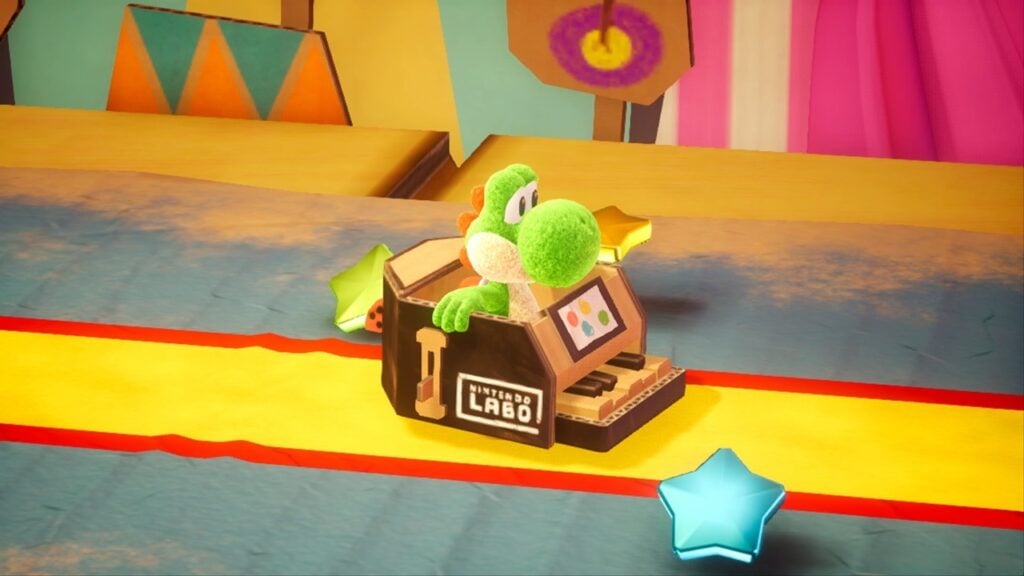
Yoshi’s Crafted World has a particularly good solution for a tricky section of platforming: let one Yoshi ride the other. The player underneath handles movement while the rider throws eggs, giving both siblings a job even when only one of them is comfortable making the jumps. Once they’re through, the rider can hop off and get back to exploring. Both players are Yoshis with the same basic abilities, so there’s no need to spend the entire game deciding who gets to be the main character.
The cardboard scenery and household-object decorations make Yoshi’s Crafted World look like something built on a very ambitious craft afternoon. Looking closely pays off, with secrets tucked into the foreground and background as well as along the main path. Older kids can search for those extras while a beginner concentrates on reaching the end of the course. Mellow Mode adds wings to make staying airborne easier, and costumes absorb damage when an enemy gets too close.
Why Kids Will Love Yoshi’s Crafted World
Returning to a course from the opposite side reveals the backs of the handmade scenery and sends players looking for Poochy Pups. Kids who enjoy poking around have a reason to explore beyond the first trip to the finish.
- ESRB Rating: E — Everyone
- Content Descriptors: Mild Cartoon Violence
- Players: 1–2 locally; shared-screen co-op
- Platforms: Nintendo Switch; playable on Nintendo Switch 2
Disney Illusion Island Makes Helping Each Other Part Of The Game
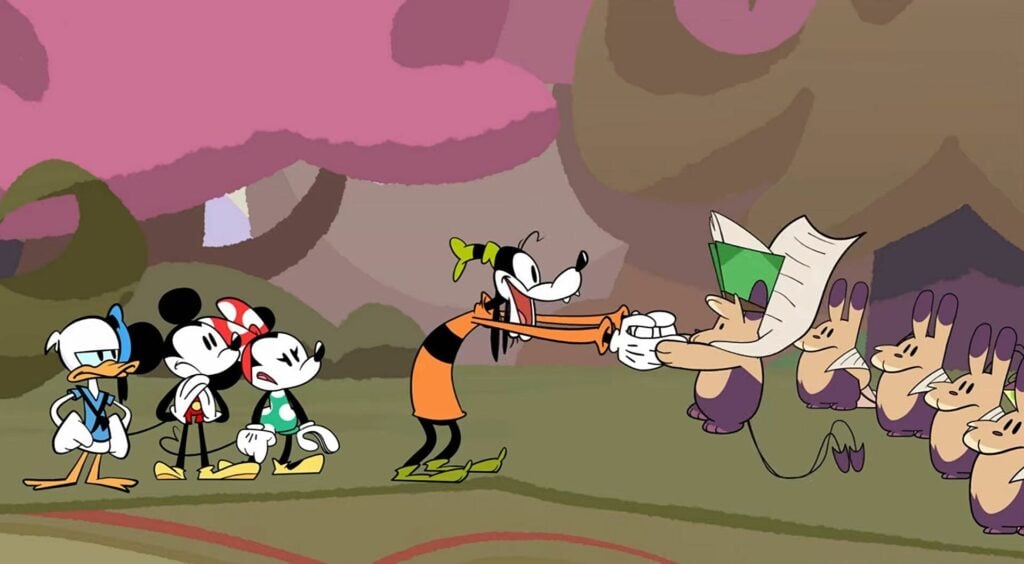
Mickey, Minnie, Donald, and Goofy have different ways of showing off their abilities in Disney Illusion Island, but none of them gets stuck with a weaker set of moves. Kids can choose their favorite without worrying about who has the best jump. Each player also chooses their own starting health, including an infinite-health option, so an experienced sibling can take on more risk while a beginner learns the controls. Getting through the platforming still takes practice, but repeatedly taking damage doesn’t have to send the younger player back to try again.
When somebody reaches a ledge first, they can drop a rope for the others to climb. Meanwhile, Leapfrog gives teammates a boost, and a hug provides extra health. These are actions the children perform for each other, giving a younger sibling opportunities to help as well as receive help. Older kids have routes and hidden areas to investigate, while everyone gains the tools needed to keep exploring together. The shared camera does require the faster player to wait occasionally, especially while someone is learning a new move.
Why Kids Will Love Disney Illusion Island
Helping a sibling over an obstacle is built into the core gameplay. The player who reaches the top gets to throw down a rope, regardless of who’s older or usually better at games.
- ESRB Rating: E — Everyone
- Content Descriptors: Mild Fantasy Violence
- Players: 1–4 locally; shared-screen co-op
- Platforms: Nintendo Switch, PlayStation 5, Xbox Series X|S, and PC; playable on Nintendo Switch 2
Untitled Goose Game Gives Two Siblings A Village To Annoy
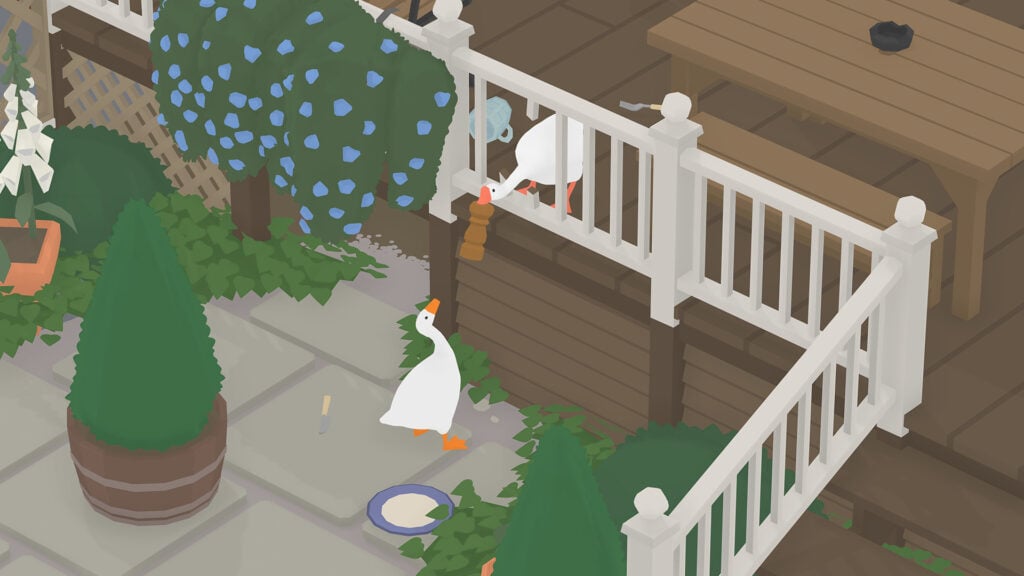
Two geese are considerably worse than one, at least from the villagers’ perspective. Untitled Goose Game lets siblings work through a collection of petty crimes together, stealing belongings and generally making a nuisance of themselves. Both geese can honk, grab objects, and cause trouble, so the second player has the same tools as the first. Distracting a villager while your partner sneaks away with something is a proper contribution, even if honking at people is the only part the younger child really cares about.
The trickier objectives in Untitled Goose Game involve figuring out how people and objects interact. An older sibling can read the checklist and help work out a plan, but spotting an unattended item or an opening to run through doesn’t require being the best reader in the room. Some objectives need careful timing, so this isn’t a game where absolutely any amount of chaos gets the job done. Fortunately, wandering off to torment somebody for a while is entertaining in its own right.
Why Kids Will Love Untitled Goose Game
The geese are equally capable of being helpful or making a complete mess of everything. A failed attempt usually leaves the siblings with just an annoyed villager and a good reason to try something even more ridiculous.
- ESRB Rating: E — Everyone
- Content Descriptors: None listed
- Players: 1–2 locally; shared-screen co-op
- Platforms: Nintendo Switch, PlayStation 4, Xbox One, PC, and Mac; playable on compatible newer consoles
Snipperclips Plus Lets A Good Idea Matter More Than Fast Fingers
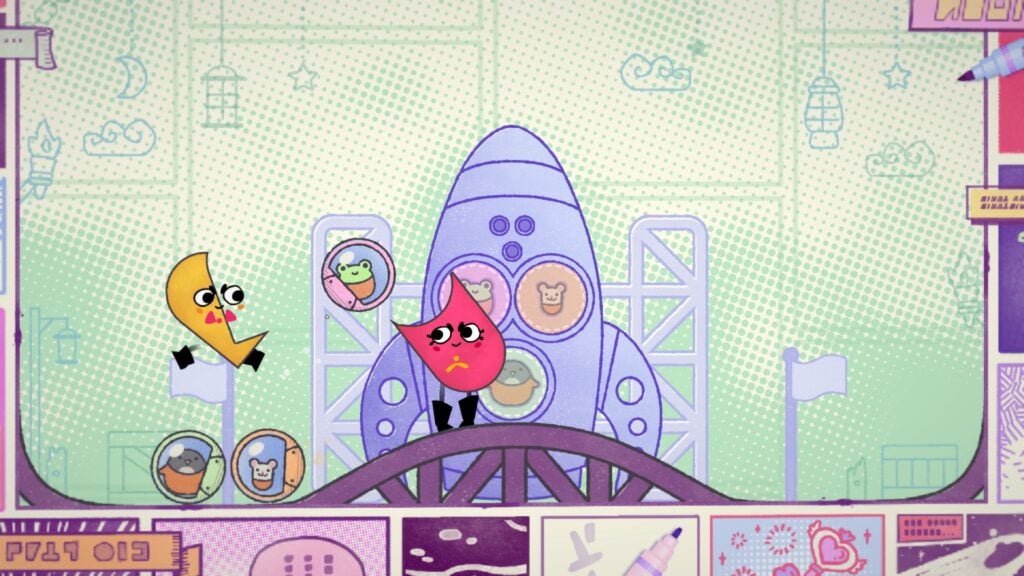
Being older doesn’t guarantee that you’ll be the first to solve a puzzle in Snipperclips Plus. The game’s two paper characters change shape by overlapping and cutting pieces out of each other, then use their new outlines to complete various tasks. Cutting a scoop into your partner helps them carry something, while a pointed edge comes in handy for popping a balloon. Working out which shape to make is often more important than making it quickly, giving a younger sibling with a good idea just as much say in the solution.
Because either character can cut the other and mistakes can be undone, Snipperclips Plus gives siblings room to experiment without committing to a plan right away. The more confident player can help line up a complicated cut, then let their partner use the resulting shape. Other puzzles require both characters to hold a position or move together, so neither player gets to solve everything while the other one watches.
Why Kids Will Love Snipperclips Plus
Turning your sibling into a strangely shaped tool is funny even when it doesn’t solve anything. Seeing that improvised shape actually work makes the solution feel like something the pair invented together.
- ESRB Rating: E — Everyone
- Content Descriptors: None listed
- Players: 1–2 in the main puzzles; 2–4 in Party and Blitz modes
- Platforms: Nintendo Switch; playable on Nintendo Switch 2
Captain Toad: Treasure Tracker Trades Tricky Jumps For Clever Routes
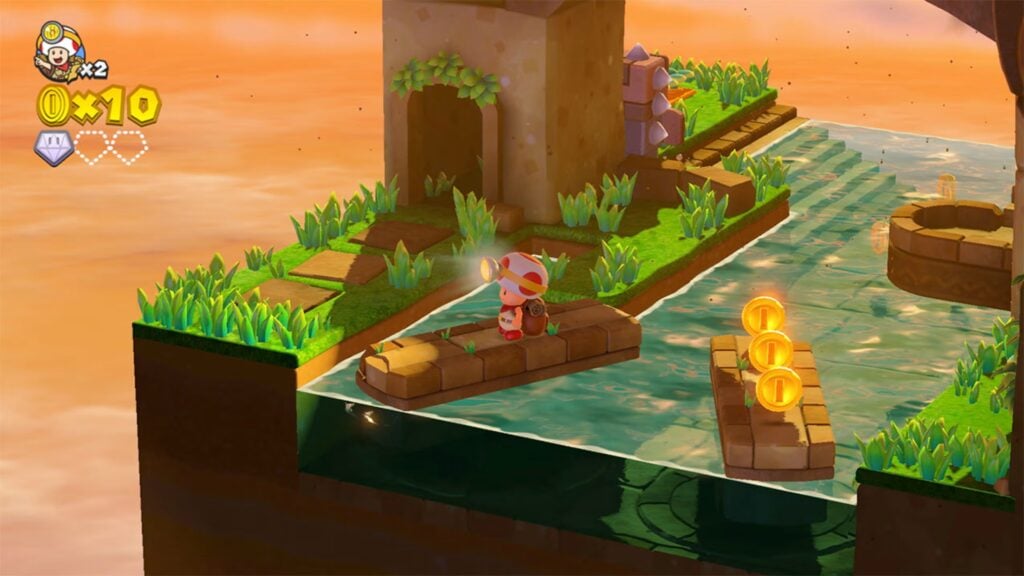
Captain Toad: Treasure Tracker removes one of the biggest hurdles for players new to platforming games by giving its hero no jump button at all. Reaching the star at the end of each miniature course means finding a route through ladders, moving platforms, and passages that aren’t always visible from the starting angle. There are still enemies to avoid and hazards to time, but repeated precision jumps aren’t standing between players and the next level.
With the free co-op update installed, the Switch version of Captain Toad: Treasure Tracker lets both siblings control a character as they explore. An older child can help work out the route while the younger one searches for gems or points out a passage they’ve missed. Optional objectives give the pair more to attempt after reaching the star, without requiring them to do everything on their first visit.
Why Kids Will Love Captain Toad: Treasure Tracker
Turning a course around and discovering a hidden passage is satisfying regardless of who finds it first. The compact levels reward paying attention, giving observant younger siblings plenty of chances to make the next discovery.
- ESRB Rating: E — Everyone
- Content Descriptors: Mild Cartoon Violence
- Players: 1–2 locally on Nintendo Switch with the free co-op update
- Platforms: Nintendo Switch for this co-op recommendation; playable on Nintendo Switch 2
Minecraft Gives Each Sibling Room To Build At Their Own Pace
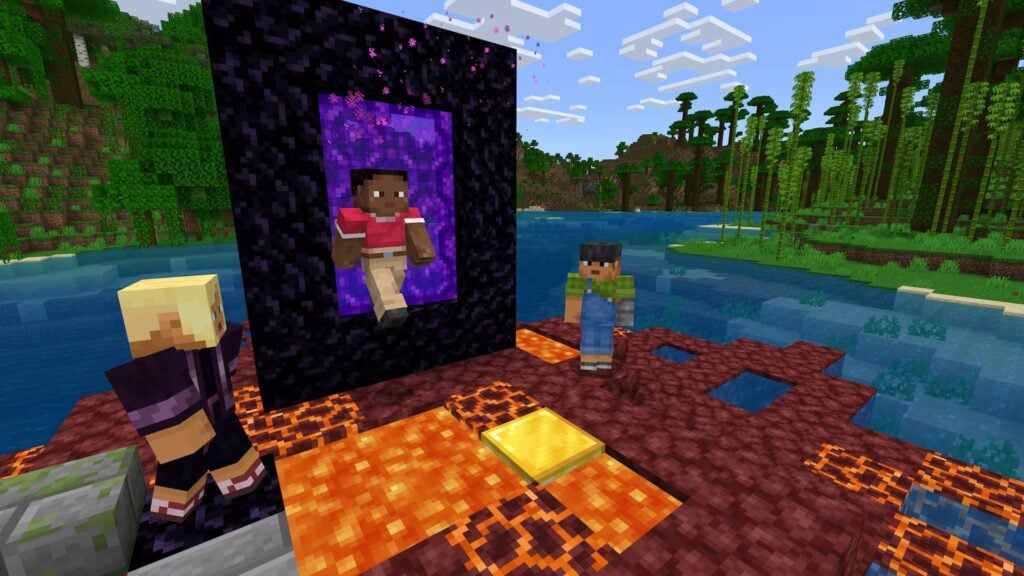
An elaborate castle and a small house made entirely of pink blocks can belong in the same Minecraft world. There’s no requirement that siblings build at the same scale or work toward the same project, which makes the game particularly good for kids with different interests as well as different abilities. An older player can tackle redstone machinery while a younger sibling builds a home for their animals. Their projects become part of a shared place they can keep returning to, and nobody has to finish first for the other person to make progress.
Creative Mode is the best starting point when the skill gap is large. Minecraft gives players access to building materials, lets them fly, and removes the usual concerns about health and hunger, leaving them free to experiment. Survival adds resource gathering and danger, so choosing that mode instead changes the demands considerably. Console versions support split-screen for playing on one television, whereas PC and mobile players generally need separate devices and a multiplayer connection.
Why Kids Will Love Minecraft
The younger child’s building doesn’t have to be as complicated as their sibling’s to earn a place in the world. Both can add something of their own, then connect their creations when they feel like working together.
- ESRB Rating: E10+ — Everyone 10+
- Content Descriptors: Fantasy Violence
- Players: Up to 4 in local split-screen on supported console versions; multiplayer options vary by edition
- Platforms: Nintendo Switch, PlayStation 4, PlayStation 5, Xbox One, Xbox Series X|S, PC, Android, and iOS
LEGO Star Wars: The Skywalker Saga Makes Room For A Jedi In Training
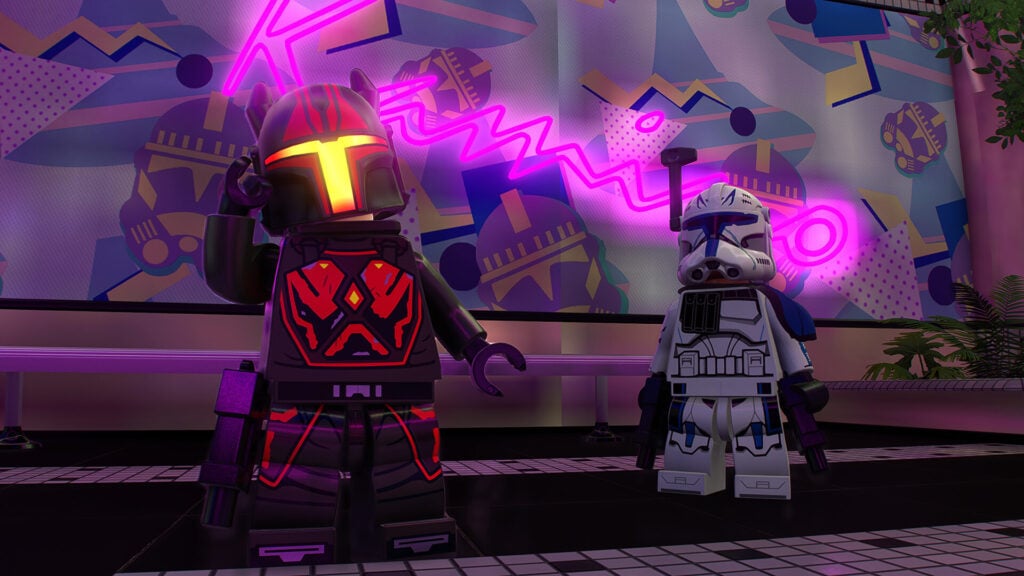
LEGO Star Wars: The Skywalker Saga covers all nine main films, giving siblings plenty of opportunities to charge into trouble with a lightsaber. Two players share the campaign in split-screen, each controlling a character with a job to do. Different character types interact with different obstacles, so progressing through a level involves more than just following the better fighter. A younger sibling can help clear enemies, collect studs, and use the character abilities needed to open the way forward, while an older player handles the more complicated navigation and puzzles.
Getting knocked apart costs some studs before the character returns, which makes mistakes much less disruptive than having to restart a mission. LEGO Star Wars: The Skywalker Saga also has plenty to collect and revisit once more characters are available, giving an older fan something to pursue beyond finishing the story. The larger areas and menus take more explaining than the simpler LEGO games, so a complete beginner will need some guidance. Once they’ve learned the basics, however, both players get to take part in the fights and discoveries.
Why Kids Will Love LEGO Star Wars: The Skywalker Saga
Unlocking characters gives siblings new favorites to play and new abilities to try in places they’ve already visited. The LEGO humor makes even the films’ more serious moments a good excuse for something silly.
- ESRB Rating: E10+ — Everyone 10+
- Content Descriptors: Cartoon Violence, Comic Mischief
- Players: 1–2 locally; split-screen co-op
- Platforms: Nintendo Switch, PlayStation 4, PlayStation 5, Xbox One, Xbox Series X|S, and PC; playable on Nintendo Switch 2
Sackboy: A Big Adventure Gives A Helping Hand Some Extra Reach
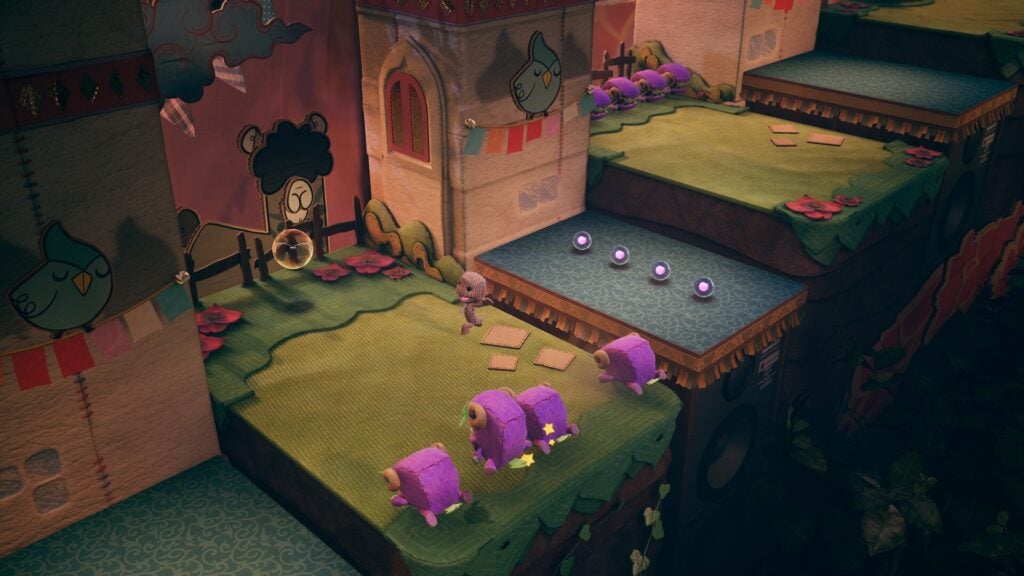
Being able to pick up your sibling and carry them past a difficult jump is a pretty good reason to play Sackboy: A Big Adventure together. A more experienced player can carry their partner across a troublesome section, then put them down to tackle the next part themselves. There are also levels built specifically for co-op, where getting everyone through takes a little more thought than simply following whoever knows the way.
Sackboy: A Big Adventure becomes demanding as it goes on, particularly if the pair starts chasing every collectible or tackling the Knitted Knight Trials. Turning on infinite lives removes the pressure of running out of attempts, although it won’t make the jumps themselves easier. Younger players get room to practice, and confident players still have plenty of tricky routes and timed challenges to master. The grabbing works both ways, of course, so siblings will also have to resist the temptation to throw each other randomly just for kicks.
Why Kids Will Love Sackboy: A Big Adventure
Costumes let each player put together their own little knitted hero, while the music stages turn running and jumping into a performance. There’s plenty to enjoy together between the harder sections.
- ESRB Rating: E — Everyone
- Content Descriptors: Mild Cartoon Violence, Mild Lyrics
- Players: 1–4 locally; shared-screen co-op
- Platforms: PlayStation 4, PlayStation 5, and PC
Luigi’s Mansion 3 Gives The Sidekick A Few Tricks Luigi Can’t Copy
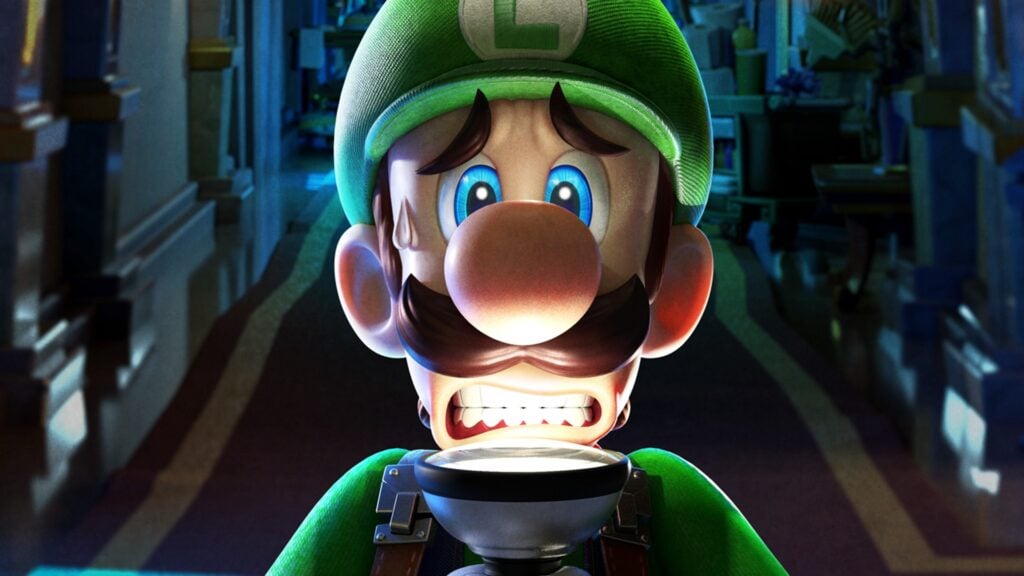
Luigi needs help getting through a haunted hotel, and his best candidate is a wobbly green version of himself. In Luigi’s Mansion 3, a second player controls Gooigi, who slips through grates and walks across spikes that stop Luigi in his tracks. Those abilities make him essential to solving puzzles, even though he’s the supporting character. Both siblings also get to use a ghost-catching vacuum, so playing Gooigi involves fighting ghosts and searching rooms as well as opening a path for his less flexible partner.
Gooigi dissolves in water and has less health than Luigi, but he can be summoned again after disappearing. That makes him a forgiving role for someone who’s still learning, without removing their contribution to the game. Luigi’s Mansion 3 does require some solo progress before Gooigi becomes available, so co-op isn’t ready the moment you start. Once it is, the hotel gives the two players plenty to investigate, with secrets hidden among furniture that practically begs to be vacuumed apart.
Why Kids Will Love Luigi’s Mansion 3
The child playing Gooigi gets to go places Luigi can’t reach. Having an ability their sibling needs is a good reason to enjoy the second-player role, especially when it helps solve a puzzle together.
- ESRB Rating: E — Everyone
- Content Descriptors: Comic Mischief, Mild Cartoon Violence
- Players: 1–2 locally in the story after unlocking Gooigi; additional multiplayer modes available
- Platforms: Nintendo Switch; playable on Nintendo Switch 2
Moving Out 2 Lets Little Movers Handle More Than The Small Boxes
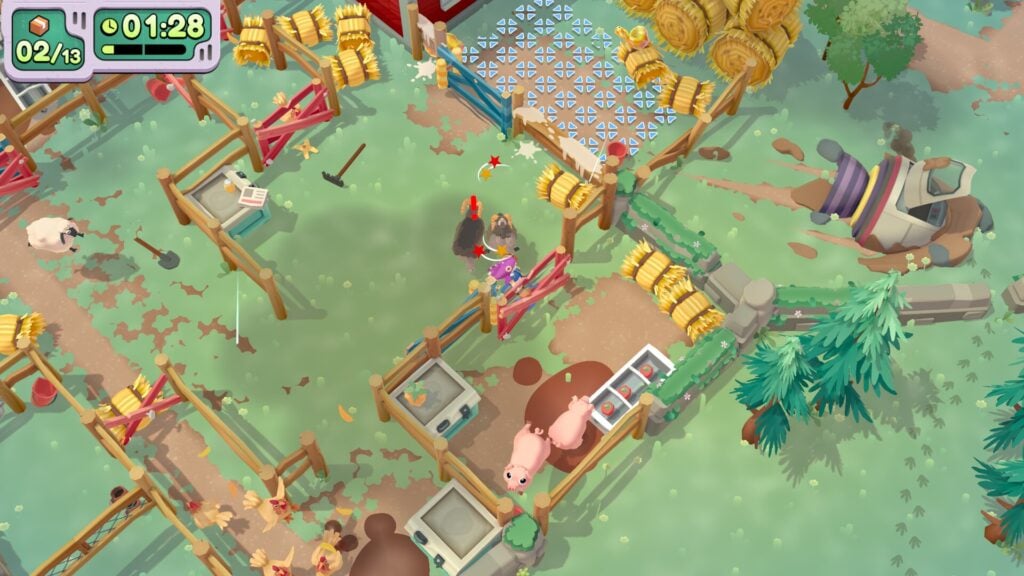
Getting a sofa through a doorway takes cooperation in Moving Out 2, but throwing it through a window is often a perfectly acceptable alternative. Siblings work for a moving company that cares much more about getting furniture into the truck than protecting the customer’s property. Small objects are easy to grab and deliver alone, while bulky furniture gives the pair a reason to coordinate their movements. A younger player can learn by tackling straightforward deliveries before helping wrestle something awkward around a corner.
Moving Out 2’s Assist Mode includes options to extend the time allowance and make heavy objects easier to move, giving players room to adjust how much coordination a job requires. Later levels introduce more elaborate hazards and machinery, so the assists are worth revisiting as the game gets harder. Both players contribute to the same delivery, and a box brought to the truck still counts even if somebody else did the clever maneuvering with the sofa. There’s no need to turn every job into a race for the best possible time.
Why Kids Will Love Moving Out 2
Breaking things is usually part of the fun rather than a reason to start over. Siblings get to experiment with shortcuts and throws, then watch their questionable moving techniques still somehow finish the job.
- ESRB Rating: E — Everyone
- Content Descriptors: Mild Cartoon Violence
- Players: 1–4 locally; shared-screen co-op
- Platforms: Nintendo Switch, PlayStation 4, PlayStation 5, Xbox One, Xbox Series X|S, and PC; playable on Nintendo Switch 2
Overcooked! All You Can Eat Gives New Chefs Time To Learn The Recipe
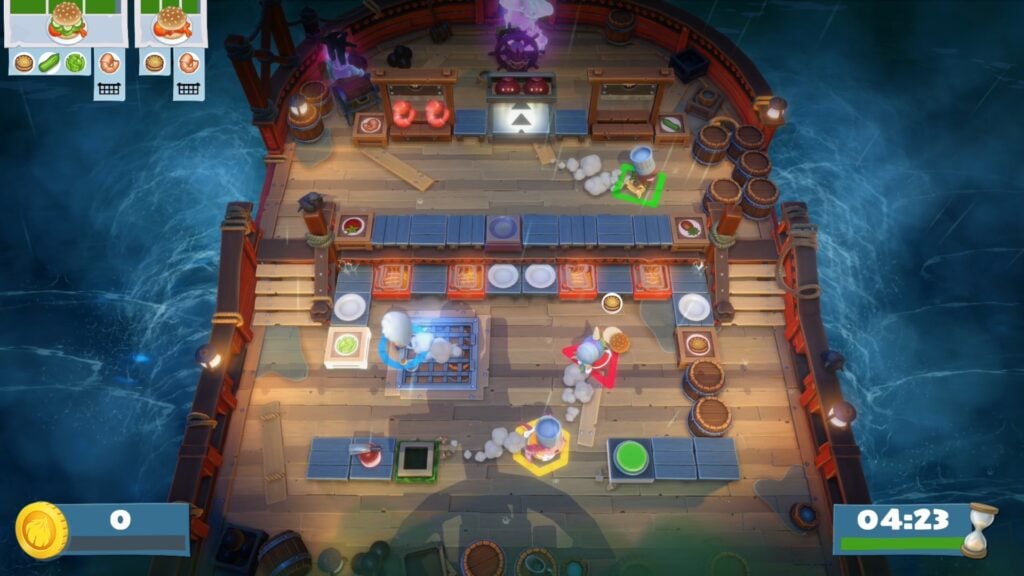
Overcooked! All You Can Eat needs a little adjustment before it’s a good fit for siblings with a large skill gap. The kitchens run on timers, and a missed order or burning pan quickly adds to the confusion. Assist Mode eases players in with longer rounds and more time before orders expire, while Practice Mode gives the pair a place to learn a kitchen without the usual countdown. Those options are quite value since even players who know the controls need time to work out who should do what.
An older sibling can keep track of incoming orders while a beginner learns to chop ingredients or plate finished food. These jobs directly affect what the kitchen serves, and they’re easy to swap once the younger player is ready for something else. Overcooked! All You Can Eat includes both original games and their extra content, so there’s plenty of room to stick with simpler kitchens before attempting the stranger layouts. Siblings who enjoy dividing up a task will get more out of it than a pair who already argue about whose turn it is to do something.
Why Kids Will Love Overcooked! All You Can Eat
Completing an order depends on the work both chefs put into it. Once siblings settle into their jobs, turning a kitchen full of scattered ingredients into a string of finished meals is wonderfully satisfying.
- ESRB Rating: E — Everyone
- Content Descriptors: Mild Cartoon Violence
- Players: 1–4 locally; shared-screen co-op
- Platforms: Nintendo Switch, PlayStation 4, PlayStation 5, Xbox One, Xbox Series X|S, and PC; playable on Nintendo Switch 2
Cat Quest II Lets Siblings Fight Like Cats And Dogs On The Same Side
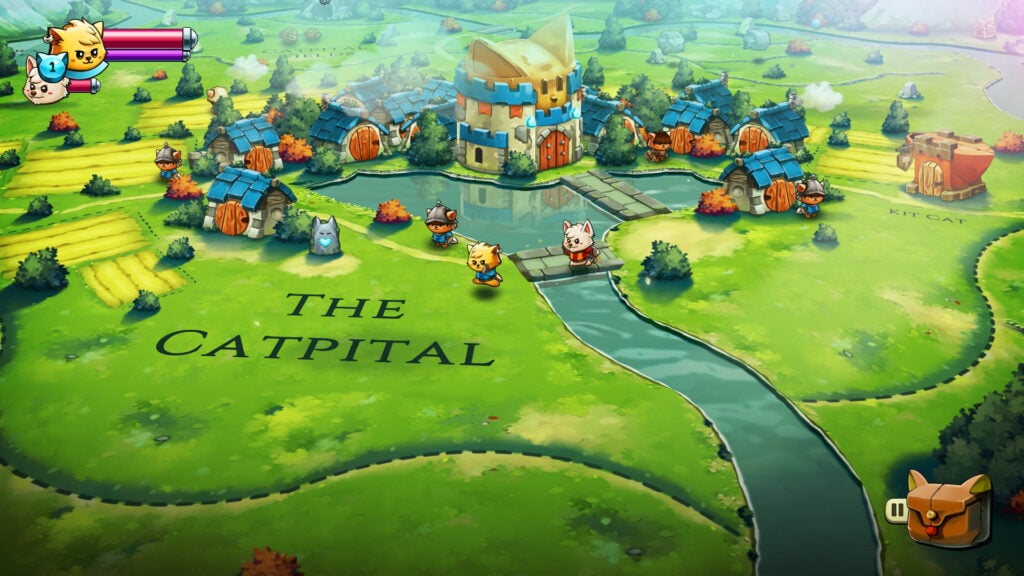
A cat and a dog trying to reclaim their kingdoms make an appropriate team for siblings who don’t always agree on things. Cat Quest II sends its two heroes across a world of quests and dungeons, with real-time combat built around attacking, dodging, and casting spells. Each player equips their own gear, so they don’t have to fight in exactly the same way. For instance, pairing a sword user with someone wielding a magical staff lets the children contribute from different distances, and a fallen partner can be revived if the surviving player reaches them and stays nearby long enough.
Cat Quest II keeps equipment and quest systems fairly simple, making it a good introduction to playing an action RPG together. An older sibling can help compare gear and choose where to go next, while both players handle their own attacks during a fight. Enemy attack markers give them a warning to move, but dodging still takes timing, and charging into an area above their level is a quick way to get overwhelmed. Side quests give the pair another way to gain experience and improve their equipment before returning to a tougher encounter.
Why Kids Will Love Cat Quest II
Both heroes get stronger as the pair explores, with new weapons and spells giving them reasons to try another dungeon. The animal puns are relentless, which is either a bonus or an extra challenge for the older sibling depending on how you look at it.
- ESRB Rating: E10+ — Everyone 10+
- Content Descriptors: Fantasy Violence
- Players: 1–2 locally; shared-screen co-op
- Platforms: Nintendo Switch, PlayStation 4, Xbox One, and PC; playable on compatible newer consoles
Rayman Legends Keeps One Bad Jump From Ending The Run
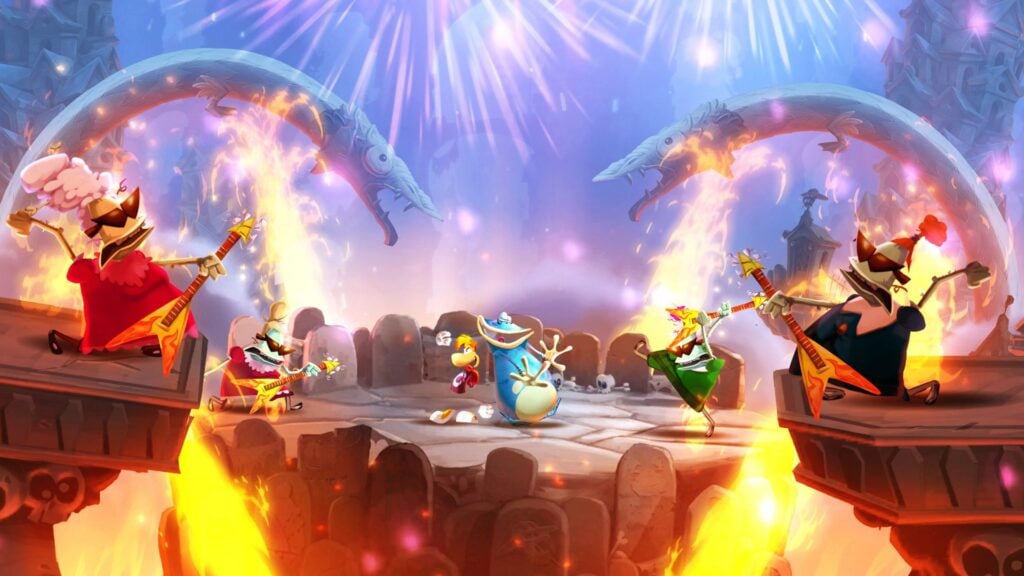
Missing a jump in Rayman Legends doesn’t have to bring both siblings to a halt. In co-op, a defeated character inflates into a floating bubble that another player can pop to bring them back. As long as someone survives, there’s a chance to recover and keep moving. An experienced sibling can get through a difficult section and help their partner rejoin, making mistakes less disruptive than they would be while playing alone. Everyone has the same core platforming abilities, so younger players still get to run, punch, and wall-jump through the level themselves.
The early courses in Rayman Legends give kids time to learn the basic moves before asking them to combine them at speed. Later stages are much tougher, particularly the chases and music levels where keeping up is part of the challenge. The revival system helps, but it doesn’t turn those sections into beginner courses. Siblings are better off treating a clean run or a complete set of collectibles as something to work toward after they’re comfortable reaching the finish.
Why Kids Will Love Rayman Legends
The music levels line up jumps and attacks with the soundtrack, making a successful run feel like the pair has learned a performance. Replaying a level together is a good excuse to see how much their timing has improved.
- ESRB Rating: E10+ — Everyone 10+
- Content Descriptors: Cartoon Violence, Comic Mischief
- Players: 1–4 locally in the main platforming game; features vary by version
- Platforms: Nintendo Switch, PlayStation 4, Xbox One, PC, PlayStation 3, Xbox 360, and Wii U; handheld versions differ
PAW Patrol World Lets The Youngest Sibling Lead The Rescue
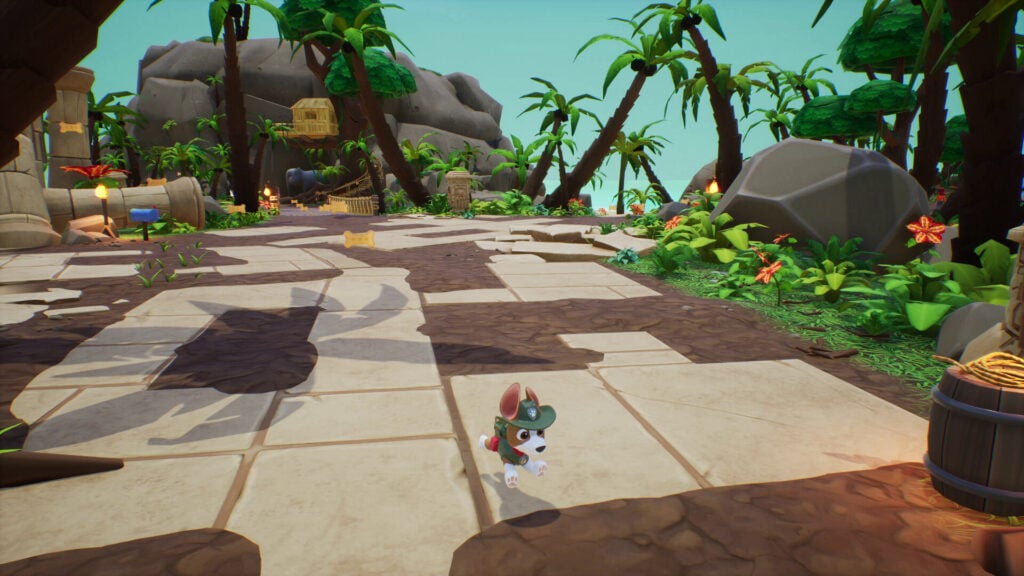
For a pair that includes a preschooler, PAW Patrol World is a good opportunity to build a gaming session around the younger child’s interests. Players explore places from the show, switch between pups, and drive their vehicles while helping with rescue missions. Two children can play together in split-screen, giving each other their own view of the action. That leaves room for a player to stop and investigate something without needing to match every move their sibling makes.
PAW Patrol World keeps missions simple and goals straightforward, with spoken guidance helping children who aren’t confident readers. Collecting pup treats unlocks outfits and other extras, adding reasons to wander around between tasks. This is very much a game for younger children, so an older player looking for challenging puzzles or combat won’t find much to occupy them. Paw Patrol World works best when both children still enjoy the characters, or when the older one is happy to spend some time playing in their sibling’s favorite world.
Why Kids Will Love PAW Patrol World
The younger sibling gets a game built around characters and places they already know. Choosing a pup and driving their vehicle gives them something to be excited about if they’re familiar with the show.
- ESRB Rating: E — Everyone
- Content Descriptors: None listed
- Players: 1–2 locally; split-screen co-op
- Platforms: Nintendo Switch, PlayStation 4, PlayStation 5, Xbox One, Xbox Series X|S, and PC; playable on Nintendo Switch 2
Super Mario 3D World + Bowser’s Fury Offers Two Ways To Share The Heroics
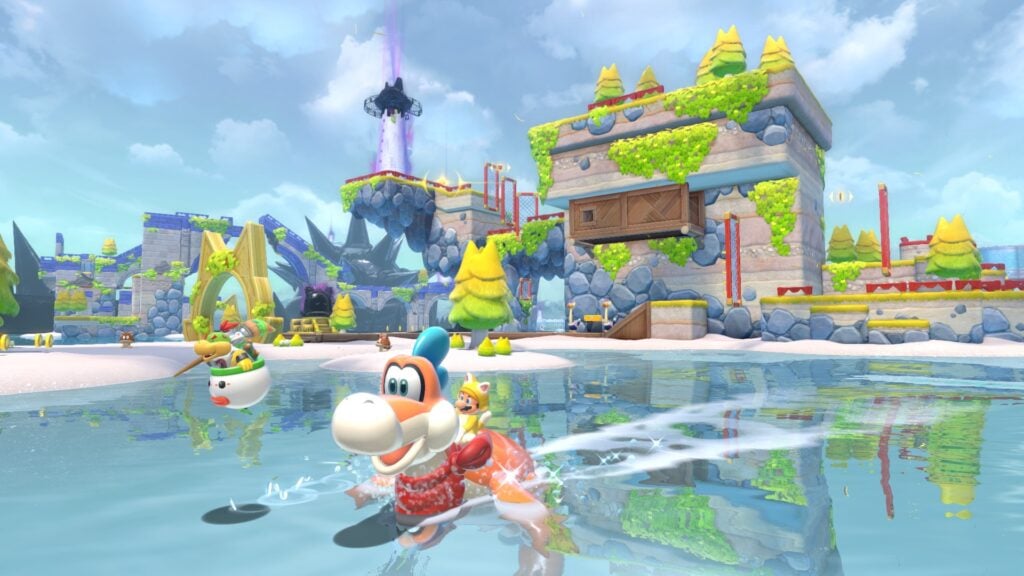
Super Mario 3D World + Bowser’s Fury gives siblings a choice between playing as equal partners and taking a main-character-and-helper approach. In Super Mario 3D World, everyone controls their own character through the same courses. Peach’s brief float makes her a good pick for someone who needs extra time to land a jump, while the Cat Suit lets players climb walls and recover from some missed opportunities. A new player who needs to sit out a difficult stretch can enter a bubble and travel with the others before rejoining, but they’ll still need practice as the courses get harder.
Bowser’s Fury switches to two-player co-op, with one controlling Mario and the other helping as Bowser Jr. The younger sibling can fly around in his clown car and attack enemies without handling Mario’s platforming, leaving the older player to guide the exploration. That role is more limited than controlling a full character in Super Mario 3D World, but it gives a beginner a much easier way to join in. Having both games in one package makes it possible to choose the setup that suits the children now, then try the other as they become better at it.
Why Kids Will Love Super Mario 3D World + Bowser’s Fury
The Cat Suit makes climbing and exploring fun in both games, while Bowser Jr. offers a way for a very inexperienced player to still provide some help. Siblings have room to change how they play together as they continue to learn the games.
- ESRB Rating: E — Everyone
- Content Descriptors: Mild Cartoon Violence
- Players: 1–4 locally in Super Mario 3D World; 1–2 locally in Bowser’s Fury
- Platforms: Nintendo Switch; playable on Nintendo Switch 2 with a free enhancement update
Kirby’s Return To Dream Land Deluxe Has Enough Kirbys To Go Around
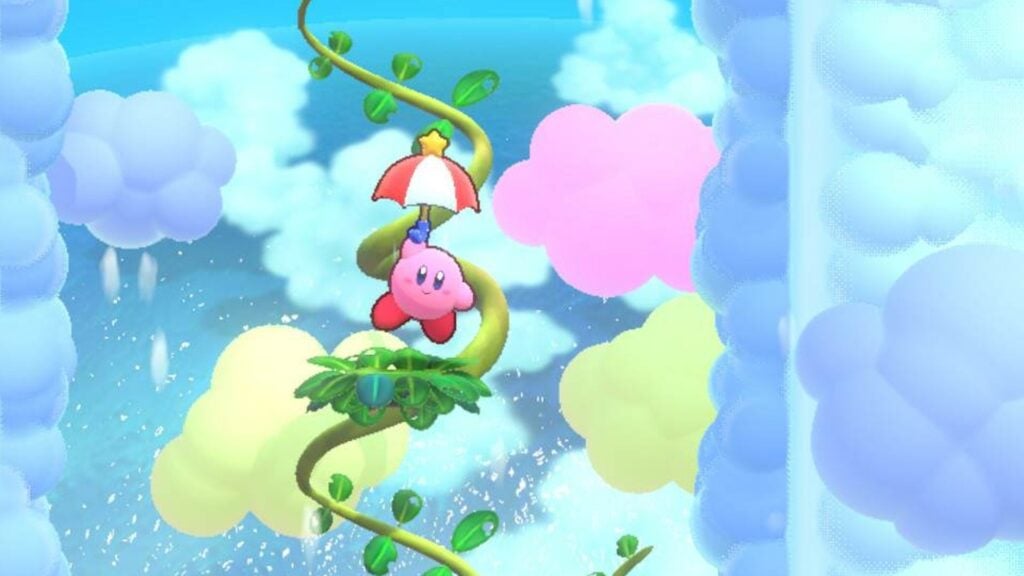
There’s no need to argue over who gets Kirby in Kirby’s Return to Dream Land Deluxe. Additional players can choose different-colored Kirbys and experiment with copy abilities themselves, or pick characters such as King Dedede and Meta Knight with their own established moves. That gives siblings a choice between learning a consistent set of attacks and changing powers throughout a stage. Unlike Kirby and the Forgotten Land, this game lets everyone be a version of the pink hero, which is a major advantage when the younger player wants the transformations too.
Siblings can also ride piggyback and combine their strength for a Team Attack, giving them another way to handle a section together. Kirby’s Return to Dream Land Deluxe has plenty of moves for an older child to learn within each copy ability, although the main stages don’t demand mastery of every combo. The simpler attacks are enough to get a beginner involved, and Kirby’s hovering gives them more control over a jump than most platforming characters allow. Boss fights gradually ask more of the group without taking those tools away.
Why Kids Will Love Kirby’s Return To Dream Land Deluxe
Everybody gets a chance to try the powers that make Kirby fun. Merry Magoland provides a collection of short minigames for when siblings want a break from working through the main stages.
- ESRB Rating: E10+ — Everyone 10+
- Content Descriptors: Cartoon Violence
- Players: 1–4 locally; shared-screen co-op and minigames
- Platforms: Nintendo Switch; playable on Nintendo Switch 2
LEGO Marvel Super Heroes Gives Every Sibling A Superpower The Team Needs
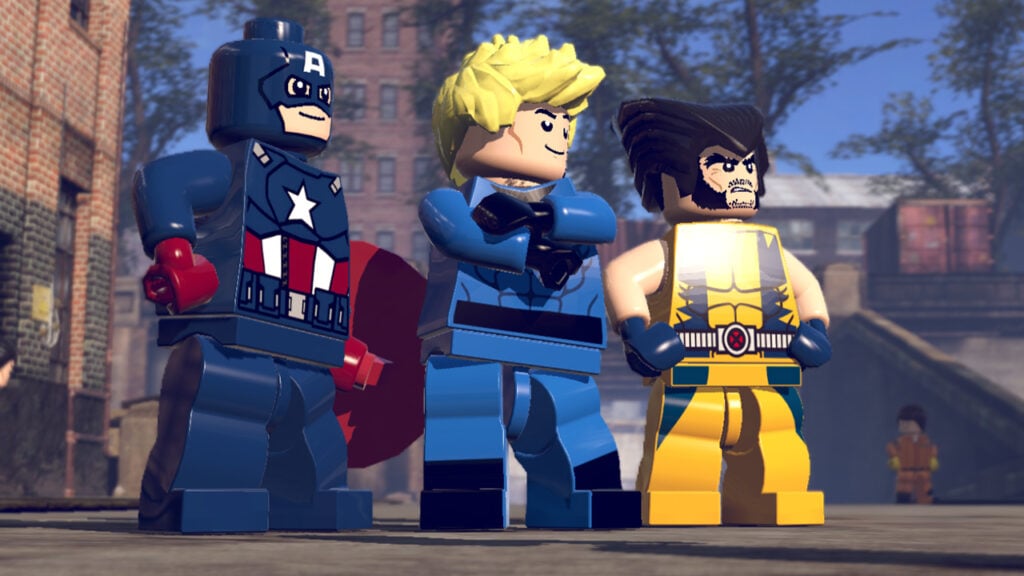
Knowing how to solve a puzzle doesn’t help much if you’re playing the wrong superhero. LEGO Marvel Super Heroes builds levels around characters with different abilities, from Spider-Man pulling on web handles to Hulk tearing apart obstacles that smaller heroes can’t move. In two-player co-op, that gives siblings regular reasons to call on each other. The player controlling the right hero gets to do their part, even when their partner was the one who worked out what needed doing.
LEGO Marvel Super Heroes is pretty forgiving about the fighting between puzzles. Losing all your health scatters some studs before your character returns, so a beginner’s mistakes don’t force both players to replay the whole level. An older sibling can handle the less obvious puzzles while the younger one battles enemies and smashes objects, then help them learn how their powers interact with the scenery. Free Play opens up more character choices for returning to completed stages, and exploring the Manhattan hub gives the pair something to do outside the story missions.
Why Kids Will Love LEGO Marvel Super Heroes
Unlocking another superhero changes what the pair can do in places they’ve already explored. A younger sibling’s favorite character can become the key to a secret their older partner couldn’t reach before.
- ESRB Rating: E10+ — Everyone 10+
- Content Descriptors: Cartoon Violence
- Players: 1–2 locally; shared-screen and split-screen co-op
- Platforms: Nintendo Switch, PlayStation 4, Xbox One, PC, PlayStation 3, Xbox 360, and Wii U; playable on compatible newer consoles

