

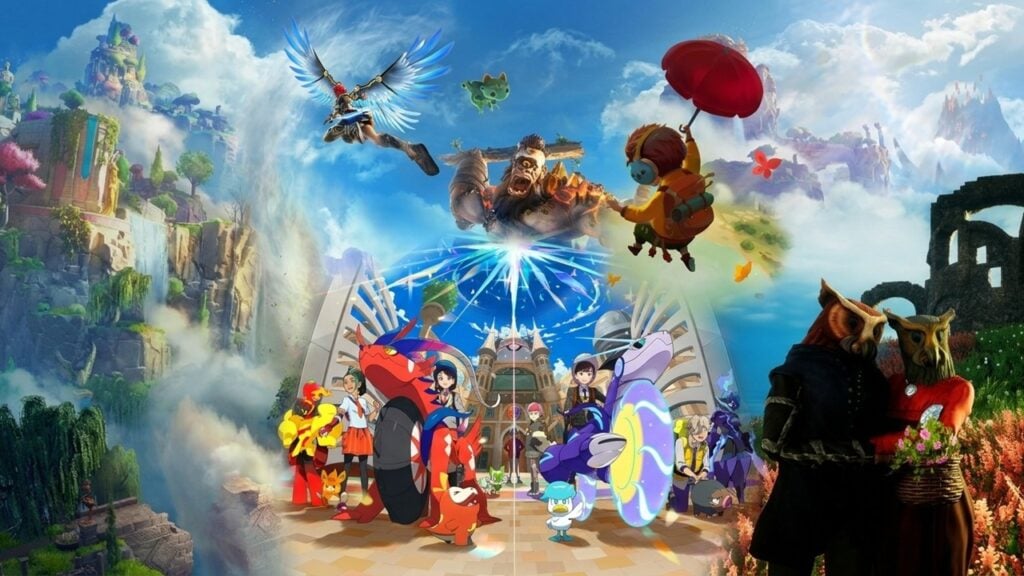
Open-world games have become some of the most popular video games around, giving players the freedom to explore large environments and decide what they want to do along the way. More often than not, these games give players a massive world to roam around, with missions, activities, secrets, and other discoveries waiting to be found. In many cases, simply seeing what lies beyond the next hill or around the next corner can be just as exciting as following the main story.
Of course, not every game with a large map is truly open-world. Some titles gradually unlock new areas as players progress, while others divide their environments into separate zones or frequently interrupt exploration with loading screens. The games on this list generally stick much more closely to the classic definition of an open world, giving players the freedom to travel wherever they want with relatively few restrictions. Some take that concept even further, with procedurally generated worlds or entire galaxies that offer practically limitless places to explore.
This list includes a very diverse collection of open-world games. Kids and teens can explore fantasy kingdoms, build their own worlds, travel across alien planets, swing through New York City, race across Mexico, or simply wander through a cozy island at their own pace. Whether they want a huge sandbox with almost no limits or a smaller world that rewards curiosity, there’s an open world waiting for any type of player out there.
Minecraft Offers Practically Limitless Freedom
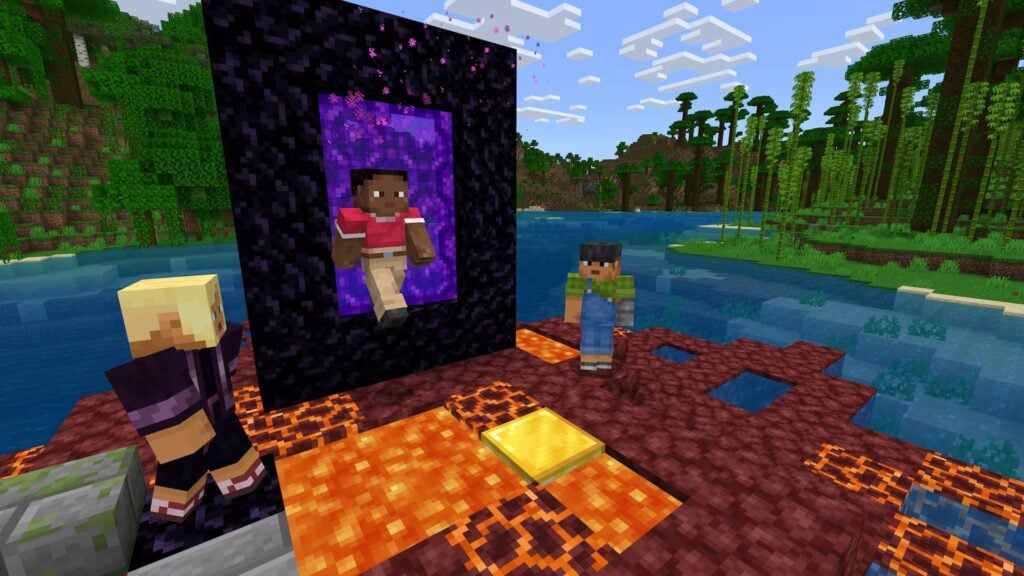
Minecraft is perhaps the purest example of an open-world title. The game drops players into a procedurally generated world made up of enormous landscapes that can be explored freely. There’s no prescribed route through the game and no traditional campaign that dictates where players have to go. Players can spend their time mining, building, crafting, farming, exploring, fighting monsters, or simply wandering around to see what they find. Minecraft’s worlds are procedurally generated, meaning every new world is usually very different than the last.
Each Minecraft world is extraordinarily large, extending far beyond anything a player is likely to explore during a normal playthrough. One of the things that makes Minecraft such a definitive open-world experience is that the game doesn’t simply give players a large map to explore, but essentially gives them the tools to create their own experience within it. Survival Mode adds resource management and danger, while Creative Mode removes most of those restrictions and lets players build freely.
Why Kids Will Love Minecraft: Minecraft gives kids an enormous amount of freedom to decide what they want to do. From building castles to exploring caves and mining for rare resources, there’s an almost infinite number of activities on offer in this game.
ESRB Rating: E10+ for Everyone 10+
Content Descriptors: Fantasy Violence
Interactive Elements: Users Interact, In-Game Purchases
Platforms: PC, PlayStation 4/5, Xbox One, Xbox Series X/S, Nintendo Switch, Nintendo Switch 2, mobile devices
Players: Single-player; multiplayer varies by platform and mode
The Legend Of Zelda: Breath Of The Wild Lets Players Explore Hyrule Almost Anywhere

The Legend of Zelda: Breath of the Wild fundamentally changed how the series approached exploration by giving Link a huge version of Hyrule that can be explored with very few restrictions. After completing the opening area, players can head in almost any direction they choose. The game doesn’t constantly funnel players toward a particular destination, and many of its objectives can be approached in different ways.
The game world is particularly impressive because its systems interact with one another in believable ways. Weather, fire, physics, cooking, climbing, and the game’s various tools can all be used while exploring. Some areas are more dangerous than others, but players aren’t generally prevented from reaching them simply because they haven’t completed enough of the story. Breath of the Wild does feature some progression-based abilities and story events, so the game isn’t completely free of restrictions. However, its central philosophy is still one of unrestricted exploration.
Why Kids Will Love The Legend Of Zelda: Breath Of The Wild: Kids who like discovering things for themselves will find an enormous amount to do here. The game rewards curiosity, and there’s almost always something interesting to investigate whenever players decide to wander away from the main objective.
ESRB Rating: E10+ for Everyone 10+
Content Descriptors: Fantasy Violence, Mild Suggestive Themes, Use of Alcohol
Platforms: Nintendo Switch, Wii U
Players: Single-player
The Legend Of Zelda: Tears Of The Kingdom Expands An Already Huge World
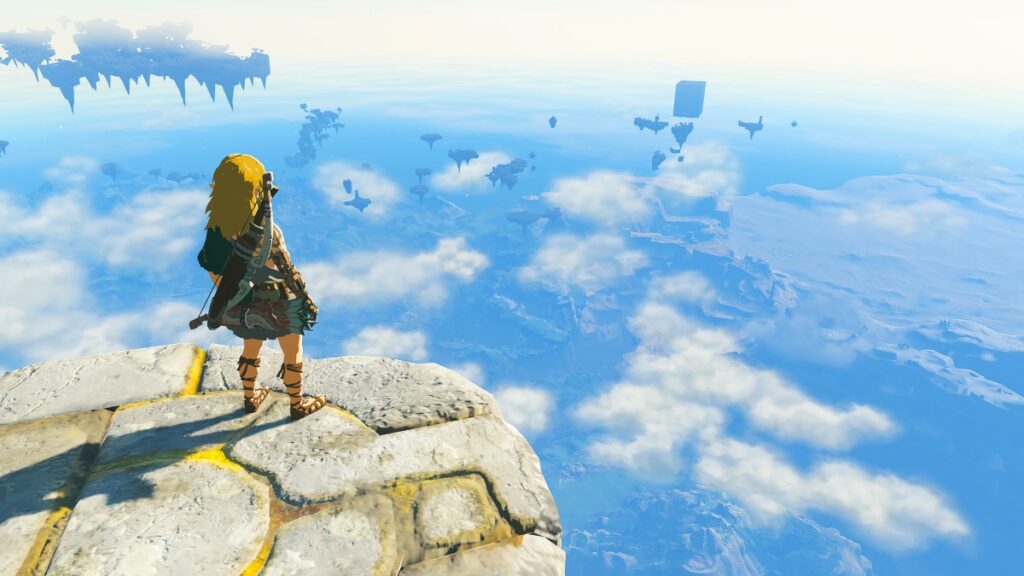
The Legend of Zelda: Tears of the Kingdom takes the open-world structure established by Breath of the Wild and builds an even larger playground around it. Players return to Hyrule, but the world has changed substantially, with floating islands above the surface and a massive underground region called the Depths below it. Link can travel between these layers in numerous ways, and players can generally decide where they want to explore just like in the previous game.
Tears of the Kingdom’s greatest contribution to open-world design is the freedom provided by Link’s new abilities. Ultrahand allows players to build vehicles and machines, Ascend lets Link pass through certain surfaces, Recall manipulates objects through time, and Fuse allows weapons and other items to be combined. There are still story objectives and areas where players benefit from particular equipment, but the game rarely dictates a single correct way to explore Hyrule.
Why Kids Will Love The Legend Of Zelda: Tears Of The Kingdom: The world encourages curiosity and experimentation. Kids can easily spend hours building strange vehicles, finding hidden locations, solving puzzles, or simply seeing what happens when they try something unusual.
ESRB Rating: E10+ for Everyone 10+
Content Descriptors: Fantasy Violence, Mild Suggestive Themes
Platforms: Nintendo Switch, Nintendo Switch 2
Players: Single-player
Pokémon Scarlet And Violet Finally Make The Pokémon World Open
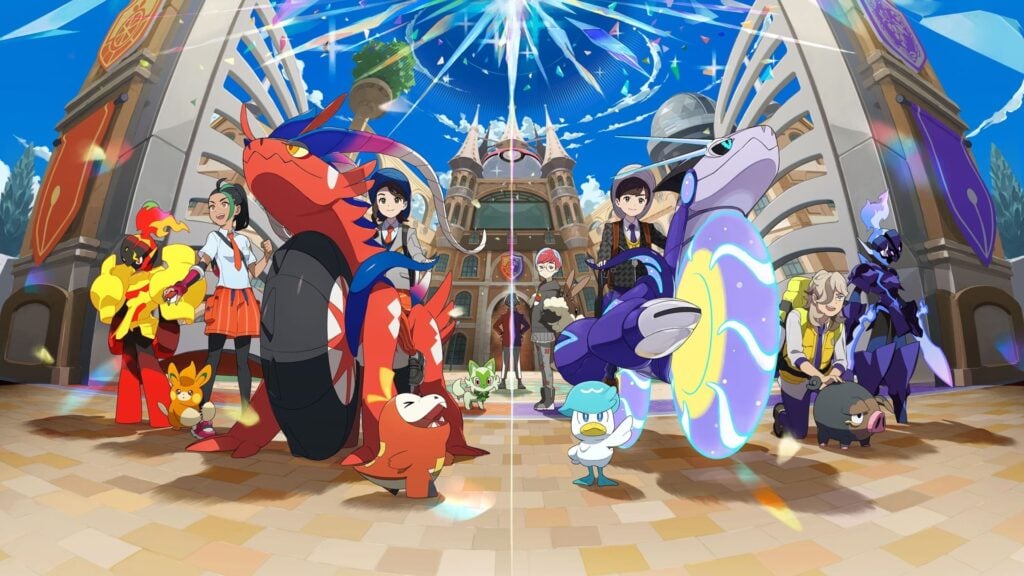
Pokémon Scarlet and Violet represent a major change for the mainline Pokémon series because Paldea is designed as an open-world region. After completing the opening section, players can travel throughout the region and choose which of the game’s three main story paths they want to pursue. They can catch Pokémon, visit towns, search for items, battle trainers, and investigate locations in whatever order they prefer. The only caveat is that Pokémon Scarlet and Violet aren’t completely level-independent.
Gyms, Team Star bases, and other challenges have recommended difficulty levels, so players who wander into the wrong area can encounter opponents far stronger than their current team. That doesn’t prevent exploration, though. The important distinction is that the world itself isn’t locked away behind story progression. Players can see a distant location and simply travel there, making Paldea one of the best examples of a traditional open-world structure in a Pokémon game.
Why Kids Will Love Pokémon Scarlet And Violet: The freedom to choose what to do next makes these Pokémon games feel much more personal. Kids can focus on catching new Pokémon, completing story objectives, searching for items, or simply exploring Paldea.
ESRB Rating: E for Everyone
Content Descriptors: Mild Fantasy Violence
Interactive Elements: Users Interact, In-Game Purchases
Platforms: Nintendo Switch, Nintendo Switch 2
Players: Single-player; multiplayer features available
LEGO City Undercover Turns A LEGO City Into A Playground
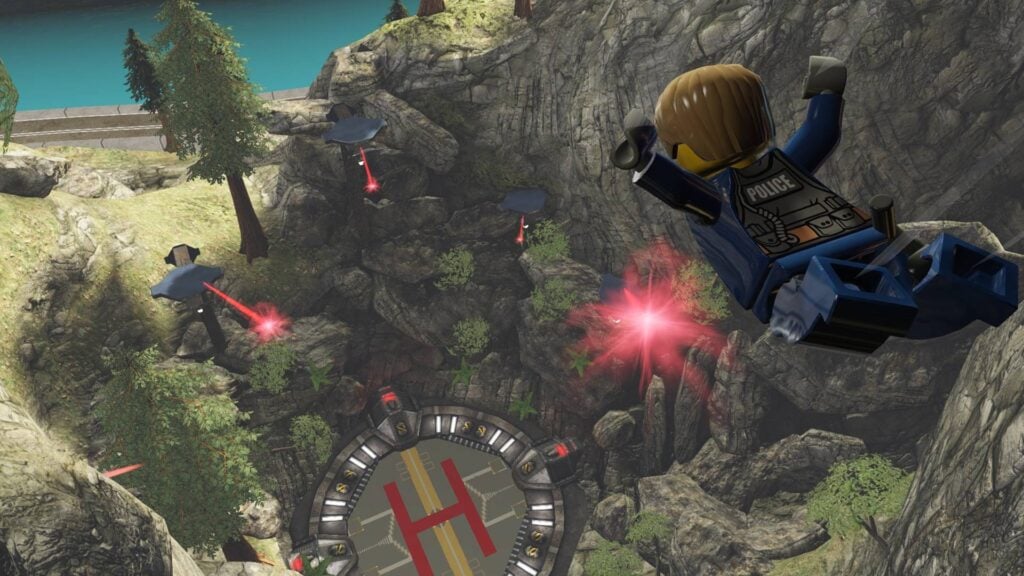
LEGO City Undercover puts players in control of police officer Chase McCain and gives them a large LEGO version of a city to explore. The main story sends Chase around the city investigating crimes and completing missions, but players are free to leave those objectives behind and explore on their own. There are vehicles to drive, collectibles to find, buildings to investigate, disguises to unlock, and numerous smaller activities scattered throughout the city.
The game’s open world is especially appealing because it gives kids a playful alternative to the more serious cities found in many open-world games. There are some progression requirements because Chase’s disguises and abilities are unlocked through the story, meaning certain collectibles and areas can’t be fully accessed immediately. Still, the city itself is available to explore from early in the game, making it a strong example of a family-friendly open-world game set in the beloved LEGO universe.
Why Kids Will Love LEGO City Undercover: Kids can spend as much time exploring and messing around in LEGO City as they do following the story. The large number of vehicles, characters, collectibles, and side activities gives curious players plenty to discover and play around with.
ESRB Rating: E10+ for Everyone 10+
Content Descriptors: Cartoon Violence, Crude Humor
Platforms: PC, Nintendo Switch, PlayStation 4, Xbox One
Players: Single-player
LEGO Marvel Super Heroes Offers A Blocky Version Of The MCU
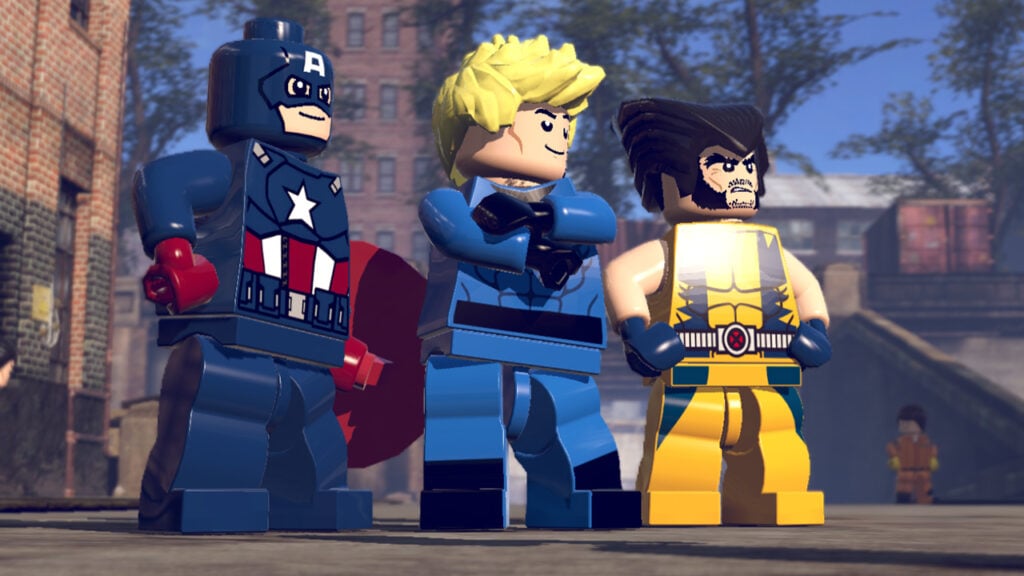
LEGO Marvel Super Heroes and LEGO Marvel Super Heroes 2 combine traditional LEGO action-platforming with large environments that can be explored outside the main story. The first game gives players a LEGO version of Manhattan filled with landmarks, collectibles, side missions, vehicles, races, and characters to discover. The sequel takes a different approach, creating the sprawling Chronopolis hub from several Marvel locations and time periods. Both games let players leave the main missions behind and explore their respective worlds.
The caveat compared with games like Minecraft or Zelda is that neither LEGO Marvel game gives players an entirely unrestricted world from the opening moments. Character abilities are used to access some collectibles and areas, and LEGO Marvel Super Heroes 2’s Chronopolis is more of a large connected hub than a completely seamless geographical location. Even so, both games offer substantially more free-roaming than most traditional action games, and their open environments are packed with things to discover.
Why Kids Will Love LEGO Marvel Super Heroes: The open-world areas are packed with Marvel characters, vehicles, collectibles, and activities. Kids can follow the story or simply switch characters and spend time discovering what each hero can do.
ESRB Rating: E10+ for Everyone 10+
Content Descriptors: Cartoon Violence
Platforms: PC, Nintendo Switch, PlayStation 4, Xbox One
Players: Single-player; local co-op varies by game and platform
LEGO Batman: Legacy Of The Dark Knight Gives Gotham The Full Open-World Treatment
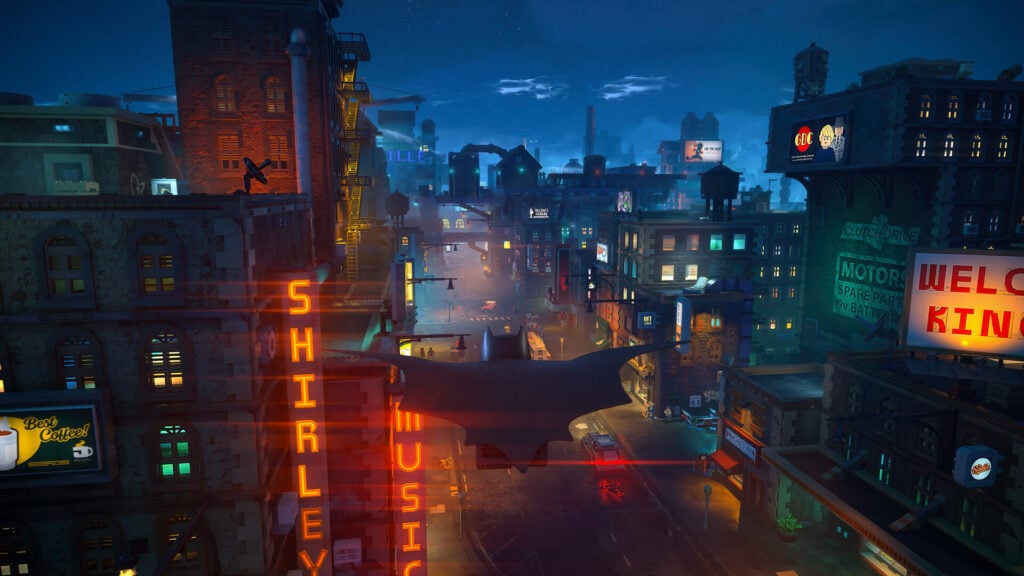
LEGO Batman: Legacy of the Dark Knight takes the LEGO series into a much larger version of Gotham City. Released in 2026, the game gives players an open world filled with familiar locations including Arkham Asylum, Ace Chemicals, Wayne Tower, and Gotham Botanical Gardens. Players can travel around the city on foot, grapple between buildings, glide across rooftops, or drive a selection of Batmobiles and Batcycles. Outside the main story, Gotham contains crimes to stop, puzzles, challenges, collectibles, and other activities.
Legacy of the Dark Knight is more progression-driven than something like Minecraft, with story missions introducing characters, abilities, and new ways to interact with Gotham. That means not every secret or activity is necessarily accessible immediately. The city itself, however, functions as a persistent space to explore and players can later return to its districts to find things they previously missed.
Why Kids Will Love LEGO Batman: Legacy Of The Dark Knight: Gotham gives kids plenty of reasons to wander away from the main story. Finding hidden collectibles, driving Bat-vehicles, solving puzzles, and exploring familiar Batman locations can be just as entertaining as completing missions.
ESRB Rating: E10+ for Everyone 10+
Content Descriptors: Fantasy Violence
Platforms: PC, PlayStation 5, Xbox Series X/S, Nintendo Switch 2
Players: Single-player; 2-player local co-op
Forza Horizon 5 Turns An Entire Country Into A Driving Playground
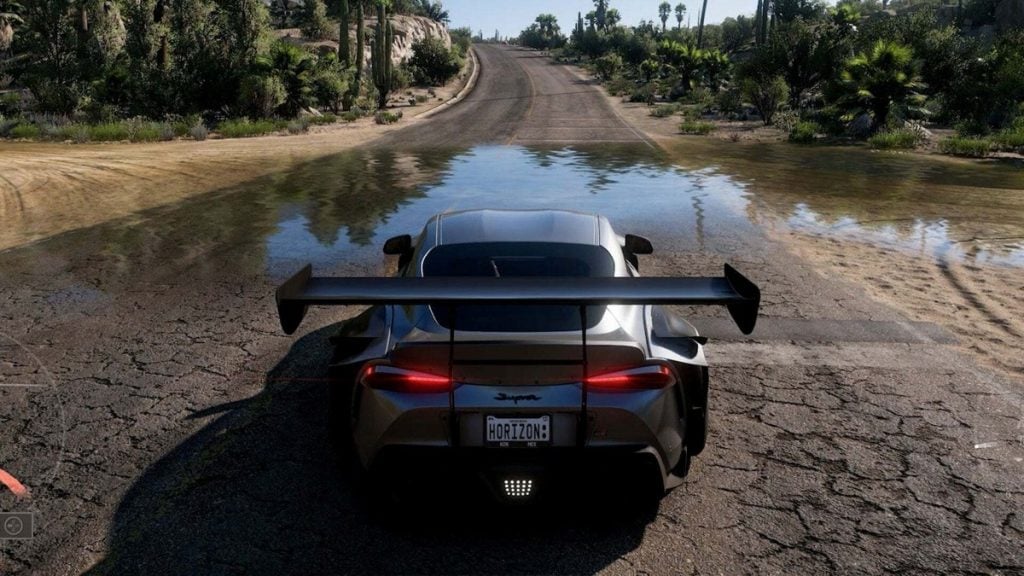
Forza Horizon 5 takes an open-world approach to racing by putting players in a large-scale recreation of Mexico. Players are able to freely drive across the map, discovering roads, towns, landmarks, and different types of terrain. Races, challenges, stunt activities, collectibles, and other events are scattered throughout the world, but players don’t have to follow a particular route between them.
The major caveat is that Forza Horizon 5 is specifically an open-world driving game rather than a general-purpose open world. In other words, the player’s primary interaction with the world is through vehicles. Nevertheless, the map itself is unusually open, with players being able to drive wherever roads, fields, beaches, and mountains take them, with very few traditional boundaries. Forza Horizon 5 is also a particularly accessible example of the genre because players don’t need to worry about combat or complicated character progression.
Why Kids Will Love Forza Horizon 5: Kids can simply choose a car and start driving around Mexico without worrying about completing a particular objective. Racing is there when they want it, but exploring the map and finding new places can be just as much fun.
ESRB Rating: E for Everyone
Content Descriptors: None
Interactive Elements: Users Interact, In-Game Purchases
Platforms: PC, Xbox One, Xbox Series X/S, PlayStation 5
Players: Single-player; multiplayer available
Marvel’s Spider-Man Lets Players Swing Freely Through New York

The Marvel’s Spider-Man series, comprised of Marvel’s Spider-Man, Marvel’s Spider-Man: Miles Morales, and Marvel’s Spider-Man 2, offer versions of New York City that are designed to be explored freely. The maps are filled with side missions, crimes, collectibles, challenges, activities, and hidden references to Marvel characters. Spider-Man 2 is especially notable for expanding the formula further by adding Brooklyn and Queens and allowing players to switch between Peter and Miles.
It’s worth mentioning that the series does have some of the traditional progression associated with story-driven action games. For example, new abilities are unlocked through the story and certain activities only become available as players progress. The worlds themselves aren’t generally locked away, however, and players can spend a great deal of time simply swinging around New York without completing missions.
Why Teens Will Love Marvel’s Spider-Man: Few open worlds make simply getting from one place to another as entertaining as Spider-Man’s New York. Swinging between buildings is fun even when players aren’t completing a mission, and the city is packed with all sorts of interesting optional activities.
ESRB Rating: T for Teen
Content Descriptors: Varies by game; Blood, Drug Reference, Language, Violence are listed for the series’ ESRB ratings
Interactive Elements: In-Game Purchases on some versions
Platforms: PlayStation 4, PlayStation 5, PC
Players: Single-player
Immortals Fenyx Rising Offers A Mythological Open World
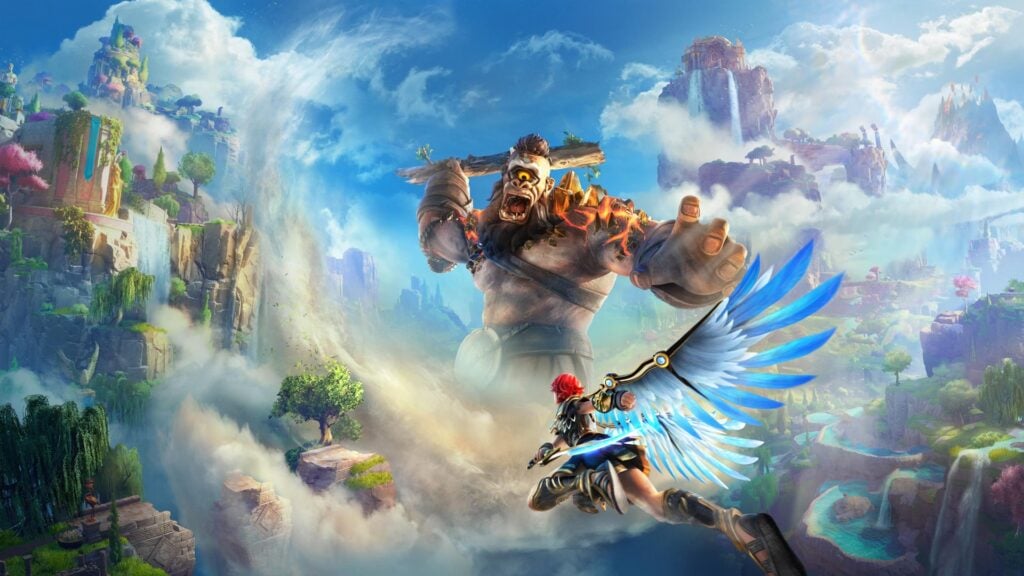
Immortals Fenyx Rising takes players to the Golden Isle, a large island inspired by Greek mythology. The world contains puzzles, combat encounters, vaults, collectibles, quests, and environmental challenges, giving players plenty of reasons to stray from the main story. The game’s design is clearly influenced by the free exploration of modern open-world Zelda games, but isn’t exactly a clone of the venerable series.
Fenyx gains abilities throughout the story, and certain challenges are designed around specific powers, so progression does affect what players can accomplish. The island is divided into regions with distinct identities, but they form a broad explorable world rather than a linear sequence of levels. While there are a couple more restrictions to keep in my mind compared to other games on this list, Immortals Fenyx Rising still counts as an open-world game.
Why Teens Will Love Immortals Fenyx Rising: The game combines exploration with puzzles, combat, and mythology, giving players plenty of reasons to wander away from the main story. Fenyx’s climbing and gliding abilities make traveling around the world enjoyable in its own right.
ESRB Rating: T for Teen
Content Descriptors: Language, Suggestive Themes, Violence
Interactive Elements: Users Interact, In-Game Purchases
Platforms: PC, Nintendo Switch, PlayStation 4, PlayStation 5, Xbox One, Xbox Series X/S
Players: Single-player
No Man’s Sky Is An Entire Open Universe, Not Just A Single Open World
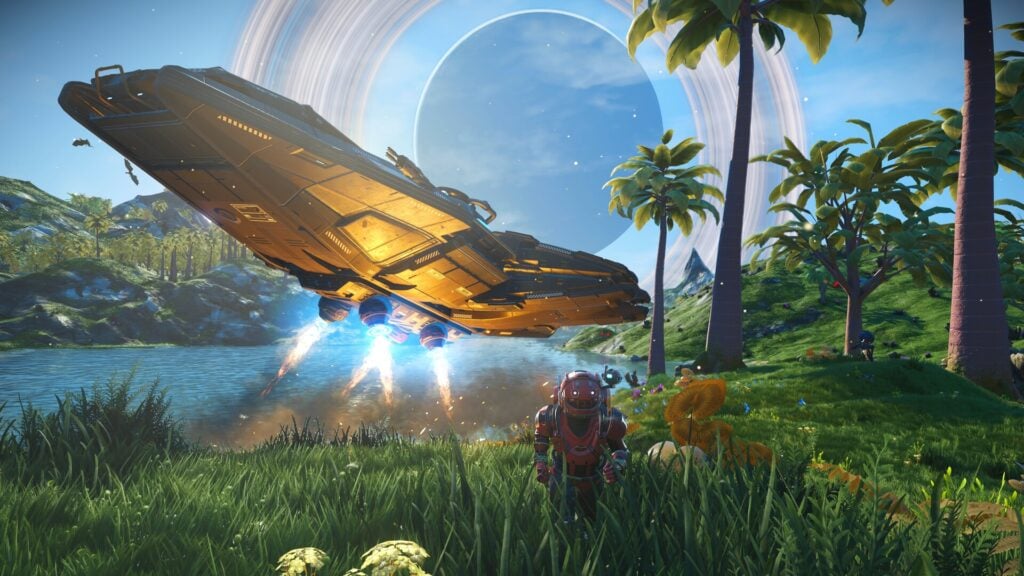
No Man’s Sky takes the open-world concept to a whole new scale. Instead of giving players a single giant map to explore, it provides an entire procedurally generated galaxy containing planets, moons, space stations, star systems, and countless places to explore. Players can travel between systems, land on planets, explore their surfaces, gather resources, discover creatures, build bases, and return to space whenever they want.
No Man’s Sky is something closer to an open universe than a traditional open-world game. There is a progression system involving technology, resources, and equipment, and the game gives players various long-term objectives, but individual planets generally aren’t traditional progression gates. The focus is on deciding where to go and what to do once you get there.
Why Teens Will Love No Man’s Sky: The sense of scale is difficult to match. Players can land on a planet they’ve never seen before, explore it, leave the atmosphere, and continue traveling to another world whenever they want.
ESRB Rating: T for Teen
Content Descriptors: Animated Blood, Fantasy Violence
Interactive Elements: Users Interact
Platforms: PC, PlayStation 4/5, Xbox One, Xbox Series X/S, Nintendo Switch, Nintendo Switch 2, Mac, VR platforms
Players: Single-player; multiplayer available
Yonder: The Cloud Catcher Chronicles Is An Open World Game About Taking Your Time
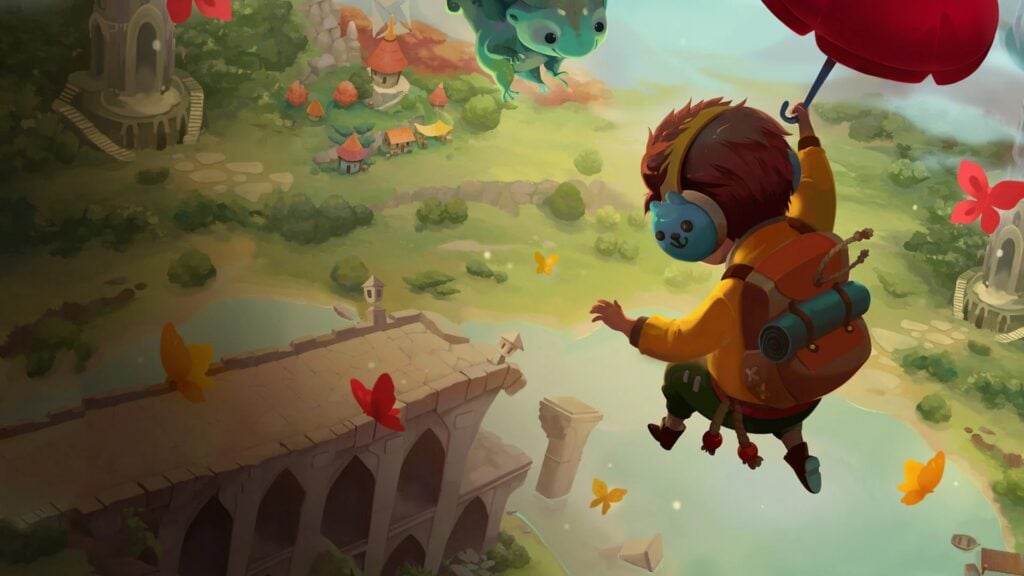
Yonder: The Cloud Catcher Chronicles puts players in Gemea, an island world divided into eight distinct environments. The game emphasizes exploration, farming, fishing, crafting, trading, raising animals, and helping the people who live there. Players can travel across the island and decide how they want to spend their time, whether that’s following quests or engaging into various other activities. The game could be described as a loose interpretation of the open-world formula, but it’s one that fits the family audience particularly well.
Yonder isn’t quite as unrestricted as Minecraft or Zelda. Some areas and objectives are tied to clearing the Murk and completing certain tasks, meaning the entire island isn’t immediately available in its final form. That progression is relatively light compared with traditional RPGs, though, and the game’s overall structure remains focused on exploration and choosing what to do rather than following a rigid sequence.
Why Kids Will Love Yonder: The Cloud Catcher Chronicles: Yonder lets kids explore without constantly worrying about combat or difficult objectives. Farming, fishing, collecting creatures, and simply wandering around Gemea make it a relaxing alternative to more action-heavy open worlds.
ESRB Rating: E for Everyone
Content Descriptors: Crude Humor
Platforms: PC, Nintendo Switch, PlayStation 4/5, Xbox One, Xbox Series X/S
Players: Single-player
A Short Hike Shows That An Open World Doesn’t Have To Be Huge
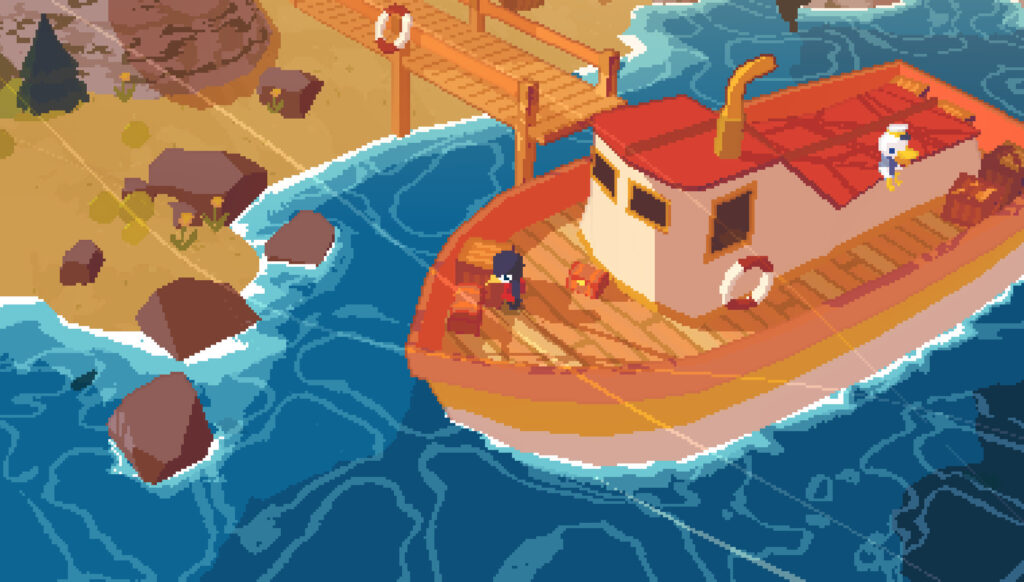
A Short Hike offers one of the smallest open worlds on this list, but it demonstrates why size isn’t necessarily what defines the genre. The game revolves around exploring Hawk Peak Provincial Park as a young bird trying to reach the summit, but players are the ones who decide how they get there. While it’s possible to head straight to the summit using the shortest route, it’s a lot more enjoyable to wander around and engage in various activities along the way.
The world of A Short Hike is deliberately compact, and the entire experience can be completed in only a few hours. There aren’t any huge distances to cross simply to make the world feel large. Instead, almost every part of the park contains something worth investigating. A Short Hike is therefore a good reminder that the defining feature of an open world is freedom of movement and choice, not necessarily a gigantic map.
Why Kids Will Love A Short Hike: The game encourages curiosity without putting much pressure on players. Kids can climb toward the summit, wander off to fish, chat with animals, or search for secrets whenever they feel like it.
ESRB Rating: E for Everyone
Content Descriptors: None
Platforms: PC, Nintendo Switch, PlayStation 4/5, Xbox One, Xbox Series X/S
Players: Single-player
Lil Gator Game Turns An Island Into A Giant Playground
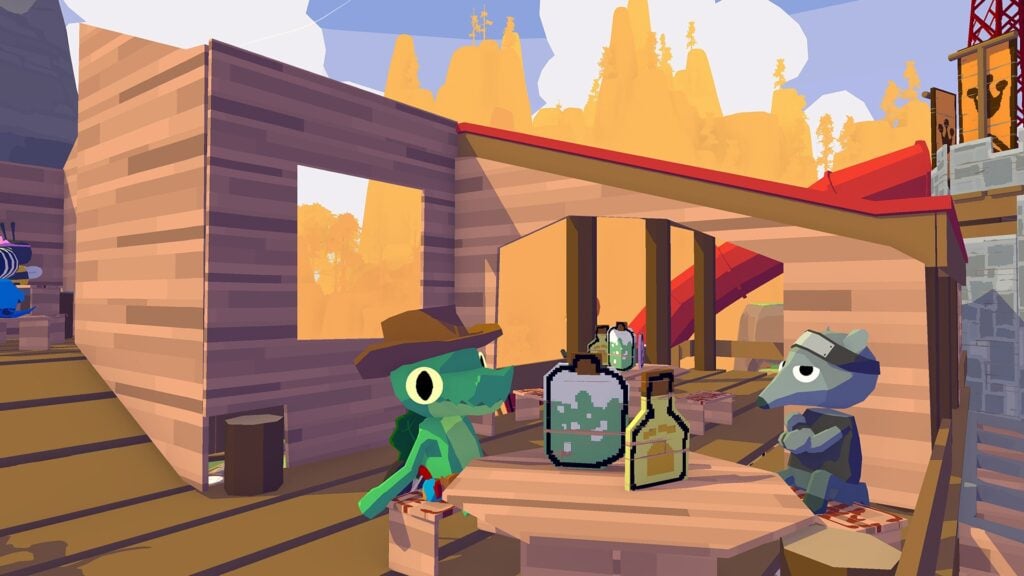
Lil Gator Game gives players a small island playground to explore as a young gator who wants to convince his sister to play pretend with him. The island can be traversed by running, climbing, swimming, and gliding, with players along the way being able to meet characters, complete quests, collect materials, and discover new toys and equipment. The game doesn’t require players to follow a strict sequence of objectives, allowing them to roam around and investigate things that catch their attention.
The world is smaller and less complicated than those in Zelda or Minecraft, but that’s very much intentional. Lil Gator Game is built around the idea of turning exploration itself into a playful activity. There are no major combat systems or demanding progression trees getting in the way, and the game’s simple structure makes it particularly accessible to younger players.
Why Kids Will Love Lil Gator Game: The game feels like a playground where kids can decide what looks interesting and go investigate. The lack of serious danger or complicated systems makes it a particularly good introduction to open-world exploration.
ESRB Rating: E for Everyone
Content Descriptors: None
Platforms: PC, Nintendo Switch, Nintendo Switch 2, PlayStation 4/5, Xbox One, Xbox Series X/S
Players: Single-player
Smushi Come Home Centers Almost Entirely On Exploration
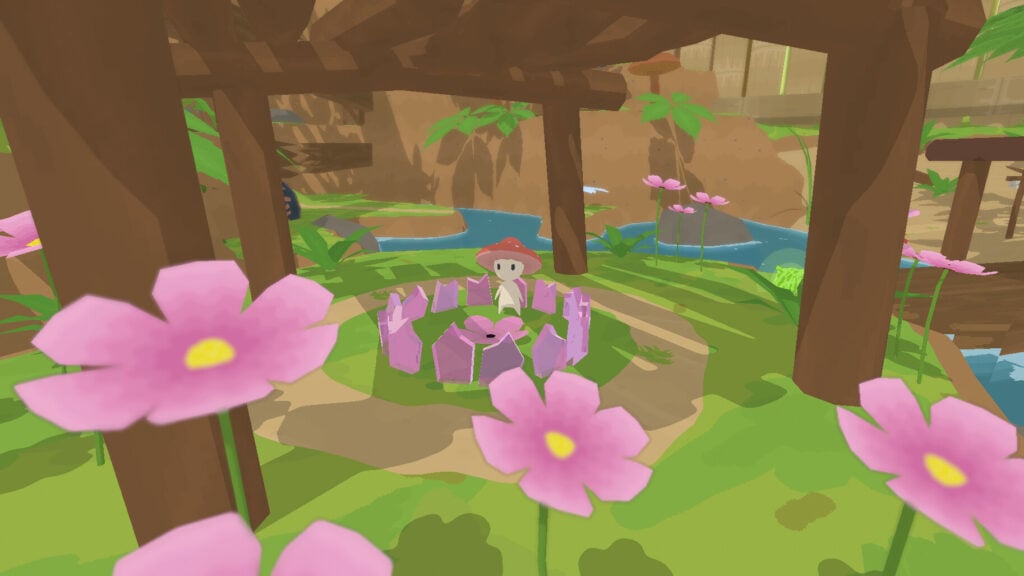
Smushi Come Home stars a tiny mushroom who has been separated from its home and must find a way back through a forest. As the player, you can freely explore different parts of the forest while you complete quests, solve light puzzles, collect items, and meet a variety of forest creatures. Interestingly enough, players can learn a lot about real-world mushrooms through the in-game journal, giving Smushi Come Home a bit of educational value.
The game is much smaller than most open-world titles, and its areas are more compact than the seamless landscapes of Zelda or Minecraft. Some progression is tied to acquiring tools and abilities, meaning the player doesn’t have every traversal option immediately. Still, Smushi Come Home is fundamentally about deciding where to go and what to investigate, just like any other open-world game.
Why Kids Will Love Smushi Come Home: Kids can explore without worrying about difficult enemies or complicated objectives. The freedom to roam around the woods and meet strange forest creatures can make even a short journey feel like a series of fascinating discoveries.
ESRB Rating: Not rated by ESRB
Content Descriptors: N/A
Platforms: PC, Nintendo Switch, Nintendo Switch 2
Players: Single-player
The Pathless Builds An Open World Around Movement And Exploration
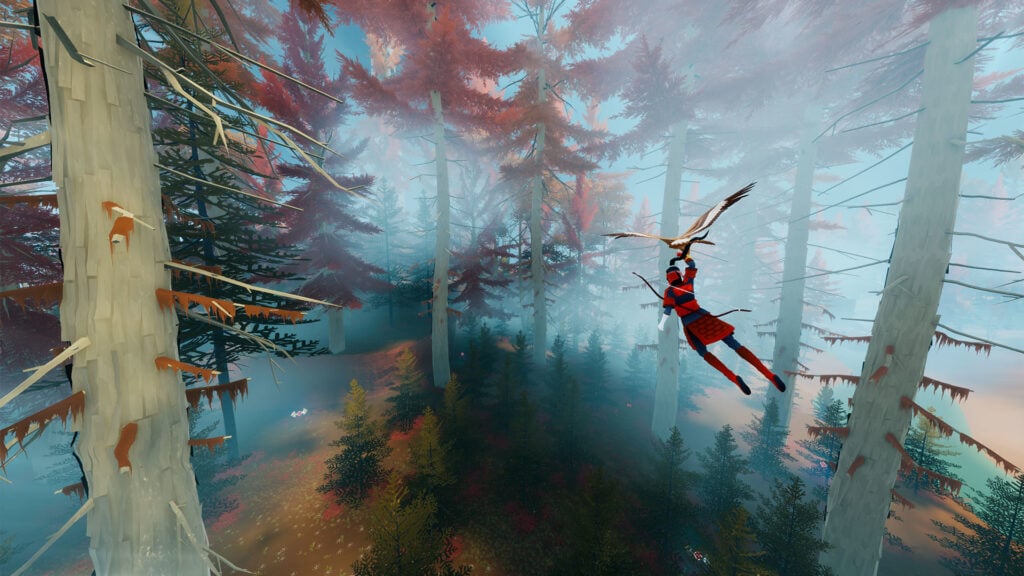
The Pathless places players on a large mysterious island where a hunter and her eagle companion attempt to break a curse that has taken over the land. The hunter can travel across the island using a combination of running, archery, and their eagle’s abilities. The world contains ruins, puzzles, collectibles, and boss encounters, but exploration is the main reason to move from one part of the island to another.
The Pathless has a core progression structure that requires players need to restore parts of the island and gain abilities before they can complete everything. There are a few restrictions in that regard, but the world itself isn’t presented as a sequence of conventional levels. The game’s biggest selling point is movement, as the hunter can build momentum while running across the landscape, and the eagle lets her reach areas that would otherwise be inaccessible.
Why Kids Will Love The Pathless: The movement makes exploration feel satisfying even when there isn’t a specific objective nearby. Kids can use a variety of movement-based abilities to run across the landscape and discover what lies beyond the next hill.
ESRB Rating: E10+ for Everyone 10+
Content Descriptors: Fantasy Violence
Platforms: PC, Nintendo Switch, PlayStation 4/5, Xbox One, Xbox Series X/S
Players: Single-player
Eastshade Is An Open World Without Traditional Combat
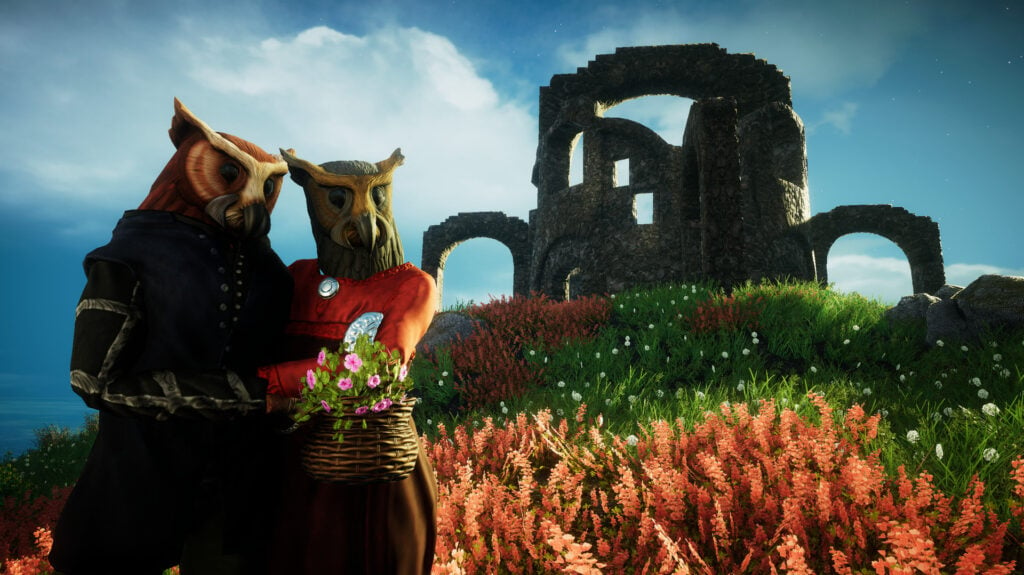
Eastshade takes the open-world formula in a very different direction. The game’s protagonist is a traveling painter who arrives on an island and explores its environments while meeting residents and helping them with their problems. Players can gather materials, complete quests, and paint scenes that they encounter during their travels. There are no combat or action-packed moments since the island is designed around exploration and discovery.
The lack of combat makes Eastshade a bit of an oddity among open-world games. There’s still a progression system, with quests and equipment gradually expanding what the player can do, but the central activity remains exploring the island and deciding which characters and locations to visit. Earthshade isn’t completely unrestricted but it demonstrates that an open world can be built around observation, creativity, and interaction rather than fighting.
Why Kids Will Love Eastshade: Kids who enjoy exploring and discovering new places can take their time here without worrying about enemies attacking them. The painting system gives exploration an extra purpose, encouraging players to pay attention to the world around them.
ESRB Rating: E10+ for Everyone 10+
Content Descriptors: Mild Language, Use of Alcohol
Platforms: PC, PlayStation 4/5, Xbox One, Xbox Series X/S
Players: Single-player
Astroneer Allows Players To Explore Entire Planets
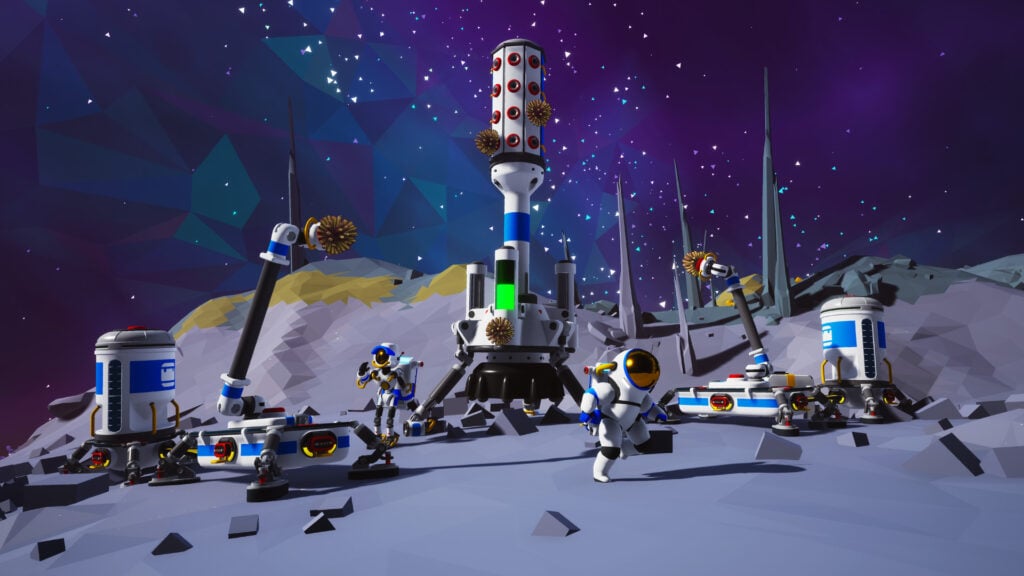
Astroneer takes the open-world concept beyond a single landscape by giving players multiple planets and moons to explore. It’s possible to build a large base on a planet and use it as your main headquarters, but the game works best when players travel from place to place and explore a variety of planets. The terrain itself can be manipulated using the game’s tools, allowing players to reshape the environment while searching for resources and discovering new locations.
There’s a progression system in Astroneer, particularly through technology and resource management, but it isn’t primarily about unlocking new sections of a map. Progression is designed around acquiring the equipment and knowledge needed to do more within the worlds players can visit. The open world is essentially a collection of environments that players can reshape and use for their own purposes, making Earthshade particularly well suited to kids who enjoy building and experimenting.
Why Kids Will Love Astroneer: The game gives kids plenty of freedom to decide what they want to build and where they want to explore. Digging through an alien planet, constructing a base, and discovering new resources can become a long-term project that players can keep every time they boot up the game again.
ESRB Rating: E for Everyone
Content Descriptors: Mild Fantasy Violence
Interactive Elements: Users Interact, In-Game Purchases
Platforms: PC, PlayStation 4/5, Nintendo Switch, Xbox One, Xbox Series X/S
Players: Single-player; multiplayer available
Goat Simulator 3 Makes An Open World Out Of Pure Chaos
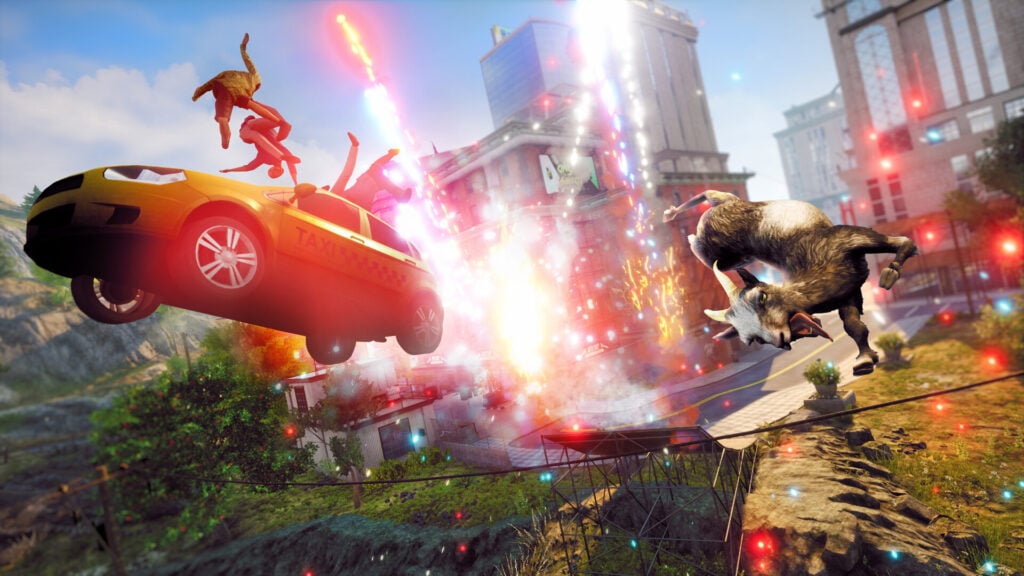
Goat Simulator 3 is an open-world sandbox built around the simple premise of giving players a goat and seeing what kind of trouble they can cause. While exploring the island of San Angora, players can use the goat’s abilities to cause increasingly ridiculous amounts of destruction. Much like its predecessor, the game is all about having fun and doesn’t take itself too seriously.
Unlike most games on this list, Goat Simulator 3 doesn’t use its open world primarily to tell a story. The world is essentially a giant playground for experimentation, with activities and secrets scattered throughout it. There is progression in the form of challenges, unlockable equipment, and discoveries, but players can spend as much time as they want simply wandering around and causing trouble.
Why Teens Will Love Goat Simulator 3: There isn’t much pressure to play the game “correctly.” Teens can explore, experiment with the physics, complete challenges, or simply see how much chaos they can cause in the world.
ESRB Rating: T for Teen
Content Descriptors: Crude Humor, Language, Violence
Platforms: PC, PlayStation 5, Xbox Series X/S, Nintendo Switch 2
Players: Single-player; up to 4-player local and online co-op
Stardew Valley Offers A Different Kind Of Open World
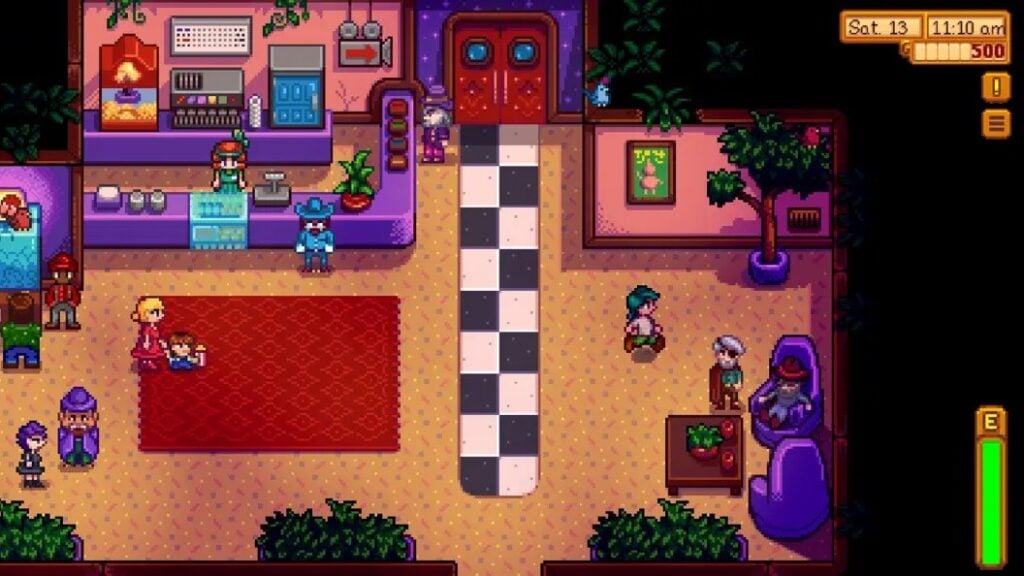
Stardew Valley isn’t a conventional open-world action game, but it gives players a vast amount of freedom over how they want to spend their time within it. After inheriting a neglected farm, players can decide whether to focus on farming, fishing, mining, crafting, raising animals, developing relationships, completing quests, or exploring the surrounding town and wilderness. There’s no requirement to follow one specific activity every day, so players are free to tackle farm life however they see fit.
The caveat is that Stardew Valley’s world is divided into distinct areas, so it’s not exactly a seamless map. There are loading transitions between the farm, town, forest, mines, beach, and other locations, and some parts of the game become accessible through progression. For those reasons, it doesn’t fit the classic open-world definition as cleanly as some of the other games on this list. But it nevertheless belongs here because the game’s defining philosophy is player freedom and there are very few rules about what players should do with their time.
Why Kids Will Love Stardew Valley: Kids can decide what kind of experience they want to have and won’t be being pushed through a fixed story. Farming, fishing, exploring, decorating, and getting to know the townspeople all provide different ways to play.
ESRB Rating: E10+ for Everyone 10+
Content Descriptors: Fantasy Violence, Mild Blood, Mild Language, Simulated Gambling, Use of Alcohol and Tobacco
Platforms: PC, Nintendo Switch, Nintendo Switch 2, PlayStation 4/5, Xbox One, Xbox Series X/S, mobile devices
Players: Single-player; multiplayer available

