


Parents should teach children basic internet safety rules before they create their first social media account, join an online game or browse the web alone. These lessons can help children make safer choices and avoid online dangers.
The Internet helps children learn, play games and connect with friends. However, it can also expose them to cyberbullying, strangers, harmful content and privacy risks.
Every child develops differently, so parents should make sure their child is ready to use the Internet independently. It is recommended to discuss online risks and set clear rules early.
Here are seven important lessons parents should teach children before they start using the Internet.
1. Be Kind, Every Time

Cyberbullying has become a major issue on the Internet, which causes depression and loneliness among both the children who are bullied and those who bully other kids.
Children should know that mean behavior isn’t acceptable and that hurtful or embarrassing posts are off limits. They should also know to tell a parent about any harassing message they receive.
2. Think Before Hitting Enter
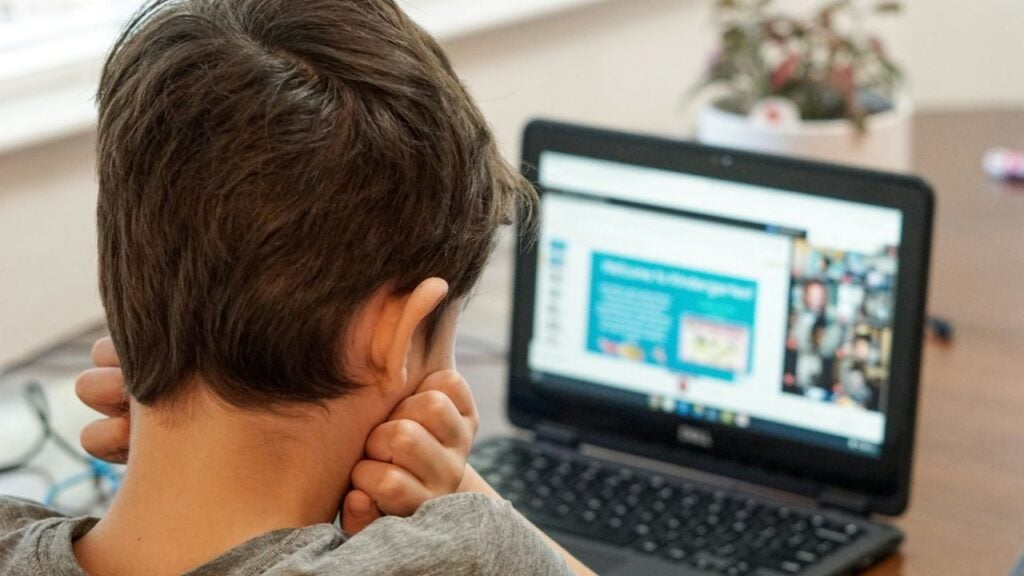
Children often share more than they mean to. A real name, a photo, a birthdate and a school name add up quickly, and that can make a child an easy target for online predators. Some apps even reveal a user’s location automatically. Make sure children know what should stay private:
- Home address and phone number
- Birthdate and school name
- The location of parties or events
- Vacation plans, especially while the family is away
A post saying the house is empty is useful to exactly the wrong people.
3. Remember that Posts Last
Children need to realize that any content they post on the Internet will stay there for a very long time, even if they later remove it. It can be saved, forwarded or viewed decades after its initial posting. Content posted today may affect one’s future educational and employment prospects.
One needs to teach their children to ask themselves a simple question before posting something: Would I be comfortable with my teacher, college admissions officer or future employer seeing it? If the answer is no, then they shouldn’t post it.
4. Use Privacy Settings

Sit down and go through the settings together, including the ones that limit data collection and custom ads. Then check them again periodically. Platforms often reset them when an app updates.
5. Know Who Is on the Other End
Following real-life friends and people you share an interest with is usually safer than following strangers. Many children have been approached by someone unknown online in a manner that has frightened or disturbed them.
Following a celebrity or content creator is one thing and following a friend is another. Children need to know that online characters may not always portray their true lives.
6. Understand How Algorithms Work

Platforms track what a child watches, likes and searches for. Algorithms, the formulas that pick the next video or ad, use that information. Watch one exercise video and the feed may start serving fad diets and rapid weight-loss plans.
Over time, that kind of repetition can contribute to eating disorders, anxiety or depression. Show children how to reset their recommendations. Searching the platform’s name plus “algorithm reset” can help parents find instructions for resetting the recommendations.
7. Question What’s Real
A.I. can now produce photos, videos and voices that look almost identical to the real thing. These fakes are called deepfakes. Misinformation, meaning incorrect content that gets shared anyway, often by mistake, is a separate problem.
Teach children to pause before sharing and to check that a post comes from a trusted source.
Is your Child Ready?

There is no specific age where all children are ready to use social media and the Internet on their own. Whether a child is ready depends on their maturity, obedience and ability to be honest with their parents about their online experiences.
Before granting internet access, ask yourself whether your child can handle difficult online situations and make good decisions.
Put the Rules in Writing
The Family Media Plan can help families create shared guidelines for media use. The plan encourages families to set rules with children and consider screen-free areas and media time. A plan can cover. A plan can cover:
- Which platforms are allowed to use
- How much screen time is reasonable
- Which parts of the home are screen-free
Let children help build a plan. When they build it, they are more likely to follow rules they helped write.
When Something Goes Wrong

Children have to be aware of what to do in case of cyberbullying or any other problems they encounter while online. Depending on the situation, the child’s parents may contact the school or even local authorities. If online activities affect the child’s mental well-being, talking to a physician might help.
No single talk covers all of this. The conversation works best when it starts early and keeps going, so a child learns that bringing a problem to a parent is always the right move.

