
Little Bear
Synopsis:
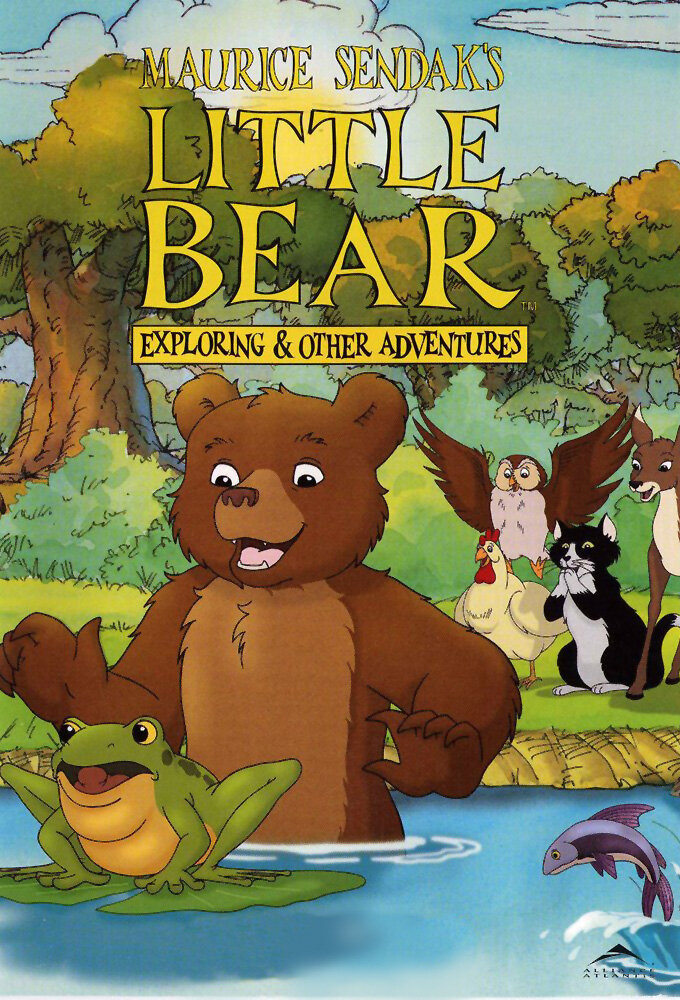
Little Bear follows a young bear as he embarks on exciting adventures in the forest alongside his close friends Emily, Duck, Hen, Cat, and Owl. Throughout his explorations, Little Bear encounters various challenges, gets into trouble, and learns valuable new things with the help of his companions. His loving Mother Bear is always there to support him when he needs her, while his Father Bear works as a fisherman who spends much of his time at sea. Based on the beloved books by Else Holmelund Minarik, this animated series captures the wonder and imagination of childhood through Little Bear's daily discoveries and the gentle lessons he learns from his forest friends and family. The show offers young viewers a warm and engaging look at friendship, family, and the simple joys of growing up.
Where To Watch: Little Bear
Little Bear Reviews From Parents
No written parent reviews yet — be the first!
Parental Feedback
Little Bear offers a gentle, slow-paced viewing experience rooted in everyday childhood adventures and imaginative play. Parents will find the tone consistently calm and nurturing, with minimal conflict and a focus on exploration, friendship, and family warmth. The series emphasizes quiet moments of discovery in nature, simple problem-solving, and the comfort of caring relationships, making it a soothing choice for families seeking low-intensity, emotionally safe content for young viewers.
Why Kids Should Watch Little Bear
This series provides several developmental benefits for preschool-aged children through its thoughtful storytelling and relatable scenarios.
The show models warm, supportive family relationships through Little Bear's interactions with Mother Bear and Father Bear, demonstrating unconditional love and parental availability. These depictions help young viewers understand healthy family dynamics and the security of having caregivers who listen and care.
Friendship skills are naturally woven throughout as Little Bear navigates adventures with Emily, Duck, Hen, Cat, and Owl, showing cooperation, sharing, and mutual respect. Children observe how friends work through minor disagreements and support one another in their imaginative games.
The series encourages imagination and creative play, with Little Bear and his friends frequently engaging in pretend scenarios that transform ordinary moments into adventures. This modeling can inspire young viewers to develop their own imaginative play skills.
Nature exploration and curiosity are gently promoted as Little Bear discovers the forest environment around him, fostering an appreciation for the outdoors and encouraging observational skills in a non-didactic way.
Why Kids Shouldn't Watch Little Bear
While overwhelmingly positive, some parents may find certain aspects less aligned with their preferences or their child's temperament.
The extremely slow pacing and quiet tone may not hold the attention of children accustomed to faster-paced programming with more visual stimulation and action. Some young viewers may become restless or disengaged during the contemplative moments.
The minimal conflict and lack of dramatic tension means there are few opportunities to see characters navigate significant challenges or complex problem-solving. Parents seeking content that models resilience through adversity may find the scenarios too simple.
The animation style and production values reflect the era of its creation, which may feel dated to children raised on contemporary computer-generated animation. Some families prefer visually modern content that matches current animation standards.
Verdict: Parent Approved
Little Bear earns approval as a safe, nurturing choice for preschoolers, offering gentle lessons in friendship, family, and imagination without any concerning content.
What Parents Should Know About Little Bear
| Question | Answer |
|---|---|
| Does this TV Show model positive behavior that my child can understand and repeat? | Yes, the series consistently shows kindness, sharing, helping friends, and respectful communication in age-appropriate scenarios that young children can easily grasp and emulate. |
| Does this TV Show include emotional moments my child might find confusing or intense? | No, emotional moments are kept very mild and are typically resolved quickly with comfort from family or friends, avoiding any intensity that might overwhelm sensitive viewers. |
| Does this TV Show show consequences for unkind or unsafe behavior? | Yes, when minor mistakes occur, characters experience natural consequences and receive gentle guidance from parents or learn through experience, though conflicts are minimal overall. |
| Does this TV Show reinforce helpful social skills like sharing, apologizing, or teamwork? | Yes, episodes regularly feature Little Bear and his friends working together, taking turns, and supporting each other through their adventures and imaginative play. |
| Will my child come away with any clear moral or message? | Yes, episodes typically convey simple, age-appropriate messages about friendship, family love, curiosity, creativity, and appreciating nature through everyday experiences. |
The Overall Sentiment From Parental Feedback
Parents consistently praise Little Bear for its wholesome, calming content that feels safe for even the youngest viewers. Many appreciate the absence of commercialism, scary elements, or inappropriate behavior, noting that they can confidently leave the room while their child watches. The emphasis on imagination, nature, and loving family relationships resonates strongly with caregivers seeking gentle programming. Some parents mention using episodes as part of bedtime routines due to the soothing pace and tone. A few note that older preschoolers or children used to high-energy shows may lose interest, but for toddlers and young preschoolers, the series is frequently described as a trusted, comforting choice that models exactly the values parents hope to instill.
Little Bear Official TV Show Trailer
Why Kids Love Little Bear
Little Bear explores the forest with his close group of friends, including Emily, Duck, Hen, Cat, and Owl. Each adventure brings the young bear into contact with the natural world around him, where he discovers new things and occasionally gets into trouble along the way.
The show centers on the bond between Little Bear and his parents, Mother Bear and Father Bear. Mother Bear provides steady support whenever Little Bear needs her, while Father Bear works as a fisherman who spends time at sea but remains an important presence in his son's life.
The forest setting creates opportunities for Little Bear and his friends to interact with their environment and each other. The characters navigate their woodland home together, forming friendships that help them through various situations and experiences.
Based on books by Else Holmelund Minarik, the series presents a gentle world where a young bear learns through everyday encounters. The combination of animal companions and family connections gives children relatable characters who face situations that feel familiar despite the forest backdrop.