

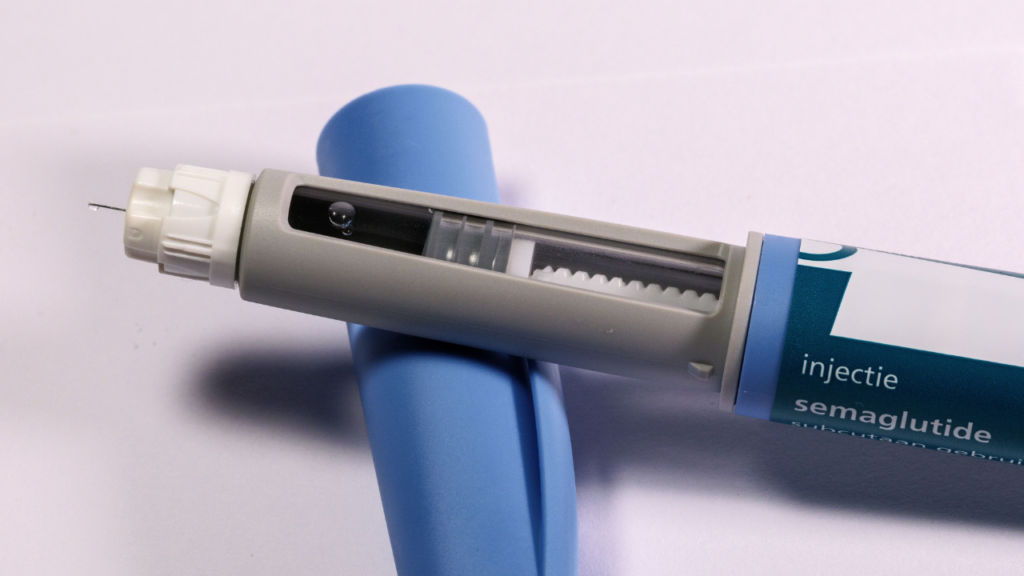
GLP-1 medications have gone from being primarily associated with diabetes treatment to becoming widely discussed as weight-management medications. As their popularity grows, more parents are wondering whether these drugs are appropriate for children and teens.
GLP-1 receptor agonists mimic a naturally occurring hormone involved in appetite and blood-sugar regulation. Medications such as semaglutide and liraglutide can slow stomach emptying and help people feel full, making them increasingly prominent in conversations about obesity treatment.
For adolescents, the medications are no longer simply an adult treatment. Lurie Children’s notes that Wegovy (semaglutide) and Saxenda (liraglutide) are FDA-approved for teens age 12 and older with obesity, while other GLP-1 medications have different age approvals.
That doesn’t mean every child who is overweight should take a GLP-1. These medications are generally considered as part of comprehensive obesity treatment, rather than as a quick solution for changing a child’s appearance or weight.
How Effective Are GLP-1s for Children?
The evidence suggests GLP-1 medications can produce meaningful improvements for children and adolescents with obesity or type 2 diabetes. A 2025 systematic review and meta-analysis examined 18 randomized controlled trials involving 1,402 young people, with an average age of 13.7 years. (PubMed)
Across those studies, GLP-1 medications were associated with an average 3.02-kilogram reduction in body weight, along with reductions in BMI, blood sugar and systolic blood pressure. The medications also increased gastrointestinal side effects, highlighting why medical monitoring matters.
Children may be prescribed these medications when obesity is affecting their health or when conditions such as prediabetes or type 2 diabetes are present. The research notes that obesity affects approximately 1 in 5 children and adolescents, increasing their risk of type 2 diabetes and other health complications.
What Parents Should Know Before Starting GLP-1s
Parents should understand that GLP-1 treatment isn’t simply about taking a medication and watching the number on a scale fall. Lurie Children’s recommends combining treatment with healthy eating, physical activity, adequate sleep and appropriate counseling and support.
Side effects can include nausea, vomiting, stomach discomfort, diarrhea and constipation. Because GLP-1 medications suppress appetite, healthcare providers should also monitor whether children are getting adequate nutrition, including sufficient protein and fluids.
Parents should also discuss the potential long-term commitment. Current evidence supports short- to medium-term safety, but doctors don’t yet have decades of data on children taking these medications throughout childhood and into adulthood.
Before starting a GLP-1, families should ask the child’s healthcare provider whether the medication is appropriate, what side effects to watch for, how nutrition will be monitored and how treatment would be managed if the medication is eventually stopped.

