

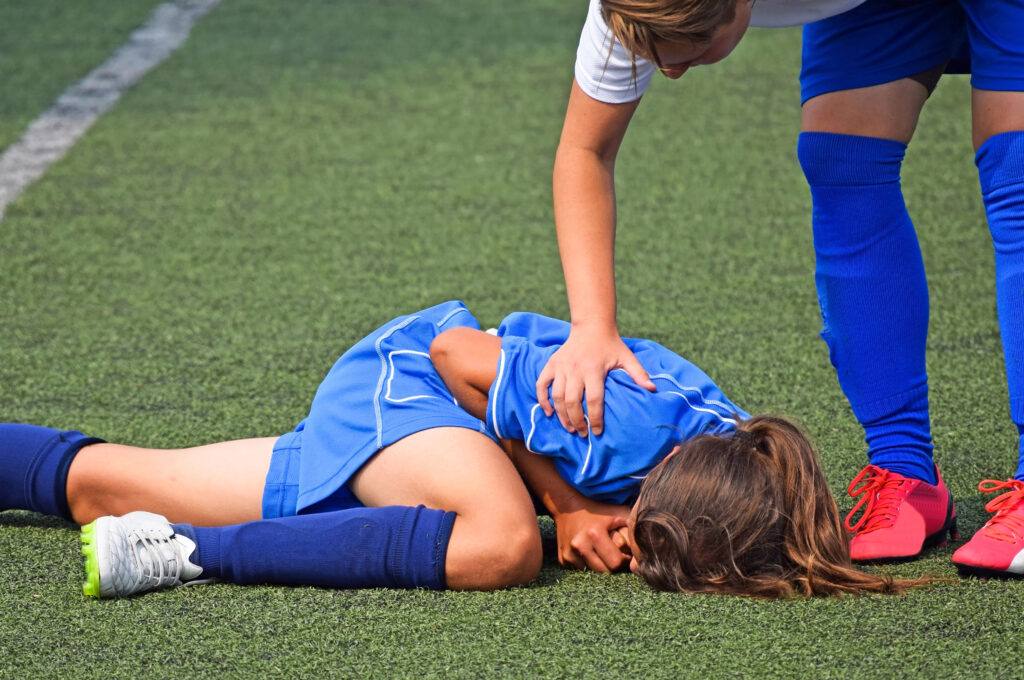
When a young athlete is sidelined by injury, the damage isn’t only physical, and experts say the emotional recovery deserves just as much attention as the healing body.
From depression and anxiety to a full-blown identity crisis, the psychological fallout of being benched can follow a child long after the swelling goes down, shaping how they relate to sports, competition, and themselves for years to come.
For parents watching their child struggle through a sprained ankle or a concussion, the instinct is often to focus on the physical: ice it, rest it, get back out there. But sports medicine professionals and mental health clinicians are increasingly clear that this approach leaves half the recovery unaddressed.
Why Being Sidelined Hits So Hard
For many young athletes, their sport isn’t just something they do after school. It’s a core part of who they are. When an injury forces them off the field or court, the loss can feel profound, not just inconvenient. Research cited by the psychological effects of injury on young athletes shows that sidelined players commonly experience depression, anxiety, frustration, and a genuine identity crisis as they watch teammates continue without them. Without adequate support, those struggles can produce lasting consequences, including chronic performance anxiety, fading motivation, and, in some cases, decreased motivation to return to sports. Part of what makes this so difficult is developmental. Younger athletes simply haven’t built the same emotional toolkit that older, more experienced players have. Terri Chmielewski, PT, PhD, SCS, a physical therapist and research scientist at TRIA, notes that young athletes may need more support and encouragement to focus on what they can do instead of what they can’t do during recovery. That reframing, from loss to possibility, is something most kids can’t manage on their own.
The Opportunity Hidden Inside The Setback
One of the more counterintuitive insights from sports medicine professionals is that an injury, handled well, can actually strengthen a young athlete’s mental game.
Dr. Aimee Custer, PsyD, Clinical Director of TRIA’s Sport Concussion Program, told HealthPartners, “An injury can actually provide an opportunity for personal growth. It allows athletes to develop the mental aspect of the game.
Injury helps athletes build resiliency and flexibility. It also helps them gain compassion and mental toughness. Mental training is just as important as physical training.”
That perspective matters because it gives parents a constructive frame to offer their child. Instead of treating the recovery period as dead time, families can encourage kids to work on breath control, visualization, and mental focus, skills that will serve them when they return to play.
Coaches can reinforce this by finding meaningful roles for injured athletes during practice, letting them assist with drills or serve as a team resource, which reduces the isolation of sitting on the sidelines and keeps them emotionally connected to the group.
What Parents Can Do Right Now
The support network surrounding an injured child, parents, coaches, and teammates, has an outsized influence on how that child recovers, both physically and emotionally. Experts recommend several concrete approaches:
- Keep communication open. Let your child express frustration, fear, and grief without rushing to fix it. Validating those emotions is itself a form of support.
- Stay connected to the team. Attending games, cheering from the stands, and staying involved in team activities helps prevent the isolation that can tip into depression.
- Reinforce identity beyond athletics. Remind your child that their worth isn’t measured by their performance or their roster spot. Encouraging other interests during recovery builds a broader sense of self.
- Watch for warning signs. Withdrawal from social life, persistent low mood, or a refusal to engage with rehab can signal that professional support is needed. Sports-focused therapists and psychologists specialize in exactly this kind of recovery.
Dr. Custer also issued a pointed challenge to sports culture more broadly. “This is something we need to change in sports culture,” she told HealthPartners. “Mental toughness and supporting teammates are great qualities of sports. Playing through injury is not.”
The Fear Of Going Back
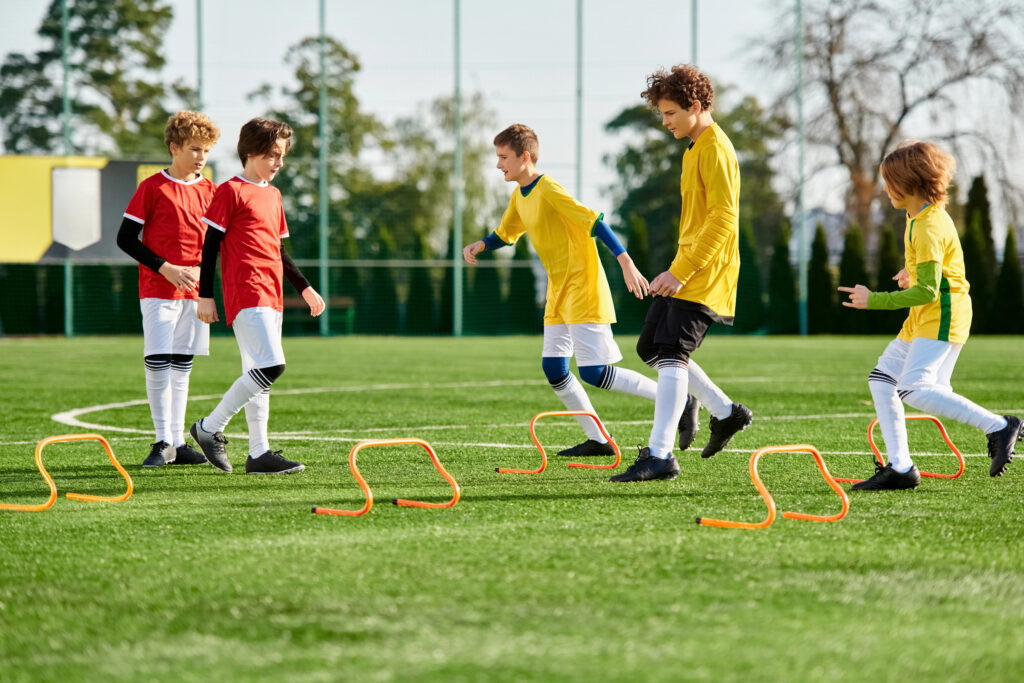
Even after the body heals, the mind may lag behind. Fear of reinjury is one of the most common and least discussed barriers to a successful return to sport.
Athletes who haven’t fully processed the psychological experience of being hurt may hesitate in their movements, avoid high-intensity plays, or carry anxiety into competition that actually increases their risk of getting hurt again.
A structured, phased return, moving gradually from light conditioning to sport-specific drills to full competition, gives both the body and the mind time to rebuild confidence together. At each stage, coaches and parents should watch for signs of mental hesitation, not just physical readiness.
Visualization is one tool that can help bridge that gap. Mentally rehearsing successful movements and gameplay keeps neural pathways active during physical downtime and can ease the psychological transition back to full participation.
Mindfulness practices, including deep breathing and progressive muscle relaxation, give athletes concrete ways to manage the anxiety that often accompanies recovery.
Handling The Physical Side: What To Do First
Of course, emotional support can’t replace proper physical care. For minor injuries like sprains, strains, and significant bruising, Nationwide Children’s Hospital recommends the RICE protocol, which stands for Rest, Ice, Compression, and Elevation.
According to Nationwide Children’s guidance on treating minor sports injuries, applying ice promptly after an injury is most effective, and the ice pack should always be wrapped in a thin cloth rather than placed directly against the skin.
Compression with an elastic bandage helps control swelling, though parents should check that the wrap isn’t too tight by watching for tingling, color changes, or coldness in the hand or foot. Keeping the injured area elevated above heart level further reduces swelling. With proper RICE treatment, improvement is typically noticeable within 24 to 36 hours.
That said, not every injury is minor. Severe bleeding, visible deformity in a bone or joint, or significant swelling and pain are all signals that a healthcare provider needs to be involved immediately. Head injuries deserve particular caution, since any loss of consciousness, even briefly, warrants professional evaluation.
Parents who are unsure whether an injury is serious enough to warrant a doctor’s visit should err on the side of caution, especially since what feels like a muscle strain can sometimes be a fracture or a tendon tear. If you’re ever uncertain about what questions to ask at that appointment, knowing what to ask in the emergency room can help you advocate more effectively for your child.
One critical note from sports medicine professionals: kids don’t always accurately gauge their own physical readiness to return.
They may feel fine or simply want to get back to their team before their body has fully healed. That’s why adult oversight matters at every stage of recovery, not just in the acute phase.
Kids Love Sports, But Kids Get Hurt
The conversation around youth sports injuries has long centered on the physical, and for good reason. But the growing body of clinical guidance from sports psychologists and physical therapists makes clear that treating the body without tending to the mind is incomplete medicine.
Parents who understand both dimensions of recovery are better equipped to help their child come back not just healthy but stronger, more resilient, and more self-aware than before the injury.
As the season continues and young athletes push their limits, the families and coaches around them carry real influence. How they respond in those first hours and weeks after an injury, whether they rush the return or hold space for the full recovery, may shape a child’s relationship with sport, and with themselves, for a very long time.
For a deeper look at how kids cope with sports injuries from both a physical and emotional standpoint, TRIA’s clinical team offers practical guidance worth bookmarking before the next season begins.

