
Thanks to social media, seeing unkind comments and trends is inevitable. Experts encourage parents to keep social media far away from young kids and teenagers because of the negative effect it has on self-confidence and the addictive nature scollings apps can provide. And sadly, bullying continues on social media from the school hallways. And while parents are more prepared than ever to protect their kids from bullies, what do they do if their child is the bully?
It’s a tough pill to swallow when you find out your child is intentionally hurting someone, either physically or verbally. Most parents have no idea that their child is causing pain for someone else until other parents or teachers speak up, which is a great reminder for parents to be involved in their child’s life.
Now, learning that your son or daughter is bullying someone doesn’t mean you are a bad parent, and it doesn’t necessarily mean that your child is a bad kid. It just means some tough conversations need to be had, and healing needs to take place (on both ends).
The loving suggestions I have attached to this article are thoughtfully curated by experts. Bullying is an emotional, sensitive subject, and it needs to be treated delicately by trained professionals.
First Things First: What’s Considered Bullying?
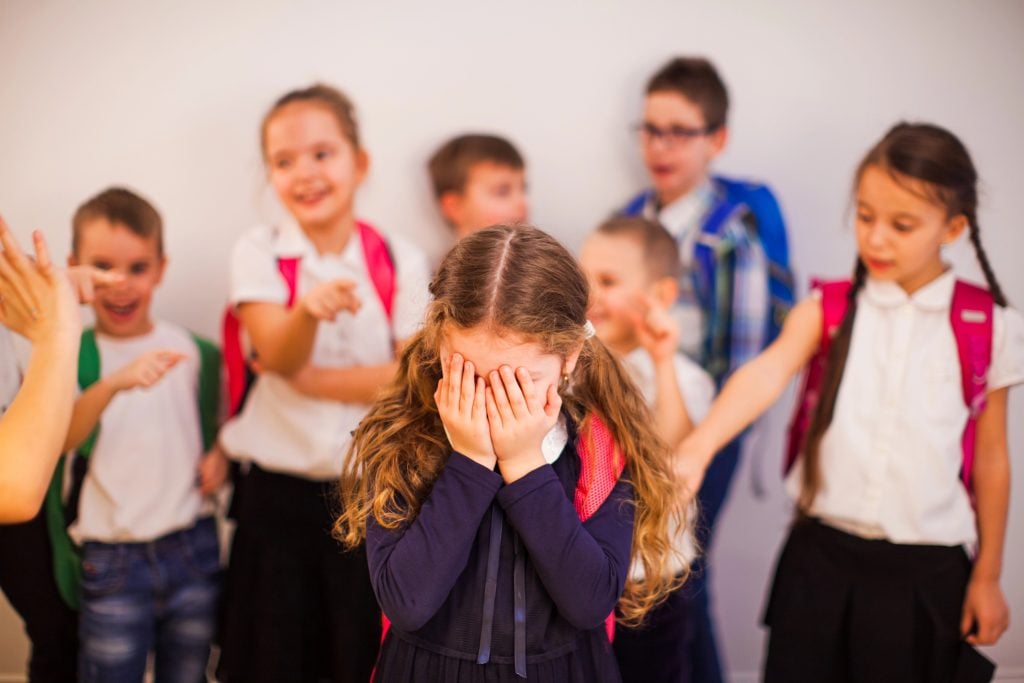
Bullying can be a murky subject sometimes because of varying senses of humor. What’s funny to one is ridicule for someone else. The official government site for bullying defines bullying as “Unwanted, aggressive behavior among school-aged children that involves a real or perceived power imbalance.”
Bullying is oftentimes a continued pattern and rarely stops without some sort of intervention. Officially, bullying is defined by three categories: Verbal, Social, and Physical.
Verbal Bullying: Whether it’s through direct message on social media, in a text, or in person, verbal bullying is when a person is bullied by words.
Social Bully: Public social settings like the school cafeteria or gym class are often the place where bullying occurs. Publicly bashing someone or intentionally embarrassing someone in front of a group of people are examples of social bullying.
Physical Bullying: While every form of bullying is horrendous, physical bullying is the worst of the worst when a bully puts their hands on someone else. Spitting, tripping, hitting, and kicking are all forms of physical bullying.
Regardless if your child is the bully or is being bullied, the act is life-altering and needs to be dealt with immediately. There are a few ways experts suggest dealing with your child when you find out they’re bullying others. Be sure to stay vigilant, be sensitive yet stern, and follow your child’s progress.
What Are Some Signs That Your Child Is Bullying Others?
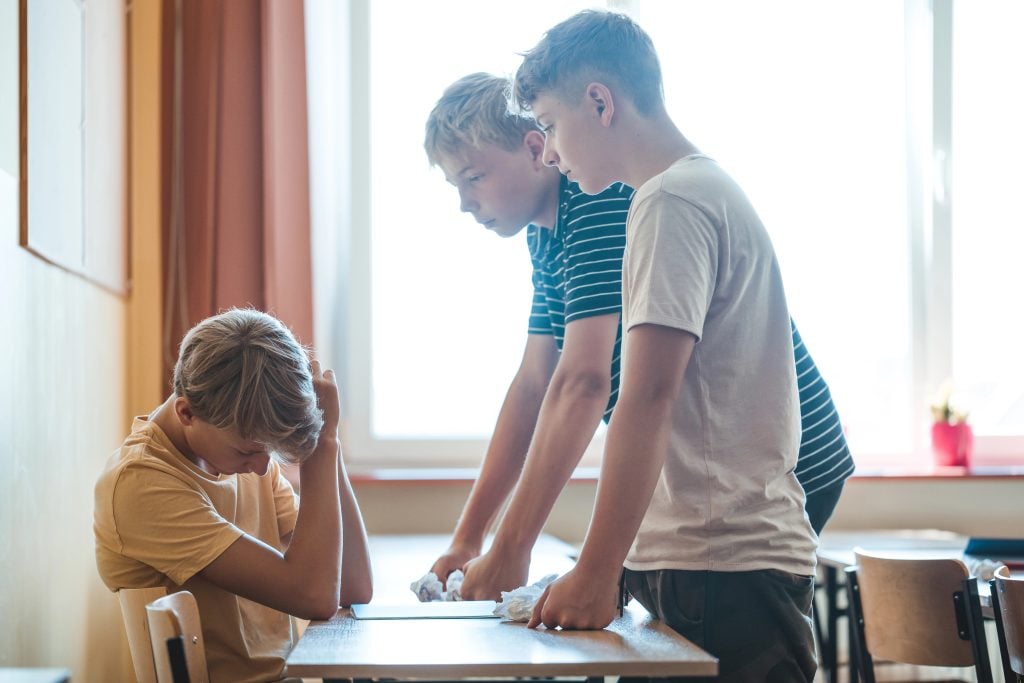
Unfortunately, not every parent is notified by the school or another child’s parent that their child is bullying others. This is why looking out for signs at home and being communicative with one another is so important.
Some Tell-Tale Signs That Your Child May Be Bullying Others
- Showing verbal or physical aggression at home.
- Coming home with items that aren’t theirs, including money.
- Hanging around with a hostile group of friends.
- No interest in uplifting activities.
- Incapable of cooperatively playing with others.
- Insulting or putting others down, especially those younger than themselves.
- Blaming others for their poor behavior.
Now, just because your child may exhibit some of these signs doesn’t necessarily mean they’re bullying others, but these are indicators that a child is struggling and may be taking their anger or sadness out on others. If you see these signs in your child, take it as a cue to keep a closer eye on them and get more involved in their life outside the home.
Find Out Your Child’s “Why”
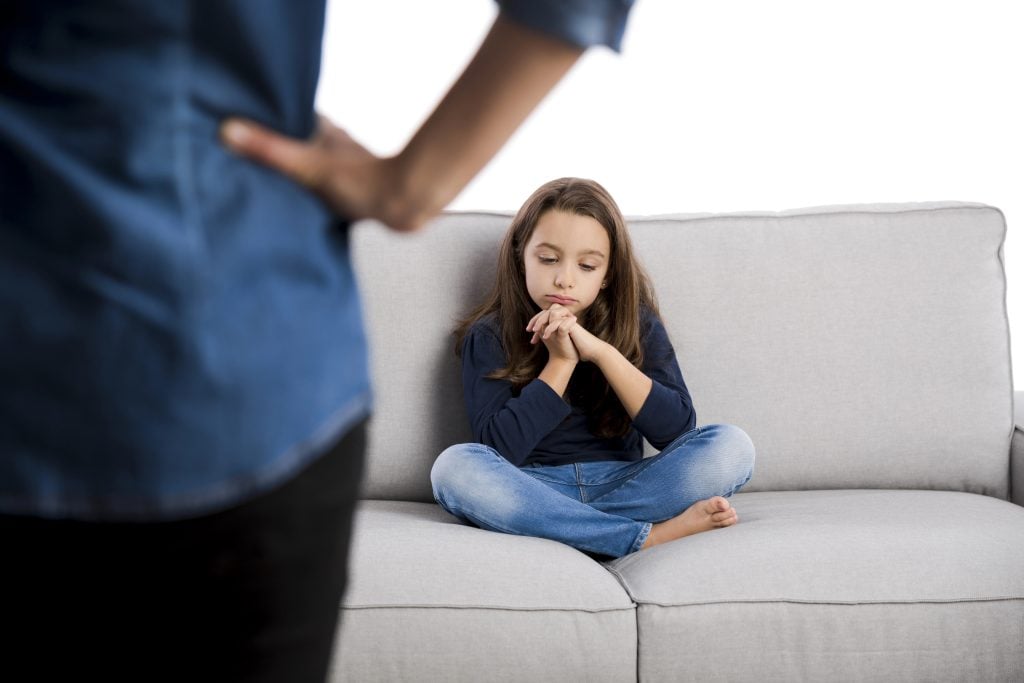
It may take some digging, but a great place to start is finding out why your child is bullying others. This can be tricky if your child won’t open up to you or if you don’t have great communication. Those at The Child Mind Institute reiterate that your child isn’t necessarily a bad kid just because they bully others; they are in distress.
Dr. Jamie Howard expressed the importance of friendships for a child’s mental health. If they struggle to make or maintain friends at a young age, it could lead to aggressive behavior.
If your child has close friends, other reasons for bullying could be:
- Seeking attention or approval
- They don’t fully understand how the other kid feels when being bullied
- They’re also being bullied or abused
- A desire for power
Sit your child down and talk to them about their actions. Learn what they’re lacking in their small circle and why they choose to hurt others. Once you find out why your child bullies, it can be easier to treat and heal.
Take It Seriously
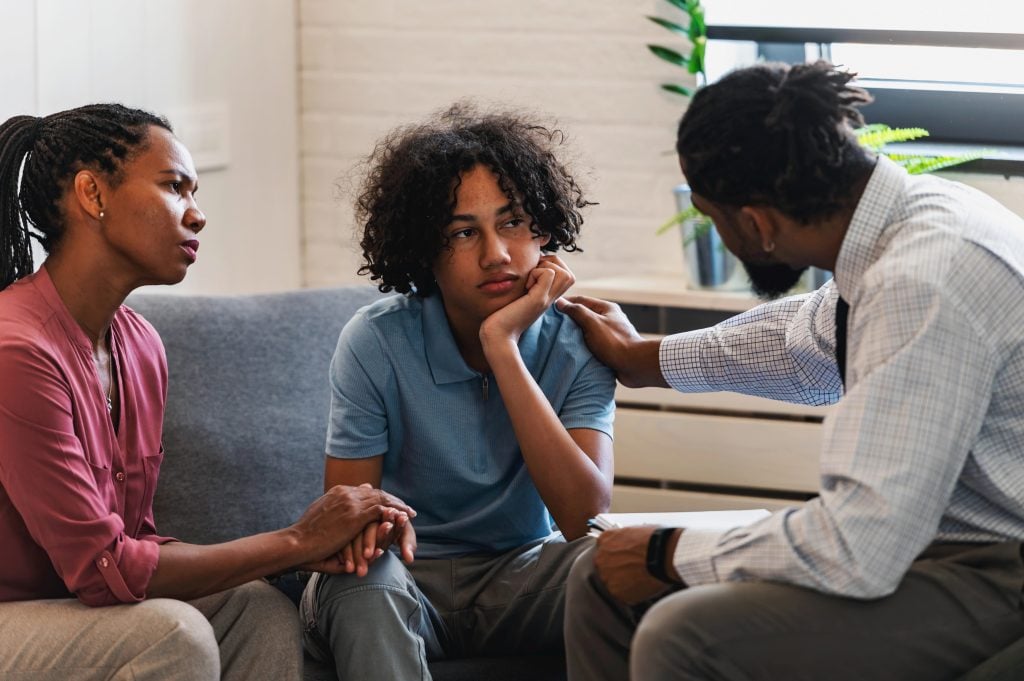
For some parents, the thought of their child bullying someone is so out of left field that they don’t want to handle the situation head-on. Sometimes, they don’t take the news seriously and chalk it up to kids being silly or unserious. However, those at Stomp Out Bullying agree that any inclination of bullying needs to be taken seriously.
- Take bullying seriously. It’s not a phase that you or your child should accept.
Aggression in children can have long-lasting effects and can follow them into adulthood. Not only will the behavior harm your child, but other children are involved as well, making it something to take seriously and tackle immediately.
I know hearing that your child is a bully is hard to accept, but it’s even harder to accept if the behavior continues.
Listen Without Judgment Before Reacting
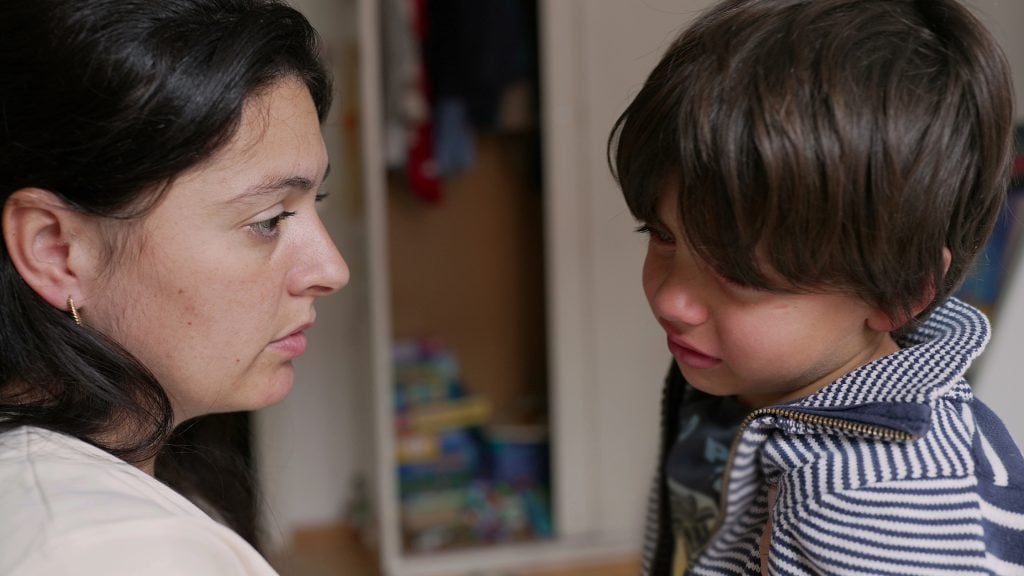
It can be hard to calmly take a breath after hearing that your child is bullying others. And while you may react quickly with disbelief or anger, it’s best to listen quietly and intently before responding.
Experts at the Children’s Hospital of Chicago remind parents to listen without judgment when talking to their child about bullying behavior. It’s every parent’s goal to keep their child (and those around them) safe, and gathering all the information without bias is important.
Here are some steps to take:
- Gather all of the information first. Listen to your child, teachers, counselors, or victims if they’re involved.
- Ask your child for their version on certain situations. Remember, do not judge your child for how they’re feeling.
- Ask how long bullying has gone on, who’s involved, and how often.
- Most importantly, find out why they’re acting out. What’s their “why?”
- Let your child know that you love them, are there for them, and are there to help.
Let your child know that you are not judging them and that there are repercussions for this kind of behavior. If the bullying continues, call the school’s counselors to involve professionals.
Keep The Lines Of Communication Open

While keeping lines of communication open is a great way to prevent bullying in the first place, it’s also something to focus on when you find out your child is bullying others.
- Become closer to your child.
- Find out who their friends are and what kinds of things they enjoy doing.
- Make an effort to have dinners together at home without electronics. Have open and loving conversations as a family.
- If your child has unique interests, ask if they want to pursue more activities to explore them (like sports or art).
- Get to know their school and things they’re learning.
Remaining close to your child and maintaining open communication can help end bullying because a child has a loving, nurturing home life. A close bond with parents allows mom and dad to spot any hard times, which can help prevent further bullying.
Be open, ask questions lovingly, and keep the lines of communication open with no rules.
Create A Team Of Supporters

If your child is bullying someone at school, one step you can take is to get a support team in place as backup. While parents can make a loving and supportive place at home, kids need the same kind of comfort at school — especially those who have been bullying others.
How to Create a Support Team:
- Call your school and have meetings with your child’s teachers. Ask them if they see any concerning behavior, how their grades are, and what their interactions with other students are like.
- Next, meet with a guidance counselor to share the information you have. They’ll then meet with your child after speaking with other teachers to create a game plan for better behavior.
- If needed, have your child start therapy. While the school guidance counselor is a great option, sometimes talking to someone who has no connection to the school can help your child open up more.
- Lastly, focus on what you can do at home. Create a deeper, loving relationship with your child.
Having a team around your child can help them feel supported and guided. It sheds some much-needed attention on them during times of doubt. As parents, having “backup” can also bring peace of mind.
Touch base with your child’s teachers and counselors to make sure everyone is on the same page.
Examine Your Child’s Digital Life

Social media is a large part of a teenager’s day-to-day life. Apps like TikTok and Instagram can be so addictive that Australia placed a ban on social media for those under 16 years of age. Between online bullying and comparisons, social media can be more of a downer than an up.
If you believe your child is bullying other kids, one of the repercussions could be being a part of your child’s social media presence. Create a new rule that you need the login information for all social media accounts, or they’re not allowed to be on at all.
- Take a look at who they’re following and who follows them.
- What kinds of content are coming up on their explore page? Are the ads and posts uplifting or dark and concerning?
- See what content they’re posting, liking, and commenting on.
Getting an inside look at their online world could show some insight into a different part of their life that you previously had no access to.
It’s Time To Get Active

If your child isn’t already enrolled in some kind of physical activity, it could be what the doctor ordered to release aggression, learn something new, and meet new people with similar interests.
Getting exercise is a great way to boost mood-regulating hormones, like serotonin. Naturally releasing endorphins through physical activity can instantly make you feel lighter, less stressed, and more positive.
If your child appears angry or is physically aggressive toward others, try placing them in an activity where they can safely release that energy. Allow your child to choose the activity they’re most interested in, so they enjoy it and don’t dread it.
If all else fails, take family or dog walks, or play an active at-home game to get your child’s heart rate up and release some endorphins.
Tip: Include your child’s teachers in your gameplan for more activity. Ask them to include your child in setting up an area of the class, putting away chairs, cleaning up after gym class, etc…
Show Them How To Properly Handle Conflict
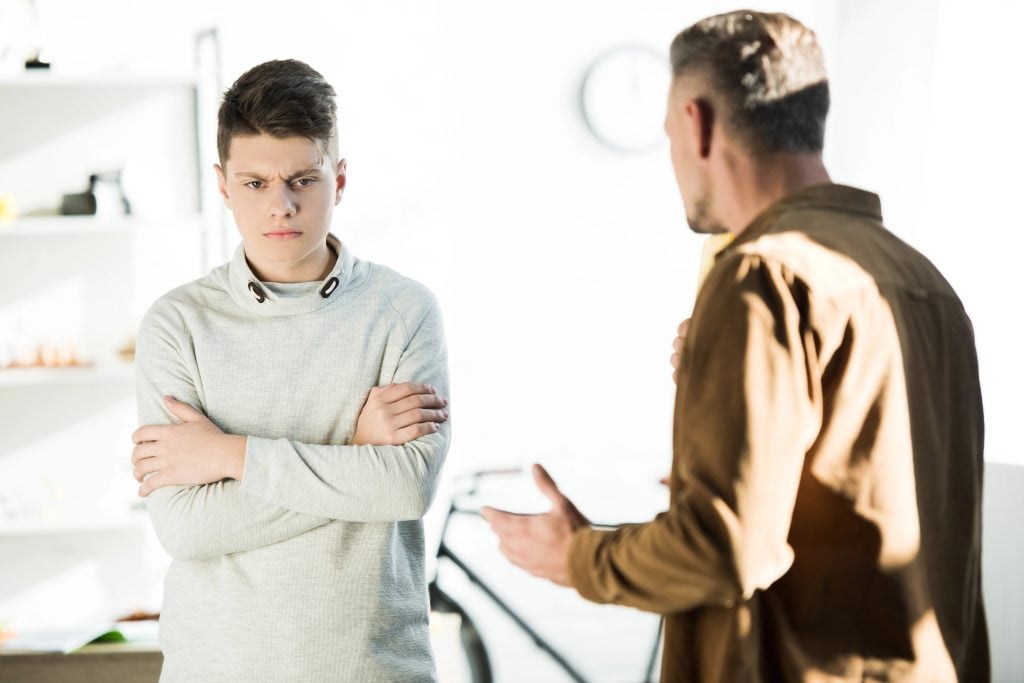
It may be a hard pill to swallow, but your child may struggle to handle conflict because they haven’t seen a proper way to do it at home, or they’re unsure how to do it properly.
Adults also have a hard time handling conflict, and it takes some self-reflection to teach it safely to your child. After all, slowing down your thoughts and handling something when you’re angry or sad is hard work.
Ways to Teach Handling Conflict:
- When you feel angry or sad and react poorly, teach your child to recognize what they’re feeling and why they may feel that way. Depending on the age, you can show them a feelings chart or have them write down what they’re feeling and what triggered those emotions.
- Teach tools to help them calm down. This can be done through going for a walk, taking deep breaths, shifting thoughts, or playing with animals (if possible).
- In tense times at home, give your child two ways to resolve the conflict and let them choose which one works best for them.
There are countless safe ways to handle conflict; you just have to find what suits you and your family best. More importantly, your child will mirror how their parents handle conflict. In tense times, be mindful that your kids are watching, and show them how to handle conflict properly so they can do the same.