

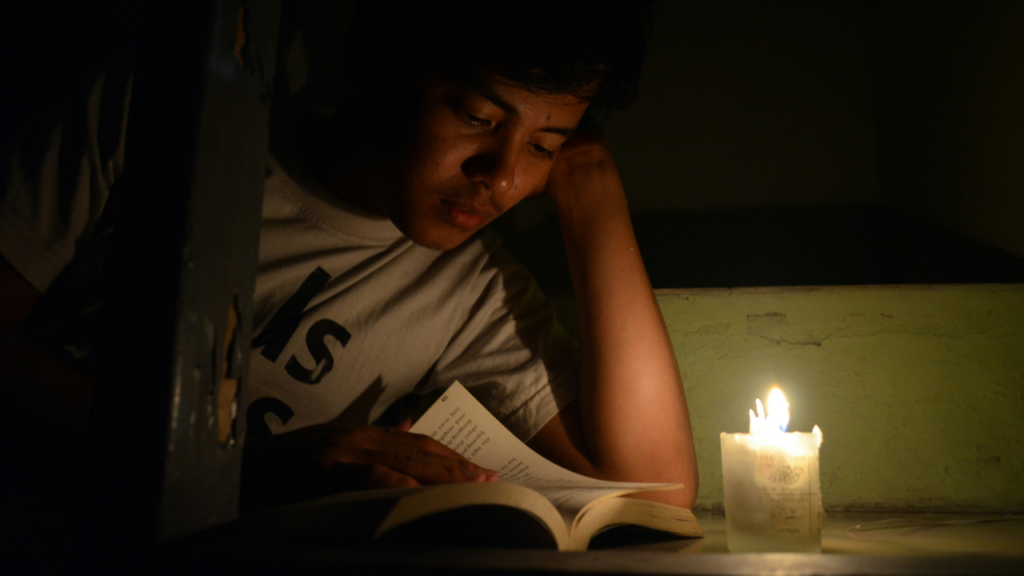
If your teenager has suddenly started pushing bedtime later or struggling to get out of bed in the morning, the changing fall season may be partly responsible. While parents might assume their teen is staying up too late by choice, experts say puberty and seasonal changes can both affect sleep patterns.
During puberty, hormonal changes shift the body’s internal clock, making teenagers naturally feel tired later at night and want to wake up later in the morning. Pediatric sleep specialist Michelle Jean Brock Caraballo explains that “their bodies prefer to go to sleep later and wake up later.”
The end of Daylight Saving Time can also disrupt sleep routines as daylight becomes shorter and mornings change. Experts recommend getting outdoor light soon after waking and reducing bright lights and screen exposure before bedtime.
How Much Sleep Do Teens Need, and Why Does It Matter?
Although teenagers may naturally want to stay awake later, their bodies still require plenty of rest. The recommended amount for adolescents is eight to 10 hours of sleep every night, according to Nemours KidsHealth.
Unfortunately, early school start times, homework, extracurricular activities and social commitments can make getting enough sleep difficult. When teens regularly fall short, they may experience mood changes, depression, difficulty concentrating and poorer performance in school or sports.
Sleep deprivation can also create physical safety concerns, particularly for teenagers who drive. KidsHealth warns that teens who drive without enough sleep “are more likely to be in car accidents.” Nemours KidsHealth recommends consistent sleep schedules, limiting screens before bed and avoiding caffeine late in the day.
When Should Parents Worry About Teens Staying Up Late?
An occasional late night is not necessarily cause for concern, particularly when teenagers are adjusting to changing schedules. However, parents should pay attention when sleep problems become persistent or begin affecting their child’s everyday life.
Tufts sleep experts say chronic sleep deprivation can interfere with mental well-being, academic performance and physical health. “Teens are chronically sleep deprived,” says sleep expert Alison Kole, emphasizing that families need to understand why adolescents struggle to get enough rest.
Parents should consider seeking medical advice if their teen experiences ongoing fatigue, mood changes or difficulty concentrating despite efforts to improve their sleep routine. Loud snoring, gasping or choking during sleep can also indicate sleep apnea and warrant medical attention.

