
During pregnancy, check-ins can sometimes feel overwhelming. From regular appointments and a constant flood of texts from excited family and friends, it seems everyone just wants to make sure you’re doing OK.
Then comes the big day. You excitedly share the news of your baby’s arrival, and the attention abruptly shifts. Suddenly, everyone is more concerned with asking for photos of your little one than asking how you’re feeling.
A survey of 2,000 parents conducted by BabyCenter in October 2023 revealed what type of support, or rather lack of support, moms reported after giving birth. According to the survey, only 41% of mothers reported having enough support during the postpartum period. Furthermore, the support they received from family and friends was mostly focused on caring for their newborns.
It’s normal for support to drop off shortly after the baby’s arrival, but it’s also distressing to navigate postpartum without a village. Here’s why it happens, and what you can do to make the adjustment more manageable.
The Spotlight Moves To The Baby (And Away From The Person Who Gave Birth)

The most obvious shift is also the most frustrating: once the baby is here, the baby becomes the main event. Family and friends often mean well, but visits can turn into “let me hold the baby” while you’re quietly trying to heal, feed yourself, remember if you’ve had water today, and figure out why your emotions are more scattered than the pacifiers you keep misplacing.
Research reflects this lived experience: mothers consistently report that social support declines after childbirth. That drop matters because social support is strongly tied to postpartum mental health outcomes.
Pregnancy Has A Script. Postpartum Doesn’t.
Pregnancy is structured. Trimesters, milestones, prenatal visits. Postpartum? The very opposite. Recovery timelines vary, and aside from a 6-week postpartum checkup, the doctor’s visits (and medical support) are often nowhere to be found.
Visitors mean well, but can also feel overwhelming, and answering “what do you need?” is like solving a complex math equation when you’re running on two hours of sleep.
Culturally, we also treat birth as the finish line rather than the beginning of a long recovery period. Medical experts have pushed back on that idea by describing postpartum as the “fourth trimester” and emphasizing ongoing support, not a single checkup.
The Healthcare System Can Feel Like It Steps Right Back When You Need It Most
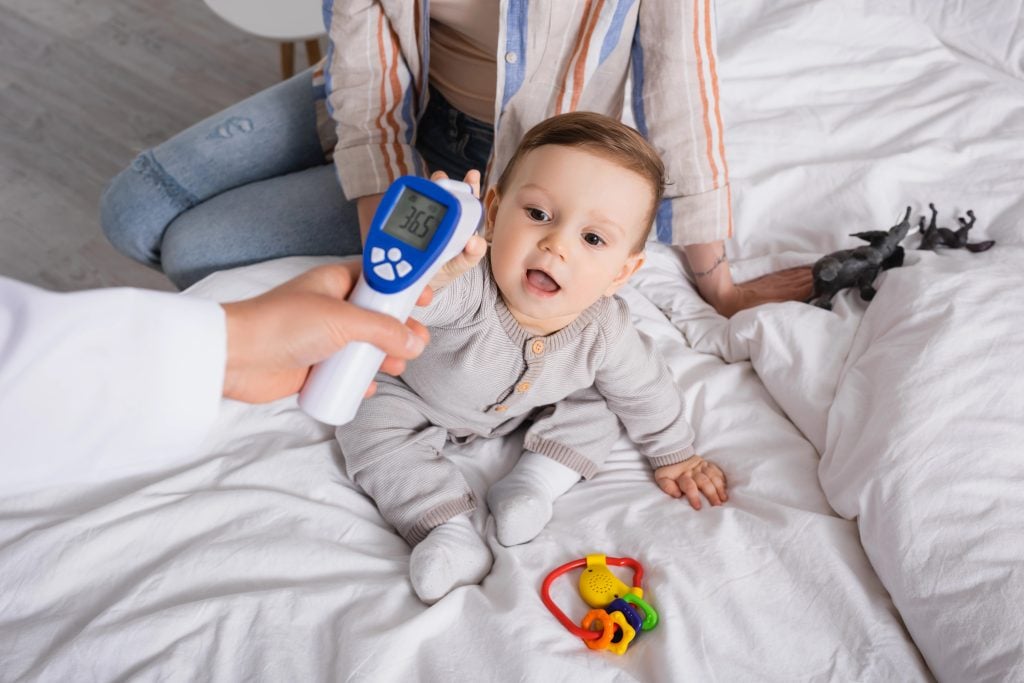
Many parents are surprised by how quickly appointments and monitoring slow down after delivery, and that reaction is understandable. The American College of Obstetricians and Gynecologists (ACOG) recommends early postpartum contact (within the first few weeks) and ongoing care after that period. But in real life, access, scheduling, transportation, childcare, and insurance barriers can still make postpartum care hard to get, especially if everything looks “fine” from the outside.
People Assume The Help Is No Longer Needed, Or That They’re “In The Way”
There’s a common belief that once the baby is out, the hard part is over. In reality, the hard part has just begun: physical healing, hormonal changes, feeding challenges, emotional whiplash, and the relentless pace of newborn care.
On top of that, once visitors satisfy their “need” to take in that newborn smell, they might not want to bombard you or interfere with your bonding. It’s common to hear friends and family say they don’t want to get in the way, or they want to give you time with your partner, baby, and potentially big siblings as you all adjust to the new routine.
It can be tough to speak up, but here are some practical tips for finding support when it begins to fade:
- Name the kind of help you want. Meals? Laundry? Holding the baby while you shower? A friend to sit with you during a tough evening? People respond better to specifics than general requests.
- Schedule check-ins like appointments. A weekly walk, a Sunday phone call, or a rotating meal train creates structure when your days blur together.
- Gatekeep visits. If someone comes over, it’s okay to say: “We’d love company. Can you bring lunch and fold a basket of laundry while we chat?”
- Build a “red flag” buddy system. Pick one person who knows what you’re watching for (mood changes, panic, intrusive thoughts, feeling disconnected) and agrees to check in honestly.
Postpartum is a major life transition, physically, emotionally, and socially. Our culture often shows up big for the pregnancy (hello, baby showers and tiny outfits), but underestimates the reality of the recovery.
The good news? Being direct about your needs, both to yourself and your loved ones, can have perks. Remember hot coffee and hotter showers? Go get it, mama!