


A child who once raced to the playground now asks to lie down the moment school ends. Another sleeps all night but still struggles to get out of bed.
An occasional slow day is normal, a pattern is not. Pediatricians advise parents to take notice of behavioural changes in their kids.
Fatigue in children rarely has a single cause, and more than one factor can be at play. Here are seven common causes parents should never ignore.
1. Too Little Sleep

Children aged 6 to 12 need sleep of nine to twelve hours a day. Teenagers need eight to ten hours of sleep, according to the American Academy of Sleep Medicine. Late-night screen time and early school start times often eat into that.
2. Poor Sleep Quality
Hours in bed do not always mean restful sleep. Loud snoring, gasping or restless nights can signal sleep apnea, which may leave a child irritable and unfocused during the day.
3. Iron Deficiency

Iron helps the blood carry oxygen, and low levels can lead to anemia. Signs include paleness, headaches, dizziness and weakness. Parents should not give iron supplements without a doctor’s advice because too much can be dangerous for young children.
4. Poor Nutrition
Skipped breakfasts, very limited diets or light school lunches can leave a growing child short on fuel. Children need regular meals and snacks that include protein, iron-rich foods, fruits, vegetables and whole grains to keep up with school and play.
Parents of picky eaters should not force meals or try restrictive diets.
5. Dehydration

Hot weather, sports, fever, vomiting or diarrhea can drain fluids quickly. A dry mouth and dark urine are common clues.
6. Illness And Stress
Energy can take weeks to return after an infection. Bullying, schoolwork pressure, family changes or anxiety can also disrupt sleep and dampen interest in favorite activities.
7. Underlying Conditions
Thyroid problems, diabetes and some chronic illnesses can cause fatigue. Extreme thirst, frequent urination and weight loss should prompt a call to the doctor right away.
Know When To Call The Doctor
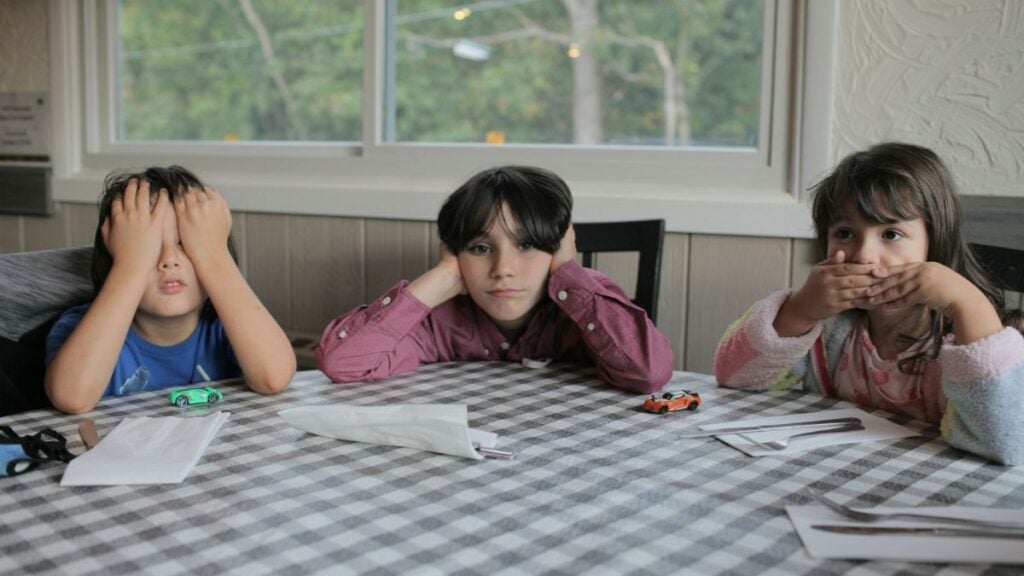
Make an appointment if tiredness lasts for weeks, keeps coming back or interferes with school, play or exercise. Other red flags include unexplained weight loss, a persistent fever, unusual paleness, or noticeable changes in mood, appetite or schoolwork.
Doctors may order blood tests or a sleep evaluation, depending on the child’s symptoms.
Seek urgent care if a child has trouble breathing, is hard to wake, seems confused or shows severe weakness. Do not wait for a routine visit.
How Parents Can Help Kids In Changing Habits

Keep wake-up times and bedtimes consistent, cut back on screens before bed and offer regular meals and water through the day.
Before the visit, jot down sleep hours, eating habits and when the tiredness is worst. Specific notes help doctors far more than “my child seems tired.”

