

“Time to leave the playground,” you hear a parent call as you watch your kids swinging on swings.
“No, Dad! 5 more minutes please!” the child retorts.
“I said it’s time to go, Johnny!” the father calls back. The son runs off from his father in an attempt to stall for more time.
Whether you’ve seen this situation in public or experienced it yourself, parents understand the challenges of having their kids transition activities. One simple tool changes everything: countdown timers. They guide kids in knowing when it’s time to change activities, while building independence, confidence, and time management skills.
As a Registered Behavior Technician, I’m setting a timer at least once every 20 minutes to signal activity changes for my clients. I’ve started doing the same thing at home to signal to my children when it’s time to finish one activity and move on to another. I’m met with less resistance at home with my children and while working with my clients in the ABA center, all because I’m setting timers. Here are the 10 reasons why countdown timers help kids transition activities throughout the day.
Instills Predictability
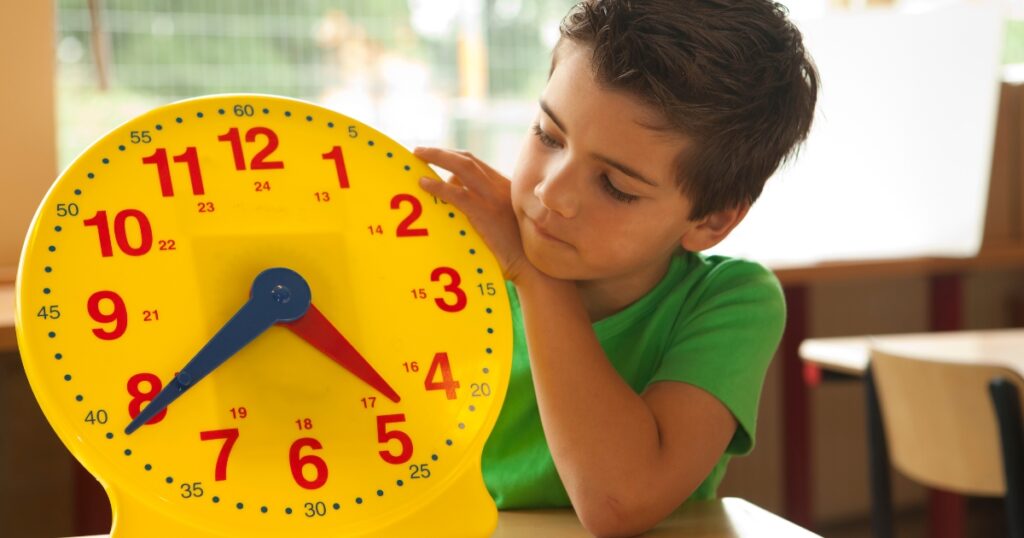
Timers are the bridge between transitioning from one activity to another. Kids can watch the timer as it winds down to zero, leading to less uncertainty and more understanding of when a transition is coming. Instead of hearing “It’s time to clean up”, they can watch the seconds go down on the timer to prepare for the transition.
The timer bell acts as an auditory cue to help the child understand that the current activity is done and to prepare for the upcoming one. Using timers ensures children mentally prepare for the change so they can shift their focus to what’s next.
What Parents Can Learn From Creating Predictability With Timers: Parents may observe that some of their children’s behaviors occur because they are caught off guard. Countdown timers teach children to welcome and accept transitions rather than fearing them. Over time, families can experience fewer arguments and smoother changes from one activity to another by using countdown timers.
I started using timers with my kids when we would be at the playground. My children eventually learned that when the timer went off, it was time to leave the playground, go to our SUV, and go to the next destination.
Reduce Power Struggles

Children refuse to transition sometimes because they do not want to stop an enjoyable activity. The countdown timer is an objective signal showing kids that it’s time to transition. This reduces stress for the parent giving more demands to have the children comply and undergo the change in activity. Children eventually recognize the timer is indicating it’s time to move on rather than the parent stealing their fun by ending the current engagement.
What Parents Learn From Reducing Power Struggles: Rather than repeating reminders or making negotiations, parents can remind their children it’s the end of an activity by pointing to the dinging timer. This strategy creates a more cooperative atmosphere and a tighter-knit parent-child relationship thanks to fewer power struggles.
They Teach Time Awareness
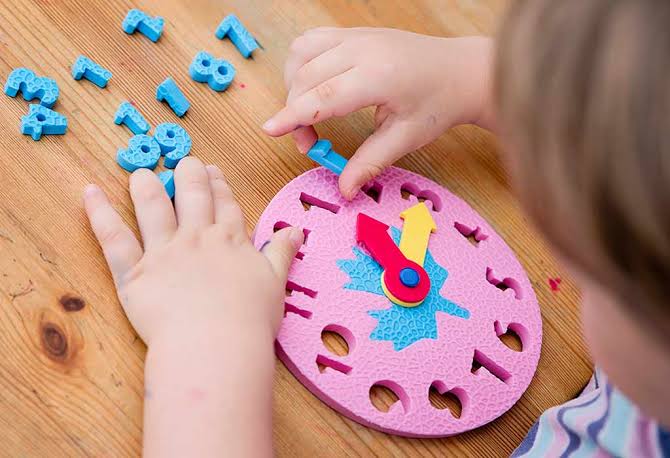
Some little ones may have trouble understanding abstract time concepts. They may not understand what it means when a parent says, “Five more minutes of television, then it’s time to turn it off”. Timers transform this abstract idea into something a child can see and learn. Little ones eventually understand how long tasks and activities take the more they are exposed to parents and caregivers using countdown timers.
What Parents Learn From Improving Time Awareness: Mothers and fathers gain knowledge on how to teach time management skills to their children early in life. Adults can explain all they want about how it’s time to turn off the television to eat dinner. However, a timer can reduce explanations and build time awareness to see how long they have left before a transition. These tactics support planning skills while building predictable routines.
Eases Anxiety

Some kids experience anxiety from transitions. They’re overwhelming for those who thrive on routines. Watching the time count down eases anxiety and mentally prepares a child for an upcoming transition. This visual cue (watching the timer) and auditory signal (when sounds occur as the timer hits zero) help changes to feel less sudden and more manageable.
What Parents Can Learn From Easing Anxiety: Most anxiety related to transitions shows as resistance or frustration. Changing activities is more peaceful when children are given time to emotionally prepare for them. Timers are especially effective for signaling bedtime or when it’s time to leave a fun venue.
Without timers, I was met with a lot of disgruntled, combative responses from my son, such as “No!” and “I don’t want to!” when we had to leave the playground or transition to bedtime. Now, I use timers for every big transition during the day so he’s ready for the shift in activities.
Build Better Listening Skills

Children are more likely to respond to directions when they know they will be coming. A timer prepares them for listening to that next direction because they eventually understand the instruction to transition happens when it dings. Building this understanding ensures children cooperate without resistance during daily routines.
When I started using timers more to transition activities at home and in public with my children, I was surprised how much better they all listened to my next instruction. Rather than verbally negotiating with them to get off the playground equipment or physically retrieving them, they willingly came to me so we could leave.
What Parents Can Learn From Building Better Listening Skills: Advanced notice of the next instruction enhances listening skills rather than parents having to repeat themselves. Countdown timers reduce verbal reminders while helping children be more attentive to family routines. I’ve started using a timer to signal bedtime to my toddlers so they know it’s time to follow me upstairs to their room to begin the routine rather than me chasing them around to comply.
Smoother Daily Routines
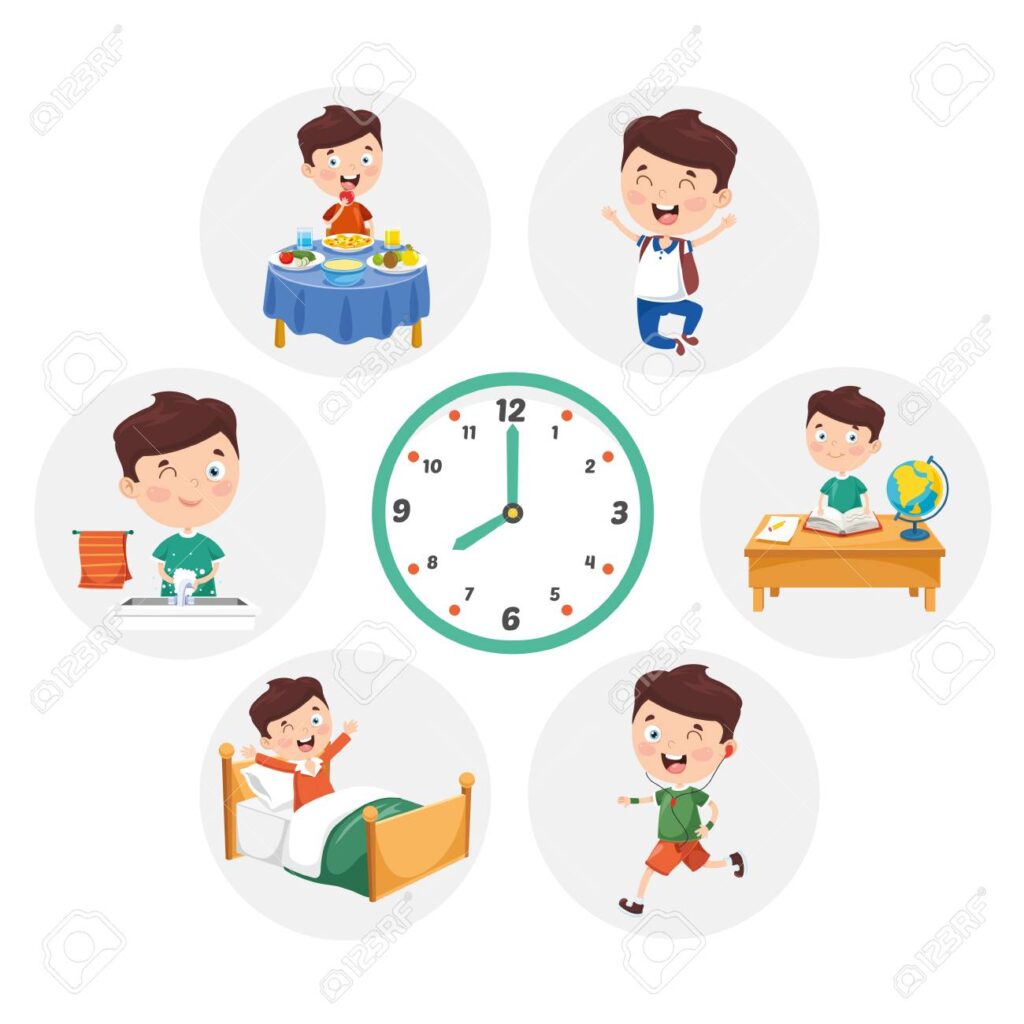
Morning routines, bath times, and homework all involve multiple transitions. Children have to get dressed, use the bathroom, and get their bookbag ready for morning routines. Baths have designated times for washing one’s body, playing with toys (for younger children), then drying off and getting dressed.
Kids may take their sweet time in the bathroom or stall to get more time to play with bath toys. Timers promote smoother daily routines for all household members. Set a 5- to 10-minute timer to signal when it’s time to clean up bath toys and get dried off.
What Parents Can Learn From Implementing Smoother Daily Routines: Transitions are met with fewer arguments as children build a tolerance for countdown timers. Fewer arguments mean families can spend more quality time together after handling necessary daily tasks. This instills a calmer home environment where less chaos ensues from children resisting change in activities.
Supports Emotional Regulation
Sometimes it’s emotionally jarring for a child to transition from a preferred activity to another one. I see this happen so much when one of my ABA clients is playing with a favorite toy or engaging in a fun activity that they’d rather continue doing than transition. This is why countdown timers are an important component for building emotional regulation. Kids listening to a countdown timer go off can finish what they’re doing, process what they’re feeling in the moment, and officially make the transition.
What Parents Can Learn From Supporting Emotional Regulation: Parents can learn that emotional regulation develops through continual practice, the more they use countdown timers in their daily routine. Allowing a child another few minutes to engage in the current activity and using the ding of an ending timer to signal the transition reduces emotional outbursts while teaching healthy coping skills. Children gradually handle disappointment and adapt to changing activities, learning they can always come back to the other one at another time.
Encourage Independence

Kids can start monitoring countdown timers independently the more they’re exposed to them. They eventually start preparing themselves to complete the current activity before the timer dings as it hits zero seconds left. Children build responsibility and accountability as they learn to manage their time during a current activity before making a transition.
What Parents Can Learn From Encouraging Independence: Mothers and fathers start understanding kids can become time management experts more than they would expect. Give kids the responsibility of watching over the countdown timer to encourage self-management skills they’ll use through school and adulthood.
Parents find they’ll use less prompting and fewer verbal reminders as kids take ownership through transition times. I get excited when I hear my toddlers tell me, “It’s time to go!” when they hear my timer while out in public to signal it’s time to leave the playground.
Reinforces Consistency

Countdown timers help kids maintain a consistent daily routine. They instill a consistent sequence to guide the routine: a warning, the countdown, and the transition.
The warning occurs when the timer starts. Kids watch the countdown from the start of the timer to the end as they finish the current activity being timed. The final transition happens when the final second turns to zero and the timer dings. Repeating this consistent process helps children understand expectations as any activity continues and officially ends.
What Parents Can Learn From Reinforcing Consistency: Moms and dads learn that consistency is more important than achieving a trademark perfect transition. Following the same routine builds self-confidence for children and trust in their caregivers. Adults’ consistency ensures kids’ cooperation without constant reminders.
Prepare Children for School

Schools rotate between subjects and activities throughout the day. Classroom timers or bells going off in the school signal to children it’s time to end one subject or activity and transition to another.
The earlier you start using countdown timers at home, the more accustomed children become to handling transitions as they enter preschool or elementary school. Homeschool children can also build a tolerance for the changing activities as their parents or a designated teacher use a timer to signal transitioning subjects.
What Parents Can Learn From Preparing Children For School: Parents can help their children become more adaptable, confident, and independent while navigating structured environments. These skills support smoother transitions as children attend school and seek a career.
My youngest daughter attended the same headstart as her older brother from October 2024 to July 2025. She was home with me from the end of headstart to when she started attending summer camp with her elder siblings in July 2026. It was an adjustment for her returning to a structured routine in the summer camp.
However, I’ve used countdown timers more at home now that I’ve seen how effective they are when helping my ABA clients transition activities during therapy sessions. Countdown timers make transitions feel more predictable for my children as we change from fun activities to a portion of our daily routine like baths or meal times.

