

Summer is full of adventures for children as they are out of school for a few months. Parents on a budget can make fun right at home when outings are too pricey to balance with other financial responsibilities.
Keeping kids entertained doesn’t mean having to spend money on trips, attractions, camps, and other outside adventures. Create fun on a budget with the resources you already have at home for a fraction of the cost while still creating engaging learning opportunities for your little ones.
Whether you are looking to schedule an entire afternoon of activities or just change up your summer afternoons, here are 25 fun activities to do as a family as summer winds down. Keep this list handy for the warm days after school in late August and early September so you and your family can enjoy the warm weather to the fullest.
Backyard Obstacle Course
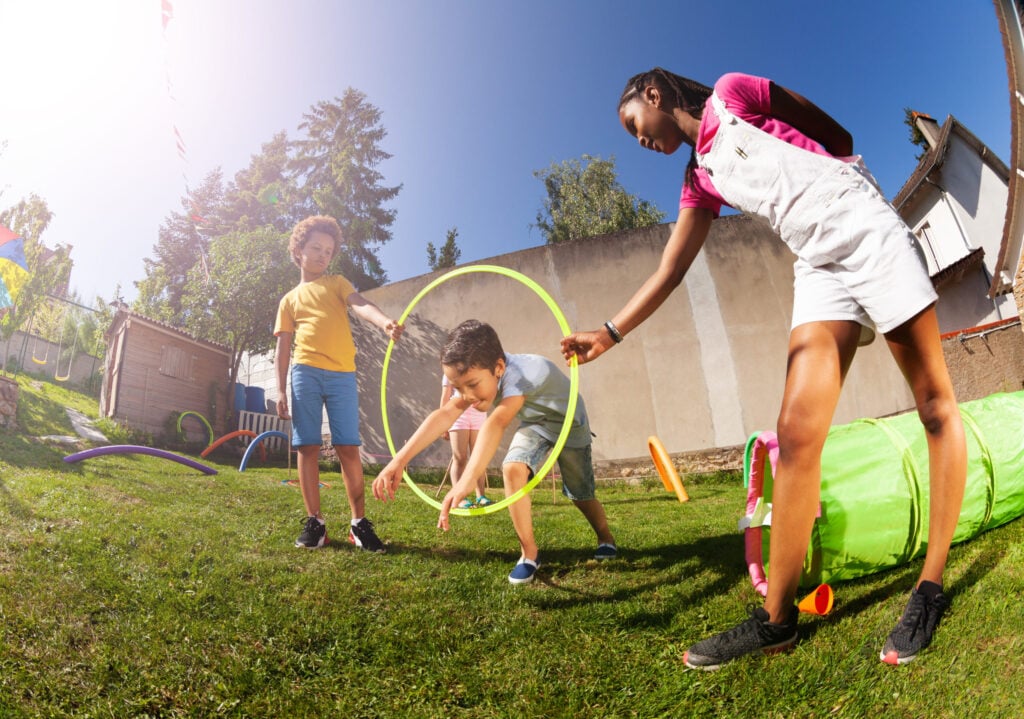
Anything can be made into a fixture for an obstacle course. Cut out a circle in a large shipping box for kids to crawl through. Use a few dollar store hula hoops to challenge your kids to jump from one to the other. Transform sturdy logs sitting in your backyard into a balance beam.
Allow older kids to brainstorm and get creative with what can be included in their obstacle course. More brains thinking together are better than one.
What Kids Learn From Participating In A Backyard Obstacle Course: Children can learn motor skills and strategic thinking when building and navigating an obstacle course. They’ll have to use different techniques and muscles to wiggle their way through balance beams, jumping obstacles, and tight crawl spaces, depending on how the family sets up the activity.
Sidewalk Chalk Art
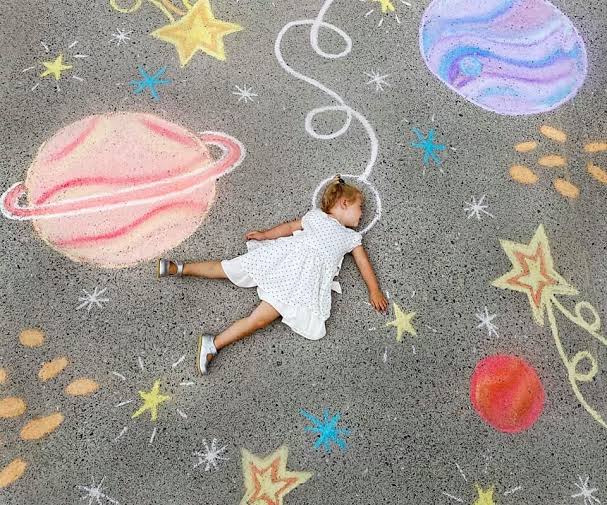
Find deals on chalk at Dollar Tree and Dollar General for $1 to $2 per package. Larger packages for $5 will offer more color options and are ideal for families with multiple kids creating sidewalk chalk.
Kids can draw their favorite pictures with chalk the traditional way. Mix water with crushed-up chalk to make chalk paint. This is best for toddlers still learning their hand-eye coordination for writing. Hence, they may struggle to engage with sidewalk chalk using traditional writing. However, using a paintbrush with chalk paint could make the activity easier and more engaging.
What Kids Learn From Creating Sidewalk Chalk Art: Little ones learn creativity and self-expression with a sidewalk chalk art day. They can draw their favorite characters or items. Kids can express what they are currently feeling or thinking by drawing out their emotions. Hence, art acts as a positive creativity outlet and emotional regulation tactic.
Build A Blanket Fort
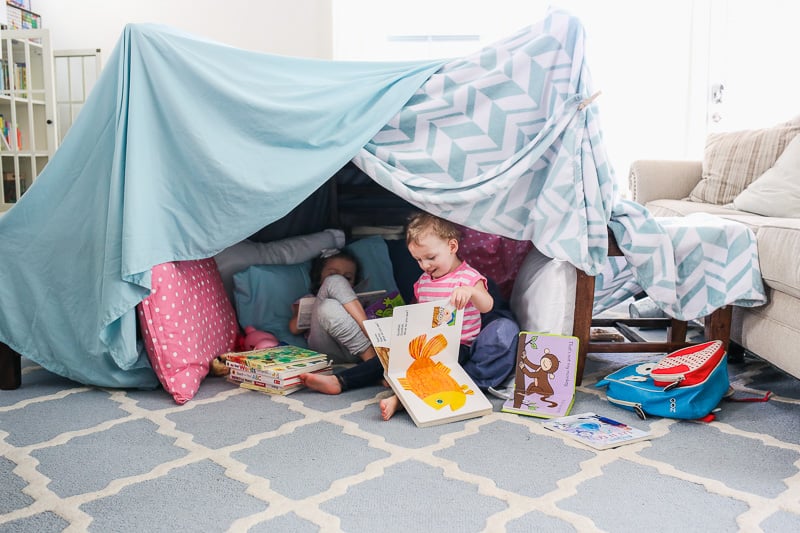
Grab two to three kitchen chairs to arrange them as the foundation for a blanket fort. Layer as many blankets as you can over top the chairs. If you have more than one child, have each little one choose a blanket and pillow to add to the fort.
Create an opening and allow your child(ren) to bring in their preferred items and activities. They can relax on comfy pillows and play board games, read books, draw pictures, or play with their favorite toys.
What Kids Learn From Building A Blanket Fort: Children learn creativity and construction when building a blanket fort. They learn basic skills for planning and problem-solving, especially if a blanket is too small to cover the chairs to create the fort. Siblings can also work together to develop cooperation, communication, and sharing skills.
Have A Picnic
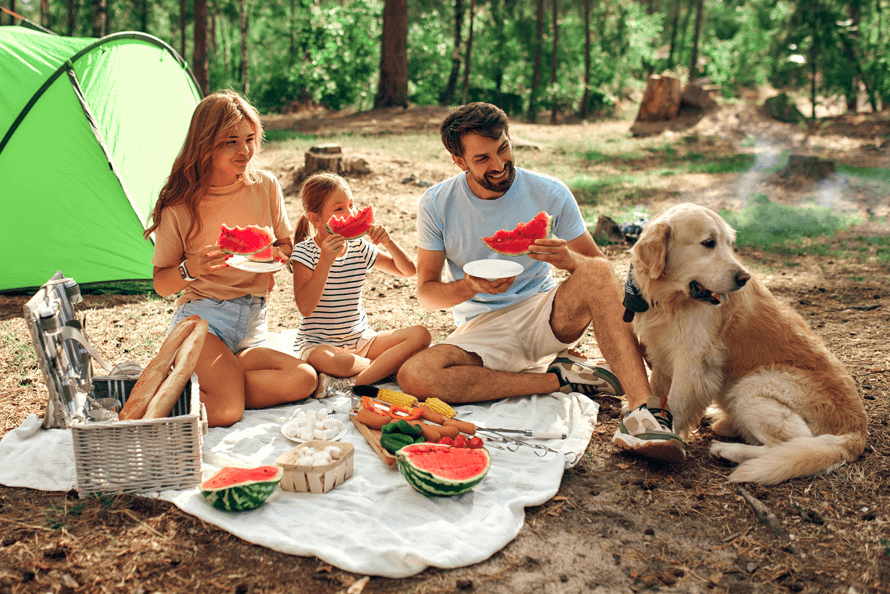
Pack up some deli or PBJ sandwiches, fruits, and favorite snacks into a picnic basket. Grab a large blanket to spread on the ground to have a fun outside picnic. Bring portable food trays so everyone has a place to separate their sandwiches and snacks.
Apples, mandarins, and grapes are great picnic-ready fruits. Gummies, animal crackers, and granola bars are awesome portable snacks for easier clean up.
It’s a break from the usual routine of having meals at the kitchen table. Changing up meal locations can break the monotony of the summer schedule. Set up a picnic in the backyard one afternoon and try other parks for different outdoor meal locations.
What Kids Learn From Having A Backyard Picnic: Children learn to enjoy the sights and sounds of the outdoors while picnicking. They can compare and contrast the wildlife during lunch and dinner as the family has picnics at different meals. Bring birdseed or extra fruit to feed the nearby birds or geese. As long as there are no posted signs about not feeding wildlife, children can build a closer relationship with nature and wildlife with this side quest.
Make Homemade Popsicles
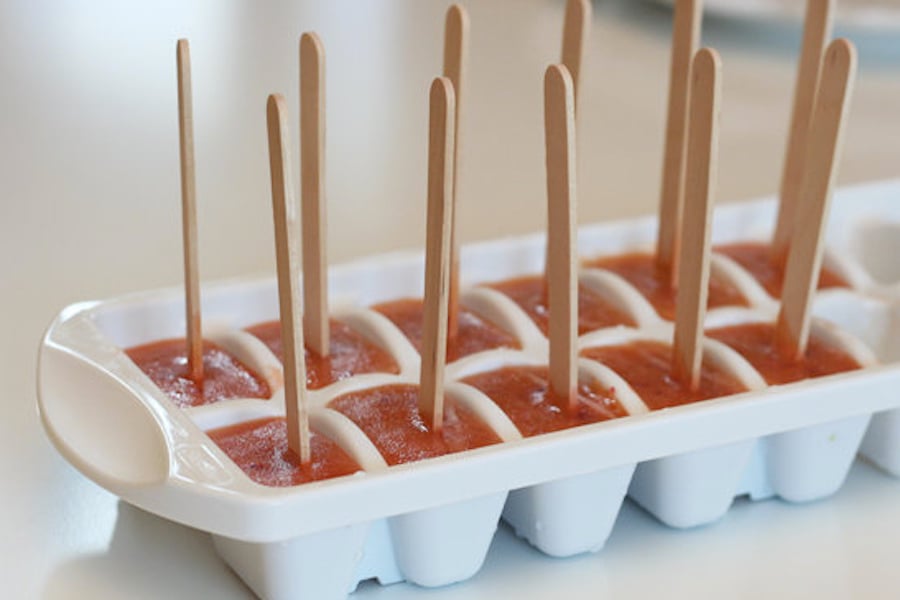
Budget popsicle molds range from $1.25 to $5 depending on brand and type. Character popsicle molds are about $7 to $12 or more depending on where you purchase them. However, buying a popsicle mold is a small investment to save money in the long run while also having a fun activity to do with your kids.
You can go the cheaper route by using ice cube trays you already have and pouring in a favorite juice into each slot. Cover with plastic wrap, and place wooden sticks or toothpicks inside each slot before freezing. The retro Blue’s Cool Idea book shows kids how to do this fun activity, which is inspired by the 1998 Blue’s Clues episode “Blue’s Surprise at Two O’Clock”. Watching this episode was how I learned how to make homemade ice pops when I was in grade school in the early 2000s.
Fresh fruit adds an extra level of flavor and color to the chosen juice base. Have multiple juice and fresh fruit options so your child(ren) can customize combinations to their liking. Maybe they can try mango juice with fresh strawberries or pineapple juice with fresh blueberries.
What Kids Learn From Making Homemade Popsicles: Little ones can learn how to follow a recipe and the science behind a liquid turning into a solid. They grasp hand-eye coordination of pouring juice into the molds and using an age-appropriate knife (if you allow) to cut and distribute fruit in each slot.
Have A Movie Night In
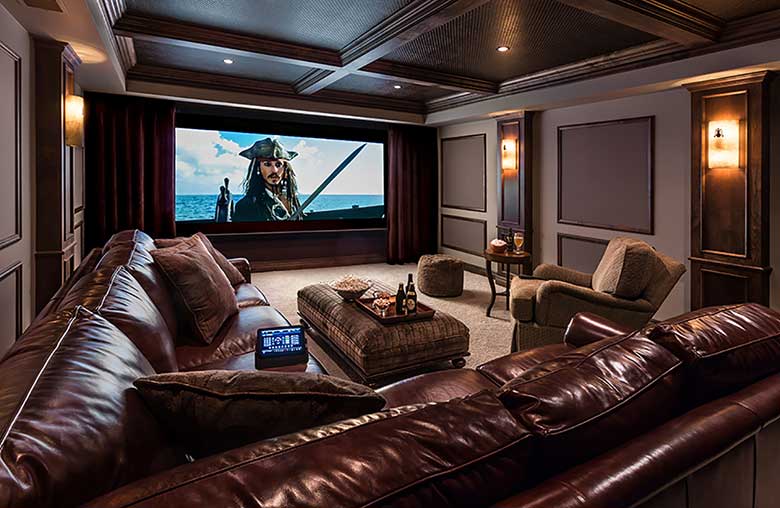
Even on the cheap Tuesdays at Regal Cinema, I do spend at least $35 total on tickets for my three kids and me after taxes and fees if I book in advance online.
Use your streaming platforms to your advantage and set up a movie night at home. Put 5 movie options in a hat and pick from it to make the experience a surprise movie showing. Pop your favorite popcorn, grab your family’s favorite snacks, and make a delicious movie night dinner.
Go the extra mile by cooking dishes featured in the movie to eat while watching. Cue the famous spaghetti and meatballs from Lady and the Tramp.
What Kids Learn From Movie Nights In: Watching movies as a family can encourage in-depth discussions about characters, storylines, and unexpected events in the film. Kids who can help with the movie setup, like bringing pillows and blankets to sit on the floor or helping make the movie night meal, teach organization and teamwork to make a goal happen.
Plant A Small Garden
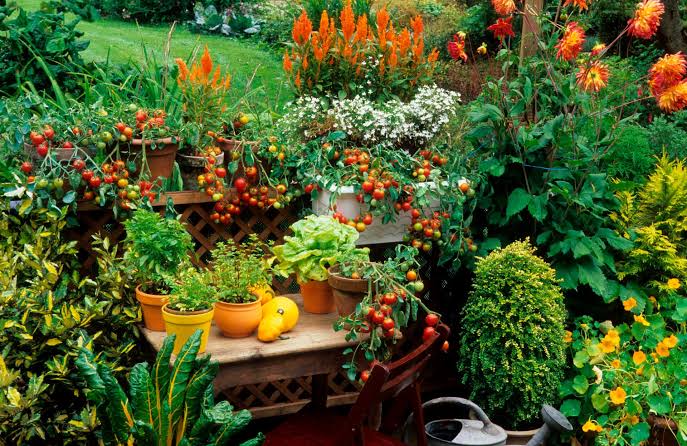
Look around home for containers you already have available. Purchase soil and inexpensive seeds to grow flowers and fruits. Get each child excited by purchasing their own pair of gardening gloves and a hat to shield them from the sun while gardening. Start with a few pots on a windowsill or a small patch in your backyard.
What Kids Learn From Planting A Small Garden: Kids gain knowledge on using their resources to fulfill their needs. Gardening teaches children about plants, their life cycles, and what they need to stay alive. Plant care helps kids develop patience and observation skills, along with the responsibility that a living thing like a plant requires constant care.
Create A Backyard Water Park
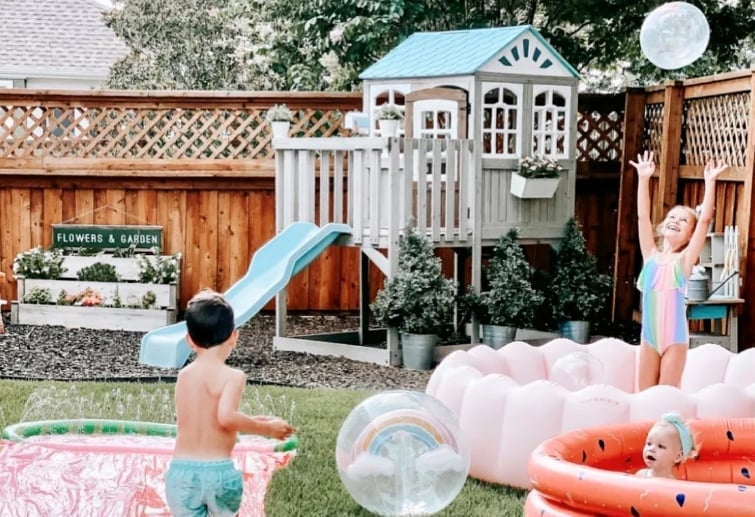
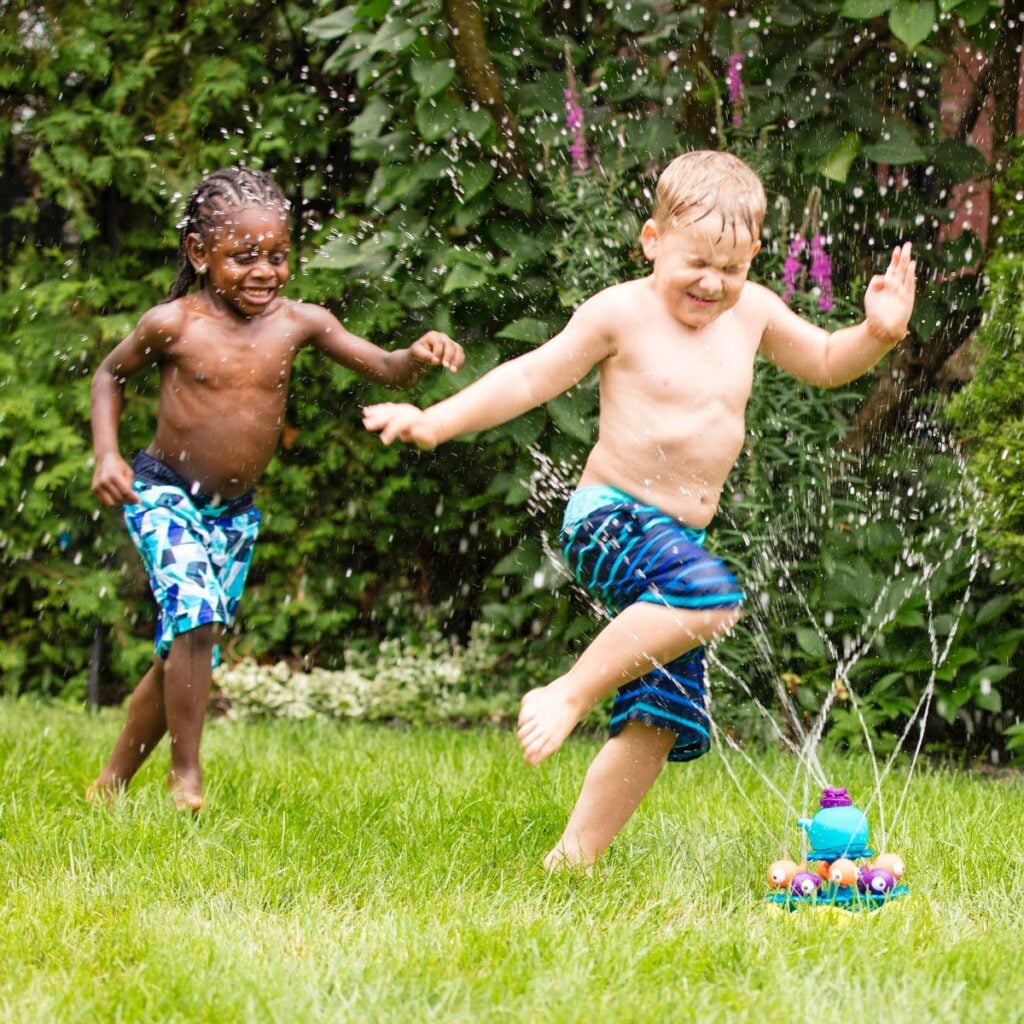
Save money on trips to local splash pads and water parks by cooling off in the backyard. Set up a sprinkler, kiddy pool, and water tables for a kid-friendly backyard water park experience.
Sprinklers range between $10 and $20. They easily screw on to a hose because of the universal attachment. Check secondhand platforms like Facebook Marketplace to find gently used kiddy pools and water tables to add to your water park setup.
Some pop-up pools range from $50 to $250 and are either inflatable or in-ground. This one-time expense can help you save gas and trip fees by keeping water fun exclusively in your backyard.
Go the super-budget route by using an old plastic 2-liter bottle. Poke small holes in it with a hot glue gun. Use duct tape to temporarily secure it to your backyard hose to create a sprinkler effect for your kids to run through.
Cut up sponges into long strips. Tie about 5 of the strips together to look like a star and reinforce the middle with rubber bands. You have reusable water balloons for a fraction of the cost of traditional ones.
What Kids Learn From Creating A Backyard Water Park: Children develop motor skills, bodily awareness, and coordination skills as they run through sprinklers. Younger children will learn hand-eye coordination when pouring water from buckets into water tables or kiddy pools and squeezing water toys. Little ones also practice cooperation while taking turns and following rules of their custom backyard water park.
Go On A Nature Scavenger Hunt
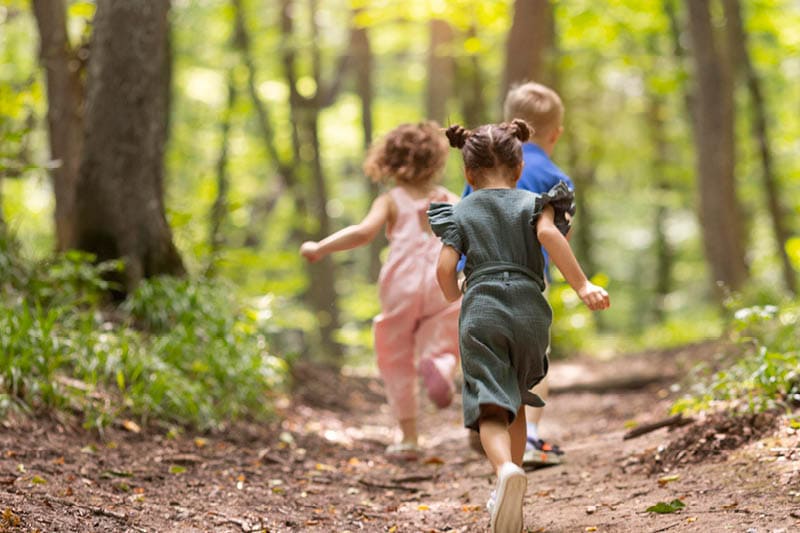
The best discoveries can be right from your backyard. Get the kids excited and curious and, best of all, out of the house and off the screens to explore their world.
Make a list of what they can find in the backyard or throughout the neighborhood, such as a specific colored flower, rocks, or pinecones. Have them watch around for dragonflies or butterflies passing by. For younger kids, have pictures of what they need to find rather than just words so it’s easier for them to engage with the activity.
My favorite way to do a backyard scavenger hunt in the summer is taking my three kids outside at dusk to have them catch fireflies.
What Kids Learn From Going On A Nature Scavenger Hunt: Children learn to sharpen their observation skills as they pay attention to their surroundings. They can categorize their findings as they check off each thing from the scavenger hunt list once found. These activities build early science skills they can take with them for their school and work-based careers.
Make Homemade Musical Instruments
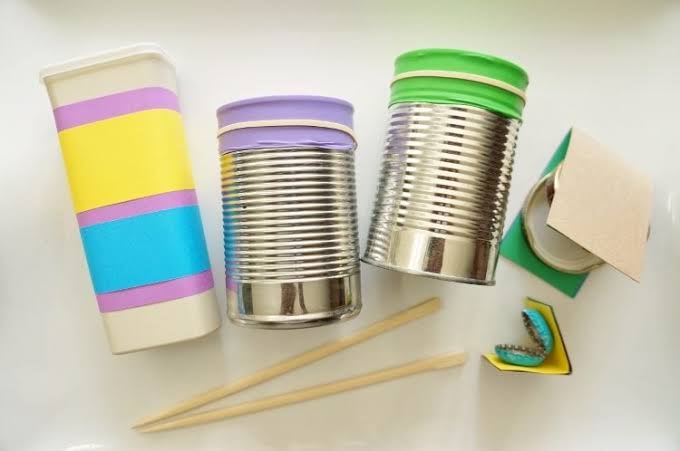
There are many ways to make homemade instruments. Use old chip cans with dried beans or rice to make maracas. Tie yarn to an open container for a makeshift string instrument.
Have each child and adult make their own instrument and play music together once the family has created them. Make it a challenge by using only items around the house or in your recycle bins.
What Kids Learn From Making Homemade Musical Instruments: Kids gain ideas to be creative in anything they set their minds to while working with their resources. Rather than buying instruments and adding to household clutter, a family can create temporary musical instruments from their resources and throw them out when they’re done.
Host A Family Game Night

A family game night can go one of two ways. Have family members join on a multiplayer console game or play board games. Switch it up and have some electronic game nights while the others are tabletop.
Host a tabletop night with Candy Land, Uno, Jenga, or other board games your family loves. My eldest daughter got me back into Uno after a long time of not playing when she earned a mini game deck from summer camp for winning an Uno round one day.
Console game-loving families can hop on their favorite Nintendo Switch, Xbox One, or PlayStation 5 games. My favorite type of family console game night involves retro gaming with Mario Party 4 on the Nintendo GameCube. I’ve only really played with my eldest daughter, since my toddlers are 4.5 and 3. I’m looking forward to my younger two getting older to join us on one of my favorite retro games.
What Kids Learn From Family Game Nights: Children gain tactical and strategic prowess when playing different games. They use their understanding of the game rules to strategize their moves accordingly so the game could fall in their favor. Youth also learn how to be a good sport while understanding that they cannot win every game they play in life.
Have A Living Room Camping Night
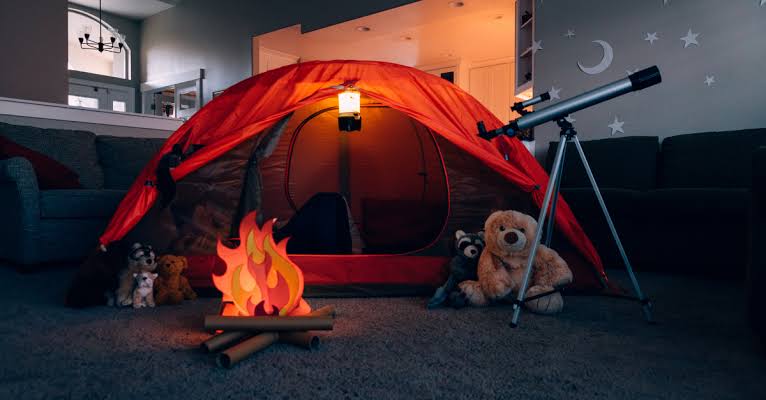
Even if you don’t have an indoor tent, it’s easy to make a living room camping night with resources you already have. Layer blankets on the floor for each person and grab extra pillows to be comfortable. Get cozy inside sleeping bags on top of all the blankets.
Turn all the lights off and have flashlights illuminate the living room. Tell scary ghost stories or watch an age-appropriate family scary movie. Scooby Doo movies are great for all ages while not being too scary for some elementary-age children.
Put nature sounds on your phone to enhance the setting. Roast marshmallows over the open fire on the stove to make s’mores as a snack. Hamburgers and hot dogs are delicious camping food that can also be made at home for a living room camping night.
What Kids Learn From Living Room Camping: Pretend camping helps teach children preparation skills in gathering supplies and creative storytelling when making up spooky tales.
Make A Homemade Bird Feeder
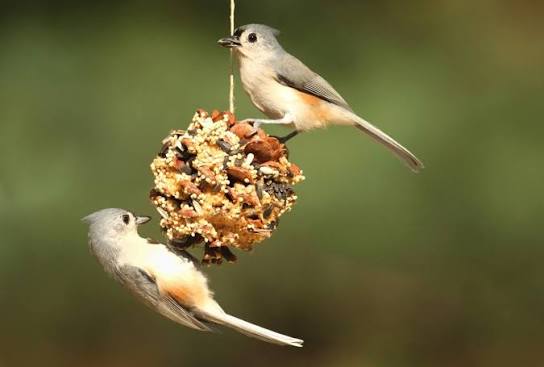
The only thing you may have to purchase for a homemade bird feeder is a small bag of birdseed. Otherwise, you may have string and peanut butter already at home, and you can find pinecones in your backyard or at public parks within your community.
Have the little ones sit nearby on the porch away from the bird feeder to observe which type of birds come to the feeder. They can also go inside the house and look out the window to observe the bird feeder if it’s difficult for them to contain their excitement while bird watching. Give them a journal to draw pictures and write down observations.
What Kids Learn From Creating Homemade Bird Feeders: Children learn to appreciate wildlife as they study different birds and their habitats. Bird watching encourages patience during observation. Wildlife observation can be a basis for early scientific thinking skills as children transition into science classes or careers as they get older. They can enhance their drawing and writing skills as they record observations in science journals.
Host A Science Day

Let your children become scientists and transform your kitchen into a laboratory. Set up a sink or float station with a water container to test how different items react when placed into water. Ask each child their prediction before placing the object in the water. They can write down their predictions, note what actually happened, and draw a picture to show their findings.
Create a cardboard volcano. Mix baking soda and vinegar with orange food dye for your child(ren) to observe the reaction with amazement. Grab ice cubes from the freezer and see how fast each one melts throughout different locations of the house. For example, an ice cube may melt faster in a container inside a bedroom that didn’t have air conditioning all day compared to an ice cube placed in a room that had AC on all day long.
What Kids Learn From Science Days: Children develop curiosity for how the world works when they do science experiments. They are a small representation of real-world events that can happen. Kids can use math skills to monitor time, count items, and engage in other data collection activities during science day. Youth also learn to follow instructions so an experiment turns out successful.
DIY Tie-Dye Projects
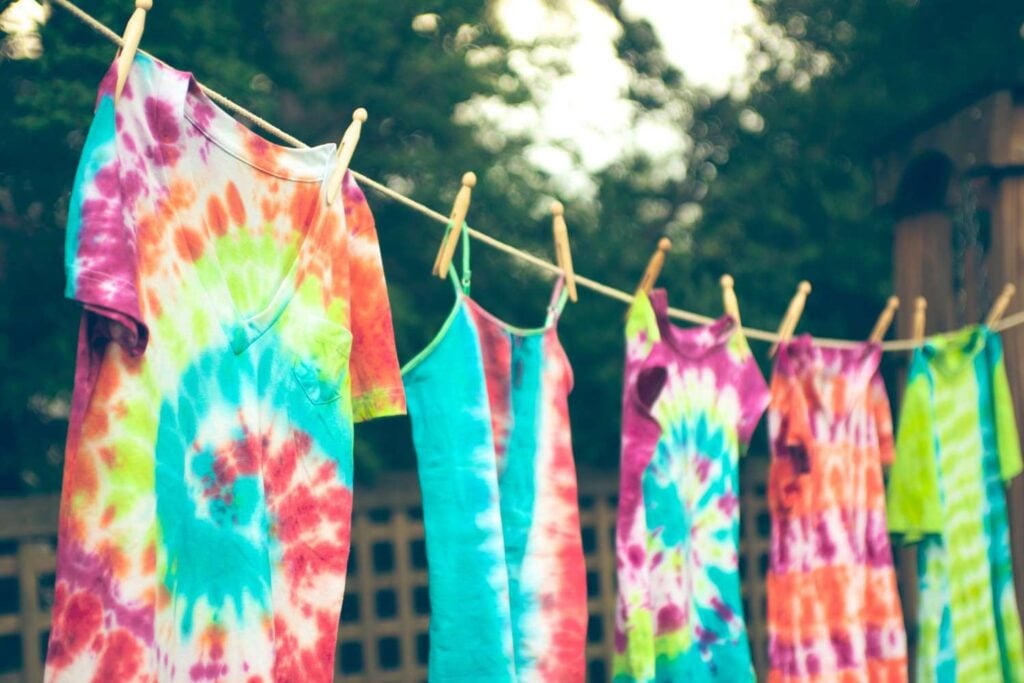
Gather old white pillow cases, socks, and shirts to give them a new life. Kids get excited for tie-dye projects because of the transformation they witness from the item going from one color to another.
Some tie-dye kits can be as cheap as $5 to $12, depending on where you purchase them. Follow the instructions on the kit and allow the items to sit separately in plastic bags as the colors set in.
For a more budget-friendly option, you can do temporary tie-dye with food coloring after soaking the item in equal parts vinegar and water for a half hour to an hour. The colors will fade over time after a few washes, but this activity can be like a trial run as a child practices their tie-dying skills.
What Kids Learn From DIY Tie-Dye Projects: Children can explore patterns, colors, and symmetry when tie-dying clothing and fabric. Tie-dying is a creative form of artistic expression that usually doesn’t happen as often as drawing or painting. Youth can learn patience as they have to leave the items for at least 24 hours before rinsing and washing them to wear. This stresses the importance of completing a process from start to end for a correct end result.
Make Your Own Pizza Night
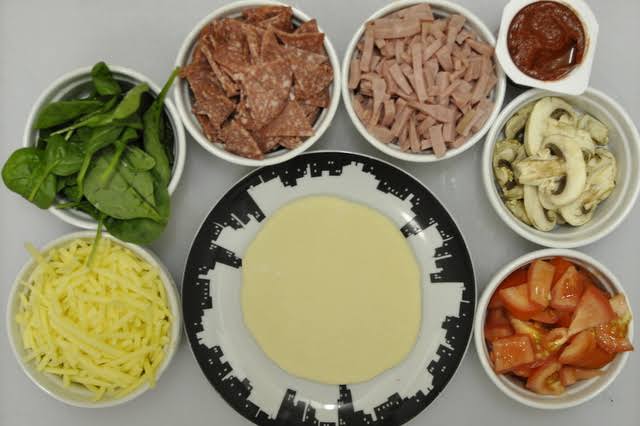
Any time a child desires to be independent, embrace it (within reason, of course). Giving children choices can make them feel like they are in control in a sense. Allow your little one(s) to pick their favorite pizza sauce, cheese, and toppings to decorate the pizza before placing it in the oven.
Make-your-own-pizza night can be easier with a store-bought, ready-made pizza crust base that can be decorated and popped into the oven. Grab a package with a few personal-sized crusts so each child can customize how many sauces, cheeses, and toppings they want.
Pair the pizza with a fun cartoon featuring the titular food, like the original Toy Story, which featured Pizza Planet, or any of the many Teenage Mutant Ninja Turtles episodes or movies. I am personally a fan of the 2003 TMNT version because that’s what I grew up watching. And it warms my heart that my eldest daughter already has a favorite turtle: Mikey!
What Kids Learn From Making Their Own Pizza: Pizza recipes are versatile, but children can still learn how to follow the main procedure of applying first sauce, then cheese, then toppings. They practice patience as they wait for the pizza to bake in the oven and to cool off before eating it. Kids also learn how to mix and match different topping flavors to achieve their desired taste.
Summer Reading Challenge
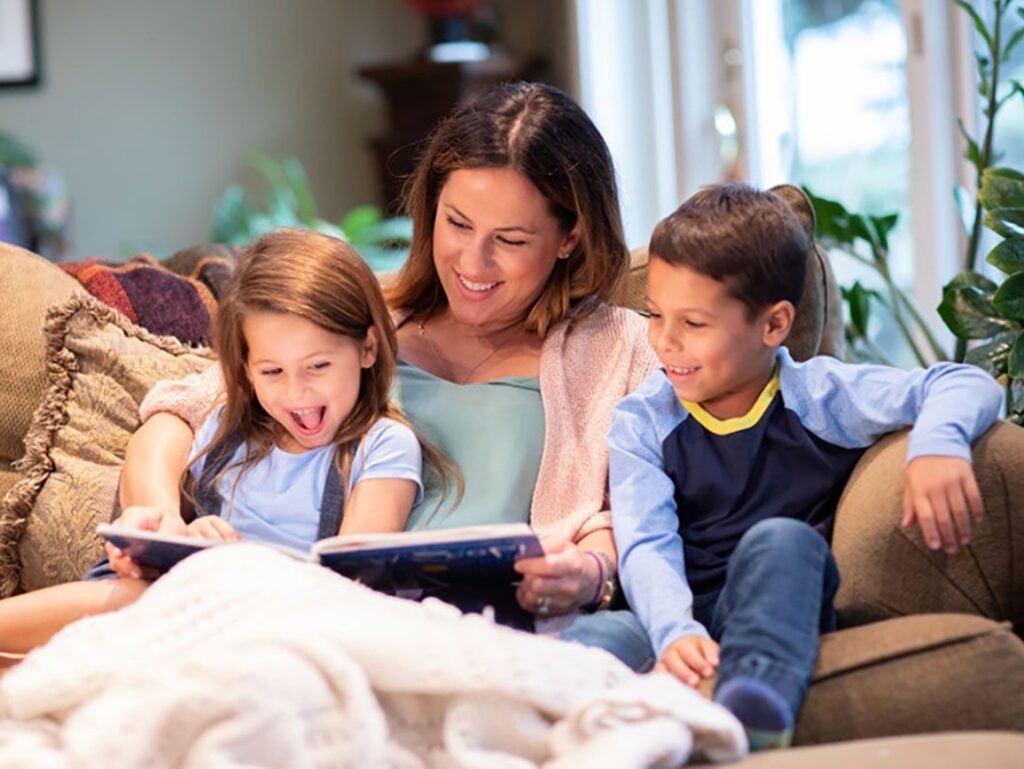
Challenge your child(ren) to read as many books as they can. Start with the books already on your home library shelves. If your children breeze through those, visit Little Free Library stands throughout your community to find new titles. If you haven’t already, sign up for a free library card to allow your child(ren) to pick a few books per week to read.
Of course, you can read books to your toddlers still learning how to read independently. Set aside at least a half hour each night to read books. Encourage your school-age independent readers to spend at least a half hour reading age-appropriate books. Ensure you remove all electronic distractions before this period.
Track your books to award your kids prizes at home when they reach certain milestones. Keep this book list handy to inform your local public library about how many books your child has read. They can also qualify for prizes through the library’s summer reading program, like raffle prizes and coupons for free kids’ meals.
Continuous reading should be encouraged through all seasons beyond the summer. Try hosting a back-to-school reading challenge at home to see how many books your kiddo(s) can read during September. Continue tracking their reading habits through the year.
What Kids Learn From A Summer Reading Challenge: An early love of reading builds language development and literacy skills your child(ren) will need for their future school and career-based endeavors. As they explore more fictional narratives, children enhance their creativity and storytelling skills. Reading nonfiction refines youth’s overall knowledge of the world around them. Kids also widen their vocabulary and speech skills as they read more books.
Hold A Family Talent Show
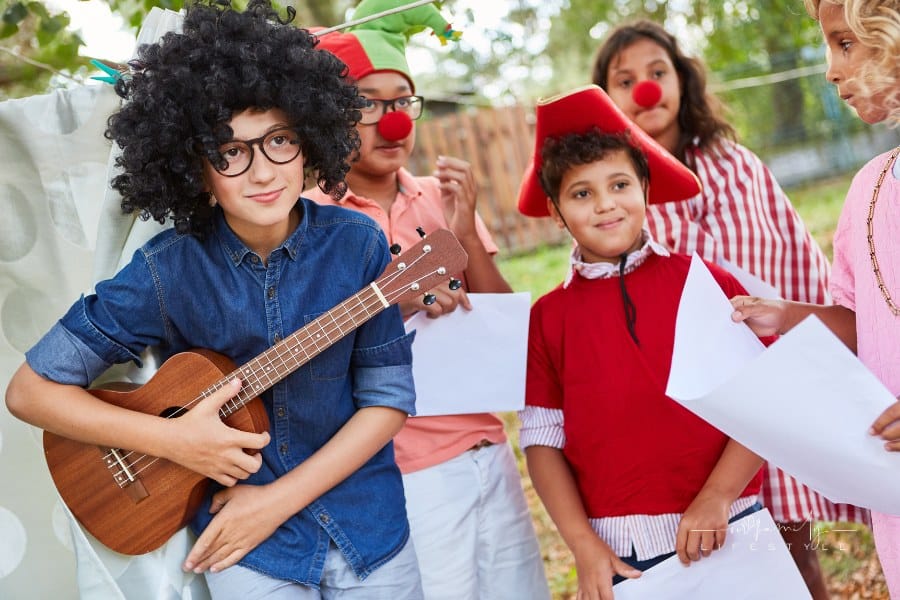
Everyone has a talent that makes them special. Hold a family talent show where each person in the family can showcase one thing they’re good at doing. The stage can be the middle of the living room floor, or you and your kids can get creative and make a large stage out of cardboard and art supplies.
Artists in the family can paint a quick picture. Sports enthusiasts can show how fast they can do jumping jacks or how many basketballs they can shoot into the net. Writers can present a poem or short story they wrote. Voice impressionists can pick 5 of their favorite voices to mimic to show their family. The possibilities are endless.
What Kids Learn From A Family Talent Show: Children learn how to celebrate everyone’s differences and root for them positively. They also develop listening and attending skills as they remain quiet for each family to present their talent. Youth also discover how to create an engaging presentation as they choose what and how to present their talent.
Make Homemade Sensory Bins
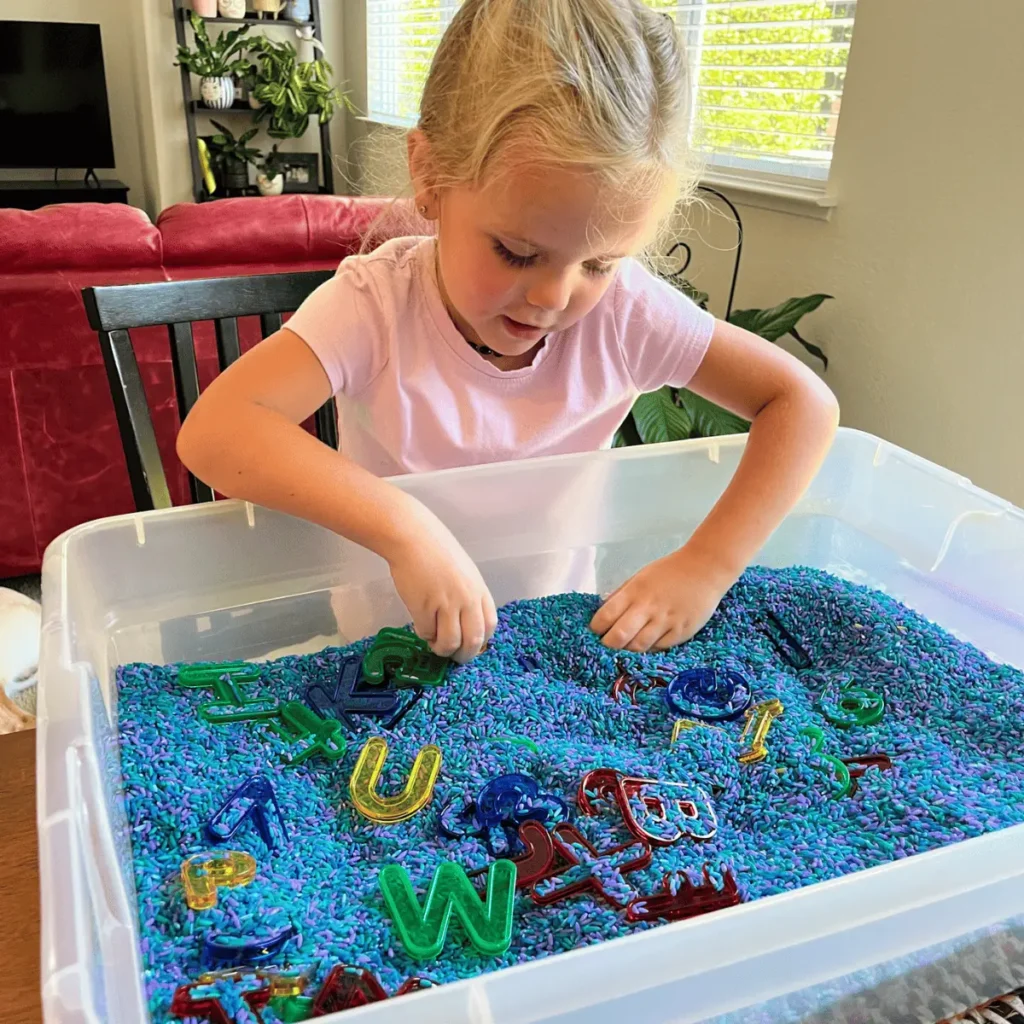
Sensory bins are versatile to make and don’t require all the same materials. Use mini sandcastle buckets with sensory sand for an out-of-the-box beach experience without the commute.
Place dried beans in a container with different toys encompassing the same theme. For example, kids can find and explore farm animal toys inside the bean bin. If you don’t have dried beans, any type of rice can also act as a sensory bin foundation.
A water sensory bin with rubber ducks can entertain water-loving kids for a while. Add cups and measuring spoons for kids to pour, measure, and explore another water sensory bin.
What Kids Learn From Sensory Bins: Youth can explore different textures, shapes, and sounds as they engage with different homemade sensory bins. Scooping, pouring, and sorting enhance concentration and fine motor skills. Have one child interact with one bin at a time to encourage independent play skills.
Make Homemade Play-Doh
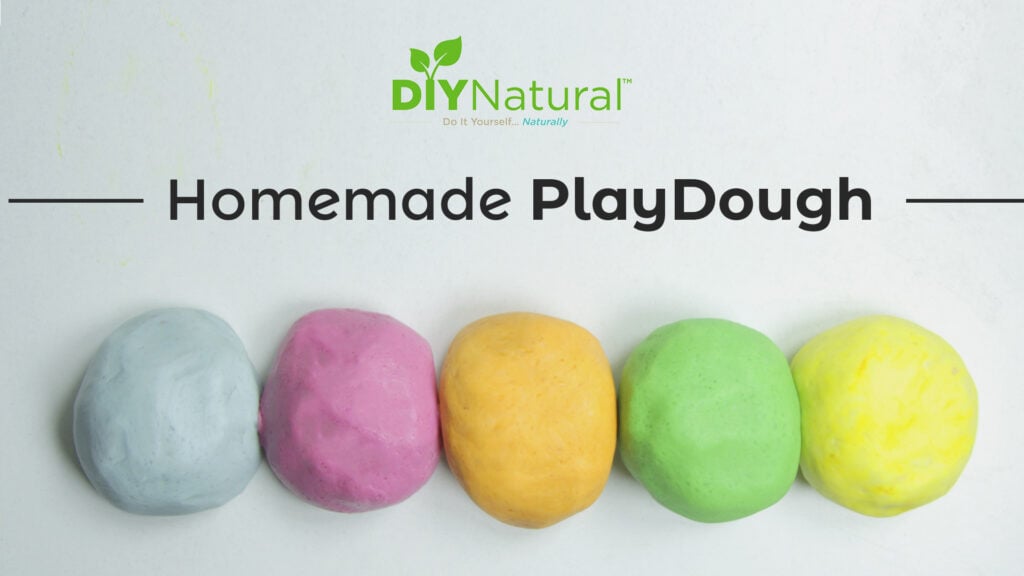
Why go to the store to buy Play-Doh when you more than likely have ingredients at home to make it? Plus, homemade versions are taste-friendly, which is great for little ones who prefer to explore new things with their mouths.
Use cookie cutters and plastic utensils already at home for children to cut and shape the homemade Play-Doh as desired. Make separate batches with different colors for a more engaging activity with additional customization opportunities.
What Kids Learn From Making Homemade Play-Doh: They can strengthen their hand muscles and motor skills while manipulating Play-Doh. Children unlock more in their imagination and creative expression as they shape Play-Doh into preferred pictures and objects. Youth can also develop early understanding of shapes and sizes as they customize the Play-Doh.
A DIY Toy Car Wash
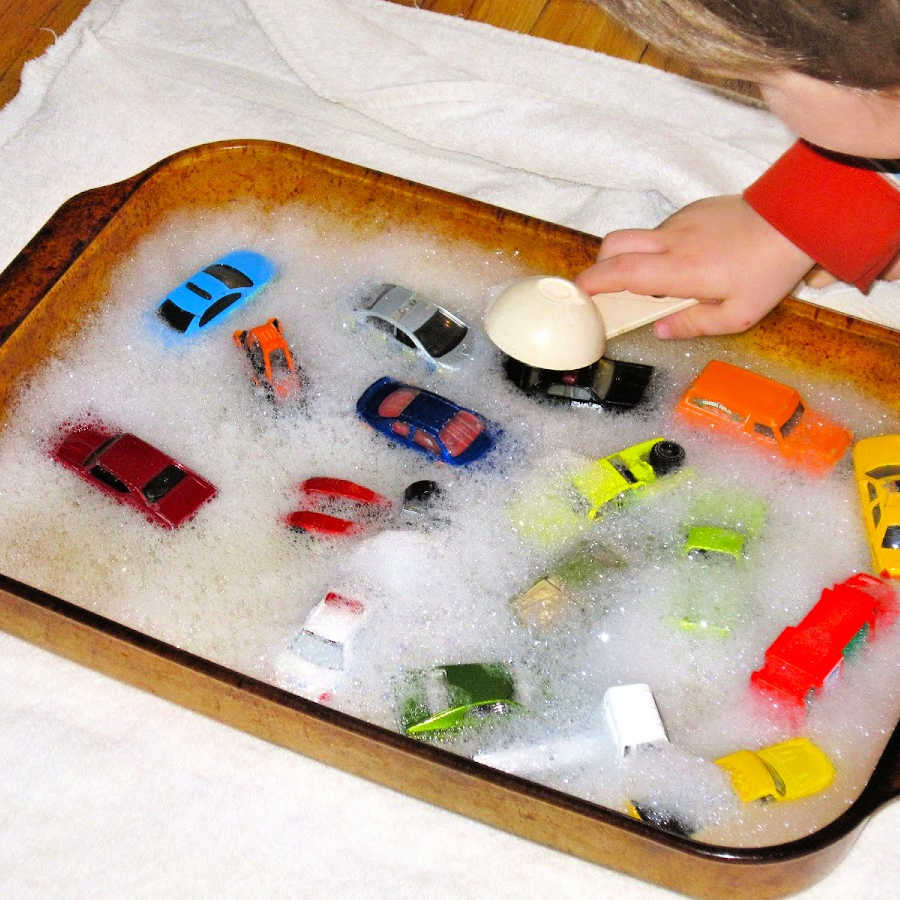
How many toy cars do your children have lying around the house? Every time my son wants a new toy car while at a store, I tell him he has enough cars to open a toy car garage.
Give your kid(s) buckets of water, soap, and sponges so they can clean their toy cars. Don’t forget a rinse bucket so the cars get the soap off of them before your child(ren) put them in towels to get dried off.
Other family members can bring a car over to be washed. The car washers can pretend to charge the customers and then wash the cars for them. This is definitely an activity I will be doing with my two toddlers before the end of summer.
What Kids Learn From A DIY Toy Car Wash: Children develop coordination and basic cleaning skills when engaging with a makeshift car wash activity. Pretend play introduces youth to exchanging money for services and how to provide well-rounded customer service. They must maintain responsibility and organization by keeping the soap bucket separate from the rinse bucket so the cars can be washed and dried properly.
Make A Homemade Bowling Alley
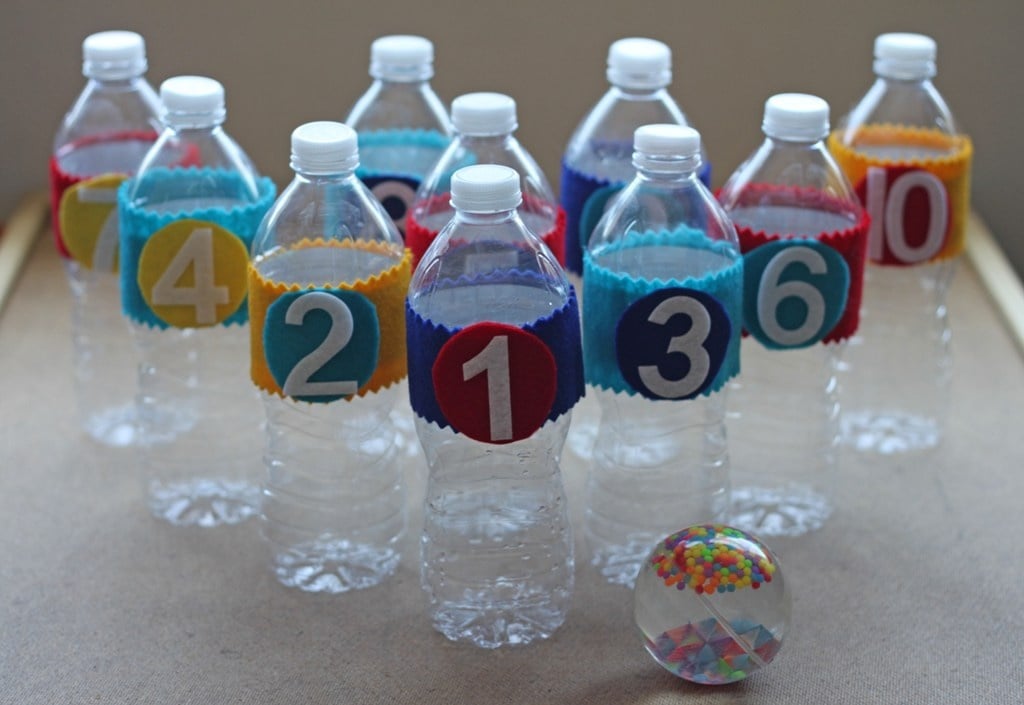
Why spend so much money at the bowling alley when you can save by making a bowling alley at home? Save 10 to 20 two-liter soda bottles, as these are a great size for homemade bowling pins. Ask family, friends, and neighbors if they have any empty plastic bottles they aren’t using if you don’t have enough in your recycle bin. Use 10 plastic bottles per bowling station.
Small bouncing balls from Dollar General range from $1 to $3 each. They are the perfect size for makeshift bowling balls. Host the bowling session with 10 rounds, applying the same scoring procedures if any of the kids get a strike or a spare.
What Kids Learn From Making A Homemade Bowling Alley: Bowling helps kids learn balance, aim, and hand-eye coordination in trying to get the ball to knock down the plastic bottles. Showing the kids how you keep score also teaches them basic counting skills, addition, and number recognition.
Creating An In-Home Art Gallery
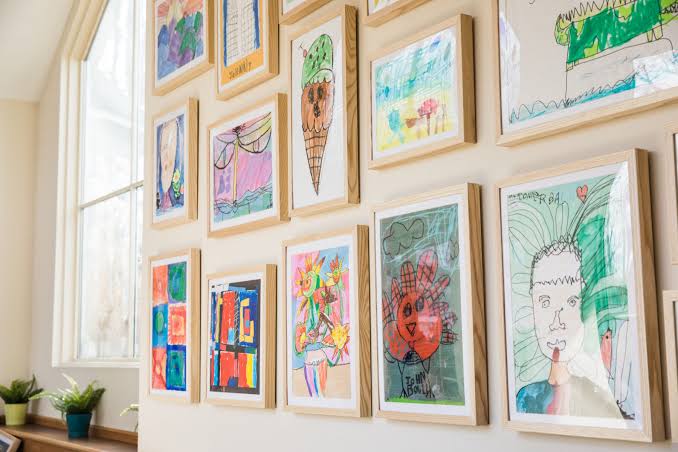
Utilize the resources you already have to transform your living room into a temporary art gallery. Paint pictures on cut-out cardboard. Use old magazines and unneeded paper to create collages. Turn Play-Doh or other inexpensive materials into sculptures.
The only limit is the creator’s imagination. Once everyone completes their masterpiece(s), display them around the living room so the whole family can walk around to look at them and appreciate their beauty.
What Kids Learn From Creating An In-Home Art Gallery: Art is a creative outlet that helps children unleash their imaginative expression while refining their fine motor skills. Brush strokes and manipulating material to take shape are a couple of the many ways children improve motor skills while doing art. Displaying artwork helps build children’s self-esteem and confidence as they reward their personal accomplishments.
Host A Night-Time Dance Party

Create a playlist on YouTube or Alexa as background music for a night-time dance party. Turn off the living room lights and plug in a blinking rainbow light to get the excitement going. Allow each child to pick a few songs to contribute to the playlist. Remember to select tracks with any curse words bleeped out by substituting a Kidz Bop version (if applicable) to keep the experience age-appropriate.
What Kids Learn From Hosting A Night-Time Dance Party: Youth develop coordination, balance, rhythm, and fine motor skills while dancing in their own way. Dancing together builds confidence and social skills in a relaxed setting. Children also learn how to follow directions as they take turns choosing songs during the dance party.
Make A Summer Scrapbook
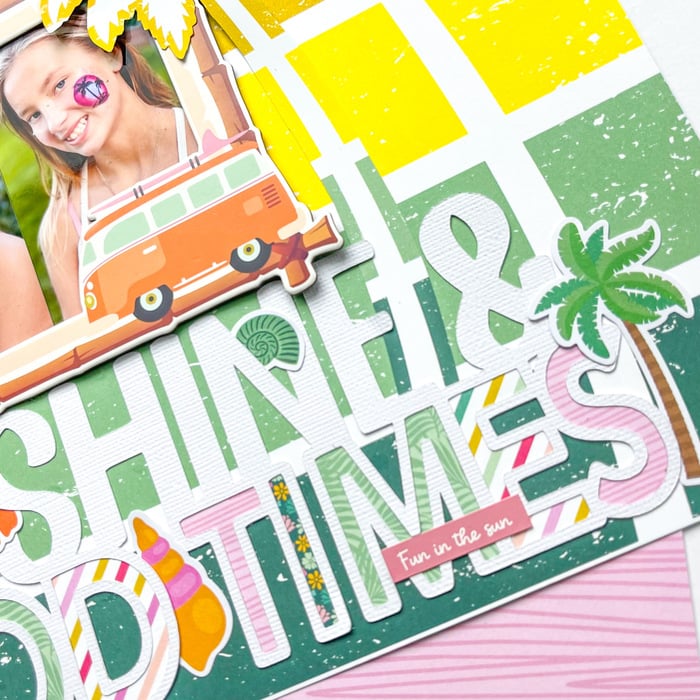
Save scrapbooking as one of the last endeavors you and your family do before summer ends or right as school starts. Rather than purchasing an expensive scrapbook, use a binder you already have around the house. Use any paper on hand so your children can draw pictures of their best summer memories. They could cut out items from their favorite days like packaging from a snack, a receipt from a place the family visited, or a printed picture taken from your smartphone.
Depending on age, your child(ren) can write about their favorite summer experiences, too. Even two to three sentences about each memory can help commemorate what your child felt during those times so they can look back on the scrapbook as they get older.
What Kids Learn From Making A Summer Scrapbook: Children can practice recalling events in chronological order to present the memories in the scrapbook sequentially. They build an appreciation for family experiences and any personal accomplishments achieved over the summer. Customizing a memory book enhances storytelling and creative writing skills while encouraging creativity and reflection.

