


Getting pregnant is one of the most nerve-racking and exciting moments in a woman’s life. However, the joy of thinking about baby names and nursery colors fades when you start thinking about the financial strain pregnancy and postpartum can bring. Even those with health insurance still panic about the future dollar amount that babies can cost.
Thankfully, you don’t need to struggle alone. Various programs, grants, and community resources are available to assist expectant and new mothers during challenging times. While some programs, such as SNAP, provide direct financial assistance, others offer free or low-cost services that many mothers cannot afford on their own.
Be sure to visit the given links to see what you’re qualified for in your state.
Medicaid
According to Medicaid’s official website, the program is designed to assist low-income households. Medicaid plans cover pregnancy appointments and birth, relieving the financial stressors for those who need assistance. Medicaid eligibility varies by state, and factors such as household size and income affect eligibility.
Luckily, Medicaid is often backdated three months after applying, so you could start seeing a provider immediately. This, however, varies by state, so check your state’s Medicaid site for how to apply and what’s accepted.
Coverage: Pregnancy & Postpartum
Visit: Medicaid’s Official Site Here
Search For A Health Center Program Near You
Did you know there are local health centers and clinics that operate on a sliding-scale fee schedule, charging people only what they can afford? This is provided by the Health Resources and Services Administration (HRSA). Thanks to the Health Center Programs, women can access affordable pregnancy and postpartum care.
The program provides prenatal care, education, resources, transportation, and financial assistance, subject to income eligibility requirements. Once the baby is born, the HRSA does offer programs to help with postpartum care, like mental health support, home visits, complications, and more.
Visit the link below to find a health care center near you.
Coverage: Pregnancy & Postpartum
Visit: HRSA’s Official Site Here
Planned Parenthood
Planned Parenthood is a national nonprofit healthcare center that offers professional services for sexual health, including pregnancy and postpartum care. Services vary by state, so it’s important to verify what a person’s state covers or doesn’t.
Prenatal and postnatal services are offered, but vary by location. Some location-assist programs help moms determine where to go if they’re financially struggling and can’t afford regular medical appointments. Planned Parenthood services are either low-cost or free, depending on the person’s income and the state they’re in.
Before choosing a Planned Parenthood, make sure your location offers prenatal or postpartum care.
Coverage: Pregnancy & Postpartum
Visit: The Official Planned Parenthood’s Site Here
Financial Assistance Through Healthcare Facilities

If you have a hospital or healthcare facility in mind for your prenatal and postnatal appointments, check to see if they have financial assistance programs that you’re eligible for.
Some healthcare facilities offer payback plans tailored to each person, while others cover expenses entirely. The outcome is state and healthcare facility-dependent.
Coverage: Pregnancy & Postpartum
Visit: The financial programs within your hospital or healthcare facility
Children’s Health Insurance Program (CHIP)
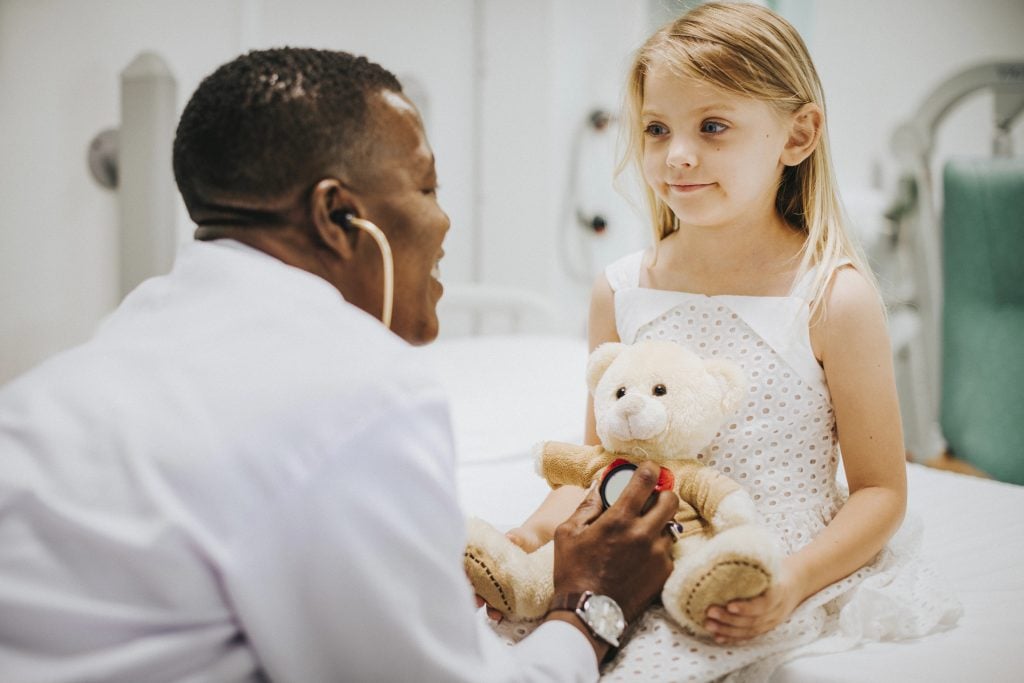
If you don’t have health insurance to offset some of the medical costs during pregnancy and postpartum, the Children’s Health Insurance Program could be an option for you. CHIP is a federal and state-funded program that provides assistance to mothers and infants.
Like Medicaid, CHIP’s coverage varies by state, but the mother and baby would be covered for three months after birth. After those 60 days, the baby will be enrolled in Medicaid, according to Baby Center.
Coverage: Pregnancy & Postpartum (up to 60 days)
Visit: The Children’s Health Insurance Program here
Women, Infants, And Children (WIC)

In addition to financial assistance for medical bills, there is assistance for food, such as the government-funded Women, Infants, and Children (WIC) program.
The federal assistance program is designed to support the nutritional needs of pregnant and postpartum women and their children under age five. Those eligible for WIC get free or affordable healthy food options for their family, free breastfeeding support, and nutrition education.
WIC is a wonderful resource for those who need extra help feeding their family without breaking the bank. To see if you are eligible for WIC and its offerings, check your state’s website.
Coverage: Pregnancy & Postpartum
Visit: The Official Website For WIC Here
Supplemental Nutrition Assistance Program (SNAP)
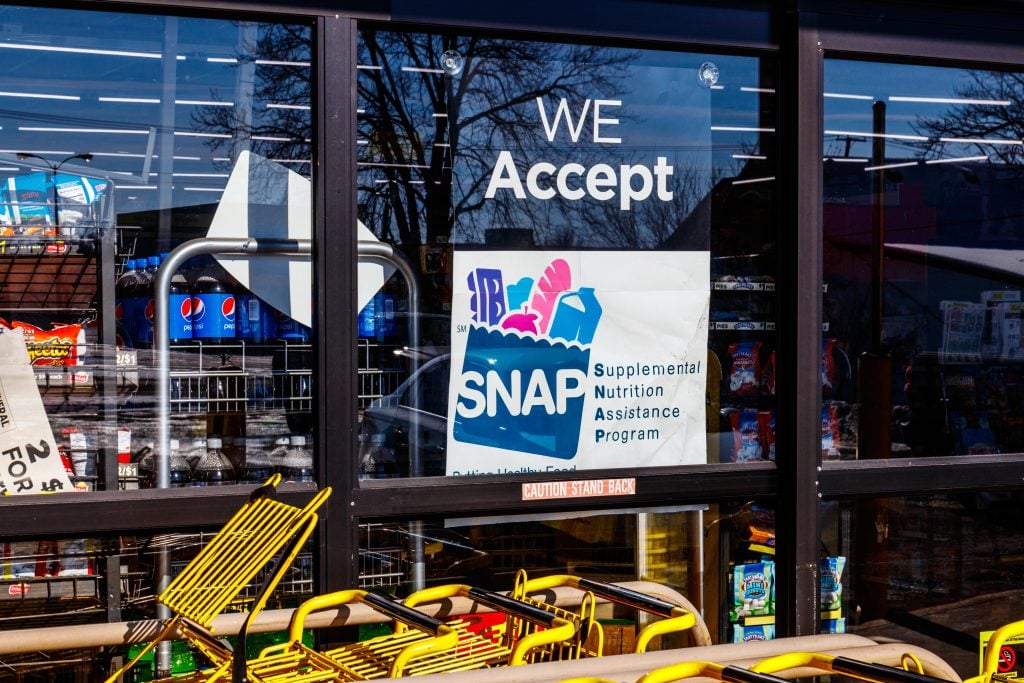
Joining WIC are federal resource programs, including the Supplemental Nutrition Assistance Program (SNAP). SNAP is also known as food stamps. The program is there to help low-income families afford groceries.
Those eligible for SNAP will receive a monthly benefit on an EBT card. The card can be used at grocery stores and farmers’ markets, and is intended for meats, dairy, fruits, vegetables, starches, and herbs. Prepared foods, hot meals, and alcoholic beverages are not included in the program.
What’s included in your SNAP benefits depends on the state; some states offer double SNAP benefits for places like farmers’ markets, to encourage fresh foods and high-quality nutrition. It should be noted that to be eligible for SNAP benefits, you have to show proof of employment. However, there is an exemption if you are pregnant and without work.
Coverage: Pregnancy & Postpartum
Visit: The Official SNAP Website Here
Temporary Assistance For Needy Families (TANF)

Temporary Assistance for Needy Families (TANF) is a federal program that helps low-income families with basic needs, not just medical bills or groceries.
If eligible, families receive a monthly amount that can be used toward housing (such as rent or utilities), prenatal appointments, childcare, and employment services for those seeking a better-suited career.
The eligibility criteria differ from those of other programs. TANF is for families with children under 18 and low income (state-dependent). Participants typically must enroll in programs that prepare them for work. The program is temporary assistance intended for relief and is not intended for long-term use (lifetime limit: 60 months).
TNAF is a program that can assist prenatal and postnatal lifestyles, as long as it’s within the 60-month limit. It should be noted that some states don’t offer the program until there is a child, while others include pregnancy. Check your state to see if you’re eligible.
Coverage: Pregnancy & Postpartum (60-month limit)
Visit: The Official Site For Temporary Assistance for Needy Families Here
Nurse-Friendly Partnership (NFP)
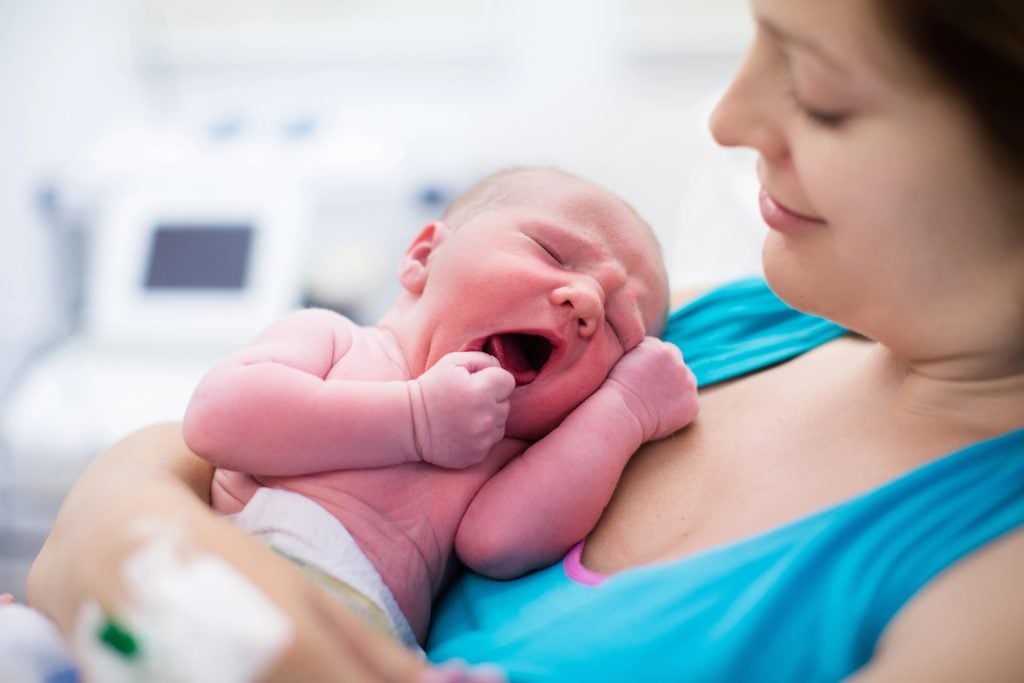
Nurse-Friendly Partnership (NFP) is a wonderful program that provides emotional support to pregnant women. The program is intended for first-time moms and pairs them with a participating registered nurse for care and emotional support throughout pregnancy.
The free program is voluntary. If interested, you can sign up for the program and be paired with a nurse who visits regularly. These visits can be done at home or virtually. Thankfully, the program lasts postpartum until your child is 2 years old.
Nurses prepare moms-to-be for labor and delivery, then offer breastfeeding support, emotional support, recovery, infant care, and beyond. Eligibility criteria include being a first-time parent, pregnant, low-income, and living in an area where the program is offered.
While this program is not solely based on direct financial support, the assistance provided would otherwise be prohibitively expensive for moms who need it.
Coverage: Pregnancy & Postpartum
Visit: The Official Website for Nurse-Friendly Partnership Here
Hopefully, you or someone you know can benefit from these financial assistance programs either during pregnancy or following the birth of a child. Just remember that not all programs are offered in every state, and qualifications can vary by location. Speaking to your healthcare provider or seeking out free assistance programs can help you determine which programs you qualify for and which programs meet your specific needs.