

Most parents have probably, at some point, listened to their child gripe about something that seems so inconsequential (from the parent’s point of view, at least) and thought something along the lines of, “Why is he being so negative? My child has so many advantages and is so fortunate, so why all the complaining?”
Many of us, if we’re being totally honest, can take a step further into introspection and hear our own words coming out of our kids’ mouths. Then we start wondering whether this is something we’ve taught them, without meaning to.
Whether or not negativity is picked up from observing us, there are definitely ways we can actively and intentionally teach and reinforce a more positive outlook, and therapist Jeffrey Meltzer, LMHC, is sharing three simple tips for doing so.
Positivity Is A Lifelong Trait
First, a quick disclaimer: it’s perfectly okay for people, including our kids, to be upset when bad things happen. We should encourage our kids to feel their feelings, and they shouldn’t be made to suppress or hide them, or feel guilty about them.
Nothing in Meltzer’s advice suggests that kids should be shamed for their more negative feelings, but it’s an important point to address, just because it’s also so very human to feel ashamed of feeling angry, sad, or hurt, and as parents, we want to support our kids in owning their emotions.
That said, our outlook can often change our reality, and encouraging our kids to embrace, for example, the best parts of their day and their own skills and responses may help set them up for a healthier mindset for life.
That’s why this therapist is offering three simple tips to help shift how our kids think about their days, the challenges they face, and their relationships with others.
You can check out his video below.
Teach Them To Attach To The Process (Not The Outcome)
Passing a math test is pretty important, but it’s not the most important thing in your child’s life. Passing that math class is important, too, although learning the material is more valuable, and again, there are more important things.
Meltzer points out that we’re often focused so heavily on the final outcome that we don’t pay attention to the process. If your child aces the math test, that’s wonderful. On the other hand, if your child just barely makes a passing grade on the test (or doesn’t quite), after really digging in, studying hard, practicing, and putting in the effort, then he needs to know it’s the hard work that will matter long after the math test is forgotten.
Throughout his adult life, your child will have very few (if any) math tests, but he’ll have many opportunities to work hard and truly try to learn something new, which is the more important skill set.
So, when you’re tempted to praise the brilliant artwork, the amazing grade, the winning score for his team, go ahead and let him know you value his success, but focus on the work he did to get there, and let him know you’re proud of the devotion and practice.
“Research from Dr. Carol Dweck shows that praising effort builds confidence and resilience. So instead of praising the grade, prasie the behaviors that led there…This helps kids base their identity on what they can control, which gives them more agency and leads to a far more positive outlook on life.”
Use The Positive Scavenger Hunt
Most of us have positive and negative experiences every day. Sometimes, an experience has too much impact to overlook, or it really needs our attention, but often, we can just get caught up in focusing on all the tiny things that went wrong and miss the positive things.
For our kids, Meltzer advises using what he calls a “positive scavenger hunt.”
“At the end of the day, have them identify: What went well today? What did you do well today? And why did those moments matter?”
After they name the obvious things, he suggests gently encouraging them in finding a few more.
“That’s where the real rewiring happens. Practicing this consistently trains their brains to automatically scan the environment for positive cues instead of defaulting to negativity.”
Teach Them To Be Kind
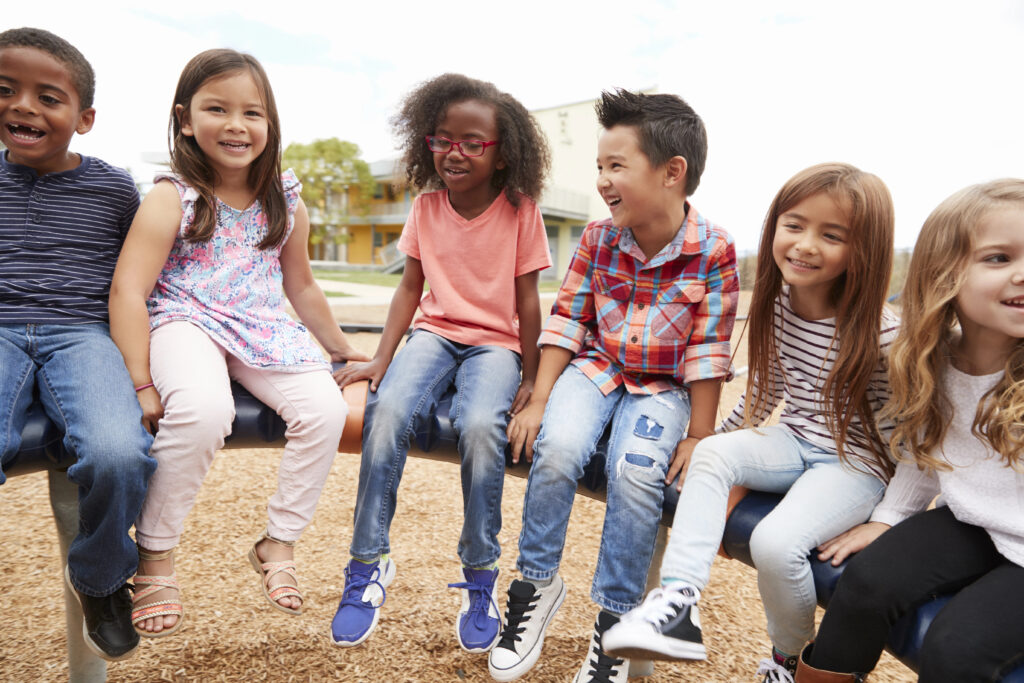
Kindness is a miracle in itself, and it echoes, or, as Meltzer says, it creates a ripple effect.
He calls it “one of the most valuable skills a child can learn,” not only because it helps everyone around your child, but because it will help your child, too. He reminds us that practicing kindness creates a “social village” your child can rely on.
“Other kids feel safe around them, they want to spend time with them, and want them in their friend group. Having that kind of community protects them from growing up into negative, isolated adults.”
It’s the energy your child shows others, coming back to him, reflecting, and echoing off those around him. If he surrounds himself with like-minded friends, he’ll always be part of a circle of people who can depend on one another.
