

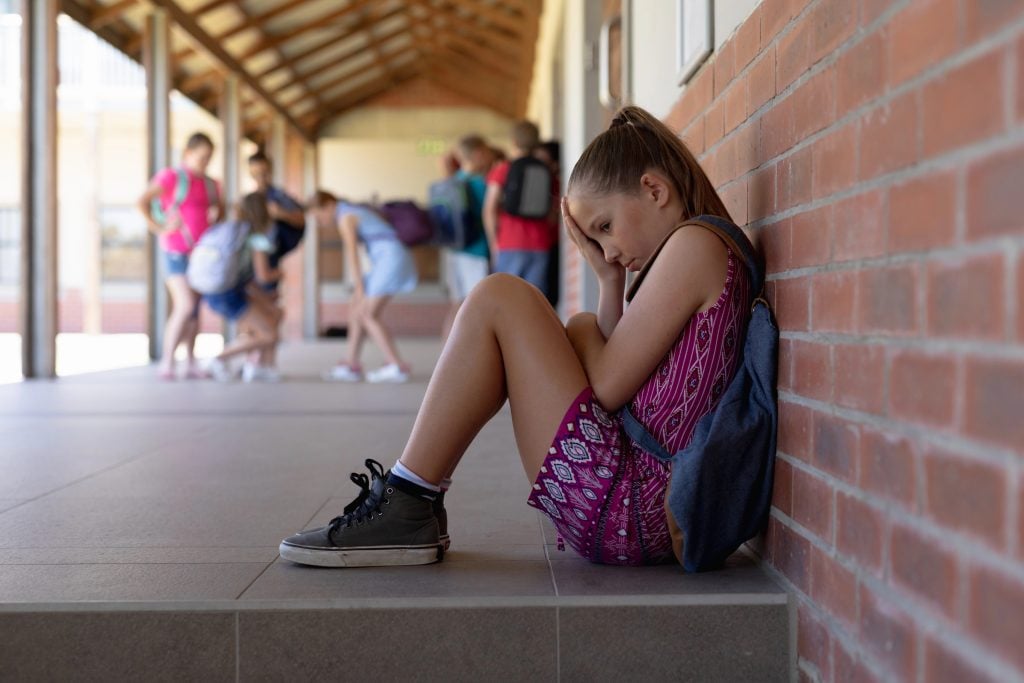
One teacher is going viral on TikTok for her views on students taking days off school for mental health reasons, or “mental health days.”
She says that parents should instill in their kids the idea that their job is to show up at school, just as parents must show up at work every day. She says that a free public education is a privilege, and kids shouldn’t be taking random days off.
We all know that mental health struggles are at crisis levels for adults and kids alike. Where is the line between a necessary break and just skipping out on responsibilities?
One Teacher’s View On Excess Mental Health Days
Samantha Jo Payne’s TikTok about mental health days and students missing school went so viral that she caught the attention of the Today show, but parents viewing her video are divided.
She says that kids are being allowed to skip school freely in the name of mental health, and that it’s doing harm. She says they get plenty of time off between holidays, weekends, and summer, and that she completely supports keeping children home when they’re sick, but that they shouldn’t be taking days off just because “I didn’t want to come to school.”
“Don’t send your child to school if they are running a fever or throwing up…but just because they have a little headache? They need to be at school. I come to school with a headache. Oh, they just don’t feel like it….okay, so you’re going to instill in them now that they can just not go to their job? School is their job. They just don’t have to show up?”
See her video below.
Are Kids Taking Too Many Mental Health Days?
It’s true that many parents now say they’re allowing their kids to take a day off from school when anxiety gets the best of them, or they become overwhelmed by life.
One study of 2000 families in the UK found that 75% had allowed kids at least once to take a day off school for mental distress, and 49% said that they regularly allowed days off for this, according to the Times. Of those polled, 43% said they had been contacted by their child’s school about absences.
COVID seems to have a significant role in the shift.
“Thirty-two per cent of parents said they were more relaxed about their children missing school than they were pre-pandemic, while 55 per cent said hybrid working made it easier to look after children if they did not go in.”
What’s The Risk Here?
We do have data showing that chronic absenteeism (defined as missing 10% of school days) is associated with a higher risk of failing to graduate and other negative long-term outcomes.
On the other hand, chronic absenteeism is also directly linked to several societal and socioeconomic causes, according to the US Department of Education.
“Chronic absence derives from multiple, often interconnected factors. [R]esearch points to: student disengagement, lack of access to student and family supports, and student and family health challenges as significant drivers.”
Students with disabilities, for example, are significantly more likely to miss school chronically than those without. The statistics also show that students who miss more school are more likely to lack strong connections with peers and non-familial adults.
What this data all suggests is that the link is bidirectional: kids who are or feel less connected and lack sufficient support at home, at school, and in their communities, are more likely to be chronically absent; chronically absent kids are more likely to struggle to access those supports.
Is A Mental Health Day Ever Valid?
This is a decision every parent will have to make individually, with input from their child.
That said, a day off that keeps your kid from having a mental health crisis is probably reasonable, but regular mental health days could indicate a need for more support, whether that means working with the school system to create better supports, seeking mental health treatment, or working to create more home and community support for your child.
Mental health is health, so in the same way that a child with chronic health problems might miss more days, it’s possible a child with diagnosable mental health struggles may also need more days off. If they will be frequent, a plan that includes health professionals and school staff might be necessary, and may include hybrid schooling, make-up work, or even an IEP.
What Should Parents & Teachers Do?
Parents should listen to their child’s needs and consider their teachers’ and the school system’s expectations.
If necessary, work with their pediatrician or mental health provider to plan for their needs and support. If you expect that your child will have multiple absences due to a single health concern (whether mental or physical), ask your child’s doctor to write a note and work with the school to develop an educational plan that supports both their education and health.
Where possible, parents, teachers, and school staff must foster community supports and school connections to provide children with a broad social support safety net and encourage them to take advantage of it. It’s clear that children with these social support systems miss less school
While the teacher above is correct that a free education is a valuable and worthy resource, it’s also true that every child’s mental health is important, and the best answer will always be a balance that supports an individual child’s needs.
