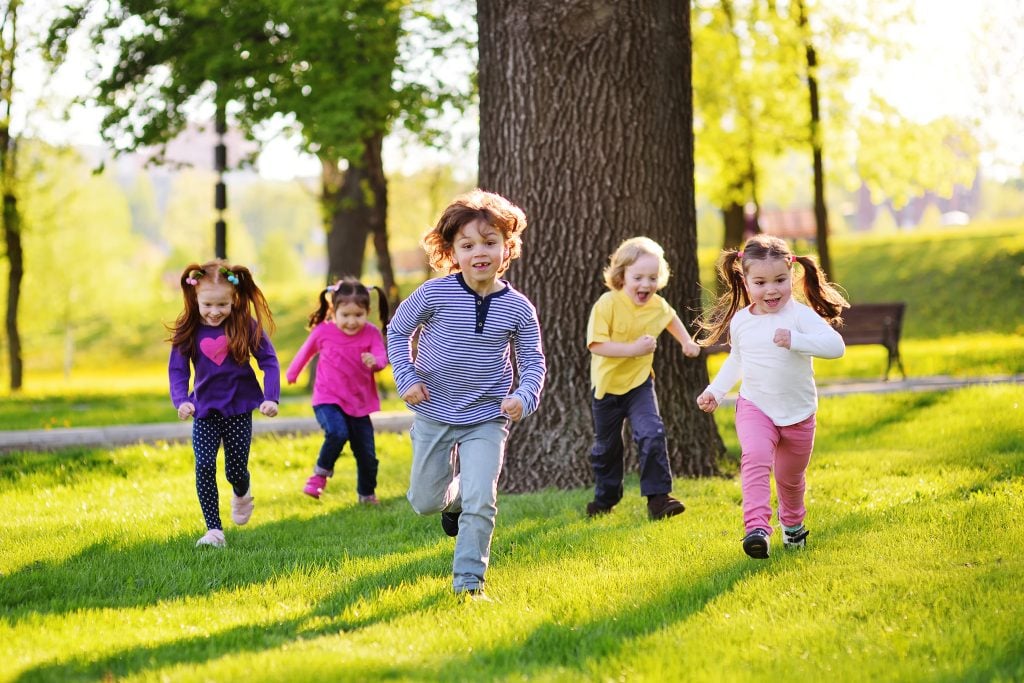
If you’re the parent of a young child, you probably already know how important physical activity is for their health. In recent decades, pediatricians and public health officials have
raised concerns about the number of children not getting enough physical activity and the rising rates of childhood obesity. One important factor often overlooked is the role of physical activity in children’s brain development and learning.
A growing body of research shows strong links between children’s physical activity and their cognitive development. This connection has largely been studied in older children and adolescents, but researchers have recently turned their attention to younger age groups, especially preschoolers. One recent study focused on the relationship between preschoolers’ physical fitness and their executive functioning skills.
What Are Executive Functioning Skills?
Executive functioning refers to the mental skills we all use to manage everyday life. These include working memory (holding information in mind), resisting distractions, and cognitive flexibility—the ability to adapt when rules or situations change. As adults, we rely on executive functioning to plan our day, prioritize tasks, remember what we need to do, and shift gears when plans change. These same skills are crucial for children to learn as they mature.
In preschoolers, executive functioning skills are just beginning to develop. They are beginning to learn how to plan ahead, control their impulses, and adapt to new situations. This is why your preschooler might forget to bring a jacket on a cold day or struggle when the routine changes suddenly.
What The Study Found About Children And Physical Activity
The study found that children who were more physically active tend to perform better on executive functioning tasks. Specifically, more active children demonstrated stronger skills in areas such as spatial awareness, working memory, self-control (e.g., waiting), and cognitive flexibility—altering their behavior when the rules of a game changed.
On the surface, it may seem surprising that physical fitness is linked to cognitive skills. But decades of research on embodied cognition have continually shown that how we move our bodies is deeply connected to how our brains work. When you consider the motor planning a preschooler uses to catch a ball, balance on one foot, or hop onto a step, it becomes easier to see how those same planning skills could apply to thinking and learning.
This means that supporting children’s physical activity is crucial not only for their health but also for their learning and cognitive growth.
Tips For Keeping Young Children Active
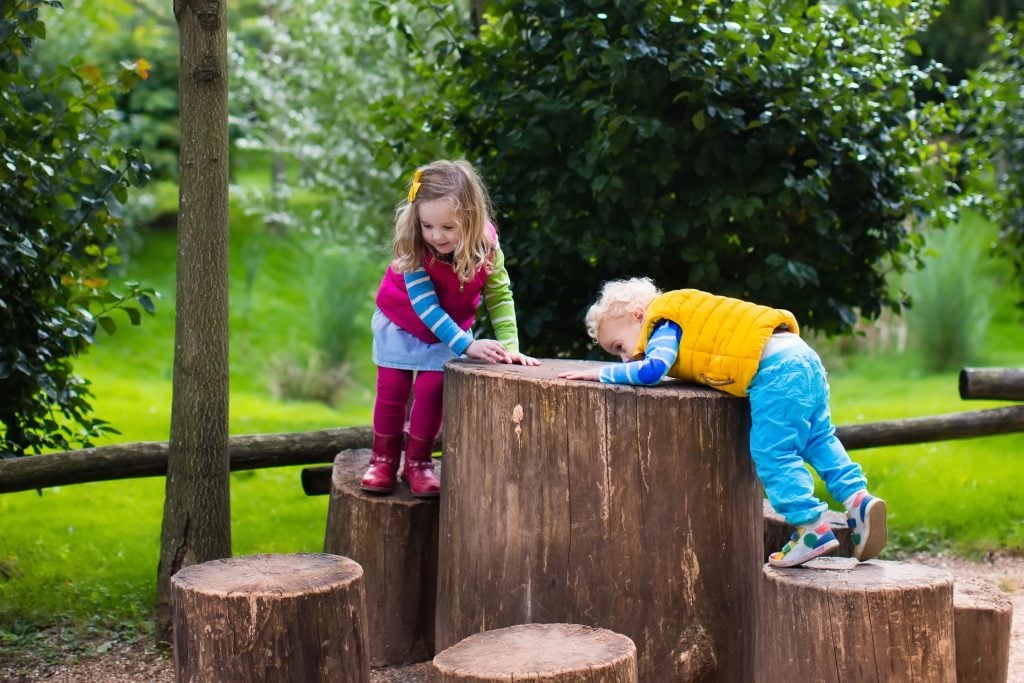
With the proliferation of screen-based entertainment, it can be more challenging to keep children active than it was decades ago. Here are a few fun ways to encourage movement and physical activity:
- Play games that engage both the body and the brain, like Simon Says or Freeze Dance.
- Create an indoor obstacle course using household objects like chairs, books, sofa cushions, and string. Create tunnels with chairs, piles of sofa “boulders” to climb on, or string “laser beams” they have to wiggle through to get to the end.
- Allow for a little risky play, especially outside in nature. Encourage your child to climb trees if they seem ready, scale the playscape, or swing high. These manageable risks help them practice thinking ahead and planning their movements.
- Encourage your child to invent new active games using items around your home. Use buckets and balls to make a throwing game, or take turns hitting a balloon up in the air and try to keep it off the ground.
Young children don’t necessarily need organized sports or formal activities to stay active. Almost any physical activity your child engages in not only helps keep them fit but also supports brain development and key executive functioning skills.