


Valentine’s Day is a celebration of love. For many people every year, it’s also a source of stress, as they juggle feelings of loneliness, grief, or low self-worth, and stress about their relationships or lack thereof.
For our kids, though, this shouldn’t be a time of stress, even for those old enough to date. Our kids should be encouraged to see Valentine’s Day as a simple celebration of all kinds of love: familial, friendship, community, and, yes, sometimes even romantic.
Parents can find it hard to guide kids to enjoy Valentine’s Day with minimal stress, so here are a few ideas.
Talk About Kinds Of Love

Your child’s social media feeds, entertainment media, and surroundings are full of reminders that love is the theme of February. They’re seeing billboards promoting diamond rings, ads for flower delivery, and likely even ads for underclothing, all of which suggest love is intended to move in one specific direction — and it’s probably one you’re not ready for your teen to be focused on.
Make sure your child knows that celebrating love doesn’t just mean celebrating a dating life. Love is also shared among siblings, between children and parents, among friends, and with other family members, caregivers, and community members.
There are many people who show your children love, and it’s important to know that dating isn’t the only way to be loved!
Share Ways To Show Love

Love isn’t just kisses, hugs, and chocolate in heart-shaped boxes.
Love includes acts like texting to let someone know you made it home safely, cooking a nice meal, or washing someone’s socks. Your child may not automatically recognize that finding their favorite coat washed and left by the door on a cold morning is an act of love, and may not realize they can communicate love by standing up for someone being bullied or sharing a lunch.
Remind your child that their teachers’ support is love, that they are loved at home, and that they receive love from their friends in the form of time shared, pencils loaned, and fists bumped.
Not having a boyfriend or girlfriend doesn’t mean your teen is unloved, and your teen may need a direct reminder.
Offer Encouragement Rather Than Shame
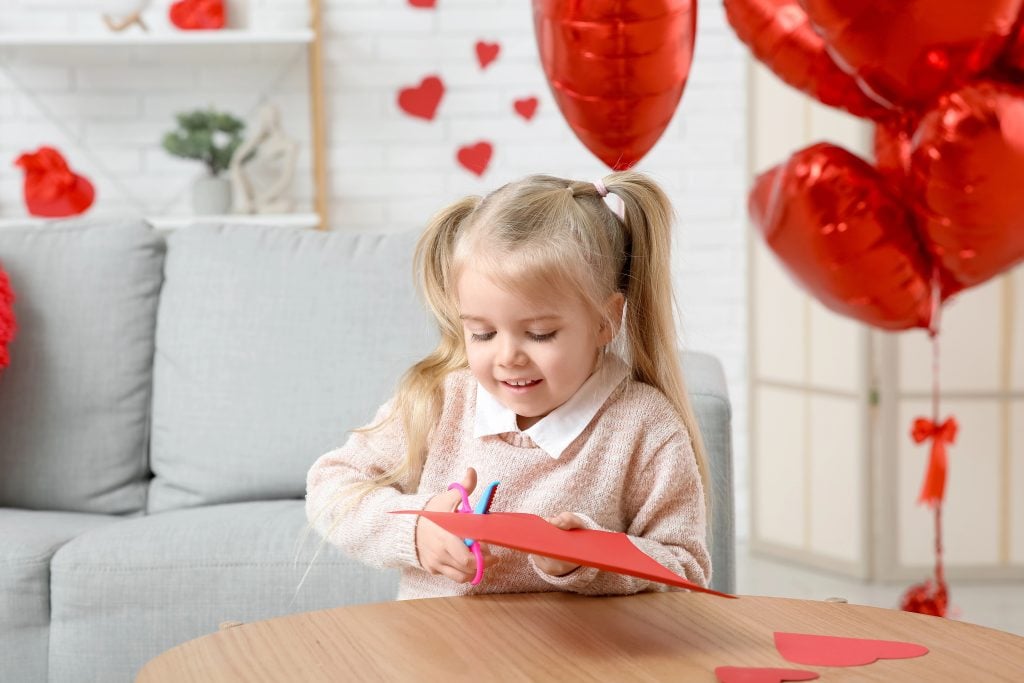
It’s time to fill out the valentines for your elementary schooler’s class, and he just picked up one that refers to the recipient as “cute” or “special.” You notice he’s blushing as he writes a classmate’s name on the card.
In this moment, it would be easy to tease or ask if that’s his girlfriend. It would be easy to press and pry.
Instead, choose to be supportive. Be ready to help him mark off the next name on the list, or to attach the heart-shaped lollipop, and maybe tell him the story of your own fifth-grade crush.
Right now, you’re making decisions that will help determine whether he comes to you with his feelings later, so choose compassion!
Normalize Big Feelings

Big feelings, like love, fear, and disappointment, are very normal, but they can also be very scary.
Acknowledge that your teen’s crush is on her mind all the time, or that he’s scared to ask someone to the dance, or that even in elementary school, picking the right Valentine’s cards to give to friends without sending a too-strong message is anxiety-inducing. Your child might even be stressed about getting the right cupcake flavor at the class party!
Any of these feelings can be overwhelming. Your child needs to know that strong feelings like this are a part of life, and that everyone else has them too.
That doesn’t mean you should downplay or minimize their feelings. Just reassure them that they’re not the only person who feels this way, and help them identify strategies to cope and keep moving forward.
Validate Disappointment

Don’t write off your kids’ feelings. Whether your child is 7, 14, or 35, a letdown matters to them, even if it seems small or unimportant to you.
That means that whether they’re afraid they won’t get as many Valentine cards as the other third-graders, or sad that their middle school crush doesn’t return their feelings, or anxious about asking another teen to the school dance, their feelings are real and valid.
You may feel sure that this is childhood stuff that they’ll look back on and laugh, but at the moment, they’re not laughing, so listen to them and offer love and support, rather than judgment.
Talk About (& Model) Healthy Ways To Handle Rejection

Your kids are watching TV shows, movies, and TikTok videos that suggest the best way to win love is through grand gestures. Every year, we see promposals go viral. Sometimes a kid’s message even catches the attention of a celebrity who shows up to show their appreciation!
What’s hard for kids to see is that those are a few isolated incidents among millions of teens in the U.S. and billions globally, and those aren’t necessarily the goals to aim for.
Instead, your child should be reminded that if their crush expresses disinterest, rather than turning up the pressure or making a bigger scene, they should back off and know that a rejection doesn’t diminish their worth as a person.
Reframe Self-Worth Outside Relationships
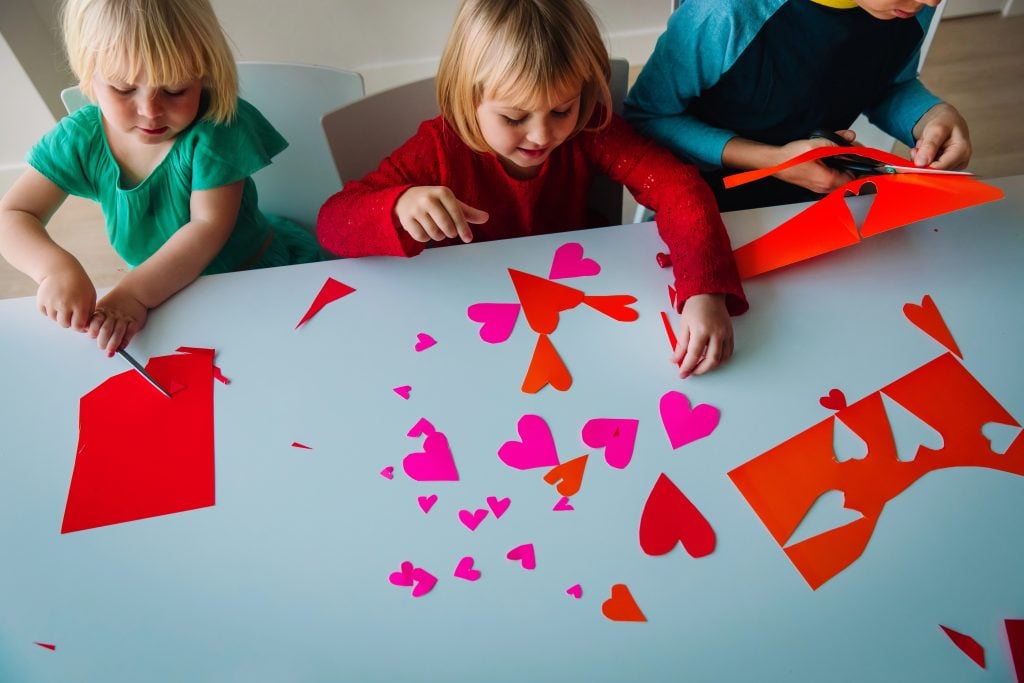
Teenagers (and adults) sometimes base their self-worth on their relationships.
Relationships are a big part of our identity, especially if we’re using the word ‘relationships’ to mean the ways we interact with our loved ones and community members. That includes siblings, parents, friends and classmates, teachers, neighbors, and pretty much everyone else who is a part of our lives regularly.
However, adolescence can create a kind of tunnel vision, in which adolescents base their self-worth heavily on the esteem of their peers, and sometimes even more heavily on whether they’re dating anyone or getting attention from a crush.
Remind your child that there are many relationships beyond dating, and encourage them to focus on who they are in their current relationships. If they focus on being a good friend and a kind person, not only will relationships come when it’s right for them, but they’ll go much more smoothly.
Write Your Own Valentine

You know that your child is a unique, special, wonderful person. Sometimes, especially in adolescent years, your child may be less aware of that fact, though.
Write a keepsake note so they can always look back and see the traits their parents value in them: their creativity, work ethic, kindness, and sense of humor.
Then tuck the note inside a cute card, or roll it up and tie it with a nice ribbon. Little jars full of mini notes, like this one on Amazon, that your child can pull out whenever they need a little boost are great too. (We added them to Christmas stockings one year, and my kids kept coming to me for months to respond to individual notes.)
Have A Family Celebration Of Love

To emphasize that love isn’t just for couples, you can have a family celebration for Valentine’s Day.
This could include a restaurant or a special meal at home. You could serve cake or cupcakes with a Valentine theme and share chocolates or other Valentine candy.
Family members can exchange handmade cards, take turns saying what they love about one another, or just play a board game or share a movie night to enjoy being together.
Take Them Out One-On-One

If you know your teen is struggling on Valentine’s Day, some one-on-one time is a great idea. Take your kid out for ice cream, or for a hike or bike ride.
Then spend that time focused on your child, listening more than talking, and showing them your support.
Even if your child is too young to engage in dating relationships, people of all ages like to have times when someone is focused entirely on them. Everyone needs to feel like they’re the most important person in the room to someone else, at least sometimes.
Whether or not your child is dating, you can still give them those moments and let them know that they matter to you.
Create A Loving Tradition

Maybe each year, you and your child pick a neighbor who needs some extra love. Or, for Valentine’s Day, you volunteer at the local food pantry or drop off Valentine’s candy. Families relying on these resources would enjoy a chocolate treat or some heart cupcakes just like everyone else!
For a younger child, they could add the school office staff to their Valentine list (they are often left out and would love to be thought of!) or include a special note on the card they give to a classmate who may be shy or lonely. Or, they could remember to include someone in their games on the playground.
Framing love as an action your child can take helps him feel more in control, and gives him the chance to make other lives better, too.
