
Picture it: You’ve just given birth, and suddenly, it feels like you can’t remember the last time you had a moment to yourself. Whether it’s your baby calling out for you the moment after you’ve put them down or visitors lining up for their chance at a snuggle, being a new mom can mean feeling constantly needed.
Sound familiar? If the answer is yes, you’re in good company. So, how is it possible that so many new moms simultaneously feel smothered yet alone?
A New Identity Takes Time To Settle
Parenthood reshapes your daily rhythm almost overnight. Conversations with your partner quickly shift from your life as a couple toward diaper rashes and sleep patterns. Social interactions become shorter and more logistical–for example, can you squeeze in a quick lunch with friends between feedings?
Even when you’re physically with others, you may feel disconnected from your old sense of self, leading to a complicated sense of isolation.
Studies show that low social support is strongly linked to postpartum depression symptoms, highlighting how emotional connection matters just as much (if not more) than physical presence.
Why Loneliness Can Feel Surprising

Many parents assume loneliness only happens when someone lacks help. But postpartum loneliness can also stem from:
- Loss of routine social contact
- Reduced independence
- Feeling like conversations revolve only around the baby
You might be talking all day, but still feel unheard.
The Invisible Mental Load
New mothers often carry the emotional “planning” of parenting: tracking feeds, monitoring development, remembering appointments.
Even with a supportive partner, that mental shift can create a sense of isolation and add to a new mom’s mental load.
What Actually Helps
Loneliness doesn’t disappear overnight, but small adjustments can ease it, such as:
Texting a friend something non-baby-related is a great way to stay connected and remind yourself that you’re still more than “just a mom.”
Scheduling adult-focused conversations can help you stay grounded in the day-to-day life of an adult.
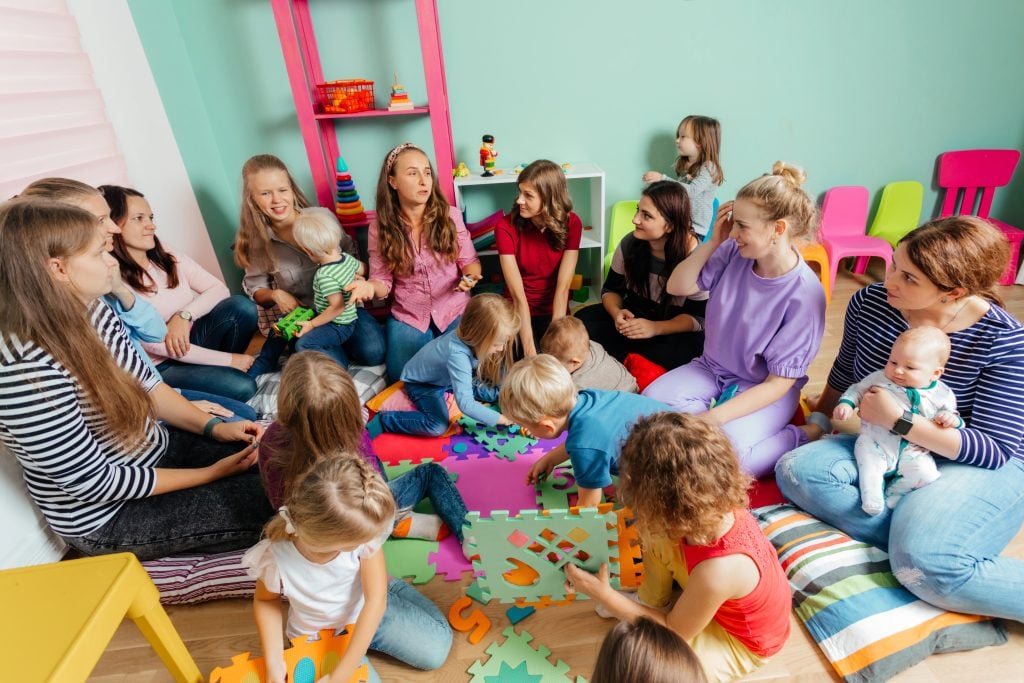
Joining a parent group where honesty is encouraged. If you’re going to talk about raising a child and other challenges outside of parenting, doing so with a group of your peers, especially in a setting where honesty and openness are encouraged, is a great starting point. You might even make some new friends who are going through the same stage of life you are.
Connection isn’t just about physical proximity; it’s about feeling seen. Remember, advocating for yourself and speaking up about your needs can help others know how they can show up for you. It’s OK to ask for help–mothers were never meant to be a village of one.