

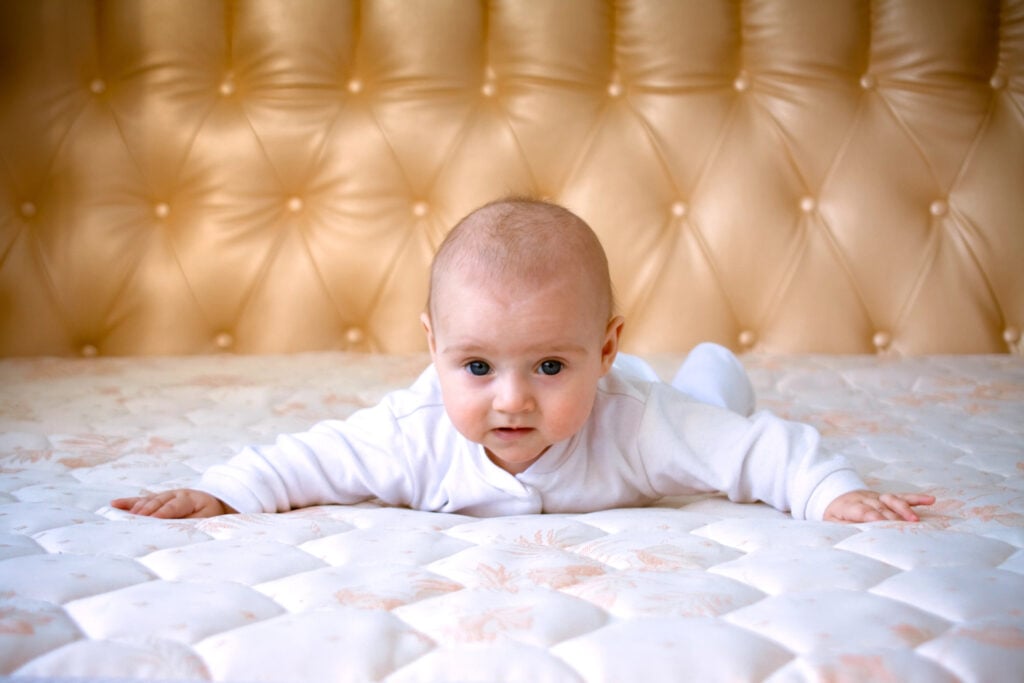
You spent weeks perfecting the nursery aesthetic, but pediatric safety experts and experienced mothers agree the single most consequential decision you will make for that room has nothing to do with wall color or crib style. It is the mattress your baby sleeps on every night, and most first time parents that get it wrong, get it wrong for the same reason: they shop for softness when they should be shopping for firmness, breathability, and verified safety standards.
A practical guide from new mothers on what actually matters in a baby mattress is making the rounds among parent communities, and the advice lines up closely with what pediatric health authorities and baby product specialists have been saying for years. Here is what you need to know before you buy.
Firmness Is Not Optional
The number one thing new moms and safety organizations agree on is this: a firm, flat sleep surface is non-negotiable for infants. That plush, pillow top mattress that feels luxurious when you press your palm into it is actually a hazard. An overly soft mattress allows an infant’s face to press down into the material, cutting off airflow and creating a suffocation hazard.
Babies do not yet have the muscle strength or coordination to reposition themselves out of a dangerous situation, which means the mattress itself has to do the work of keeping their airway clear.
Baby mattress brand Lullaby Earth addresses this directly in their educational guide on why firmness is a developmental and safety priority: “when it comes to baby sleep, ‘soft’ and ‘comfortable’ aren’t the same thing.”
That reframe matters. What feels comfortable to an adult hand is not what a baby’s body needs. A firm surface keeps the spine properly aligned, supports developing bones and muscles, and prevents the kind of sinkage that can obstruct breathing.
A simple test: press your hand firmly into the center of the mattress. It should spring back immediately without leaving any impression. If your hand sinks more than an inch, or the surface returns to shape slowly, the mattress is too soft. Steer clear of anything marketed as pillow top, cushioned, or extra plush.
A firm mattress that does not fit the crib properly creates its own set of dangers. Gaps between the mattress edge and the crib sides can trap a baby’s limbs or, in worst case scenarios, their head. The standard guidance is that no gap larger than two fingers’ width should exist at any edge of the mattress. If you can fit more than two fingers between the mattress and the crib frame, the mattress is the wrong size for that crib.
Breathability Keeps Babies Cool And Safe
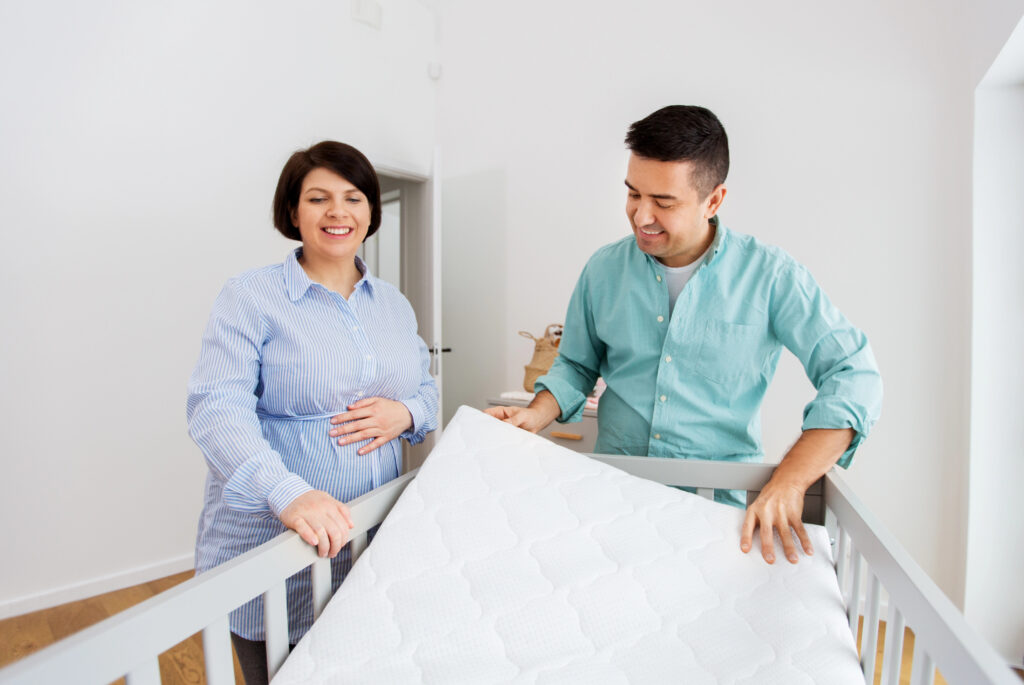
Infants cannot regulate body temperature the way adults do. A mattress that traps heat can cause a baby to overheat during sleep, which is both uncomfortable and potentially dangerous. Breathability, meaning the ability of air to circulate through the sleep surface, is one of the most important features to look for and one of the most frequently overlooked by parents focused on aesthetics.
Look for mattresses that are specifically designed to promote airflow throughout the sleep surface, not just on the top layer. This feature helps maintain a stable, comfortable temperature through the night and reduces the risk of overheating. As Lullaby Earth notes, temperature regulation contributes more to genuine infant comfort than any amount of softness ever could.
Safety Certifications Tell You What Labels Cannot
Not every mattress that looks safe actually meets regulatory standards. In Canada, Health Canada’s consumer safety guidelines under the Canada Consumer Product Safety Act establish clear obligations for anyone placing products into the market. Under this legislation, any party that places non-compliant products into circulation through sale, distribution, or gifting faces potential compliance and enforcement consequences.
The regulations apply equally to new and used products, which is an important reminder for parents considering secondhand mattresses or hand me down nursery gear.
Health Canada states clearly that “the safest place for your baby to sleep is on his or her back, in a crib, cradle or bassinet.” That recommendation extends to the surface inside that crib.
When shopping, look for certifications that confirm the mattress meets current safety standards in your country, and verify that the product has not been subject to a recall. Health Canada maintains an updated recall database for exactly this purpose.
Room Sharing Adds A Layer Of Safety But Does Not Replace Mattress Standards
Health Canada and the Public Health Agency of Canada both recommend room sharing for the first six months of a baby’s life, noting that research suggests it may reduce the risk of Sudden Infant Death Syndrome.
Room sharing means placing the baby’s crib, cradle, or bassinet within arm’s reach of where a caregiver sleeps. However, proximity to a caregiver does not substitute for a safe sleep surface. The mattress still needs to meet firmness and safety standards regardless of where in the home the baby sleeps.
It is also worth noting that bassinets and cradles have their own weight and developmental milestones that signal when a baby should transition to a full crib. A bassinet is appropriate until the baby reaches the manufacturer’s maximum weight limit or begins to roll over, whichever comes first.
After that, a crib with a properly fitted, firm mattress becomes the right environment. For parents navigating these early transitions, timeless parenting guidance on adapting sleep and safety practices as your child grows can help you stay ahead of each new stage.
Waterproofing And Ease Of Care Are Practical Necessities
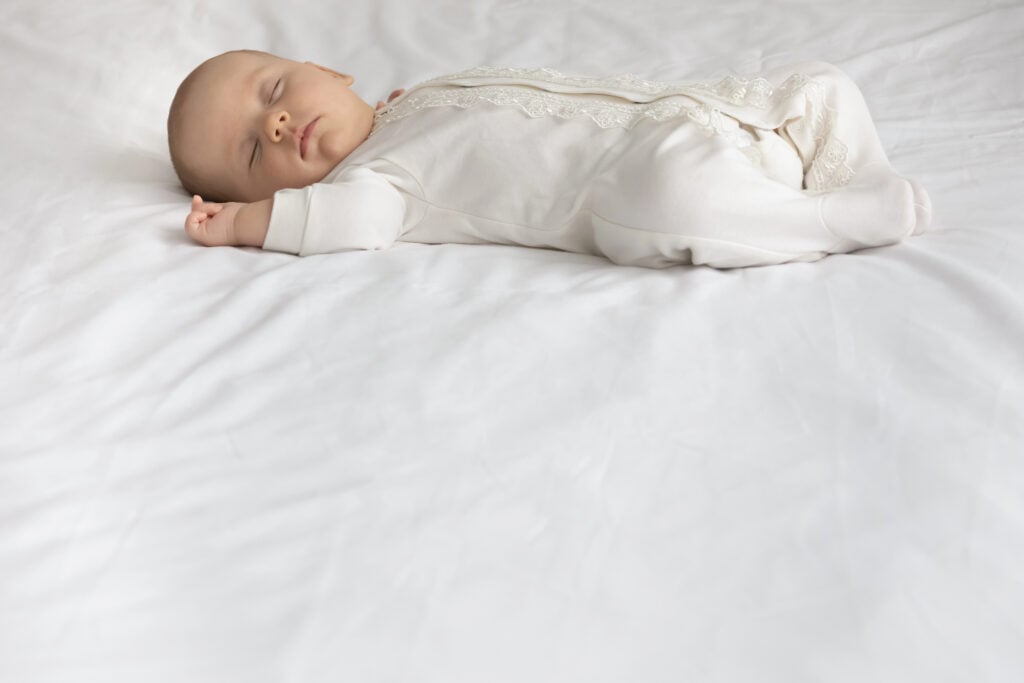
New parents quickly discover that a baby mattress will need to be cleaned far more often than they anticipated. A waterproof barrier that protects the mattress core from spills and accidents is not a luxury feature.
It is a hygiene essential. Look for waterproofing that does not rely on vinyl or PVC, which can off-gas chemicals you do not want near a sleeping infant. The surface should wipe clean easily without compromising the breathability of the mattress underneath.
Some mattresses also offer a dual stage design, with one firmer side for infants and a slightly softer side for toddlers. This kind of design extends the useful life of the mattress as your child grows, which is a practical consideration for parents thinking about long term value.
The baby mattress conversation is one that gets drowned out by the more visually exciting parts of nursery planning. But the mattress is the one item your newborn will spend the most time in contact with during their most vulnerable months.
Getting it right is not about spending the most money. It is about knowing what questions to ask and what features actually protect your baby, rather than just appealing to your instinct to make everything soft and cozy.
The research is clear, and so are the parents who have been through it: firm, breathable, and certified is the combination that lets everyone sleep better.

