


Every baby knows that one of the most important steps to exploring the world is to taste everything. That’s why removing choking hazards is such an important part of babyproofing.
Still, our lives are packed with tiny items that we, as adults, would never think of putting in our mouths, so we overlook them as choking hazards.
We all know about cutting hot dogs into smaller pieces (never round slices) and making sure to find every last piece of a balloon when it inevitably pops. We know to keep small toys out of reach and never give a small child hard candy.
Here are some choking hazards that might be less obvious.
Stickers And Similar Small Bits
Kids (and adults) love stickers. They make great rewards at the pediatrician, cost pennies apiece to buy for home or car entertainment, and not only brighten everything up but also stick! It’s very exciting!
However, stickers do require supervision if given to small kids. Even those nice, big ones at the doctor’s office can be easily condensed into a small, choke-ready ball, so they’re not a great idea for the backseat out of a parent’s sight.
The greater concern: stickers are often on other things and can be peeled off.
For example, tiny stickers on fruit can end up on the floor unnoticed by adults, but enticing to a crawling baby.
Or, a sticker on a toy may peel off, especially if the toy gets a good mouth-soaking. Parents should keep a close eye on any toys that are decorated with stickers, or keep those toys out of reach until baby is older.
Some home-assembly furniture even uses wood-toned stickers to cover up screws or other connectors!
Peel-Off Plastic & Corners
When one parent turned to Reddit for help identifying a small piece of plastic found in their child’s mouth after daycare, another user responded. Identifying themselves as a paramedic, this user related the tale of finding an identical piece of plastic in the mouth of a choking toddler.
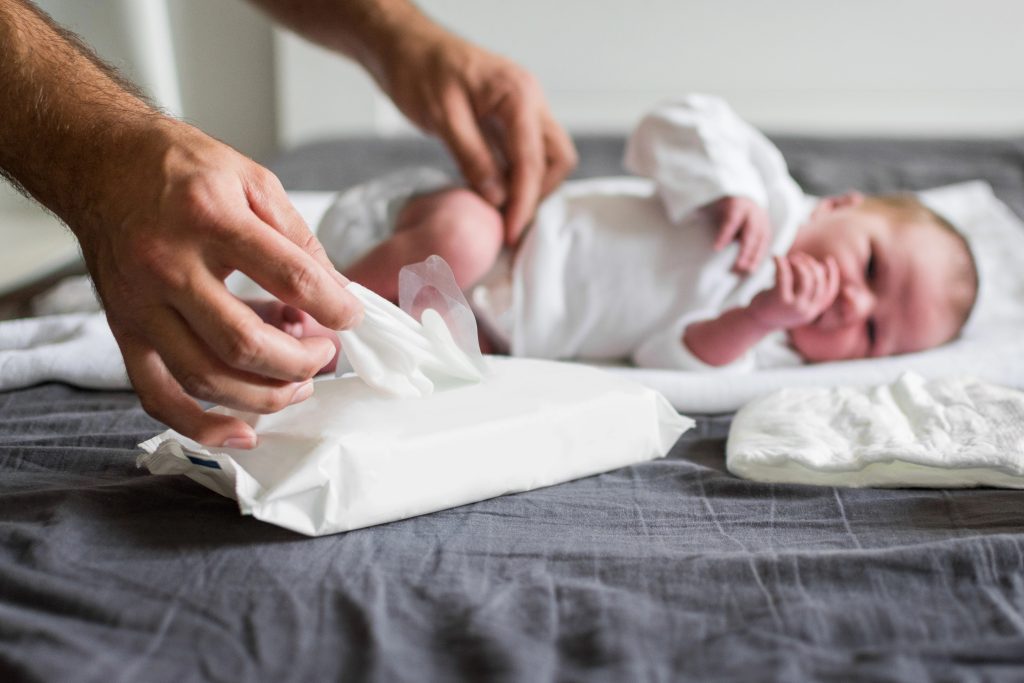
The plastic in that case came from a new package of baby wipes — it was that sticky cover over the opening that keeps the wipes from drying out.
Other users chimed in to share similar experiences. In some cases, the piece of plastic in question was transparent. Imagine the horror of trying to spot that in a child’s mouth!
That’s not all. Still others had stories of babies who had gotten tiny pieces of unnoticed plastic from other sources: a scrap of CD wrapper that went unnoticed when the packaging was removed; a scrap of cellophane from a cigarette package (according to the Redditor, that dad quit cold turkey that day); and even a piece of plastic from inside a shoe sole.
The takeaway: when opening wipes, make sure the entire plastic tab is fully inside the trash can! Also, watch out for corners and scraps when opening packages!
Tiny Button-Cell Batteries
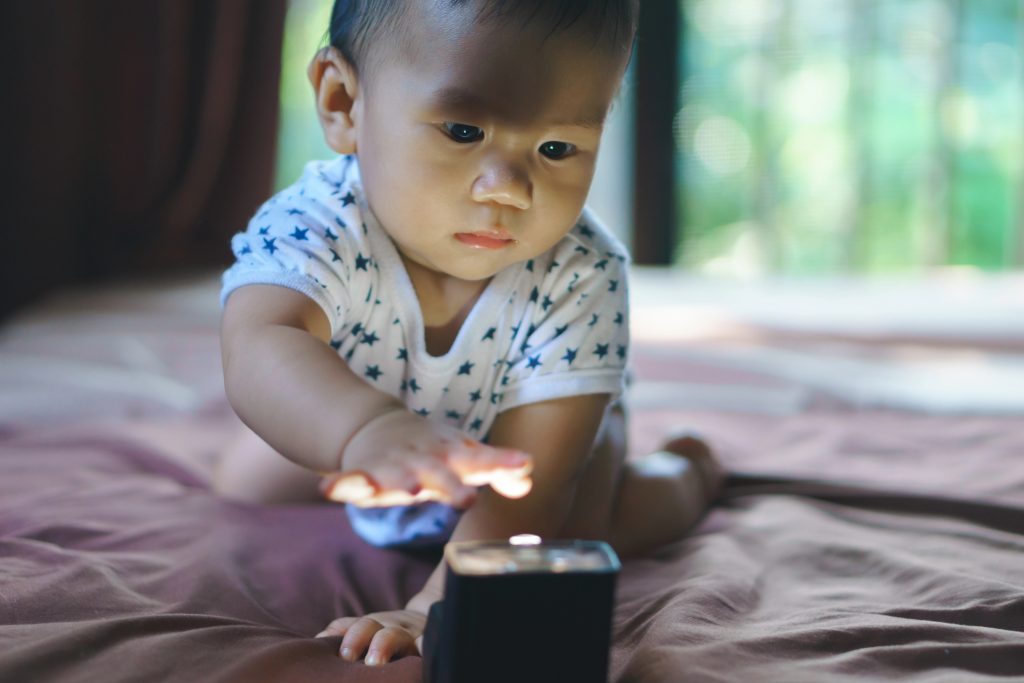
It’s not exactly surprising that kids can choke on these. They’re tiny, round, and shiny enough to grab a baby’s attention easily.
What may be more surprising, though, is how common they are and how dangerous.
Your infant likely has toys that use small batteries, whether it’s a light-up crib piano, a singing plushie, or a set of toy keys that beep and flash. Most of these toys are manufactured with safety in mind. The Consumer Product Safety Commission explains that legislation requires toys intended for small children to meet certain standards, including securing batteries behind a closure that can only be opened with a screwdriver or coin.
However, those laws may not apply to toys made before the legislation was passed, toys intended for older children, items bought from outside the U.S., or items babies love that aren’t toys.
Worse, when they are swallowed, they aren’t just a choking hazard. They can burn a child’s esophagus or stomach lining, and can do so within hours, causing severe injury or even death.
Parents should also check these battery covers regularly for damage, bending, or other changes that could allow access. Consider only giving your baby these toys when under close supervision.
Also, if you have older children, watch out for their toys falling into babies’ hands. Make sure that battery changes in remotes, watches, flashlights, key fobs, and other products are done with care, and that the old batteries aren’t left within reach.
Earbud Padding

Toddlers love chewing on headphones, whether they’re big over-ear types, corded in-ear style, or AirPod-style cordless buds. Whether it’s the texture or the flavor (gag — I’m so sorry), there’s something about them that just appeals to babies.
Corded headphones are also a strangulation risk, and all headphones should be kept out of the reach of small hands.
However, when your littles manage to get their hands on a set despite your precautions, there’s something else you should watch for. Once you’ve retrieved the headphones and engaged in a moment of fantasy about a home with more high shelves and lockable drawers, double-check that the in-ear portion of the system is complete.
Toddlers may chew the rubber ear cushions off, and it’s possible to put away the item and breathe a sigh of relief that you caught it in time, without realizing that there’s still a little round choke-hazard in your child’s possession.
Also, when you purchase a new set, be sure to know where the spare ear cushions are! If you toss the box onto a table and put the earbuds out of reach, you may miss the fact that the box still contains spares!
Magnets (They’re Everywhere)
Magnetism is genuinely one of the most amazing phenomena used in our households.
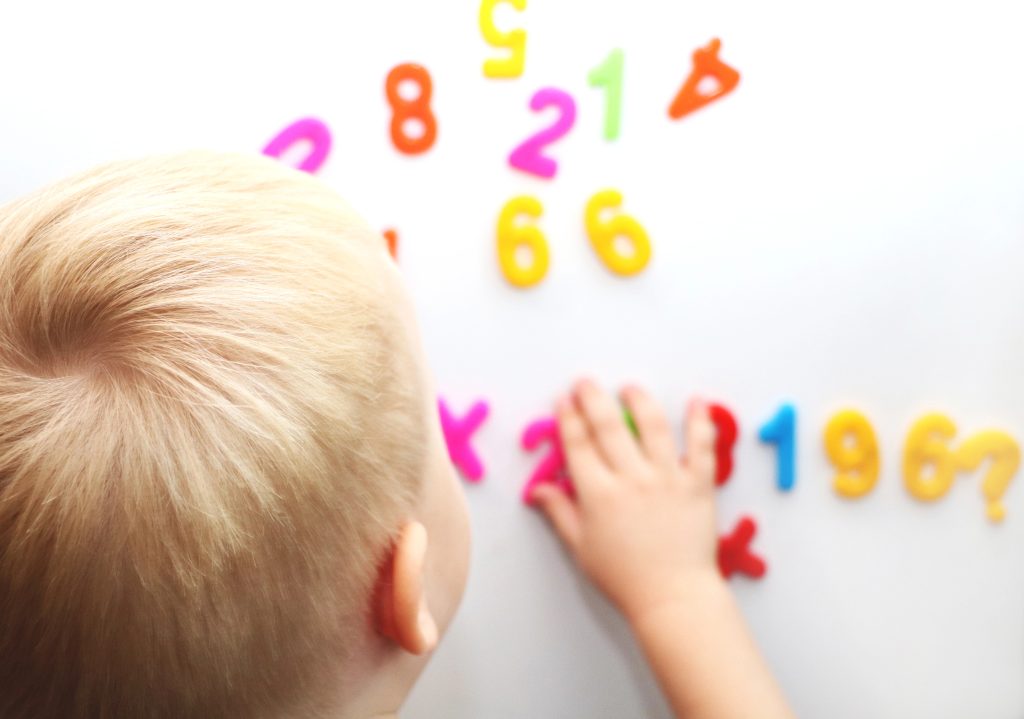
They’re useful in household applications like hanging artwork on the fridge and keeping containers closed. In toys, they can make an ice skater dance on a surface, or have a puppy chase a bone. They function as clasps on jewelry, are vital to some technology functions, and even show up in anti-stress toys. They’re everywhere.
And they’re often very swallowable, and often round.
Like button cell batteries, a major danger of magnets is that there are so many that a dropped one might not be missed. For instance, a decorative refrigerator magnet may use two small round magnets, and when it is knocked to the floor, the person retrieving it may not notice that one has become detached. Or, if your older child is playing with a magnetic building kit, they may not notice that one of the many magnets in the set is missing.
Besides choking, magnets (especially stronger ones) pose an additional danger, Stony Brook Medicine warns:
Magnets that are swallowed can clump together on opposite sides of the intestinal wall, and their pinching action can be so tight that holes are made in the intestine, thus creating a dangerous problem.
The current standard of care for children who have more than one magnet is to consider performing emergency abdominal surgery.
Try to be aware of any magnets in the home, and set rules about where older children can safely play with any magnetic toys or sets. Double-check behind them after cleanup, and contact your pediatrician or emergency services if you believe your child may have swallowed a magnet.
Pushpins, Thumbtacks, & Other Small Fasteners

No parent would hand their child a box of thumbtacks to play with. However, a parent may unwittingly make these items available to a small child.
If you’re using thumbtacks, pushpins, or other small fasteners or hardware to place decorations in your child’s room, or hang temporary coverings over doorways or windows, or even to place party decor, consider what your child can reach.
Even though the fasteners are out of reach, if your child can reach the bottom of the hanging item (say a streamer or a decorative backdrop) then a strong pull could bring the fasteners out of the wall and down into his reach. Even plastic hooks like Command hangers or Velcro strips can pose a hazard if your child can pull the decorative item down.
It’s recommended that all hanging decor be kept out of reach of cribs and playpens, and that anything hanging in a small child’s room be secured with strong hardware.
Jewelry, Beads, & Buttons

The debate over whether amber teething beads are ever safe for children is contentious, and parents will have to make their best decision on the matter, ideally with input from their pediatrician. The FDA and AAP advise against using them, citing cases of choking and strangulation.
That said, a toddler should never be left unsupervised with beads of any kind, including amber, wood, silicone, or plastic teething beads, no matter how well-strung, how many knots there are between beads, or how certain a parent is that the beads are secure.
Parents should also watch for lost beads and charms from their own jewelry. Be cautious of earrings around babies. (Remember that time you noticed your earring was gone and had to search the couch and the car to find where you lost it? Your toddler can be really good at finding these items, even before you know they’re lost — and sometimes the backing and the front part of the earring may be lost in different areas.)
Watch out for buttons that may come off of toys or clothing. Choose plush toys with embroidered or fabric eyes, rather than those with buttons or other plastic pieces.
