
Now more than ever, it’s important to raise emotionally stable, kind, and impactful children. In a seemingly dark world riddled with alarming social media posts, what parents say to their kids matters. Moms and dads have to lead by example and show kindness to inspire their children to do the same.
However, leading a calm, good-natured life can be tricky when toddler tantrums roll in, and hormones change. It’s easy to forget the “right” thing to say and end up saying something short or tense. While parents all have their good and bad moments, each day is a new chance to start fresh.
Openly communicating with your child is an important step in strengthening your bond, but therapists and child psychology experts agree that there are some sayings and terms that parents should stop using with their children. While most parents don’t have ill intentions when saying things like “Did you have a good day?”, there are layers and undertones that can affect your child’s responses or mood.
“Because I Said So.”

The expression “Because I said so” is one of those sayings that has been said for generations. The phrase has authoritarian undertones and conveys a sense of control. Many parents use this coined phrase when they’re tired of arguing with their child and have the final say. However, experts don’t think parents should use the expression at all.
Child psychologist Reem Raouda told CNBC that the phrase should be avoided at all costs as it’s “ineffective.” In short, telling your child that you have the last say on the matter. There’s no communication or common ground, and it tells your child that you don’t respect them.
What the Experts Say: “‘Because I said so’ shuts down communication and teaches blind obedience.”
What to Say Instead: “I know you don’t like this decision. I’ll explain, and then we’re moving forward.” Parents should, theoretically, tell their child that they hear and respect them, but overall, you’re reinforcing your rules.
“Deal With It”

The phrase “Deal with it” may seem harmless in the moment, but it’s all about timing. To kids, the expression is negative, and it dismisses their feelings. Of course, everything is situational, and things aren’t always as dramatic as they appear. However, a mom or dad telling their child to “deal with” something hard or frustrating for them doesn’t teach coping skills. It instead says they’re overreacting.
The Watson Institute in Pittsburgh’s Rachel Lugo is a licensed professional counselor and someone who understands the importance of saying the right things to impressionable minds. Lugo explained that instead of cutting off your child, you have to validate them first.
What the Experts Say: “One of the challenges of parenthood is to acknowledge their emotions without giving into their tantrums.”
What to Say Instead: Because kids “crave validation,” try saying “I hear you” before diving into what they’re upset with.
Lugo offered a four-step example to focus on:
- See Them: I can see you really want to stay outside.
- Accept Their Feelings: It’s okay to be upset that you can’t play outside anymore.
- Set a Boundary: We’re done playing outside because it’s time for dinner.
- Shift to “Yes”: We can go for a walk outside after dinner, but first we have to eat.
“We’ll Never Afford That.”

Financial strains are among the hardest parts of raising a young family. Between school, activities, and babysitters, the dollar signs keep growing as kids get older. At the end of the day, however, children and teens shouldn’t be a part of serious financial decisions.
Using Disney World as an example, instead of telling your kids that you’ll “never afford” such an expensive trip, it’s better to explain how you’ll reach your financial goals instead. It turns a negative situation into a positive one.
A financial psychologist told CNBC that families need to eliminate the phrase “we can’t afford that” from their household, as it creates stress and anxiety around money.
What the Experts Say: “If your child grows up hearing, ‘We can’t afford it,’ they may internalize a sense of financial scarcity. When they eventually enter adulthood and are offered credit cards, student loans, and easy financing, the emotional response may be: ‘Now I can finally get what I never had.’ This can lead to overspending, credit misuse, and lifelong financial stress.”
What to Say Instead: “My dream is to take a trip to Disney World. To make that a reality, I’m going to work extra hard so I can add to our family savings quicker. “
Editor's Note: It should be noted that being open about finances and talking freely about the ins and outs of a dollar are important conversations. Financial values, balances, and savings are all topics that make a financially sound child. However, the strains that finances put on the family, especially because of your child's activities, should be between adults.
“Did You Have A Good Day?”

This one had me in a chokehold. My daughter is in a daycare program twice a week for a few hours a day, and every time she comes home, I ask her if she had a good morning. While well-intentioned, Newport Academy’s licensed professional counselor, Kristin Wilson, believes the question can be troublesome.
Instead of asking how their day was, focus on open-ended questions instead.
What the Experts Say: “When you ask your child if things are fine or good, you’re giving them the message that you want everything to be OK. … Kids don’t want to disappoint or disturb their parents, so they’re more likely to say ‘sure’ or just nod in response and let you believe that everything’s fine—even if it isn’t.”
What to Say Instead: “What did you do at choice time?” Or “How did that chemistry test go today?”
Instead of asking a possibly problematic question, the goal is to spark a real-life conversation that can be both positive and negative.
“Everything Will Be Okay.”
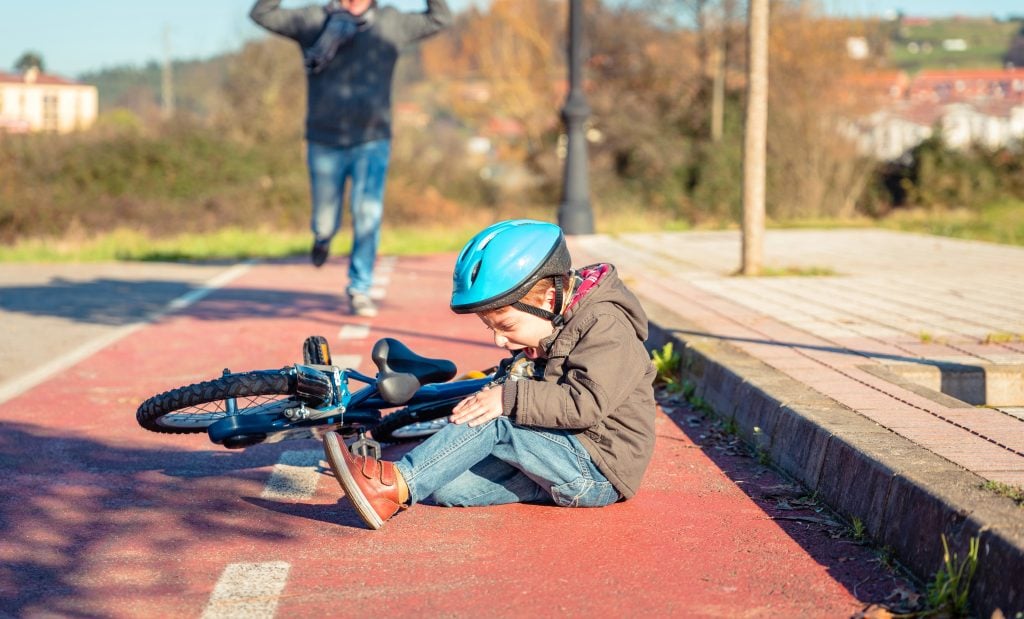
Most parents are guilty of telling their child, “Everything will be okay” during trying times. Even if a parent doesn’t know whether something will be okay, the phrase spits out without a second thought.
Unfortunately, telling your child that “Everything will be okay” without actually knowing that to be true can come across as dismissive, premature, and vague. It’s almost as if a parent brushes over the actual issue by telling their little one that “Everything is fine” instead of acknowledging it.
Northeastern University‘s psychotherapist and instructor, Amy Morin, explained that parents aren’t preparing their kids for a realistic future by saying, “Everything will be okay.”
What the Experts Say: “Rather than telling them that there’s always a happy ending, teach them that they’re strong enough to handle life’s inevitable curveballs.”
What to Say Instead: Using the example of trying out for a sports team, Morin suggests acknowledging their feelings with a gentle hug and being truthful. “I know you really wanted to get picked today, but there will be many more opportunities.”
This encourages kids to keep trying at whatever it is to achieve their goals despite adversity.
“It’s Not A Big Deal.”
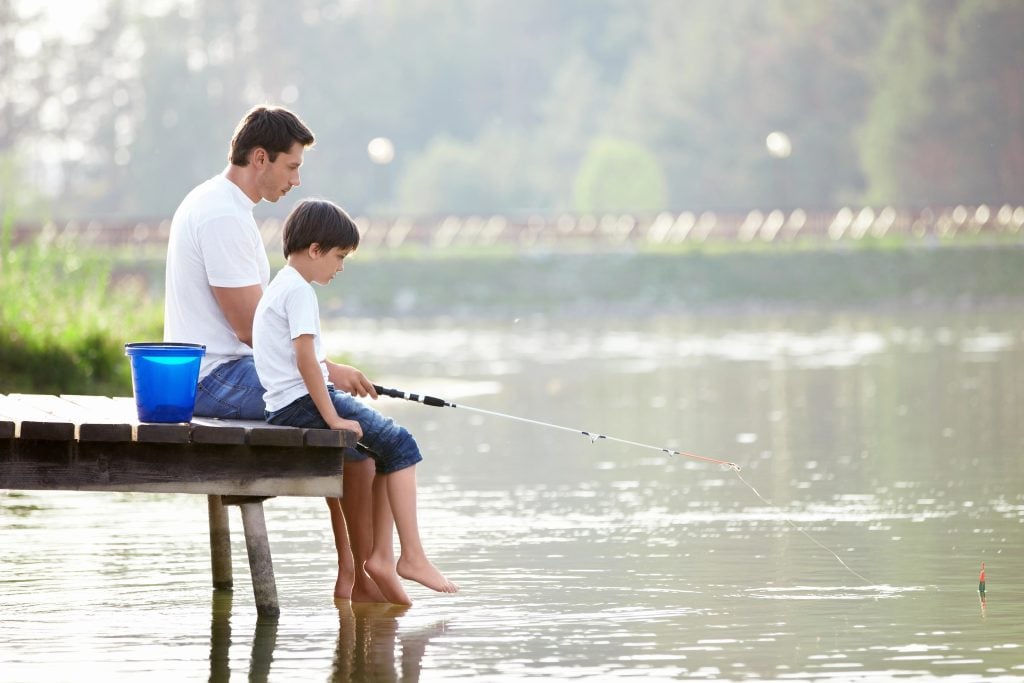
The biggest takeaway from experts is that children crave validation and seek affection in hard times. While something may seem trivial or not a big deal to an adult, it could be a pivotal moment emotionally for a child.
Child psychologist Dr. Caroline Danda told Parade that instead of saying “isn’t a big deal” during your child’s time of need, it’s better to acknowledge their need and ask what they need to soothe.
What the Experts Say: “Kids and teens don’t have the wisdom of parents or grandparents. … Validate feelings first and listen so kids, and especially teens, can express and feel their emotions. It’s easier to move through a highly-charged situation when you feel someone understands.”
What to Say Instead: “This feels like a big deal to you. Can you tell me what you’re feeling so we can work through it?”
“Stop Crying.”
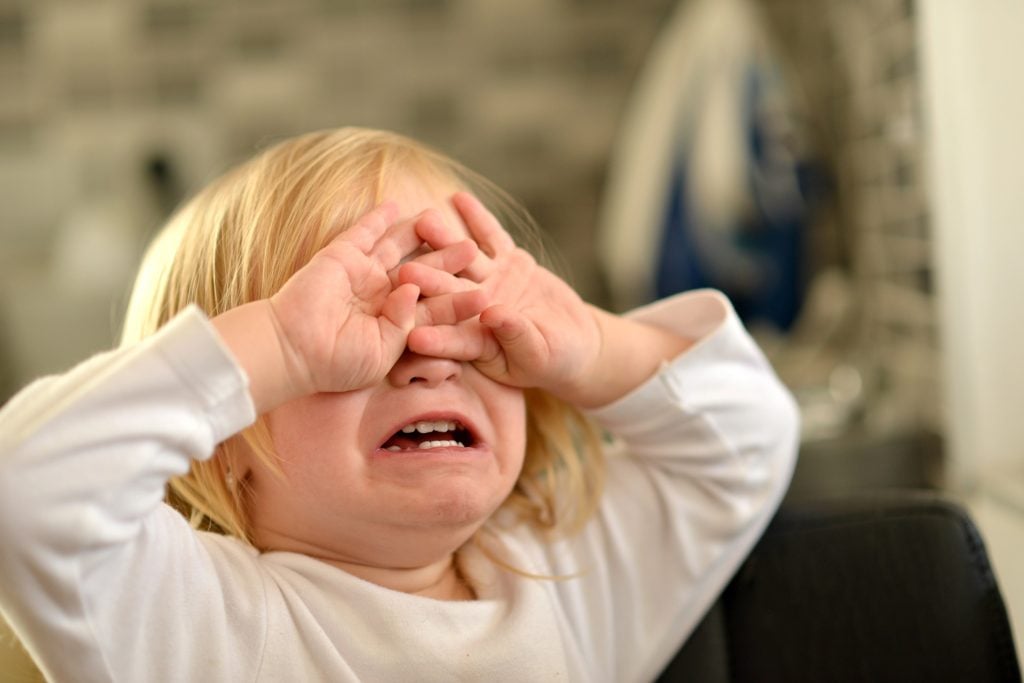
It may feel natural in the moment to tell your child to “stop crying,” especially when kids cry over something small, but in reality, it suppresses their feelings. Kids can learn that their feelings don’t matter or that their parents don’t understand them. When children cry, they need affection and confirmation from their parents.
Clinical psychologist Martha Deiros Collado explained that for kids who are upset, expression first comes through tears, then through words. Tears have to flow first before they can explain why they’re feeling that kind of way.
What the Experts Say: “You cannot bottle up emotion that needs to be released. … Before the calm, the emotion needs to come out, and what it is trying to communicate needs to get heard.”
What to Say Instead: “It’s okay to cry. I’m here when you’re ready.” A gentle squeeze on the hand or a hug is also encouraged.
“Wait Until Your Mom/Dad Comes Home.”

It’s hard to admit, but there are times when your child isn’t listening to you, and the first thing that comes to mind is to threaten them with the other parent’s perception of the situation. Even if you have no intention of telling your partner about your child’s behavior, some parents say, “Just wait until your mom or dad comes home,” as a way to correct behavior.
In the moment, what parents don’t necessarily realize is that the small expression is fear-based. It teaches kids that their other parent should be feared, which could create serious trust issues at home. More importantly, saying this doesn’t correct the behavior; it scares them into silence.
Experts at Thriving in Parenting remind parents to converse gently during heavy times.
What the Experts Say: “Addressing behavior calmly and directly encourages independent thinking and accountability. Children learn far more when they feel supported rather than threatened. Consistency and clarity foster trust, not anxiety.”
What to Say Instead: It’s wise not to use fear as the motivator. Instead, focus on the behavior and how to correct it. An example could be, “I understand you’re mad, but you cannot throw toys. You can stomp your feet instead.”
“You’re Making Me Upset.”

There comes a time in every parent’s journey when they want their kids to understand that they, too, have feelings, and at times those feelings are hurt by what their child is saying or doing. In the heat of the moment, it’s easy for a mom or dad to say, “You’re making me upset” when their child is out-of-touch, but there are better things to say instead.
By telling a child that they’re making you feel a certain way, you’re blaming the child for your emotions. Many children don’t have the same level of emotional regulation as adults do. The statement places a heavy burden on the child, and they may feel like a problem.
What the Experts Say: Dr. Amy Morin explained that there are smarter ways to say things than blame-shifting. “Rather than owning your feelings and modeling that for your children, you’re putting the locus of control on the child and making them responsible for you. Not only is that unfair, it’s too much for a child to handle.”
What to Say Instead: “I don’t like it when you (fill in the blank here).” You can also use some of the emotions you’re feeling.
“Be Careful.”

I say “Be careful” to my adventurous toddler at least 20 times a day. It’s the first thing that pops out of my mouth when I see her climbing the bunk beds or sitting on a ledge. According to experts, however, saying “Be careful” actually increases the percentage who are not careful.
Educator and expert Deborah Carlisle Solomon explained that many parents’ words distract their child from the adventurous or dangerous activity they’re doing, rather than keeping them safe.
What the Experts Say: “Your words distract them from their task.”
What to Say Instead: In this case, it’s not what you say to your child that makes things better; it’s what you do. Knowing that saying “Be careful” can distract a child from whatever they’re doing, it’s best to move closer to keep them safe in case of a fall, or offer support from afar instead.