
When my oldest daughter started going to daycare for a few hours a week, I couldn’t wait for all of her “firsts.” The first picture she drew for me, her first group of friends, her first school holiday program… I was so excited to see her experience life’s sweet moments. However, it soon dawned on me that life’s firsts aren’t always so sweet, like when other kids have parties and the possibility of her being left out.
Although she’s young, I couldn’t help but think about how I would react when the inevitable happens. After all, she’s not going to be invited to every friend’s birthday, summer bash, or barbecue. Likewise, maybe she didn’t want to invite someone to her future parties. The conversation about being left out only gets trickier as kids get older, because social circles and “wanting to fit in” are so important for teens.
According to The Ophelia Project, almost 50% of girls in grades 5 through 12 have experienced social exclusion among their peers. Knowing that your child may not be included in certain gatherings requires an attentive ear or a pep talk. After all, not being invited can be painful for some kids. How they (and their parents) respond can make rejection an entirely new experience for them, but experts explain that it doesn’t have to be negative.
First Things First: Don’t Let Your Emotions Get The Best Of You

I can only imagine the intense rage or sadness a parent feels upon learning that their child or teenager wasn’t invited to or included in an important gathering. For kids, it doesn’t matter if they weren’t invited to a small sleepover or a large graduation party; it’s hard for them to see their friends have fun with others while they stay home.
As parents, however, experts encourage moms and dads to refrain from letting their emotions get the best of them. Not every seclusion is done with malice, and it’s important to remain calm for your child.
Eileen Kennedy-Moore, Ph.D., explained to Psychology Today that there are many reasons why parents or kids leave other kids off the guest list, and it’s not always personal. It could be financial, a space issue, or maybe the other child knew your child wouldn’t enjoy the particular activity.
Take a breath and remember that children have the right to invite whomever they want to their parties or gatherings, just as your child does. How you react could make or break your child’s future perception of denial.
What the Experts Say: “If the other child is usually kind, the lack of invitation probably wasn’t meant to be hurtful. … The other child has the right to invite–or not invite–whomever they want. If your child angrily confronts the party kid by saying something like, ‘You’re so mean! Why didn’t you invite me?!’ The response is unlikely to be positive.”
Follow Your Child’s Emotions

As protective parents, it’s easy to assume your child is hurt after not being excited to attend a party or gathering. However, sometimes the parents are more offended than the child. It’s wise to follow your child’s emotions rather than letting your own get the best of you.
Dr. Kennedy-Moore wants parents to follow their child’s lead and to not assume their child is sad. Your child may not know the party thrower that well or may not be interested in the party theme. More importantly, your child may not get along with the party thrower.
Expressing how upset you are over the party or exclusion could signal to your child that they should be more upset. In short, your emotions could make things far more intense, and it’s wise not to deny them.
If your child is upset over being excluded, offer support in a way they prefer. This could be a movie night, a special dinner, a fun activity, etc. Something casually notable could take the sting out of being omitted. Validate how they’re feeling and let them know they’re loved, even in the face of rejection.
What the Experts Say: “Don’t assume your child is devastated by the lack of an invitation. The party child may be someone your child doesn’t know well or doesn’t like, which could minimize the importance of not being invited.”
Don’t Attack The Other Parent

Some parents may feel the need to defend their child after being excluded and verbally attack the other parent. Experts, of course, do not suggest going after the party thrower’s parents when their child is rejected from the invite list. It could make things even more awkward between the kids and potentially dramatic at school activities.
Escalating towards other parents for not being invited could give you a poor reputation at school, which would inevitably reach your child’s ears. Your hostility could prevent your kid from being invited to the next social gathering because other parents don’t want to accommodate you.
Clinical psychologist Maeva Rich explained that parents need to guide their children without becoming overly involved. Rich explained, “Parent involvement is only helpful in certain situations, like when your child is genuinely confused because they’re close friends with the host—that instance might want a parent calmly and politely reaching out to get more information.” Other than that, it’s best to stay on the sidelines and guide your child in the right direction.
What the Experts Say: “Unless there’s bullying, discrimination, or repeated exclusion, stepping in can prevent children from learning how to navigate peer relationships independently.
Help Your Child Understand Through Empowerment
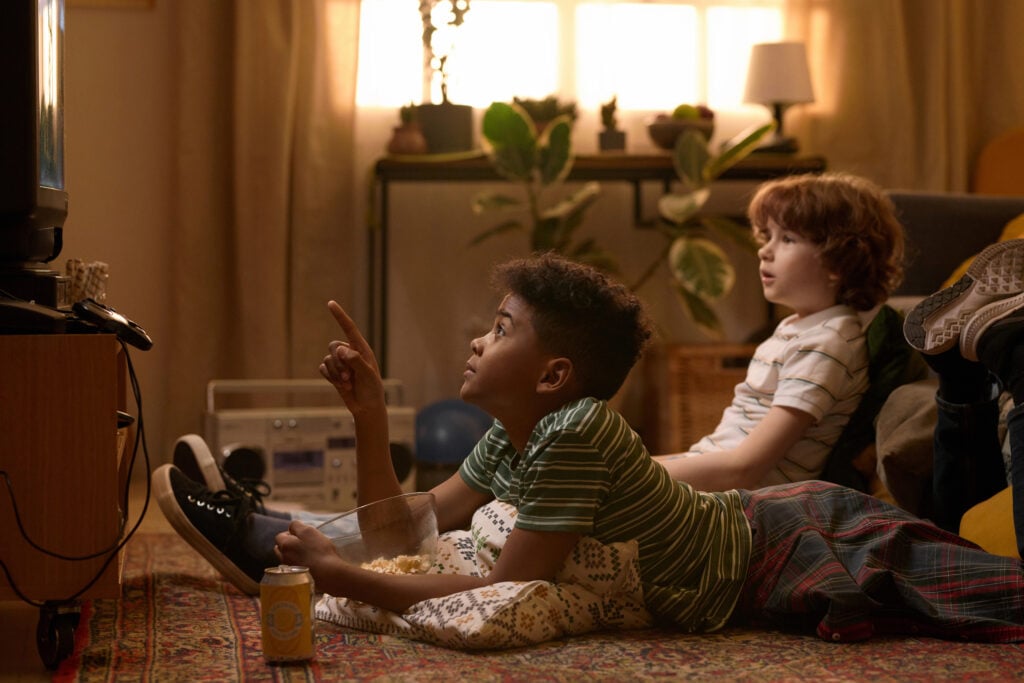
If your child is upset that they weren’t included at a social gathering, they need help understanding how to cope with it. Telling them to “get over it” or “it’s not a big deal” can sometimes make things worse. To them, missing out on fun times with friends and schoolmates is a huge deal and a hard thing to process. As a parent, it’s your job to help them understand by empowering them.
Empower your child by talking about the party and their feelings.
- Ask your child if they want to practice responses if kids talk about the party at school.
- Do they want to dissect the situation or ignore it altogether?
- Ask them if they want to do something special on the day of the party instead.
Going over relaxed practice scenarios may be silly, but it prepares your child for the inevitable. Kids are most likely going to talk about the party or gathering in front of your child, and they may feel empowered by knowing exactly what to say (even if they’re upset underneath it all).
Be clear and concise. Remind your child that things like this happen, and that doesn’t mean they’re any less loved, cool, or interesting. Whether it’s a group project, a sports team, or a party, getting left out can unfortunately be part of life. Jennifer L. Keluskar, Ph.D., suggests highlighting your child’s positive qualities or personality traits to empower them.
What the Experts Say: “Emphasize that your child has positive qualities other children will appreciate, even if not every child values them.”
Reframe The Situation To Cool Hurt Feelings

Parents have a natural, primal urge to protect their children. While experts don’t suggest calling the party thrower’s mother or sharing your emotions for your child, they do suggest reframing the situation to help your child cope.
Listen to your child and ask them how they’re feeling, but reiterate the positives to ease hurt feelings.
- “It’s hard not to be invited to things. When we have your birthday party, let’s be sure to spread kindness and invite everyone from your class.”
- “You can still be friends with your classmates who went to the party. This doesn’t mean you’re no longer friends, it just means your social circle is growing.”
- “Friendships go through ebbs and flows.”
- “You’re not the only one who wasn’t invited to the gathering, and I’m sure others feel similarly.”
- “Everyone, eventually, gets left out.”
Clinical psychologist, Christie Ferrari, PsyD, shared with Parents that talking about it and reminding them how common exclusion is can help reframe the situation.
What the Experts Say: “Learning that not every friendship will include you all the time is an important life skill.”
Final Thoughts

It can feel cruel when your child isn’t invited to a party. Remember that your child needs you more than ever to help them regulate their emotions.
If this happens to your child, remember what experts suggest:
- Stay calm and don’t let your emotions get the best of you.
- Take your child’s lead. Don’t assume your child is devastated (even if you are).
- Don’t attack or approach the other parent. There may be a day when you’re in the same position
- Empower and support your child. Do something together on the day of the party.
- Reframe the situation to redirect your child’s emotions.
Not getting the invite feels unfair, but it doesn’t have to be the end of your child’s social strategy. Remind them that there will be other parties and gatherings to look forward to.