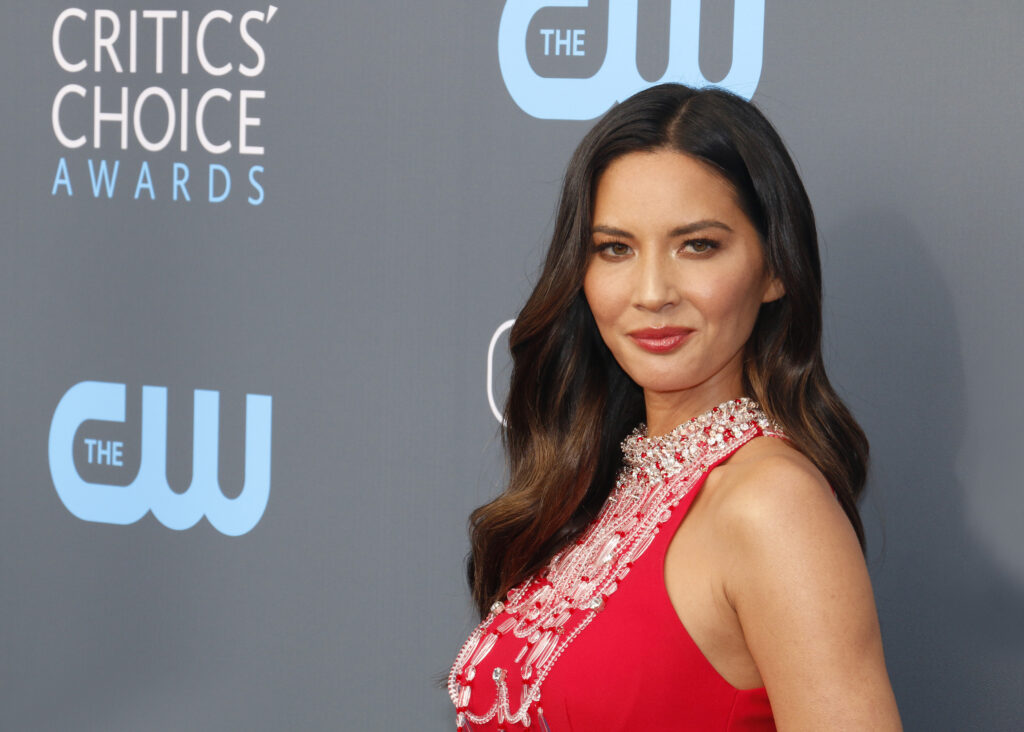
The actress opens up about navigating treatment, toddlers, and the unexpected emotional weight of physical limits during recovery
When Olivia Munn’s young son Malcolm reached up and asked to be held, she had to tell him no, and that single moment, she says, cut deeper than almost anything else she endured during two years of breast cancer treatment. The actress, now 45 and cancer-free, is speaking with new candor about what it truly means to parent through serious illness.
Munn sat down with People magazine at the press junket for her new series, Your Friends & Neighbors, to reflect on a chapter of her life that was as much about motherhood as it was about medicine. Her story resonates far beyond celebrity: in the United States, tens of thousands of parents receive cancer diagnoses each year while raising young children, and the emotional terrain Munn describes, the guilt, the physical limitations, the fierce desire to simply be present, is one many families know intimately.
A Diagnosis That Reshaped Everything
A breast cancer diagnosis in 2023 set off a grueling sequence of medical interventions for Munn. Between 2023 and 2024, she underwent five surgeries, including a double mastectomy, a lymph node dissection, an ovariectomy, and a partial hysterectomy. She went public about the diagnosis in March 2024, and has since been candid about the ongoing physical toll of post-treatment medications, describing the side effects as “really hard” given the aggressive nature of her cancer and her age at diagnosis.
All of this unfolded while she and her comedian husband, John Mulaney, were raising their son Malcolm Hiệp and, later, welcoming daughter Méi June via gestational surrogate in September 2024. The couple married in July 2024 in New York, with actor Sam Waterston officiating — a wedding that took place even as Munn was still navigating her recovery.
The Hardest Parenting Moment
For many parents managing illness, the cruelest losses are not the dramatic ones but the small, daily acts of care that suddenly become impossible. For Munn, that moment arrived when Malcolm wanted to be scooped up in her arms. Post-surgery physical restrictions made it impossible. She told People, “And I said, ‘Oh, I can’t pick you up,'” and described it as “probably one of the hardest things because all you want to do is pick up your baby.”
That inability to offer something as instinctive as a parent’s embrace captures a dimension of parenting through illness that rarely gets discussed: the grief over ordinary gestures that become out of reach, even temporarily.
John Mulaney As A Partner And A Lifeline
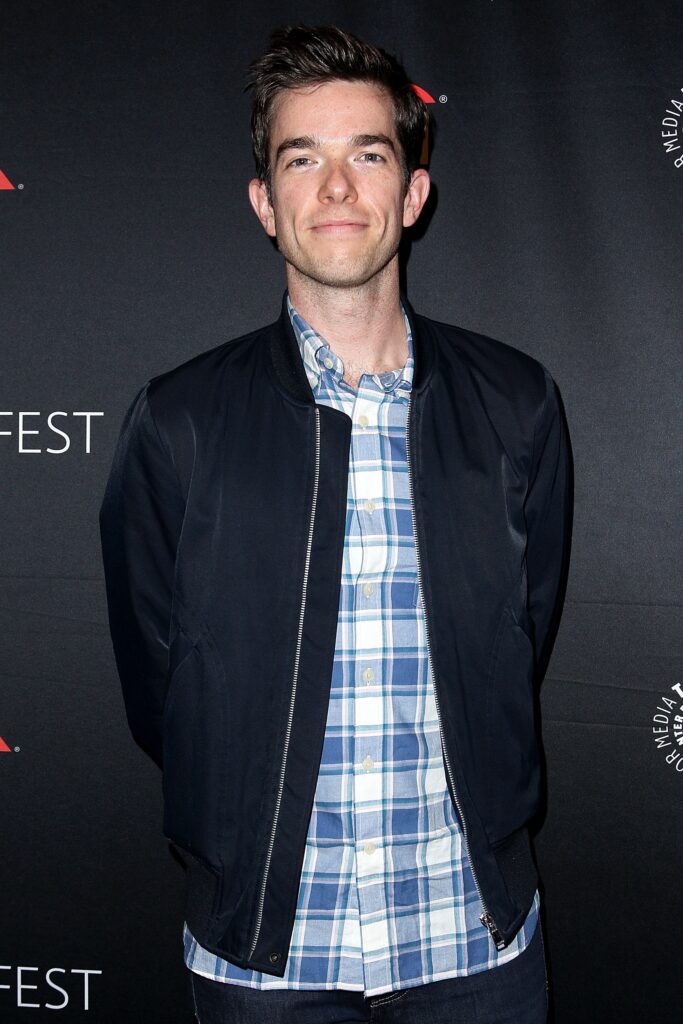
Munn has been consistent in crediting her husband as the family’s anchor during her treatment. She told People that facing the ordeal without him “would’ve felt like climbing an iceberg.” But Mulaney’s support went beyond logistics. Speaking to CBS Sunday Morning, Munn described how he used humor as a coping tool for both of them, making what she called “inappropriate cancer jokes” to defuse fear during the darkest stretches. “It just made it not so scary,” she said. “It really helped change my mind at times, you know? Sometimes when I was really scared, we’d talk about it and we’d really get into all of the fears and his fears and then there’d be like a lull and then he would make a joke. And it would just all feel not so scary at that time. He’s the best.”
Research on family coping during parental illness consistently points to partner support as one of the strongest protective factors for both the patient and the children involved. Munn’s account reflects that dynamic in real, lived terms.
Finding Solidarity In Other People’s Stories
One unexpected source of comfort for Munn came from watching Princess Kate navigate her own cancer journey publicly. After Kate, Princess of Wales, announced in January 2025 that she was in remission, her words resonated with Munn in particular. Munn told People, “Kate Middleton had talked about this recently, and she said it so succinctly [and] it really touched me and gave me such a sense of peace, because I finally had words behind it.” She added, “That’s where it feels really good… when you hear other people’s experiences, because it is true — you feel so much better when you know you’re not alone.”
Kate had spoken publicly about the difficult period that follows the end of active treatment, the phase when the world expects a patient to simply resume normal life, but the body and mind are still catching up. Munn has echoed that reality, noting that post-treatment medication regimens for her type of breast cancer carry significant side effects that continue well after surgery is complete.
What Life Looks Like Now
Today, Munn describes a family life built around ordinary togetherness, the kind of day that might seem unremarkable to an outside observer but feels profound to someone who spent years uncertain about the future. She told People, “John and I and our two kids hung out at the house all day, and hung in the yard, and went to the beach, and we just did every single thing together.” She emphasized how much her children need both parents present at the same time, moving through the routines and the mess of daily life as a unit: “We just all do it, just the immediate family.”
For parents who have watched a family member manage serious illness, or who are doing so right now, Munn’s framing of those beach days and shared meals as something worth protecting is a reminder of what recovery can look like when it goes well — and what is worth fighting for when it feels impossible.
Why This Story Matters For Families
Parental cancer diagnosis affects children in ways that extend well beyond the medical. Studies have shown that young children whose parents undergo cancer treatment are at elevated risk for anxiety, behavioral changes, and disrupted attachment, particularly when physical caregiving is interrupted. The openness with which Munn discusses the emotional complexity of parenting through treatment and recovery gives language to an experience that many families struggle to articulate.
She is also notably still in the thick of it. Despite being cancer-free, Munn has been clear that ongoing medication and its side effects remain exhausting. The post-treatment phase, what Kate described as finding a “new normal,” is not a clean finish line but a continuing process. For any parent currently in that liminal space, Munn’s willingness to say so out loud may matter more than any polished recovery narrative ever could.
As Munn returns to work and her children grow, the story she is telling is still being written, and for the many families navigating illness alongside parenthood, her next chapter will be worth watching.