

The rock star’s no inheritance stance is shared by a surprising number of celebrities and everyday parents alike
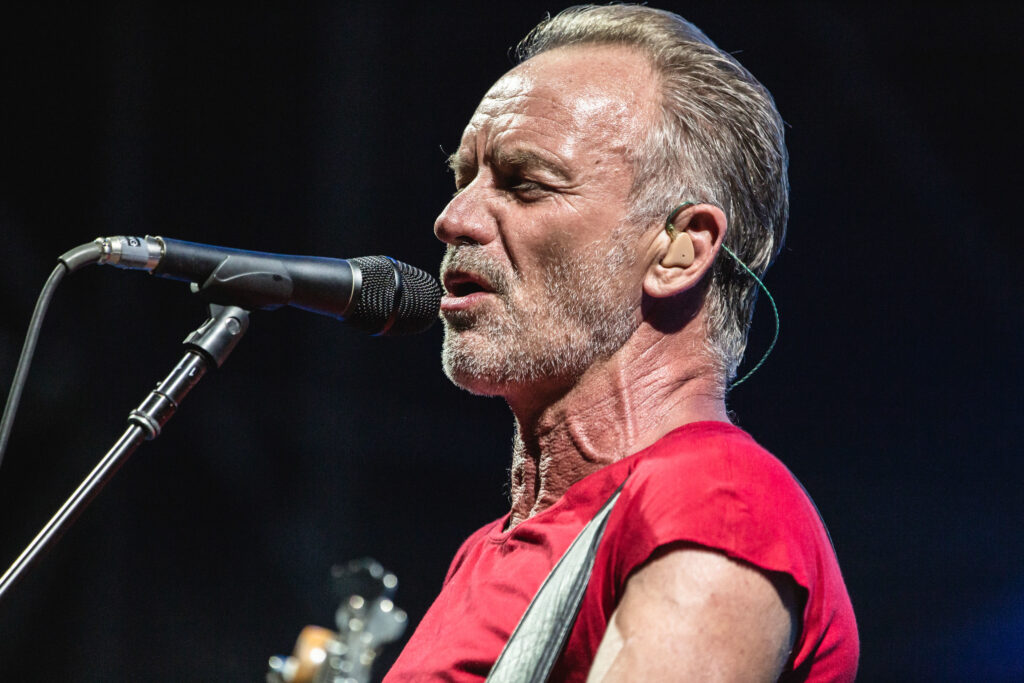
Sting is standing firm on one of his most debated parenting decisions: his six children will not inherit his fortune, and he has a pointed word for parents who do hand everything over.
Telling his kids they never have to work, he told People, is “a form of abuse that I hope I’m never guilty of.” It is a strong word, but the rock star is far from alone — and the research suggests his instinct is widely shared.
The former Police frontman has held this view for years, but his latest comments carry genuine warmth alongside the firmness. He told People his children are “blessed with this extraordinary work ethic,” suggesting the approach has already produced the outcome he hoped for.
In an earlier interview, Sting was candid about the financial reality his children actually face. He has told them there won’t be much left because he and his wife intend to spend what they earn, adding that he never wanted to leave them trust funds he described as “albatrosses round their necks.” His children, he noted, “rarely ask me for anything, which I really respect and appreciate.”
A Celebrity Chorus Against The Silver Spoon
Shaquille O’Neal has been equally blunt with his own children. “My kids are older now. They’re kinda upset with me. Not really upset, but they don’t understand,” O’Neal told Business Insider. “I tell them all the time. ‘We ain’t rich. I’m rich.'”
He wants his children to earn degrees and present formal business plans before he considers investing in their ventures. Warren Buffett has long argued for leaving children enough to do anything but not so much that they feel no need to do anything at all. Anderson Cooper told E! News, “I don’t believe in passing on huge amounts of money,” citing his own upbringing as the source of that conviction.
George Lopez’s daughter, Mayan Lopez, offered a perspective that reframes what inheritance can actually mean. Though she told People she won’t be receiving a financial inheritance, she described what she did receive as “wonderful gifts” — chief among them the lesson to work as hard as she can at her craft.
Akon, Tyler Perry, and Laurene Powell Jobs have made similar public commitments, each framing the decision as an act of love rather than withholding. Author Bill Perkins, in his book Die with Zero, argues that inheritances are “useless by the time they’re received” and that giving money earlier in a child’s life is the smarter and more loving choice.
What The Data Actually Shows
The instinct these parents are acting on turns out to be surprisingly common. According to HSBC’s Future of Retirement research, one in four American parents plan to spend down their savings entirely rather than leave money to their children, while only 9 percent are actively saving as much as possible to pass on. The study drew on responses from 16,000 working adults aged 25 and older across multiple countries, with 1,000 respondents based in the United States.
Indonesia leads the world in inheritance-minded parents at 28 percent, while only 5 percent of British parents treat it as a financial priority. The United States sits in the middle of the global range.
Perhaps most telling is what wealthy American parents actually think about their own children’s readiness. A U.S. Trust Insights on Wealth and Worth study of 640 high-wealth individuals, those with $3 million or more in assets, found that nearly half believe their children won’t have the maturity to responsibly manage family wealth until they are past age 35.
The top reason wealthy parents cited for not disclosing how much money the family has? Concern that the knowledge would negatively affect their children’s work ethic, cited by 34 percent of respondents.
The Psychology Behind The Decision
What makes Sting’s framing so striking is the word he chose: abuse. The underlying concern, that unconditional financial security removes the friction that builds character, resilience, and purpose, is one that affluent parents and financial psychologists have wrestled with for decades.
The fear isn’t simply that children will become lazy. It’s that removing the need to strive can hollow out a person’s sense of identity and self-worth before they’ve had a chance to build either. The Mayan Lopez example is instructive here: a values legacy, it turns out, may outlast a financial one.
What This Says About Modern Parenting

Most parents reading this are not sitting on a $300 million fortune, but the underlying question is universal: how much financial cushion is helpful, and at what point does it become a crutch? The HSBC data suggests American parents are already wrestling with this in real time, with the majority choosing a middle path rather than either extreme. For families thinking through their own approach, the conversation Sting is modeling, direct, values-driven, and started early, may matter more than the dollar amount.
His children, by his own account, have developed strong work ethics and rarely come asking for handouts. Whatever one thinks of the no inheritance stance, that outcome is hard to argue with. If you are looking for ways to instill those values early, exploring how Pixar films model financial and personal responsibility for children can be a surprisingly useful starting point for family conversations.
Sting’s comments land at a moment when intergenerational wealth transfer is one of the defining financial topics of the decade. The fact that a rock star, a basketball legend, one of the world’s most celebrated investors, and a quarter of ordinary American parents are all arriving at similar conclusions suggests this isn’t just celebrity philosophy.
It is a genuine cultural reckoning with what we owe our children, and what we might actually be taking from them when we give them too much too soon.

