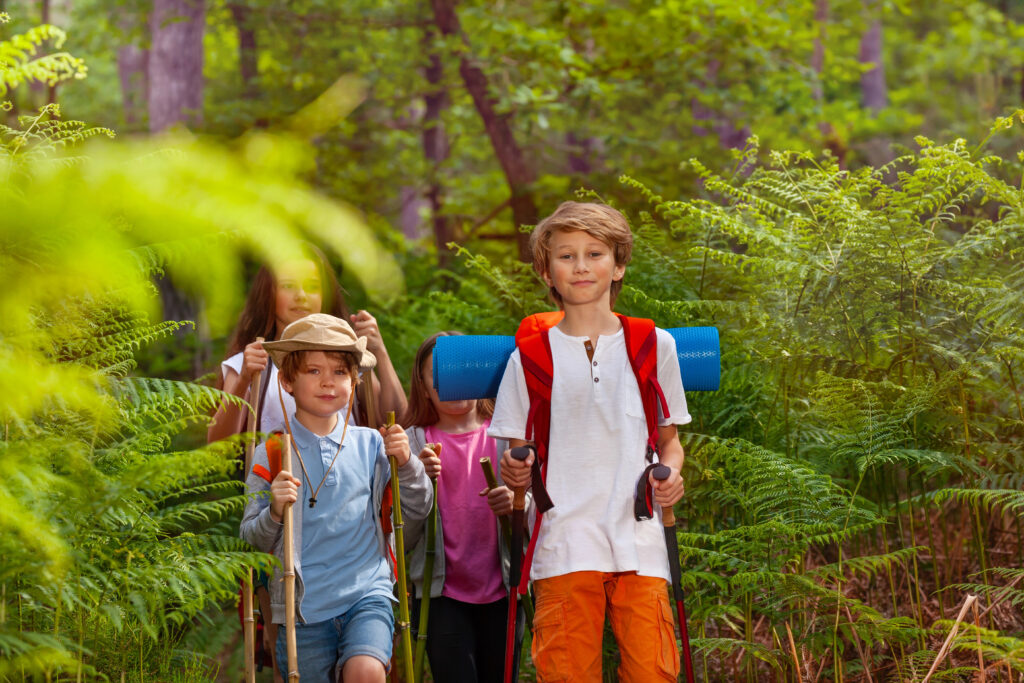
Once the warm weather hits, it’s prime hiking time. The sun sets later in the day, the plants are in bloom, and you don’t need to put on multiple layers to stay warm. Hiking is a fulfilling way to be active and get outdoors. Even better, you don’t need to live in a mountainous terrain to go for a hike. Many metroparks or national parks have countless trails for all levels.
As enjoyable as hiking is, hiking with children takes a different level of preparedness. Parents can confirm that kids tend to get bored easily, veer off track, and need to use the bathroom at inopportune moments.
Bringing the whole family doesn’t need to be a taxing experience, however. Once you keep a few key factors in mind and prepare for the expected and unexpected, hiking with kids can be an amazing experience with amazing benefits.
First Things First: Safety
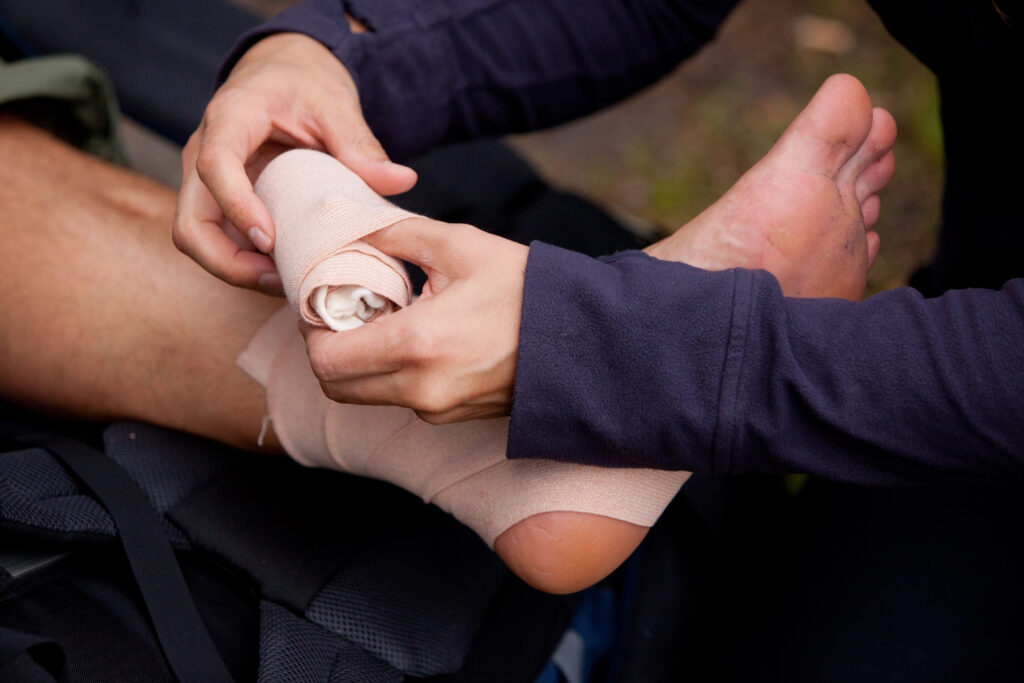
The most important thing to keep in mind before hopping on the trails is safety. Whether you’re spending an hour exploring a local park or heading to the Rocky Mountains, safety should be a top priority.
Possible Safety Precautions:
- Self-Defense Sprays (Mace, Bear Spray, etc…)
- Proper Clothing (pants for ticks or poison ivy, etc…)
- Navigation apps for following proper trails
- Headlamp (in case exploring caves or in the early evening)
- Carry portable phone chargers
- Sunscreen and bug spray
- First Aid Kit Essentials
- Swiss Army Knife
With these precautions in mind, choose the ones that speak to you or make the most sense for your hike. Putting safety aside, there are a few final things to keep in mind before enjoying a hike with your kids.
Some Things to Keep in Mind:
- Is your expected hike a long or short one?
- At what age do you want to start hiking with your kids?
- Do you want paved or natural trails?
- Don’t forget cleaning supplies (antibacterial wipes) for after your hike.
- Bring extra clothes to keep in the car for after the hike.
- Are you camping too, or just hiking?
Once you decide on the type of hike you’re looking for (and gather the necessary safety items), it’s time to pick up your kids and hit the trails.
Dress Appropriately
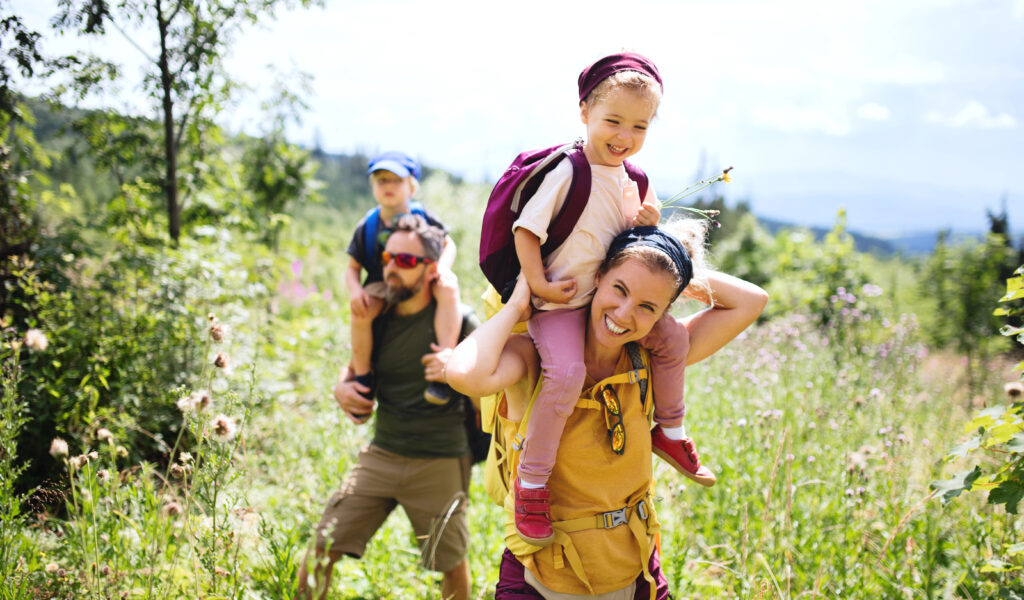
The key to a successful hike with kids is dressing appropriately. The last thing you need on a day outside with limited resources is your child saying they’re too warm, too cold, too wet, or uncomfortable.
As the saying goes, “There’s no such thing as bad weather, just bad clothing.”
For kids, they should be excited to go on a hike, and sometimes that means being elated to wear their new hiking gear. If your kids are anything like mine, they may want input in what they’re wearing for their big adventure.
An important reminder for parents is that you’re not only dressing your child for the elements; you’re also dressing them to protect them from insects, dirt, and sun.
What to Wear for Warm-Weather Hikes
- Breathable Shirts
- Convertible Pants (cargo pants that can be converted into shorts) or,
- Athletic Compression Pants or,
- Shorts Paired with Tall Socks
- Lightweight Jacket or Sweatshirt
- Hiking Boots or Shoes with a Solid Grip with Laces
- Extras: Hat and sunglasses
More importantly, your little ones will see you with a backpack or carrier and want one for themselves. Give each child their own small hiking backpack. Let them put some snacks and drinks in there for their big day outside.
In case you’re planning a winter hike, some essentials can be found below.
What to Wear for Winter Hikes
- To keep your little ones warm and comfortable, they’ll need a base layer and an insulating layer under their coats.
- A Waterproof Coat
- Hiking Boots or Shoes with Spikes
- Extras: Gloves, Hand Warmers, Scarf, Hat, Earmuffs…
Things to keep in mind: Always choose clothing that’s easy to get on and off, and opt for breathable materials that won’t overheat or prevent movement from your child. They will most likely have to go to the bathroom on their hike, and making that as easy as possible for them will make your life easier.
Pick The Right Time
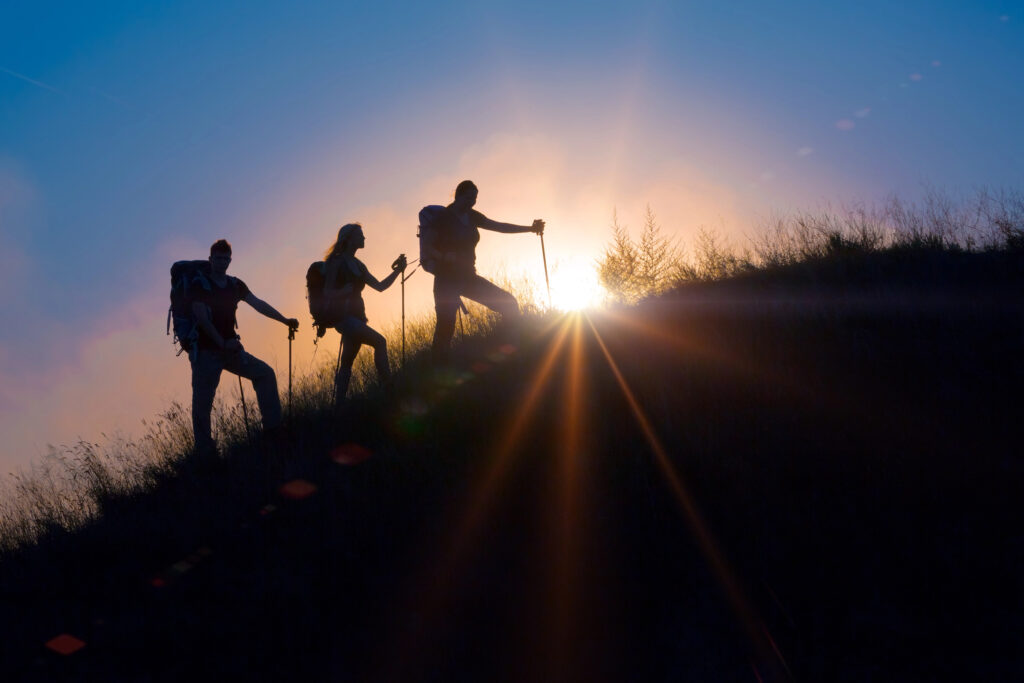
The time of day can make or break your hiking experience, but it’s all up to personal preference. Some families enjoy hiking to see the sunrise, while others enjoy a short hike to see the sunset. When hiking with kids, however, it’s best to go earlier in the day.
Perks of Hiking Early
Cooler Temperatures: Hiking earlier in the day brings cooler temperatures, which can be refreshing when you or your kids are sweating. You’re also missing the hottest part of the day (middle of the day), which is beneficial if your little ones don’t like getting hot. The heat tends to make you slow down, which can lead to chaos with kids.
Lower UV Exposure: If you start your hike early in the morning, you theoretically could be done by mid-afternoon. This means you and your family miss high UV exposure from the sun. Hiking early gives you the chance to enjoy yourselves without the fear of getting sunburnt.
Kids’ Behavior: It’s been reported that children are more alert, attentive, and receptive in the morning — especially after eating a healthy breakfast and proper bouts of activity. Because of their natural energy in the morning, they’re less likely to be cranky or have meltdowns. Toddler tantrums, meltdowns, tiredness, and beyond all tend to happen in the afternoon (especially if your kids are still napping) or close to bedtime. To negate poor behaviors, start your hikes early.
The Power of Nature: Nature also tends to be calmer in the mornings. The sun’s golden hour of light makes hiking beautiful. Flowers are starting to perk up, and animals are most active early in the day.
While hiking earlier in the day is best with kids, there are a few perks of hiking in the evening.
Perks of Hiking Later in the Day
Slow Mornings: Hiking later in the day lets your kids start the day more slowly, without the rush of alarm clocks. On the flip side, hiking later in the day allows for post-school adventures. With most schools getting out for the day in the early afternoon, nothing is stopping you from going on a family hike before dinner.
Golden Hour: As the sun goes to sleep for the day, golden hour casts a gorgeous glow. It then leads to a sunset, which could be the peak of your hike.
Animals: Like hiking early in the morning, animals are also active around dusk. This could be an exciting part of the hike for kids who want to see deer, birds, rabbits, and beyond.
When hiking with kids, your best bet is completing the hike by noon or early afternoon, before witching hour strikes. After your accomplished hike, you can head back to the car, change into clean or dry clothes, and hydrate before your next adventure.
Pace Is Everything
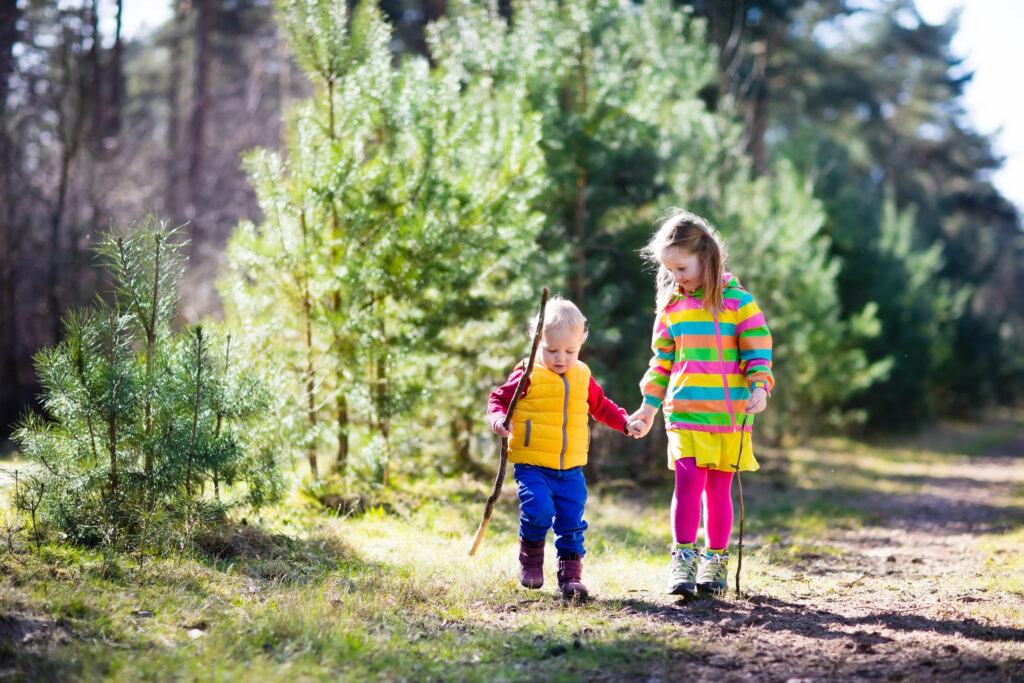
Setting the walking pace is an underrated part of the adventure. Although everyone will likely be excited to start the hike, it’s best to begin calmly at the child’s pace.
- Kids have shorter legs, making it harder for them to keep up with an adult’s stride.
- Let your kids set the pace so they don’t tire too quickly.
Kids don’t always realize they’re tired or need a break until it’s too late, which is why slowing down to monitor their energy is a good idea. Don’t stress too much about the end goal of the hike, and instead, focus on the adventure.
Teach And Explore
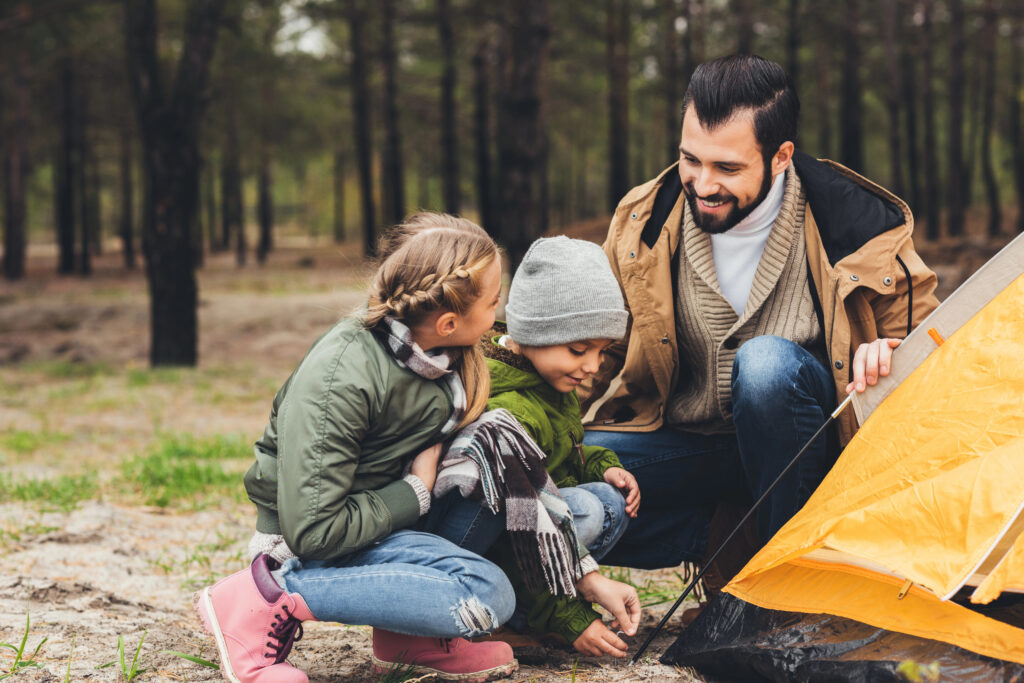
Kids are bound to get bored more quickly than adults, even when doing something as engaging as hiking. Children are neurologically incapable of having the same patience or understanding as adults since their brains are still maturing and evolving.
To keep your kids engaged during the hike, try teaching them about nature as you explore.
Tracks: Teach your kids about the different tracks they may encounter during the hike. If you’re unsure which animal left the track, take a picture of it and ask AI to help decipher what animal it could be.
Smells: Hiking is a great time to focus on the senses. Ask them what scents they smell, especially when approaching different plants and trees.
Trees and Plants: Get to know the popular trees and plants in your region, then look for them on your hike. How much fun would it be to identify different trees and plants by examining their leaves or berries?
Birds: Not only can you identify different birds after seeing them or collecting their feathers, but you can also try to recognize different breeds of birds by their songs.
Camouflage: Countless animals and insects use the art of camouflage. Ask your little ones to look for spider webs, baby animals, birds, snakes, and other insects that use camouflage to make it out alive in nature.
Once nature topics run out, try asking them questions about school, their friends, and common interests to keep the conversation light-hearted and engaged while hiking. Kids tend to get excited when talking about things they’re passionate about, like their friends or hobbies, which could add a little pep in their step during the hike.
More Fun Ways to Keep Kids Engaged:
- A game of “Eye Spy.”
- Playing “Red Light, Green Light” on the trails
- Singing songs
- You can never go wrong with snacks!
- Bring a picture map that kids can check off after seeing the pictures in nature.
If You Can, Be Consistent
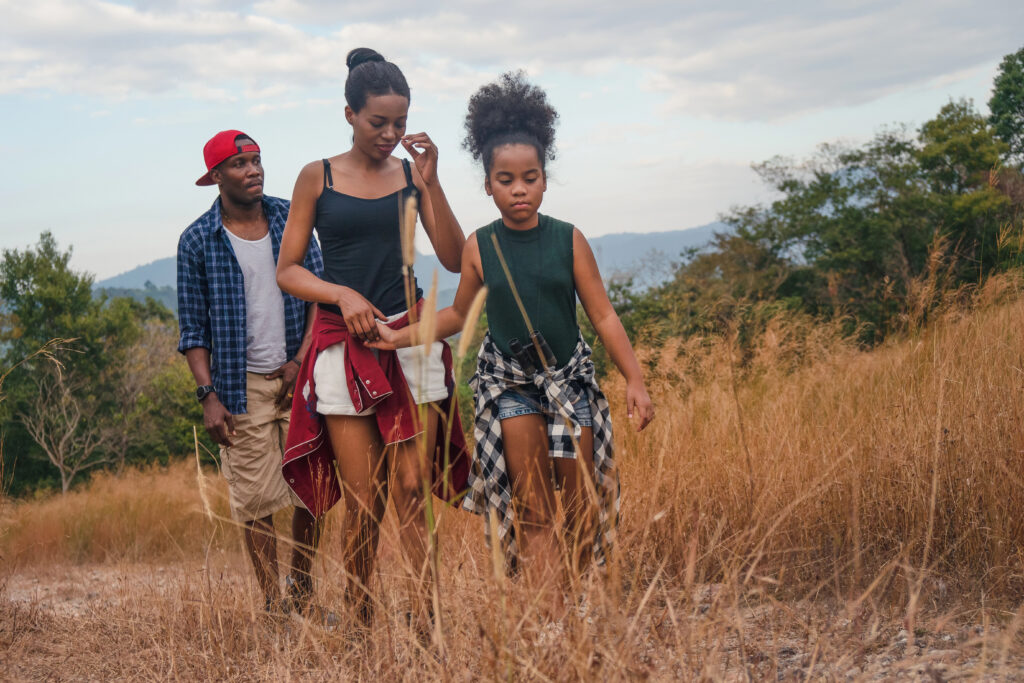
If you want your kids to be impressive hikers who are confident and happy on the trails, be consistent. Like anything in life, you get better at something the more you practice. The same can be said for hiking. The more you practice short hikes, the more you become adjusted to and optimistic about longer hikes.
However, it’s not just the kids who need practice staying focused on the trails; it’s parents, too. Getting everything together for a hike takes focus.
- Is everyone dressed properly?
- Are snacks and drinks packed?
- Will the weather hold out?
- Are the safety precautions in place?
- Does the timing work?
- Is the trail the right loop for your family?
A lot goes into a family outing, even something as simple as a hike. Being consistent with hikes or long walks will make things easier the more you do it.
- Stamina builds
- Instincts kick in
- Muscle memory
- Balance develops
Hiking can become an amazing hobby for your family, and something your kids look forward to. It’s an outdoor activity that can be done year-round in large National Parks or community trails. Be consistent, be prepared, and let your kids set the pace for an exciting day outside.