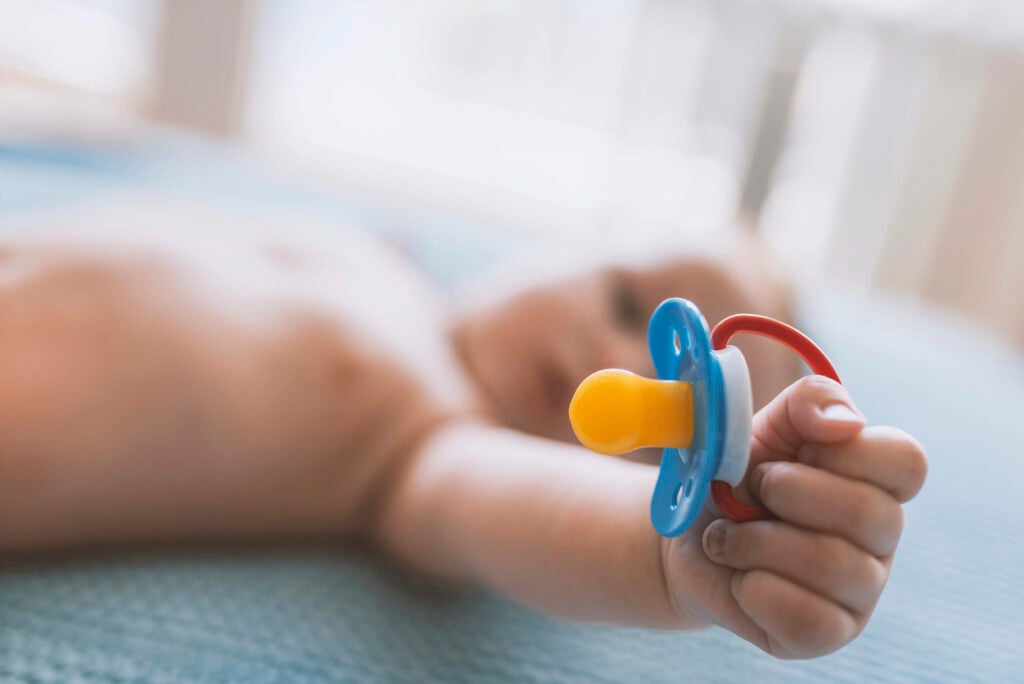
Pacifier, binky, bink, ninny, dummy… whatever you call it, the soother is a necessity for countless families of babies and toddlers. Dr. Harvey Karp explained that babies love pacifiers because of the sucking reflex. The reflex reminds them of being in the womb and can lower a baby’s blood pressure, heart rate, and stress levels. The pacifier encourages the sucking motion because of the feel and shape of the nipple.
Instinctually, there are two different forms of sucking that babies latch on to: Nutritive and Non-Nutritive sucking. Nutritive is when babies suck to gain nutrients from milk, while the latter is when babies suck for comfort. Toddlers are known for non-nutritive behaviors as a means to feel safe.
Eventually, however, it’s time to say goodbye to the pacifier and hello to a new life where comfort is gained in other forms. Experts relay that losing the pacifier can be done in multiple ways; it just depends on the parenting style.
From cold turkey to a slow wean, this guide shares how and when it’s time for your child to lose the pacifier, how to do it, and the perks and drawbacks.
First Things First: How Do You Know It’s Time?
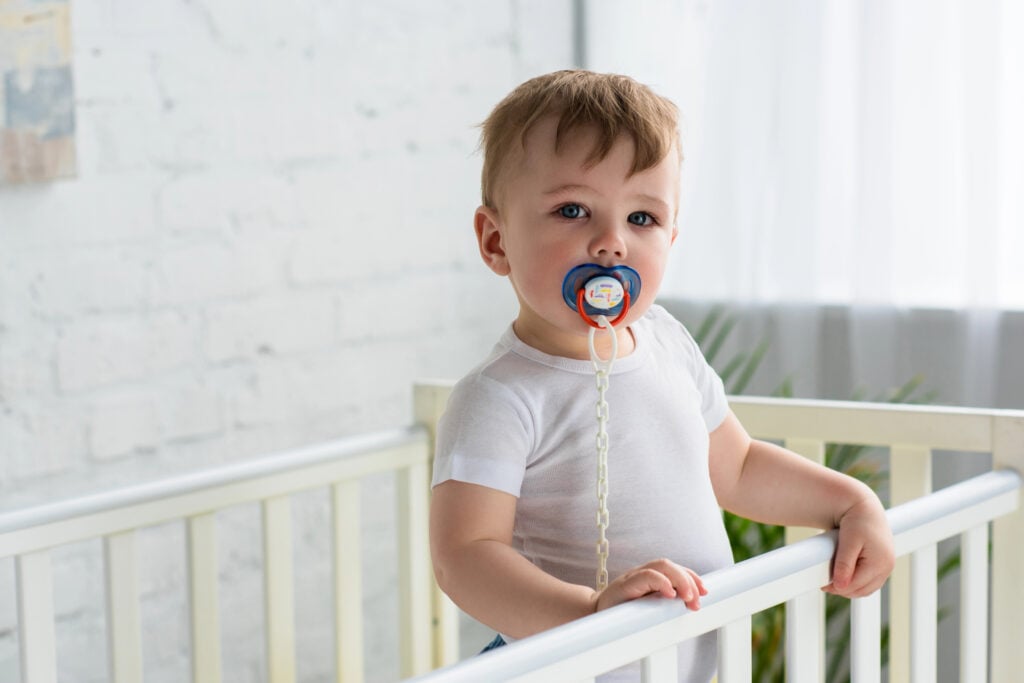
When my firstborn was a month old, I gave her a pacifier for the first time, and it was like a lightbulb went off for her. She realized she could soothe without being attached to my chest. Her comfort with the pacifier allowed for calmer car rides, more time to get ready for the day, and fewer meltdowns. When she turned two, however, my husband and I knew that it was time to slowly step away from the “bink.”
But how does a parent know it’s time?
Personally, I realized she was chewing on the pacifier nipple and seemed to only appreciate the textures. My husband and I agreed that we would slowly get rid of “bink,” and by 3 years old, it was a new chapter for us.
The American Academy of Pediatric Dentistry says that babies should wean off their pacifiers by the time they’re 18 months old, 3 years old at the very latest. According to experts at Children’s Mercy, using a pacifier past 18 months could negatively affect the growth of a child’s mouth, such as their teeth or bite.
So, whether your child has reached a particular age limit or you’re noticing changes in their mouth, they should move away from pacifiers by the time they’re 3 years old. Once you know when you’re going to get rid of the pacifier, the next step is a game plan to make things simple for the child.
What the Experts Say: “Using a pacifier too much after 18 months can change how your child’s teeth and mouth grow. It might cause problems like an open bite or a cross bite. It can also make it harder for your child to chew food or talk clearly.”
Pacifier Myths
Like anything in parenthood, there are a few myths that circulate about pacifiers. Over time, concerns and misinformation spread, leading to some myths surrounding a child using a pacifier. Luckily, some well-educated experts debunked these popular myths:
Pacifiers Ruin Teeth: One of the biggest myths is that a baby sucking on a pacifier will destroy their root development. However, experts shared that a baby’s mouth is so malleable that any changes that the binky could have made in two years would eventually correct themselves. A child’s teeth won’t be affected unless they continue the pacifier well into toddlerhood.
Breastfed Babies and Pacifiers: There’s a longstanding rumor that breastfed babies shouldn’t be given pacifiers because of nipple confusion. However, the AAP notes that breastfed babies most certainly can enjoy pacifiers, but they generally should be given after a baby is three or four weeks old. This gives the baby ample time to spot the difference. As long as mom’s milk supply isn’t low and the baby’s weight is increasing, breastfed babies can enjoy pacifiers.
Gentle: Slowly Wean
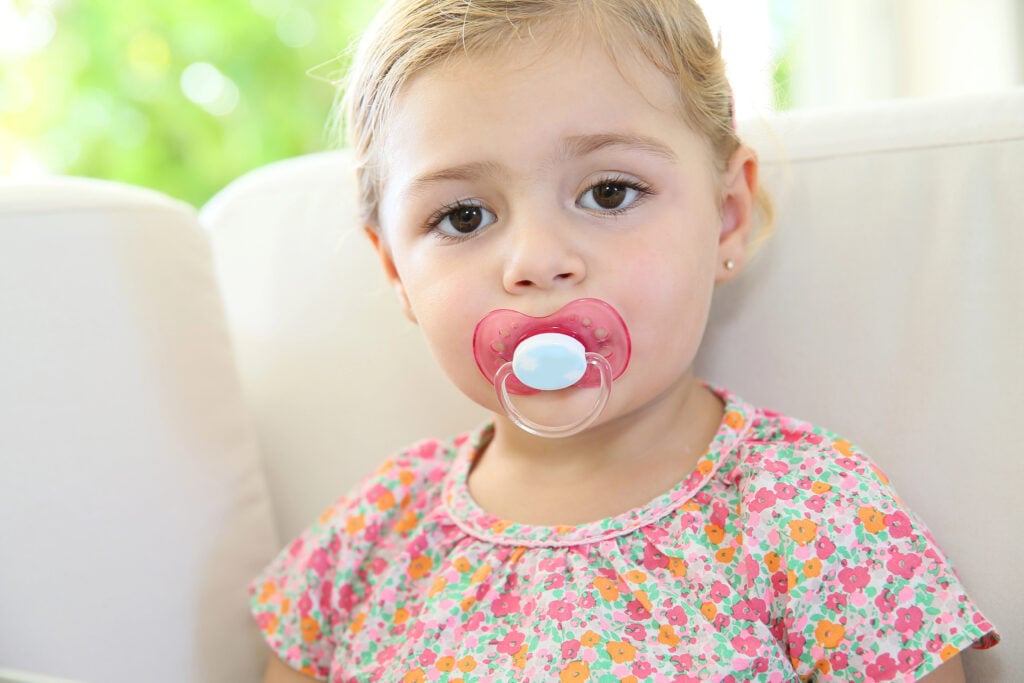
If you subscribe to gentle parenting, weaning slowly is an approach that may come naturally. Slow weaning is a slow step-by-step process of eliminating your child’s pacifier so that they slowly build strength and independence without leaning on a pacifier for support.
Before weaning, it’s important to know when your child uses their pacifier or relies on their pacifier the most.
Step 1: Collect all of the pacifiers in your home. Know where they are and only give your child access to a few of them.
Step 2: Gently warn your child that pacifiers aren’t forever and that one day, they won’t be around. The conversation may be a hard one at first, but they’ll eventually come around to the realization.
Step 3: Only give the pacifier for nap time, bedtime, or car rides. A few weeks of only having it for specific times of day will become their new normal.
Step 4: Then, only allow the pacifier at bedtime or naptime. The pacifier is no longer something that your child can have for every moment of relaxation.
Step 5: The final step can either be taking the pacifier away completely or making the pacifier small. A smaller pacifier than what your child is used to may shift enough for your child to not want it. Try using a pacifier made for younger ages.
How long the process takes depends on your patience and your child’s acceptance. Give yourself a believable timeline between one and three weeks.
What the Experts Say: Dr. Mona Delahooke champions a gentle weaning plan, advising parents to make sure their child is developmentally ready before saying goodbye. “Avoid making a shift during a time of transition or stress (such as moving or changing schools). Instead, opt for a time when you are available to engage in relaxed play with the child. Joyful engagement eases stress.”
Cold Turkey: Quick & Dry
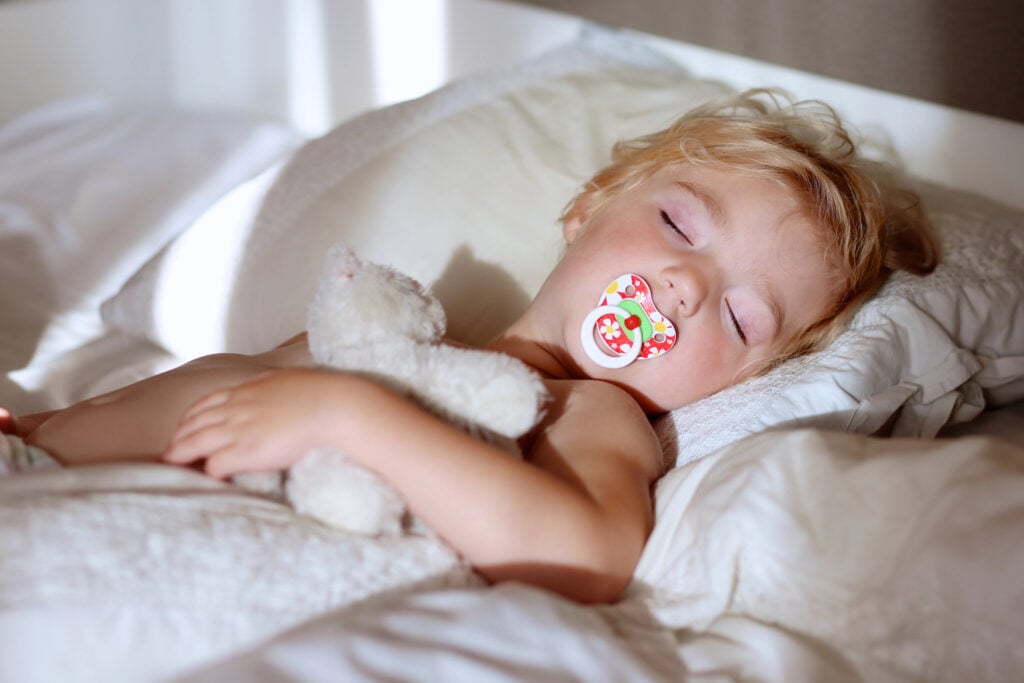
If taking the slow approach to getting rid of the pacifier isn’t what’s best for you or your child, perhaps doing it cold turkey is the right solution.
Remember to have patience during this hard time. Dropping the pacifier cold turkey is a hard transition for kids, and they’ll need extra support from their parents.
Step 1: With your child, talk to them about their pacifier. Explain that while they love their pacifier, it’s time to say goodbye. Let them know that the following day will be a new beginning without the pacifier’s help.
Step 2: When you’re ready, gather all of the pacifiers that you can find and keep them out of sight. Without having them around the house or car, there will be less of a desire. Out of sight, out of mind.
Step 3: Show other signs of comfort. Without having a pacifier to rely on during hard or tired times is a transition for kids. Be their source of safety, read books about it, and offer stuffed toys.
What the Experts Say: Medical professionals at Healthline shared other ways of comfort that may help.”You may want to offer some other form of stimulation: a mobile, a rattle, or a swinging chair. If teething seems to be an issue, offer a teething ring or cold washcloth instead.”
Grab The Scissors
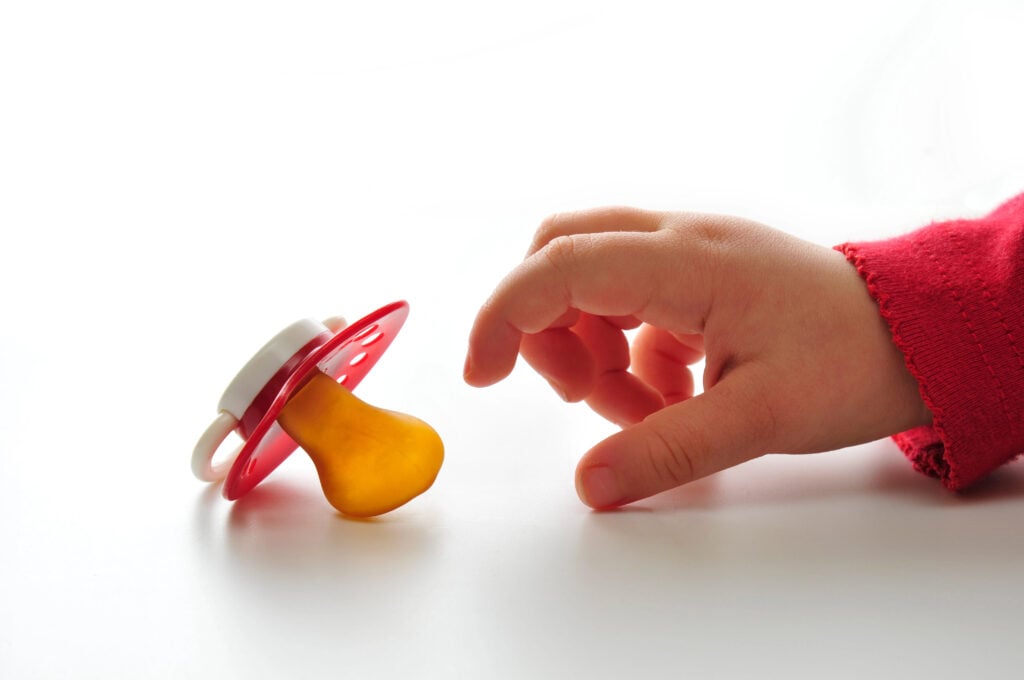
The scissor method could be used whether your child is slowly weaning or dropping the pacifier cold turkey. Rebecca Dixon, M.D., explained that snipping the pacifier nipple is one of the easiest ways to wean your child from their pacifier.
Dr. Dixon suggested introducing a form of comfort before taking away or snipping the pacifier. This way, your child will already have something handy to console during hard times. When you’re ready, grab scissors and make a small snip in the nipple. “This makes the pacifier harder and less satisfying for kids to suck on, so they eventually lose interest,” Dr. Dixon stated.
Making a small snip or cutting the top off the pacifier doesn’t allow your child to get the same comfort from sucking, which can lead them to no longer look for their pacifier.
What the Experts Say: “The earlier you start weaning, the better. Otherwise, the habit becomes more ingrained, and you’ll have a harder time taking the pacifier away.”
Fun Ways To Say Bye To The Pacifier

Saying goodbye can be just as emotional for the parents as it is for the kids. Moving away from the pacifier means your child is getting older, and that can bring a lot of emotions to a parent who is used to seeing their sweet little one with a pacifier attached.
When you and your child are ready to say goodbye to the pacifier, you can turn it into a fun moment, instead of an emotional one.
The Binky Fairy or Paci Fairy: Once my daughter turned 3 years old, my husband and I told her that the “Bink Fairy” was coming to take her binkies and give them to other kids who needed them a little more. While upset at first (she didn’t want to share), she soon got excited that a fairy was coming to the house to share something she loved so much.
We caved and shared that in exchange for her binkies, the Bink Fairy would replace the binkies with a small toy for her gratitude. In the end, our daughter was so excited at the idea of fairies, sharing, and a gift that she didn’t care about saying goodbye to something she was so attached to for three years.
Pacifier Lolipop Garden: Another fun way to say goodbye to your child’s pacifier is through a “Pacifier Garden.” Explain to your child that it’s time to say goodbye to their pacifier, and in exchange, lollipops will grow from the ground. Have your child dig a hole in the ground, bury the pacifiers, and prepare for lolipops to grow! The following day, adults can remove the pacifiers and stick lollipops into the ground instead, making it look as if their pacifiers turned into candy.
Validate Their Feelings When Sadness Kicks In
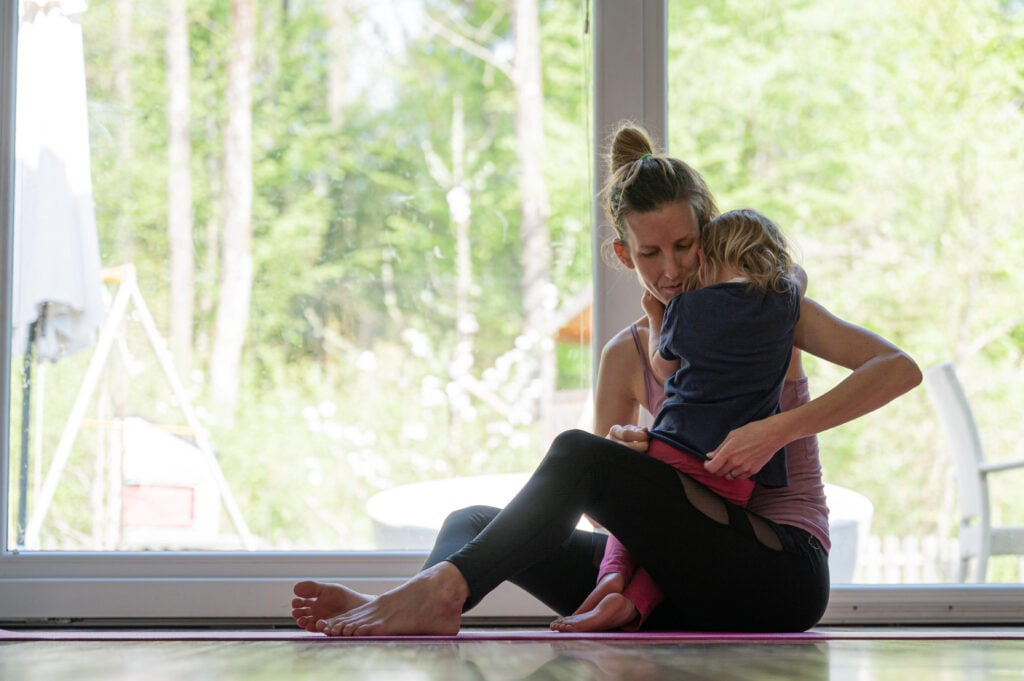
Letting go of something as calming as a pacifier can be hard for a toddler. The transition of no longer having a crutch during hard times is a hard one to get used to. Parents should prepare for a hard week as their child gets used to their new normal.
One of the biggest sources of comfort for parents is validating their child’s feelings. After all, they want to be heard and understood during trying times.
Experts at Big Little Feelings offered some insight on how to respond to your child who is openly missing their pacifier. Parents need to be understanding and comforting, as it’s a big change for kids.
- Acknowledge their feelings
- Openly describe how they’re feeling
- Remind them they have a new source of comfort (stuffie, a blanket, etc…)
- Hug them.
At the end of the day, kids just want to be heard, understood, and respected during hard times. The first couple of days without a pacifier are hard, but eventually, your child adapts and accepts their new normal.
What the Experts Say: A great response could be, “I hear you’re missing your paci. You’re feeling sad, and it’s okay to feel sad. You gave them to the paci fairy and now you have this toy.”