

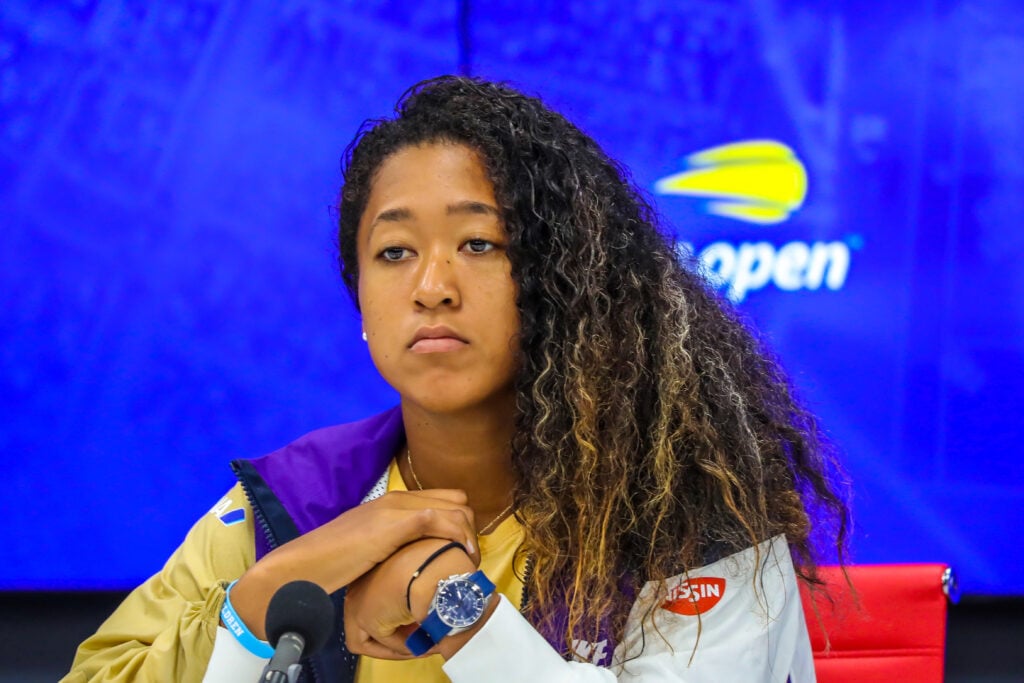
The tennis champion’s candid words about raising daughter Shai while competing at the elite level reflect pressures millions of working parents know all too well.
Naomi Osaka, a four-time Grand Slam champion, is speaking with rare candor about the weight of raising her daughter Shai, born in July 2023, while maintaining one of the most demanding careers in professional sports — telling People Magazine the experience has been “really tough” as she navigates the pressures of motherhood alongside elite competition.
Her honesty lands at a moment when researchers, mental health advocates, and working parents everywhere are grappling with the same fundamental tension: how do you give everything to a career and everything to a child at the same time?
The short answer, as Osaka is learning, is that you cannot — and the science agrees.
What The Data Says About Elite Athletes And Mental Health
Osaka has never shied away from discussing her inner life. Her decision to withdraw from tournaments in previous years to protect her psychological well-being made global headlines and sparked a broader conversation about mental health in professional sports. Her latest reflections on motherhood add a new layer to that ongoing story.
The pressures she faces are not simply personal — they are structural and well-documented. According to research cited by the Centre for Addiction and Mental Health, a 2019 study found that about 35% of elite athletes report mental health concerns, with burnout, depression, and anxiety ranking as the top issues.
Female athletes, according to the same research, experience higher rates of mental exhaustion, sadness, and anxiety than their male counterparts. For a mother returning to international competition after childbirth, those baseline pressures do not disappear; they multiply.
The nature of elite sport intensifies everything. Athletes operate under expectations from coaches, fans, and themselves that are often impossible to meet. Add a toddler to that equation — one who needs consistent presence, emotional attunement, and physical care — and the cognitive and emotional load becomes extraordinary. Osaka is not simply managing a busy schedule. She is managing two full-time identities simultaneously, each demanding peak performance.
The Science Of Parenting While Building A Career
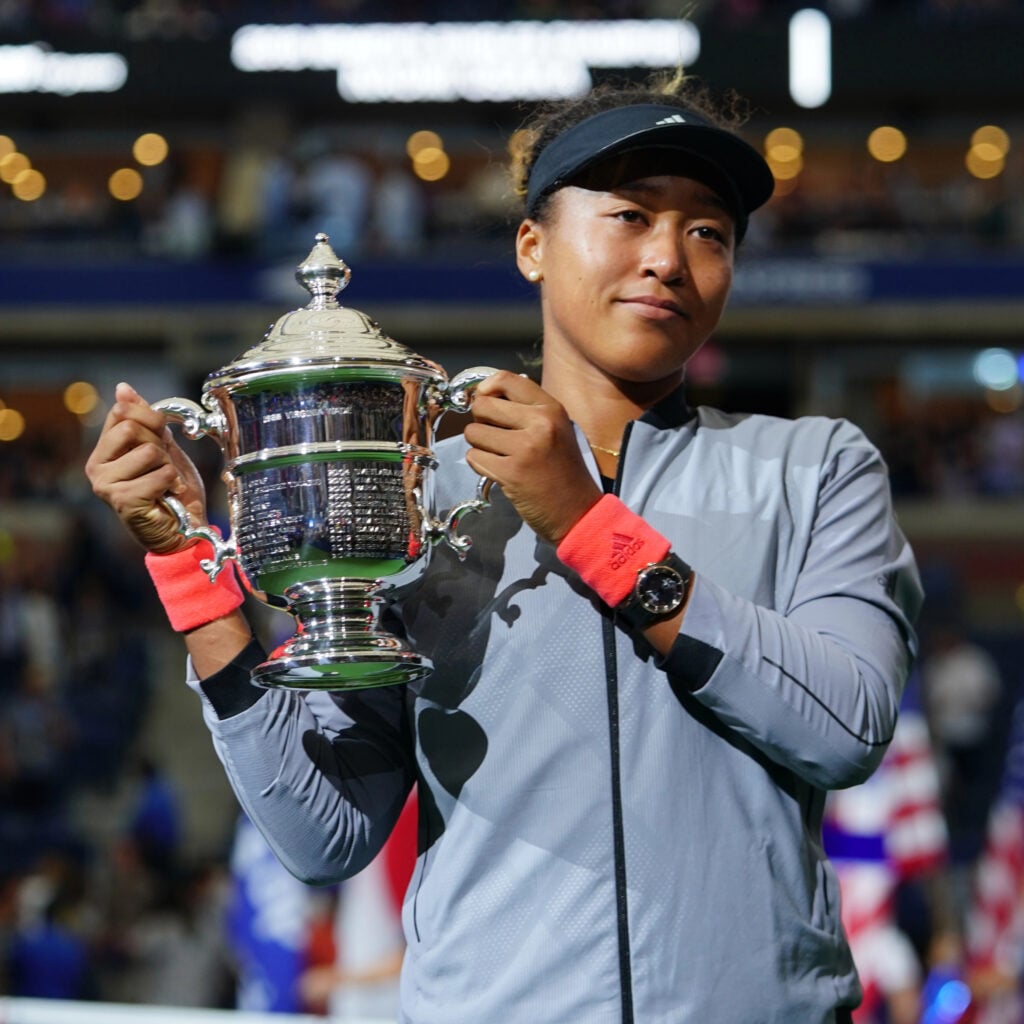
Academic research frames what Osaka is experiencing as a defining tension of modern working life. Scholar Ethelbert Dapiton, writing in a peer-reviewed study on the dynamics of parenting and work-family balance in the twenty-first century, put it plainly: “Parenting in the twenty-first century compels among working parents a great deal of effort and balancing act between having a family and at the same time maintaining a good career.”
That same research notes that the emotional, psychological, physical, and economic toll of the balancing act is universal, regardless of geography, income, or profession. The learning curve is steepest in the early years, when children require the most intensive care and parents are simultaneously trying to establish or sustain their professional footing. Shai is now approaching her second birthday, placing her squarely in that most demanding developmental window.
What makes Osaka’s situation distinct from most working parents is the sheer visibility of her career and the physical demands it places on her body. International travel, grueling training schedules, and the need to perform at peak capacity in front of global audiences leave little room for the flexibility that parenting research consistently identifies as essential for working mothers.
The Motherhood Penalty: A Structural Reality For Working Women
Beyond the personal challenge, Osaka’s experience reflects a systemic problem that researchers have been documenting for years. A scoping review published in PMC found that mothers in professional settings are routinely perceived as less committed and less competent than their childless peers, receive lower salaries, and are denied opportunities for advancement, a phenomenon researchers call the “motherhood penalty.”
Lead author Ana Calegari and colleagues wrote in that review, “In the workplace, mothers face a motherhood penalty, where they are perceived as being unfit for leadership roles, are evaluated as less competent and less committed to their careers, receive lower salaries, and are denied advancement opportunities.”
Professional sport is not a traditional office, but the underlying scrutiny is strikingly familiar. A mother returning to elite competition after childbirth faces questions about her fitness, her focus, and her dedication that fathers in the same sport rarely encounter with the same intensity.
The PMC review also found that on average, 24% of women exit the labor market entirely in their first year of motherhood, a statistic that underscores just how much structural pressure surrounds the decision to keep competing at all. Osaka’s continued presence on the tour is, in that context, a statement in itself.
Why It Matters
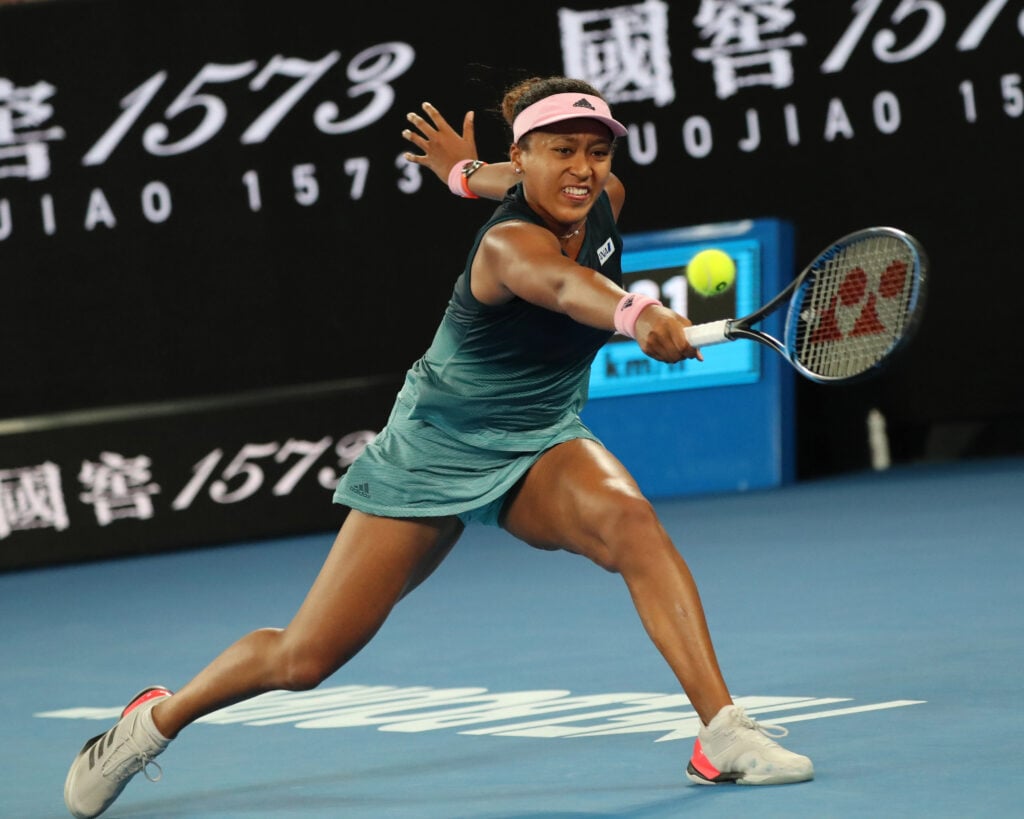
What stands out about Osaka’s candor is not that she finds motherhood hard, most parents do, but that she is willing to say so publicly from a platform that reaches millions. Working mothers, in particular, are often expected to perform effortless competence in both arenas simultaneously, and the cultural cost of admitting otherwise can feel steep.
When one of the most decorated athletes of her generation names the struggle out loud, it gives other parents permission to do the same. Her honesty off the court may ultimately matter as much as anything she accomplishes on it.
As Osaka continues to compete and raise Shai through these formative early years, her story is a reminder that the pressure to excel in every role at once is not a personal failing, it is a structural problem that deserves structural solutions, not just individual resilience.

