The Hip-Hop Star’s One Household Rule Touches On A Debate Parents Have Been Having For Years
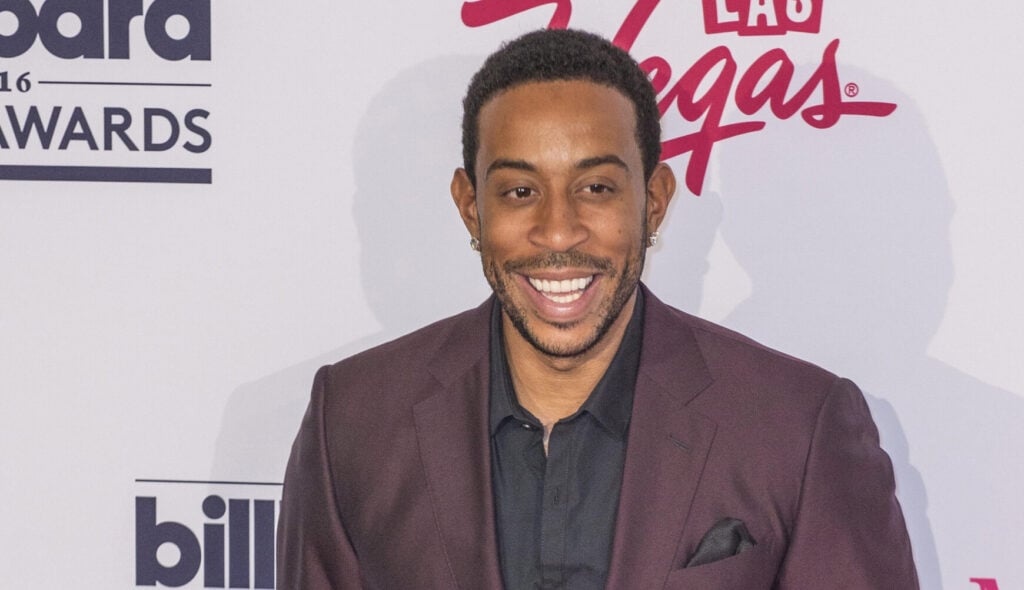
Rapper Ludacris, dad to four daughters, drew attention on the 2026 American Music Awards red carpet when he revealed a firm household rule: no explicit music, not even his own.
The moment is a candid window into a parenting challenge that millions of families navigate, and experts are divided on the best approach.
Ludacris’s One Rule At Home
On the red carpet at MGM Grand Garden Arena in Las Vegas on Monday, May 25, the 48-year-old Fast & Furious star told Us Weekly that his daughters only hear clean versions of his songs at home. “There’s all types of parental advisory,” he said. “You gotta listen to the clean versions of even my songs, clean versions.”
That rule applies to a household that includes daughters Karma Christine (25), Cai Bella (12), Cadence Gaëlle (10), and Chance Oyali (5), whose catalog of dad’s hits spans tracks like “Move Bitch” and “Pimpin’ All Over the World.” Despite the strict listening policy, Ludacris made clear he fully backs his kids’ own ambitions.
When asked whether he would support his daughters entering the music industry, he told Us Weekly, “Absolutely. I want them to pursue whatever dreams that they have.”
He also noted with a laugh that one of his girls is a devoted KATSEYE fan who was disappointed to miss the AMAs.
At the ceremony, Ludacris presented alongside GloRilla, handing BTS the Song of the Summer Award for Swim.
What Child Psychologists Say About Swearing At Home
Ludacris’s instinct to draw a clear line aligns with what many therapists hear from parents. Psychotherapist Sean Grover, who has more than 25 years of experience working with families, notes that parents who allowed cursing at home later regretted the decision, finding that profanity became a hard-to-break habit that increased hostility and led to embarrassing moments in public.
Young children in particular, Grover points out, struggle to distinguish what is acceptable at home from what is appropriate at school or in other social settings, which can leave them confused and publicly humiliated when they get in trouble for repeating what they heard at the dinner table.
Grover does acknowledge that a flexible approach can work for older kids. One family he worked with in therapy allowed three curses per week per family member, reserving profanity for moments of genuine frustration rather than casual use.
The approach, he notes, was surprisingly effective and removed the need for punishment or reprimand.
The Case For Talking About Swearing Instead Of Banning It
Not every researcher agrees that strict prohibition is the right call. Artificial intelligence researcher and author Emma Byrne, who wrote Swearing Is Good For You, has argued that banning swearing does a disservice to kids.
Byrne told CBC’s As It Happens that profanity carries documented benefits for adults, including pain relief and social bonding, and that children need to learn how to use language effectively, including its rougher edges.
“We do kids a massive disservice when we try to preserve their innocence in some way by banning swearing,” she told the program.
Byrne’s argument is less about encouraging children to curse freely and more about having honest conversations.
“If we want to instill our values in our kids,” she told CBC, “then you need to be able to name those words, and talk about those words, before they come across them in context out in the world.”
She draws a sharp distinction between spontaneous or bonding-style profanity and language rooted in slurs, arguing that the latter deserves a direct conversation about why certain words cause real harm to people who have faced oppression.
Why It Matters
What makes Ludacris’s approach worth paying attention to is not the rule itself but the honesty behind it. Here is a parent whose entire artistic identity is built on language that would make most school administrators wince, and he is still drawing a line for his kids.
That kind of self-aware parenting, setting boundaries while remaining open about why they exist, is exactly what both Grover and Byrne, despite their differences, seem to be pointing toward.
The goal is not a profanity-free household at any cost; it is to raise children who understand language and context and respect.
Whatever your household policy on explicit content, the research and the real-world experience of therapists suggest that the conversation you have with your kids about why certain words matter, and when they hurt, will do more good than any single rule ever could.