

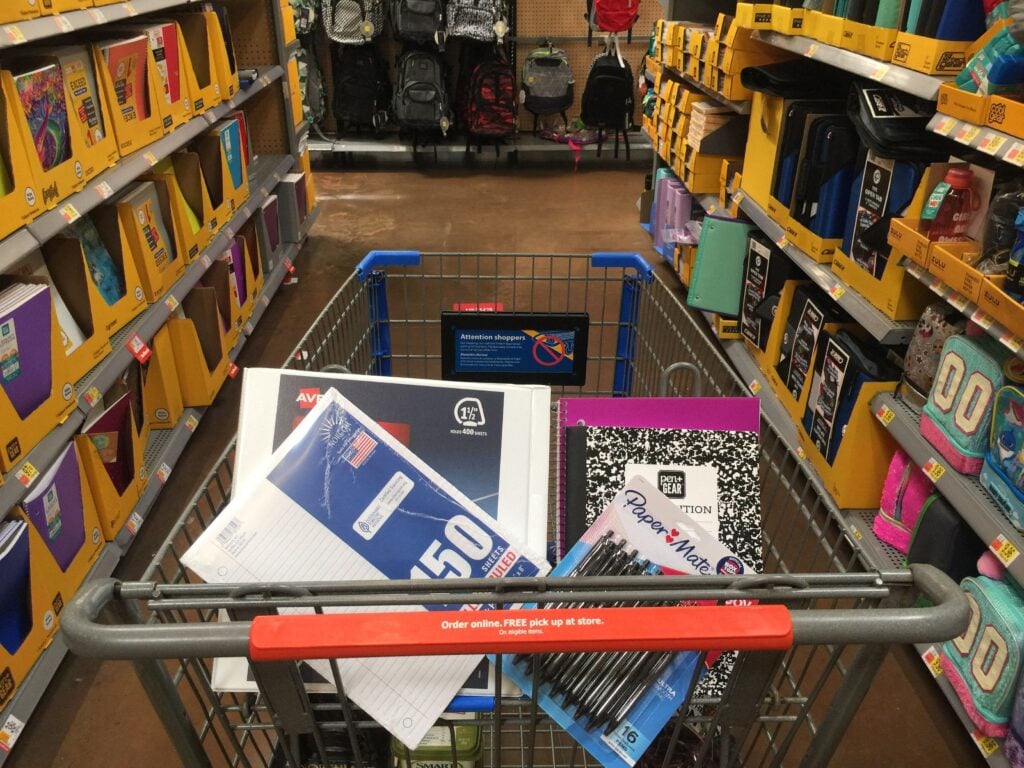
As a new school year approaches, families across North America are facing severe sticker shock when shopping for backpacks, tech, and paper. For some, the annual ritual of stocking up on classroom essentials has transformed into a major financial hurdle. Families find themselves squeezed tightly by stubborn inflationary trends and evolving classroom demands.
The True Cost of Classroom Essentials
According to a comprehensive financial tracking report published by Empower, the average production cost across five key school supply categories has surged by 24% over the past five years. This steady supply-chain inflation means that household budgets are being heavily impacted before children even step foot inside a classroom. In fact, parents of school-aged children now plan to spend an eye-popping average of $875 on back-to-school items this season.
This financial burden escalates even further for households with older students, where the average expected outlay climbs to $1,365 for college prep. For a family earning an average income, checking off a standard school list can easily devour a large portion of a single adult’s monthly take-home pay. This harsh reality has forced nearly one in five parents to turn to “buy now, pay later” services just to finance basic pencils, binders, and calculators.
Why Back-to-School Pricing is Skyrocketing
The dramatic increase in classroom expenses is driven by a combination of corporate cost shifting, expanded teacher checklists, and intense digital peer pressure. While raw inflation has somewhaat stabilized, manufacturers continue to pass their long-term increased expenses directly onto buyers through higher prices and smaller product packages.
Furthermore, a 2026 report by Parents highlights that modern school supply lists are longer and more specific than ever before. Classrooms ferquently require precise brand names, bulk cleaning supplies, and specialized storage items that families must fund entirely out of pocket.
Social media trends are also major culprits in driving up back-to-school bills. The Empower analysis reveals that 60% of children are heavily influenced by platforms like TikTok and Instagram when selecting their gear. This constant digital exposure causes kids to bypass basic budget supplies in favor of luxury, viral items like $550 over-ear headphones and $38 water bottles.
Strategic Ways for Parents to Save Big
Despite the rising costs, smart shopping habits can help families keep their hard-earned money in their pockets. A survey from market research firm Leger emphasizes that setting a firm budget before entering a store is the single most effective way to curb impulse spending. Experts recommend auditing your home first, as leftover notebooks, pencils, pens and gently used backpacks from the previous year are often perfectly fine to reuse.
In a twist, to cope with these financial pressures, the secondary market has experienced a massive boom. Data from Yahoo Finance shows that rising primary retail prices are driving millions of parents directly into the second-hand market for apparel and electronics.
Thrifting, swapping with neighbors, and tracking online marketplaces allow parents to acquire premium items at a fraction of retail prices. Spreading purchases over several months rather than waiting for a single summer shopping spree can also protect your monthly cash flow.

