

Feeding Choices Should Never Be Used as a Measure of a Mother’s Worth
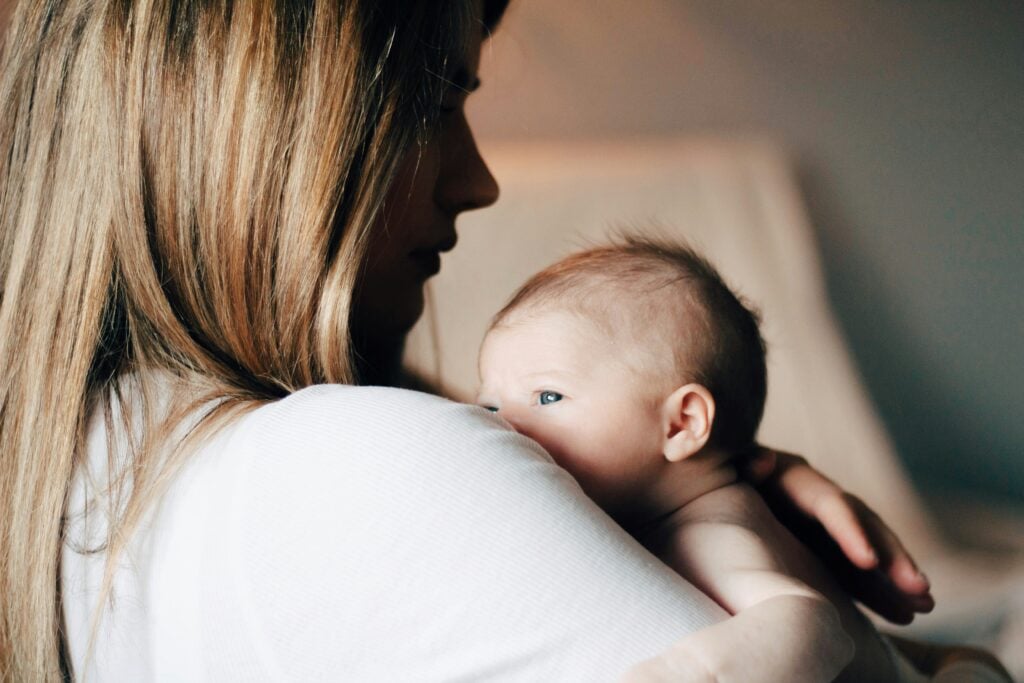
For many new mothers, feeding a baby can become one of the most emotionally charged aspects of early parenthood. While breastfeeding is often promoted for its health benefits, experts increasingly warn that social pressure and judgment surrounding infant feeding can leave mothers feeling guilty, ashamed, and inadequate—especially when breastfeeding is difficult or impossible.
A recent study examining breastfeeding discussions on Instagram found that online conversations often frame breastfeeding as a moral issue rather than a personal or medical one. Researchers concluded that social media frequently presents breastfeeding as a marker of “good” motherhood, creating pressure on women who choose not to breastfeed, use formula or who are unable to breastfeed due to medical, psychological, or practical reasons.
The study noted that “breastfeeding is often portrayed as a moral obligation rather than a health choice,” a message that can leave mothers feeling judged when their feeding journey doesn’t match idealized expectations.
Why Some Mothers Don’t Breastfeed
The reality is that breastfeeding does not come easily for everyone. The International Journal of Environmental Research and Public Health found that women stop breastfeeding for a wide range of reasons, including low milk supply, infant feeding difficulties, pain, medical conditions, medication use, workplace challenges, and mental health concerns. The study emphasizes that feeding decisions are often influenced by factors beyond a mother’s control.
It can also simply be a choice. Many women decide not to breastfeed for a litany of reasons, especially in regions where things like maternity leave aren’t long or available. Many women report feeling pressure from family members, healthcare providers, social media, and even strangers. When mothers internalize these expectations, feelings of failure can emerge, even when they are making the best decision for themselves and their baby.
The Impact On Mental Health
The emotional consequences of breastfeeding struggles can be significant. The Massachusetts General Hospital Center for Women’s Mental Health did extensive research on the connection between breastfeeding and mood. They found that difficulties with breastfeeding are associated with higher levels of stress, anxiety, and depressive symptoms in some mothers. The relationship works both ways: mental health challenges can make breastfeeding more difficult, while breastfeeding difficulties can negatively affect mental health.
The center notes that “a mother’s emotional well-being is an important component of infant health and development.” In other words, a healthy and supported mother is just as important as the method used to feed a baby.
How Partners Can Help
One of the most effective ways to reduce pressure on new mothers is through strong support from their male or non-breastfeeding partners.
UNICEF encourages fathers and partners to play an active role in infant feeding, whether a baby is breastfed, formula-fed, or receives a combination of both. Partners can help by offering emotional encouragement, sharing household responsibilities, assisting with nighttime care, and protecting mothers from criticism and unwanted advice.
UNICEF stresses that “support from [partners] can make a significant difference to a mother’s feeding journey.”
Ultimately, feeding a baby is only one part of parenting. Love, responsiveness, safety, and emotional connection matter far more than whether nutrition comes from breast milk, formula, or a combination of both.
Mothers who cannot or choose not to breastfeed are not failing their children—they are caring for them in the way that works best for their family’s needs, and they deserve understanding rather than judgment.

