

As a parent, it’s instinct to redirect your child when displaying unwanted behavior.
“We don’t jump on the sofa! Let’s sit!”
“We don’t push our sister. Let’s have gentle hands!”
“Stay seated, please. We don’t get up until we are done eating.”
Of course, redirection in these instances is important and warranted. However, it should be balanced by also providing positive reinforcement when a little one has made a good choice. Doing so increases their confidence while teaching them appropriate behaviors as they build daily life skills.
Positive reinforcement involves rewarding your child after they engage in a desired behavior. Rewarding a tangible item or sensory reinforcement immediately for displaying appropriate behavior increases the likelihood of it happening again.
I became a certified Registered Behavior Technician (RBT) on April 24, 2026. My new credential has done so much more for me than helping me enhance my ABA client’s life skills proficiency. I’m also interweaving my behavioral training into how I parent my three children, mainly with various positive reinforcement strategies.
Applying these tactics with my 8-year-old daughter, 4-year-old son, and newly turned female threenager has helped me see how small and consistent rewards encourage a turnaround in behaviors. Social praise and extra privileges go a long way as positive reinforcement strategies because they build self-esteem, independence, and confidence.
Tangible items can work as positive reinforcement when sprinkled into the mix. You don’t want little ones expecting a new item every time they’ve displayed appropriate behaviors. Rewarding with toys or other new tangibles can shift a child’s focus more to engaging in the behavior to receive the reward rather than naturally desiring to display it. Tangible reinforcers are best for celebrating larger milestones such as displaying a desired behavior over a designated period.
Verbal Praise
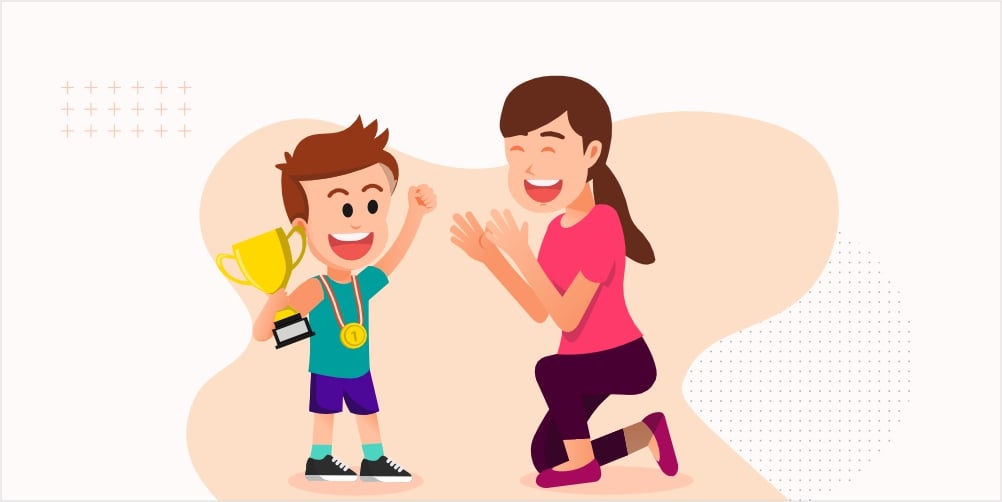
Verbal praise to a child is like a gold mine. They feel great about themselves when you congratulate them for doing any positive actions. Acknowledge the child’s behavior immediately with specific praise so they know what they did correctly. A phrase like “Good job” is too generic and may confuse the child as to what they performed well on.
Instead, say something like, “I love how you put away your toys without me telling you” or “I am proud that you shared your favorite toy with your sister”. These examples are what I have had to do with my 4-year-old son and 3-year-old daughter to reduce their sibling squabbles fighting over toys.
What Parents And Kids Can Learn From This Reinforcement Strategy: Children are more likely to repeat behaviors they know adults appreciate. Specific praise builds confidence and stronger parent-child relationships. Over time, specific praise shows kids how it feels to succeed. Little ones will recognize their own accomplishments rather than seeking approval.
Sticker Charts
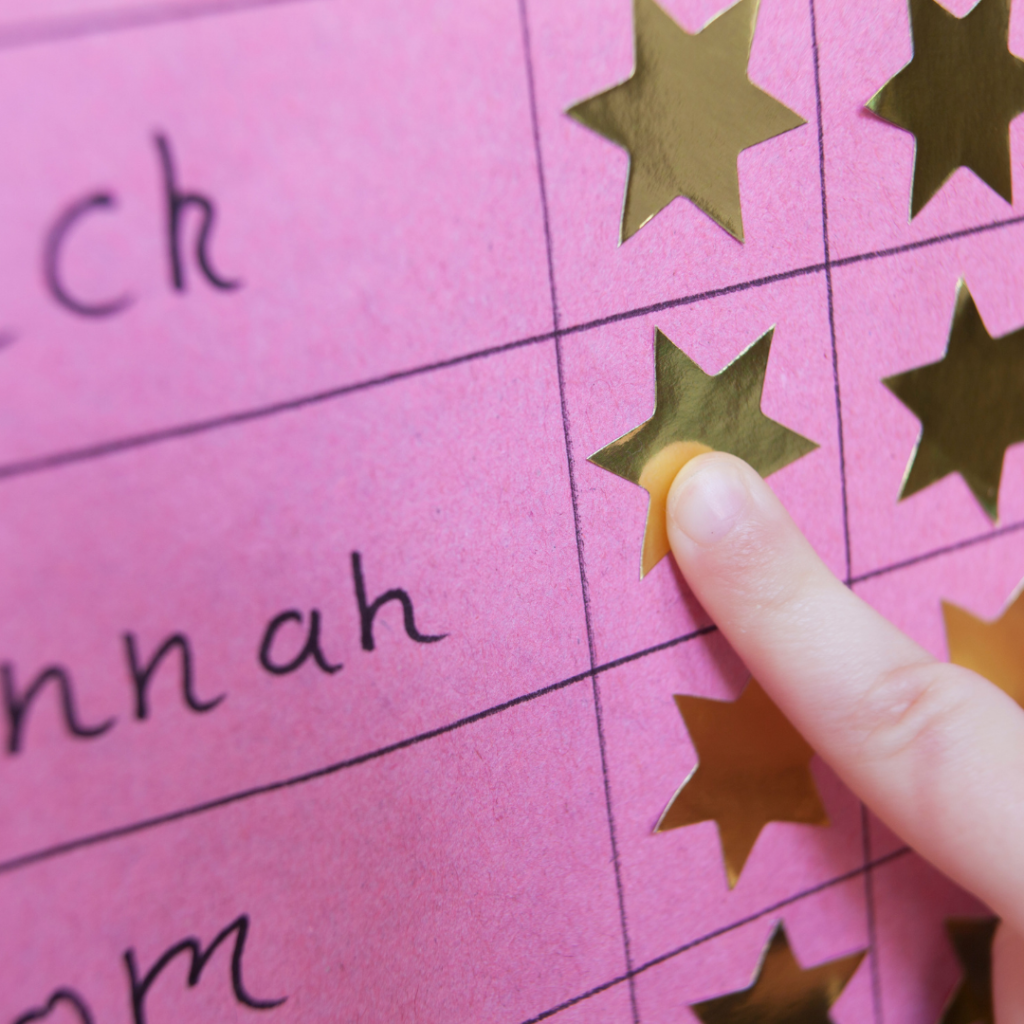
Sticker charts are for more than helping a toddler get potty trained. They can be utilized to reward any desired behavior, like an older child completing all their chores each night or a younger child brushing their teeth without reminders.
Every time your child demonstrates a target behavior, reward them with a sticker. The stickers are a visual reminder of a child’s progress and encouragement to continue making positive choices. Sticker charts provide immediate feedback that can help little ones wait a little longer for an anticipated reward in the distant future.
What Parents And Kids Can Learn From This Reinforcement Strategy: A sticker chart is an example of a token economy. Each token acts as a secondary reinforcer. There is no value in the tokens until they can be traded in for other rewards. Once your child fills a sticker chart, you can choose what reward they receive, such as something new for their hobby or staying up past bedtime for an extra 30 minutes one night.
Reward Coupons
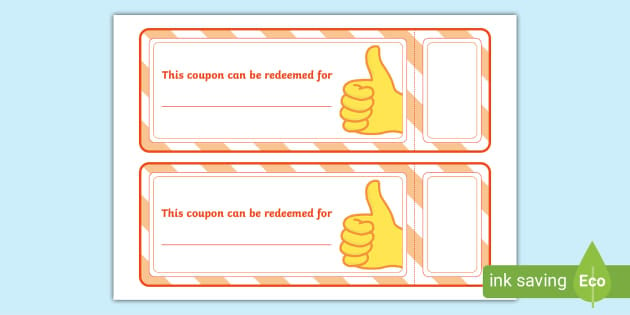
Make up your own reward coupons you give to your child after they have displayed a desired positive behavior or filled up a token economy. The coupons could say something like:
- Choose the movie for Movie Night Monday.
- Stay up 30 minutes later on Saturday.
- Pick tonight’s dinner.
- Choose the board game for Game Night Thursdays.
As a child accumulates more reward coupons, they can cash them in at designated times the parent chooses. This makes for a flexible and inexpensive reward strategy that’s still delivering positive reinforcement for children learning new behaviors.
What Parents And Kids Can Learn From This Reinforcement Strategy: Positive behavior can lead to meaningful privileges. Parents can customize rewards for their little ones even on a tight budget. Not every reward needs to be a tangible new item. Sometimes an extra privilege is much more valuable than gaining a new possession that may eventually become clutter as a child’s motivations and interests change.
High Fives or Physical Affection
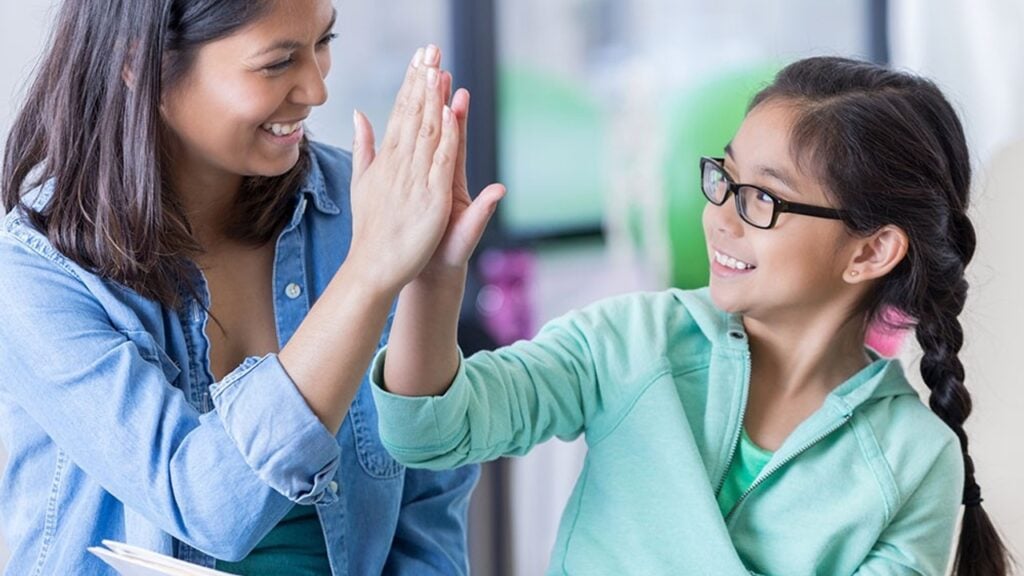
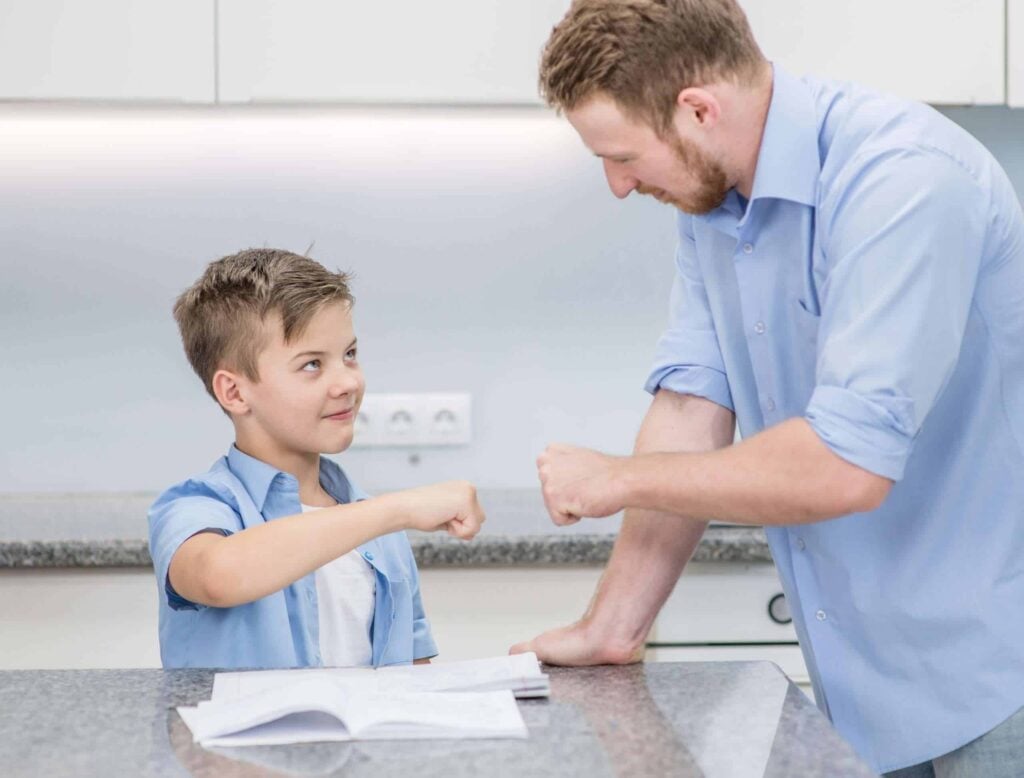
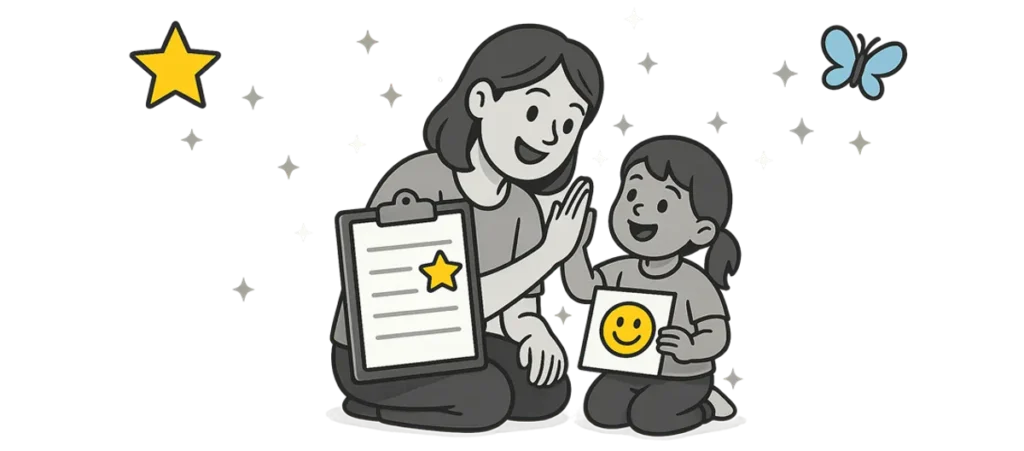
Give your child a high five or fist bump after displaying an appropriate behavior. Physical encouragement helps your child learn that desired behavior leads to supportive interactions. Give your child a quick hug, pat on the back, or an affectionate tap on the head to show them you’ve noticed their good choice. Maybe they cleared their dinner plate or picked up their dirty laundry without a reminder from you. Such reinforcement will help them remember to stay engaged with these positive behaviors.
What Parents And Kids Can Learn From This Reinforcement Strategy: Physical interactions help children feel safe, loved, and bonded with their parents. Such supportive interactions build self-confidence and emotional security into adolescence and adulthood. This is important as children build friendships and relationships outside their original family unit to eventually build families of their own.
Choosing a Family Activity

Children love being able to choose things once in a while. Giving them that sense of control is powerful positive reinforcement. After demonstrating a desired behavior or reaching a specific goal, your child can choose a family activity to do during leisure time. It can be a board game during a family night-in or the place you’ll all go for a day trip. This reward reinforces positive behavior while making fun-filled family memories.
What Parents And Kids Can Learn From This Reinforcement Strategy: Positive reinforcement is more than tangible items like food, money, or new belongings. Family quality time is one of the most valuable rewards a child will cherish most. Allowing your child to make age-appropriate decisions promotes independence, confidence, and decision-making skills. This strategy also reduces daily power struggles between parents and their little ones while strengthening family bonds.
Special Helper Jobs
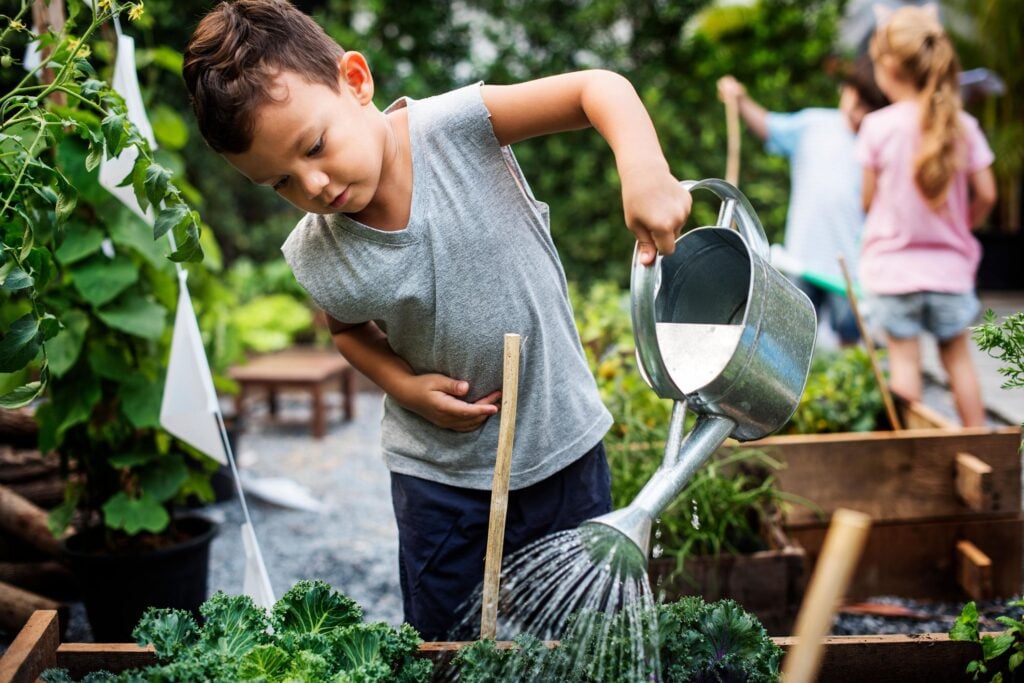
Reward good behavior by allowing your child to help with special tasks. Feeding the family pet or helping cook dinner may become more of a reward than a boring task if you allow them to do it after engaging in good behavior. Assign these special helper jobs so that chores feel more like rewarding activities than mundane tasks.
Younger children may enjoy helping you cook by handing over ingredients. They can sort laundry by color before washing and by clothing type when it’s time to fold or hang them up to put them away. Older kids could excel in more independent tasks like watering plants and putting their laundry away.
What Parents And Kids Can Learn From This Reinforcement Strategy: Help your child feel capable and independent by giving them special helper jobs after showing good behavior. Parents can show children that trust and responsibility can be earned through positive choices. Teach your child valuable life skills while building their self-confidence.
Surprise Rewards
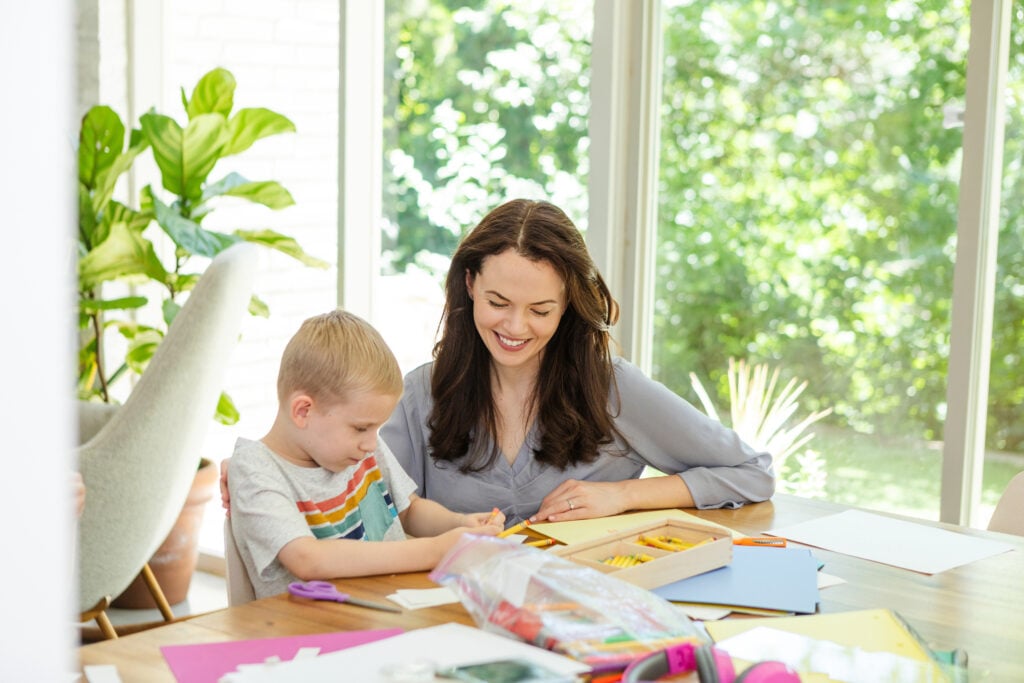
Surprise your child after reaching a milestone in modifying their behavior. Make them a favorite snack or take them for an impromptu trip to the ice cream stand for a job well done when they do a task without you asking. Reward them when they have shown improvement in talking positively to their siblings or sharing with them.
Show your only child you appreciate them when they wait their turn to interrupt an adult conversation by saying “Excuse me” or when they patiently entertain themselves as you handle a household task. Reinforce these moments, so your child learns respectful communication, self-control, and patience.
What Parents And Kids Can Learn From This Reinforcement Strategy: Surprise rewards make positive reinforcement exciting without causing a child to believe every instance of good behavior deserves a prize. Parents can recognize behavioral milestones with an unexpected experience or choose to celebrate their progress with children rather than focusing on the rewards in the end.
Bedtime Story Bonus
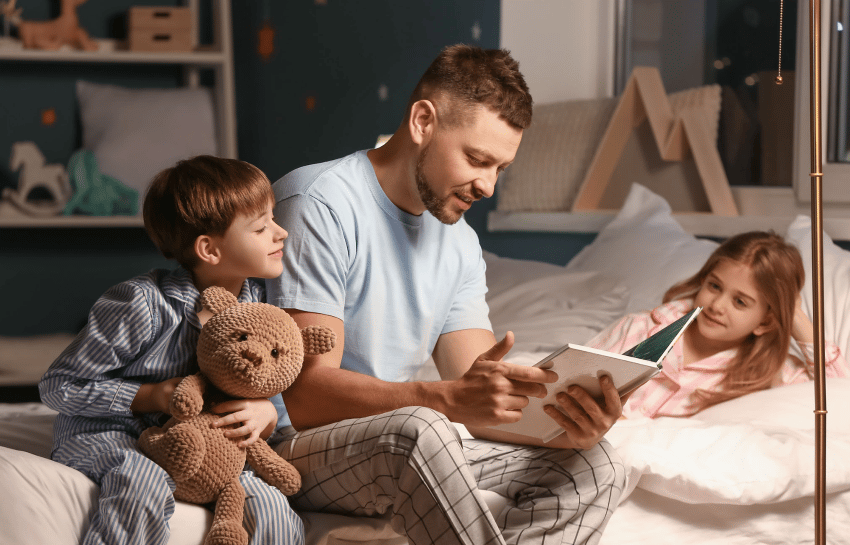
How many times have you heard your little one ask you for another story? Sometimes my toddlers have asked me so many times that I have ended up reading them three books a night. Now, I follow a reward system.
If my 4-year-old son and 3-year-old daughter can complete their bedtime routine independently, they earn an additional book. They share a room, so they go to bed at the same time: 7:30 pm on weekdays and 8:30 pm on weekends. This simple positive reinforcement strategy combines literacy learning with valuable parent-child quality time. Bedtime stories have always been my favorite part of the day when spending time with my children because they wind down while also learning new words and expanding their imagination.
What Parents And Kids Can Learn From This Reinforcement Strategy: Many children are motivated to get more quality time with their parents and caregivers. Parents learn that this strategy reinforces healthy habits with a positive, educational reward at the end. Kids learn to dress independently, clean their room, brush their teeth, and self-soothe into bed each night without constant reminders. Reading together supports language development and early literacy skills, providing lifelong reinforcers for your child.
Positive Notes
Have a pack of Post-It notes or paper handy for this reinforcement strategy. Write notes and place them on your child’s bedroom door, in their lunchbox, or next to completed chores. This is something I want to start doing with my eldest daughter (age 8) so she can be more motivated to keep her room clean and build her confidence as she transfers to a new school this year. We just moved to a new community, so it will be a different environment for her to adjust to.
What Parents And Kids Can Learn From Positive Notes: Mothers and fathers can learn that reinforcement goes beyond immediately after the good behavior occurs. Written encouragement can be a gentle reminder to your child to keep up that positive action. Use deep breaths when angry rather than throwing items. Sharing a preferred item or using kind words with a sibling are all great behaviors to write about to keep encouraging your child to continue them.
Success Journaling
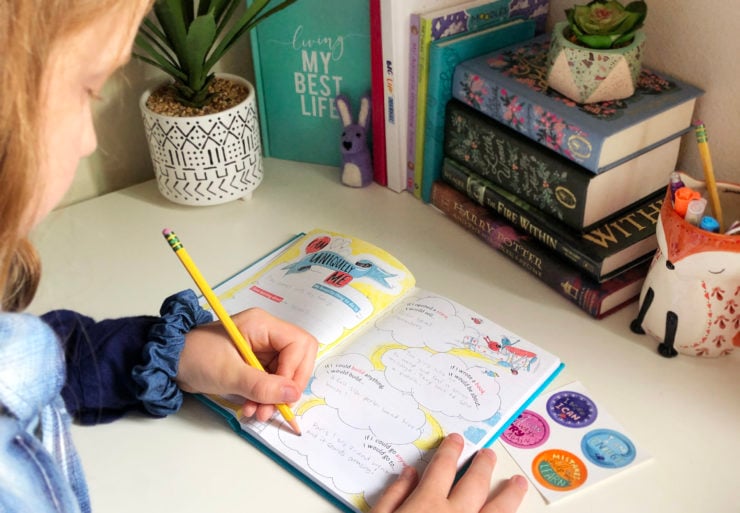
Document at least one accomplishment your child achieved each day in a journal. Parents can write these accomplishments for their toddler children still learning to write. Kids in grade school and above can write three to four sentences about their daily accomplishment and how it made them feel to achieve it. Accomplishments could be:
- Starting homework immediately after an arriving home routine rather than jumping into a preferred activity.
- Clearing their plate without being told.
- Trying a new food.
- Using kind words during a disagreement rather than throwing a tantrum.
What Parents And Kids Can Learn From Success Journaling: Parents can intentionally focus on their child’s progress rather than fixating on perfection to turn around their behavior overnight. Caregivers can notice a child’s strengths rather than pinpointing the mistakes that require fixing. Journaling promotes self-awareness and a growth mindset for children. They can recognize how these accomplishments made them feel, unlocking a natural satisfaction for the achievement.
Dance Parties

Dance parties are fun reinforcement strategies to use at the end of an evening when everyone has completed their chores and responsibilities. Ensure your child cleaned their room, completed homework, and satisfied other assigned chores. Surprise them by putting music on the television or Bluetooth speaker and dance your hearts out. Reinforcement can be an enjoyable experience integrating exercise and good family memories.
What Parents And Kids Can Learn From Dance Parties: Positive reinforcement can help kids associate good behavior with joyful family interactions. Parents can learn that enthusiasm matters when delivering reinforcement. Letting loose and dancing out your excitement makes kids see you’re their ultimate cheerleader.
Privilege Rewards
Your children can receive extra privileges if they have been on good behavior. They can choose the family meal for the evening or a song in the car as you drive. They could also receive an extra 15 to 30 minutes of staying up on the weekend. Children can enjoy an extra privilege they naturally value while connecting positive choices with increased trust and independence.
What Parents and Kids Can Learn From Privilege Rewards: Giving a child extra age-appropriate privilege when they’ve been well-behaved makes them feel trusted and respected. This strategy enhances a child’s responsibility with less dependence on material rewards. I appreciate the privilege rewards strategy because it reduces my daughter’s desire for materialistic reinforcers. She loves it when I allow her to put music on in our SUV during a family drive or when she can stay up later on weekends.
Progress Celebrations
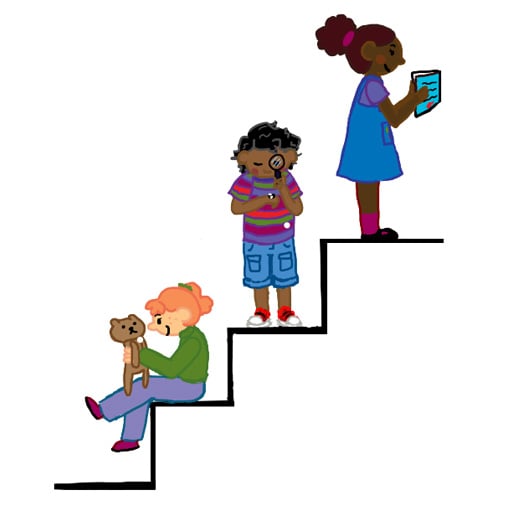
Use a mix of verbal praise and tangible reinforcement to deliver progress celebrations. Show your child how happy you are that they are making progress toward a targeted behavior. For example, their room may not be fully clean, but you can clap and say “Awesome job!” when you see they put toys or clothes away without being asked. Along the way, acknowledge potential improvements your child can take towards mastering the desired behavior to continue encouraging them.
What Parents And Kids Can Learn From Progress Celebrations: Moms and dads recognize that growth happens gradually as kids learn new behaviors. Progress celebrations teach persistence and self-esteem for achieving what they’re currently capable of doing. They won’t be discouraged with unrealistic expectations as each milestone is celebrated along the way.
Mystery Reward Boxes
Mystery rewards are an exciting reinforcement strategy that keeps kids guessing what they’ll receive for good behavior. Fill the box with preferred tangibles, activity coupons, or family experiences. Have a mix of these items so your child is surprised with something different each time they meet a behavior goal over a specific time period.
If a child can put away the dinner dishes every night for a week, they can pick from the mystery reward box. Maybe if they complete a behavior goal three evenings in a row then they can select something from the box. Make it more exciting by having it be a blind box where they must pick something randomly without looking inside.
What Parents And Kids Can Learn From Mystery Reward Boxes: Changing up reinforcers enhances behavior modification. Kids like receiving different rewards for good behavior. Over saturation occurs when a child has had too much of one reinforcer. Mystery reward boxes vary reinforcement strategies while maintaining excitement and motivation.
One-On-One Time

Schedule dedicated time with your child after they exhibit positive behavior where you can. Going to work and coming home to handle chores can consume an adult’s entire day. However, setting aside that little bit of one-on-one time does wonders for the parent and child bond.
My eldest daughter is 8, and we have one-on-one time together at the end of the evening after I put my toddlers to bed. Sometimes we sit in my bed together watching videos on our phones, but we also play Roblox together or just talk about our days.
It’s a bit hectic with my 4-year-old son and 3-year-old daughter who need more supervision and assistance throughout the day. I spend time with my toddlers reading books or sometimes watching virtual ones. They love the “If You Give A Dog A Donut” by Laura Numeroff animated storybook on YouTube from 5 Minutes With Uncle Ben.
What Parents And Kids Can Learn From One-on-One Time: Attention is one of the strongest reinforcers. Parents learn that quality time strengthens emotional connections while encouraging children to seek positive attention from parents and loved ones. Kids learn they can seek positive attention through good behaviors.
Praise In Front Of Others
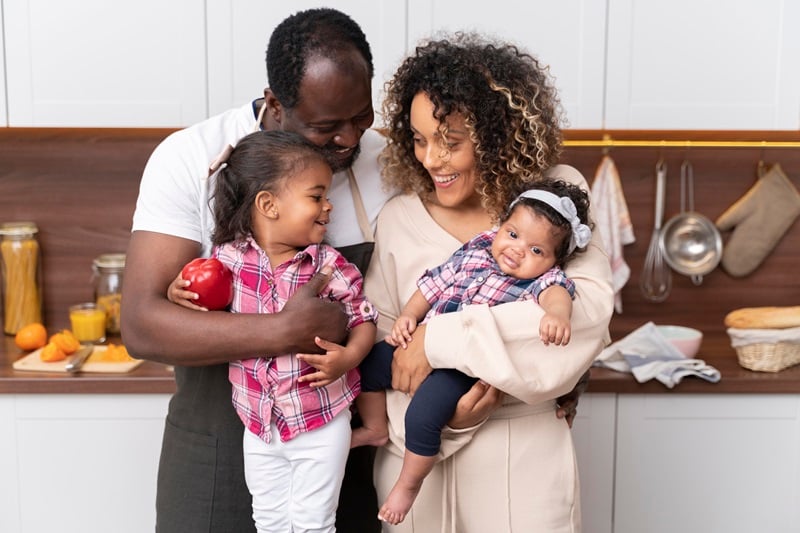
I witness praise happening for clients from other Registered Behavior Technicians at the ABA center I work at all the time. When an RBT reports a milestone their client reached to a fellow co-worker, the other RBT also congratulates that client with verbal praise.
I realized I was also doing this already for my three children at home. I happily report to my mom, who has helped my 4-year-old son potty train as I transitioned into my RBT role, about the times he poops on the potty. It’s such a big celebration because up until he consistently pooed on the potty, he was having many #2-related accidents.
What Parents And Kids Can Learn From This Reinforcement Strategy: Respectful public recognition boosts self-confidence and reinforces positive behaviors. Parents learn that praising their child in front of family and friends makes their little one feel good about themselves. Kids notice the closest people in their lives can value and congratulate their hard work, encouraging more good behavior.
Choice Time

Displaying positive behavior can be a good reason for a child to earn a choice time option. They can pick from one of two options related to a choice they can make as reinforcement for good behavior. After displaying a targeted behavior, they can choose which pajama set to wear, or the vegetable going with tonight’s dinner.
What Parents And Kids Can Learn From Choice Time: Moms and dads learn that age-appropriate choice time reduces power struggles while promoting independence. Children can feel more in control within reason as parents maintain healthy boundaries. The kids aren’t running the show so to speak since they get to make a choice after showing good behavior.
Earning Screen Time
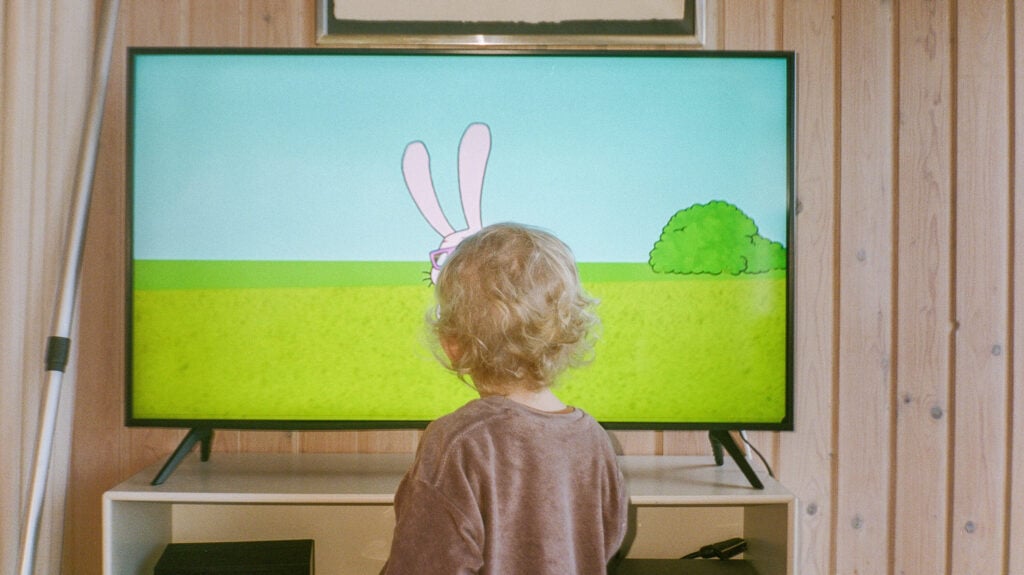
Unlimited access to screen time leads to a monstrous demise as kids start to expect it daily. It could be to a point where they attempt to reject playing outside or joining family outings because they prefer to be in front of a screen. Implement positive reinforcement strategies for your kids to earn screen time when they complete homework, do chores, or cooperatively follow their routines. You can give extra screen time when they have completed these tasks without constant reminders or if they engaged in a positive behavior that you believe deserves being rewarded.
What Parents And Kids Can Learn From Earning Screen Time: Preferred activities are powerful reinforcers when thoughtfully utilized. Children learn that extra privileges are connected with being responsible. For example, if the child can keep their room consistently clean each night on Monday through Friday, they can be rewarded with an extra 30 minutes of screen time on Saturday evening.
Building On Interests

Children are more motivated to practice positive behaviors if reinforcement is tied to their interests. Observe what activities and toys your kids play with the most to customize your reinforcement plan accordingly.
My eldest daughter loves anything to do with art, so I reward her with tangibles like paint, markers, and canvases. My only son loves cars and Bluey, so I’ll reward him with activities or toys related to those interests. My youngest daughter likes baby dolls and dramatic play activities. I wish I had caught a picture of her playing store one day recently when she turned a toy phone into a cash register and set up a “store” on an empty storage cube holder.
What Parents And Kids Can Learn From Building On Interests: There’s a higher likelihood of your child engaging in positive behaviors when you implement effective reinforcers. One reward could be a new tangible related to the interest. Another reinforcement option could be an extra 30 minutes engaging in a preferred activity after displaying a targeted behavior.
Varying the reinforcements tied to your child’s interest keeps rewards fresh while preventing saturation. A child may experience saturation when they have constant access to a reinforcer.
Celebrating Effort
Reinforcing a child’s effort along a behavioral modification journey is just as important as celebrating their biggest milestones. Praise your child for studying hard for an upcoming exam, or for practicing their chosen art in-depth (like a musical instrument). A child is more willing to take on new challenges even despite fear along the way when they see their progress being celebrated.
What Parents And Kids Can Learn From Celebrating Effort: Parents will shift their focus from overall outcomes to the new positive behaviors leading their children to success. They can learn to reinforce resilience, perseverance, and effort over perfection. Children learn that mistakes are normal and consistent effort helps them improve over time.

